
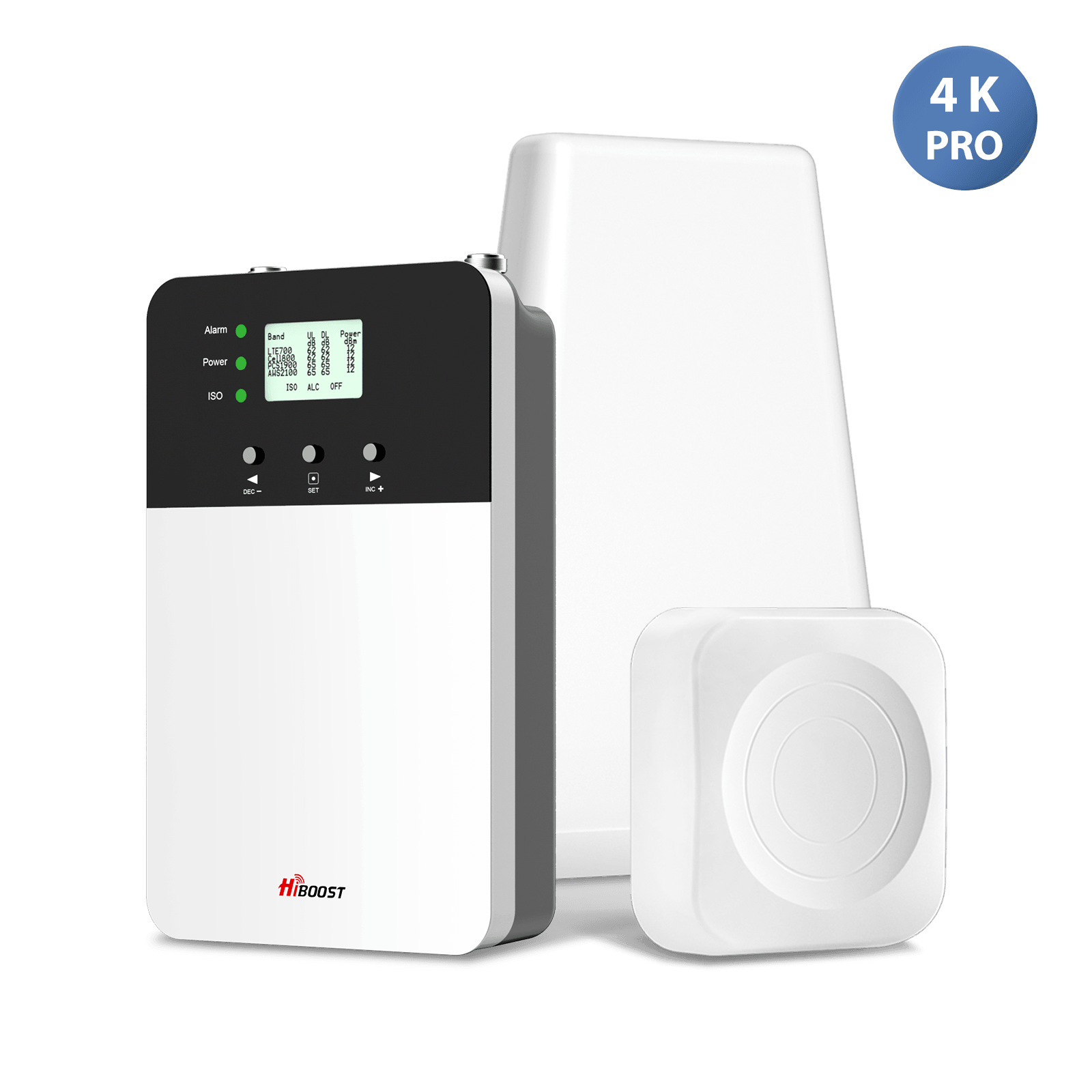
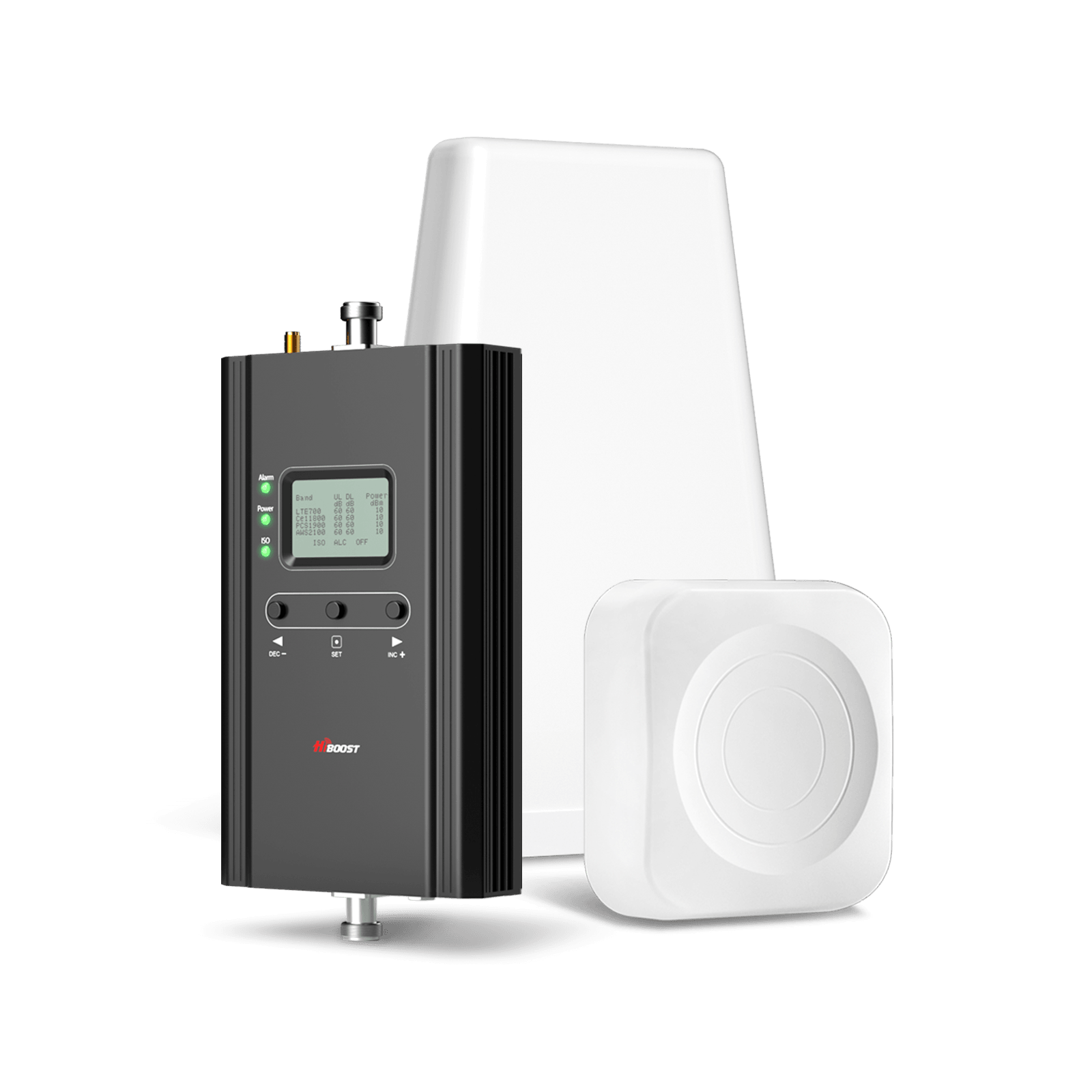
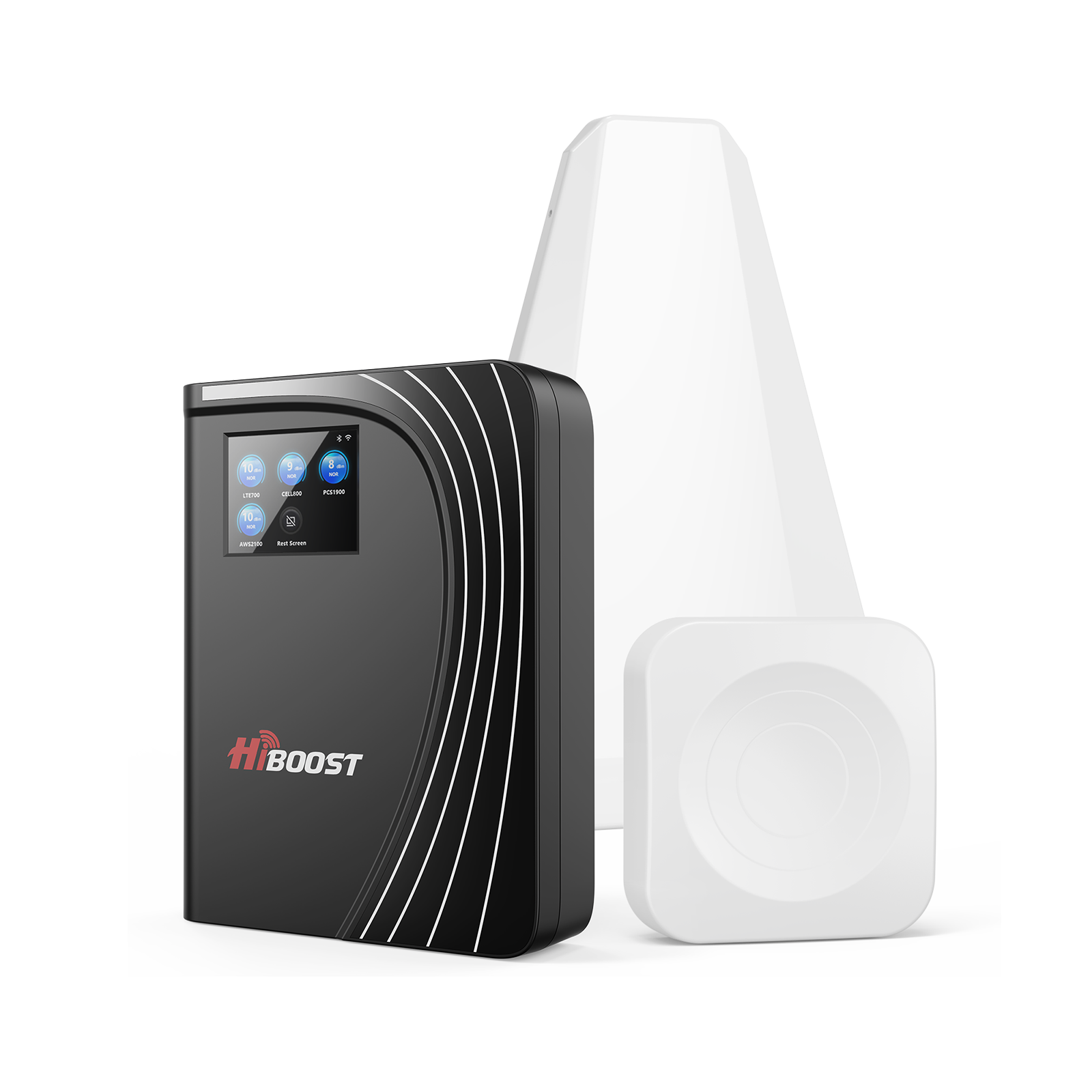
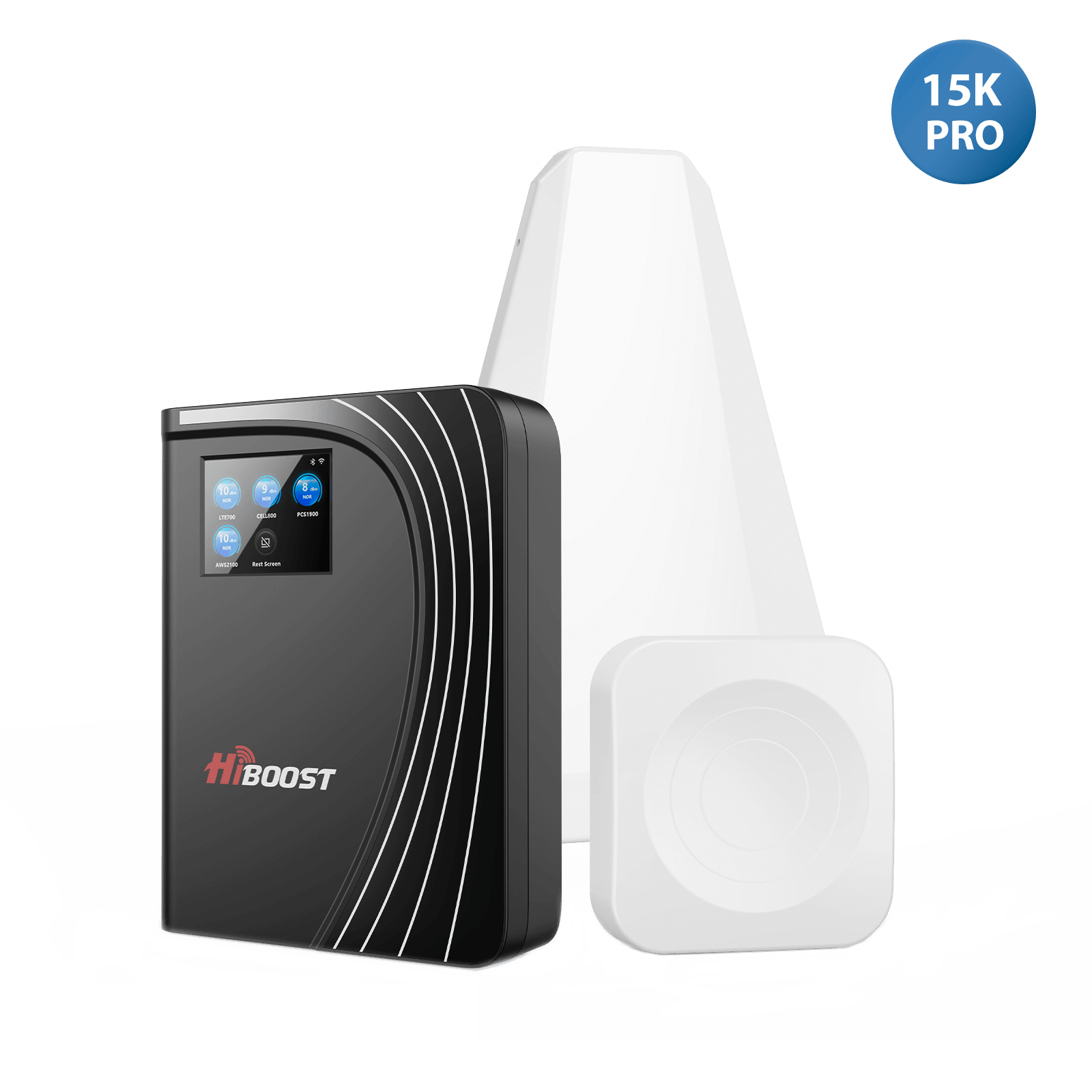
The State of Cell Phone Signal Boosters in 2026 (What’s Changed)
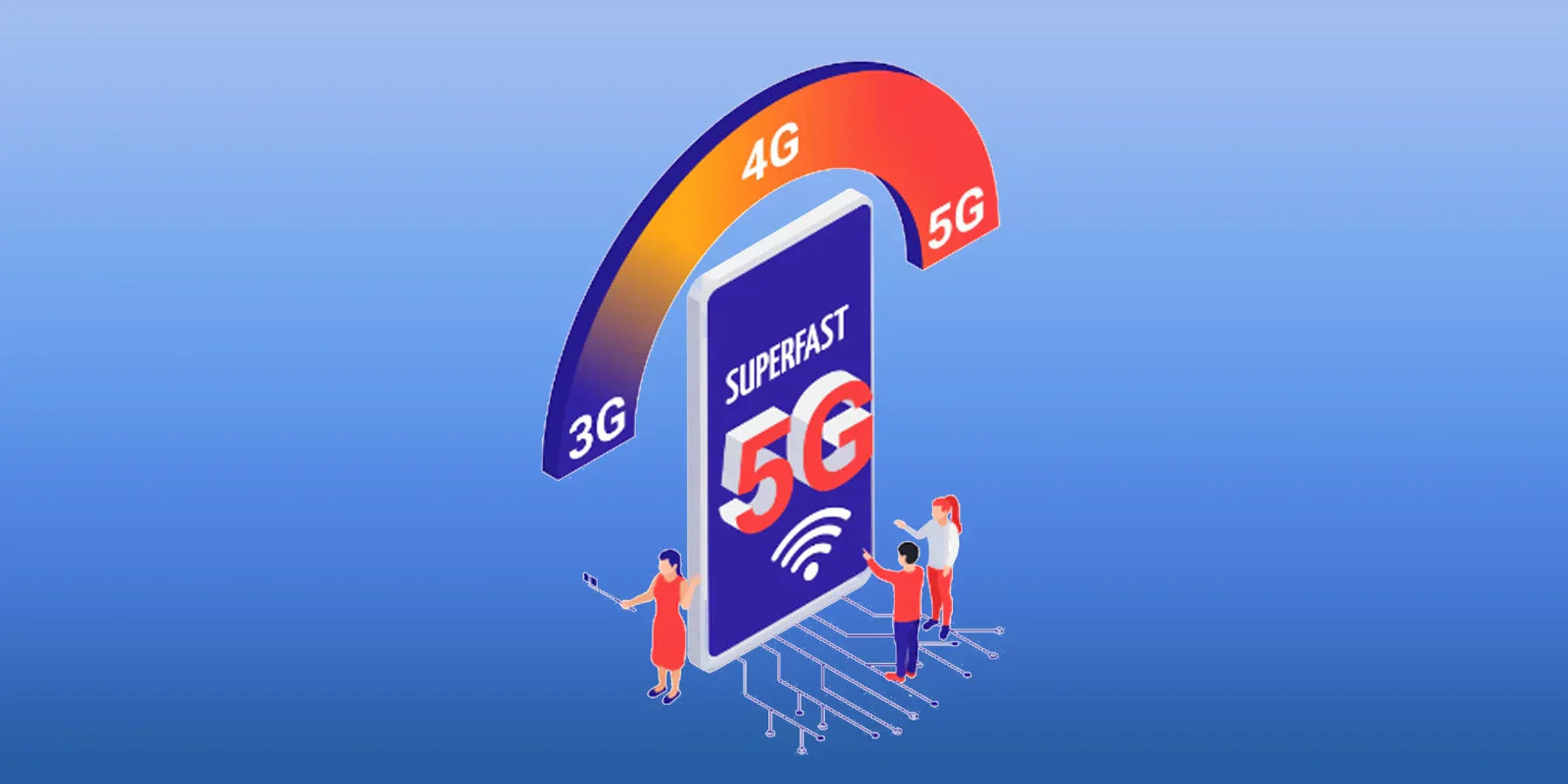
The cellular landscape in 2026 looks very different from just a few years ago. While 5G coverage has expanded nationwide, indoor signal problems have not disappeared. In fact, increased use of higher-frequency bands, denser urban construction, and energy-efficient building materials often make indoor reception worse.
This is why cell phone signal boosters are not only still relevant in 2026—they are more strategic than ever. Modern boosters now support low-band 5G, advanced automatic gain control, and smarter interference management, delivering more stable voice and data performance across multiple carriers.
In this updated guide, we re-tested today’s leading boosters under real-world 2026 conditions to identify the top-performing, future-proof signal boosters for homes, offices, and vehicles.
In 2026, staying connected is more important than ever—whether you're working remotely, streaming on the go, or living in a rural area. Poor cell signal can be a dealbreaker. That’s where cell phone signal boosters come in. These devices amplify weak cellular signals, helping eliminate dropped calls, improve voice clarity, and speed up data connections.
Looking for a proven, high-performance signal booster? Start with our most tested and highest-rated models.
View Top-Rated BoostersIn this guide, we’ll review the top 3 signal boosters of 2026—based on hands-on testing, real customer feedback, and expert analysis. Whether you’re looking to boost signal in your home, car, RV, or cabin, we’ve got you covered.
The Evolution of Signal Boosters (Why It Matters in 2025)
Cell signal boosters have come a long way. In the early days, they were bulky, 2G-only devices that required professional installation. Fast forward to today—boosters now support 4G LTE, 5G, and come with smart features like real-time signal monitoring, mobile apps, and OTA (over-the-air) firmware updates.

Top 3 Cell Phone Signal Boosters in 2026
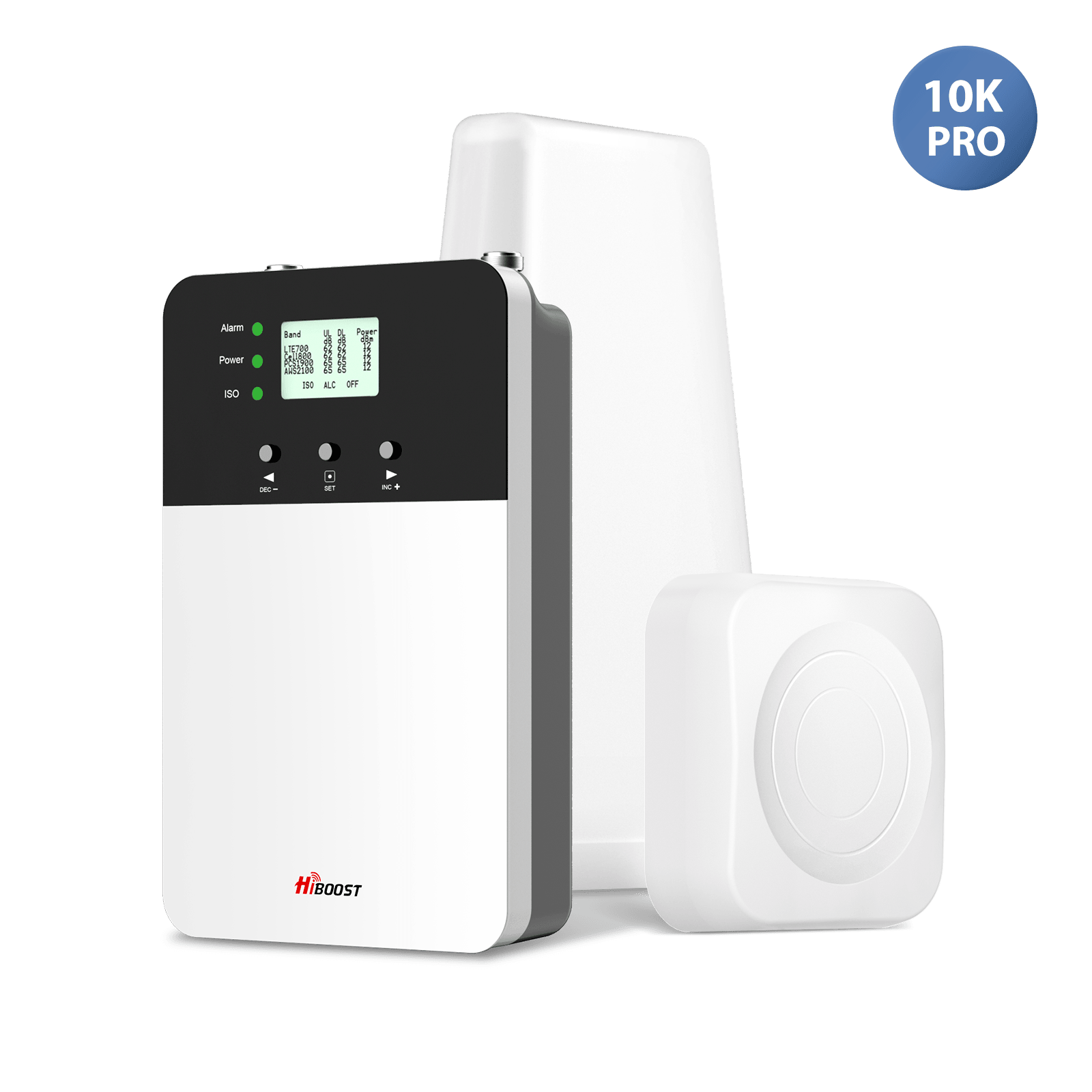
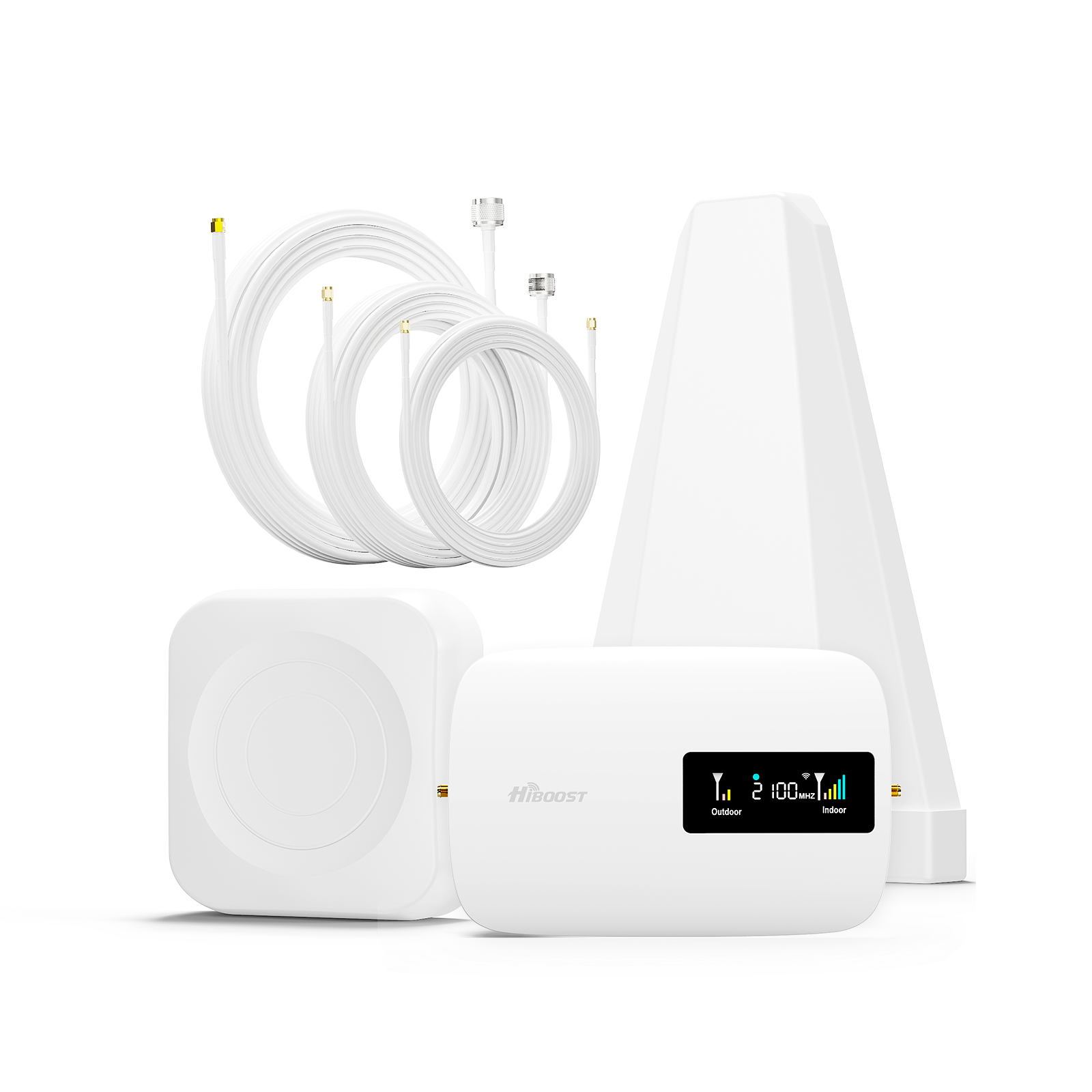
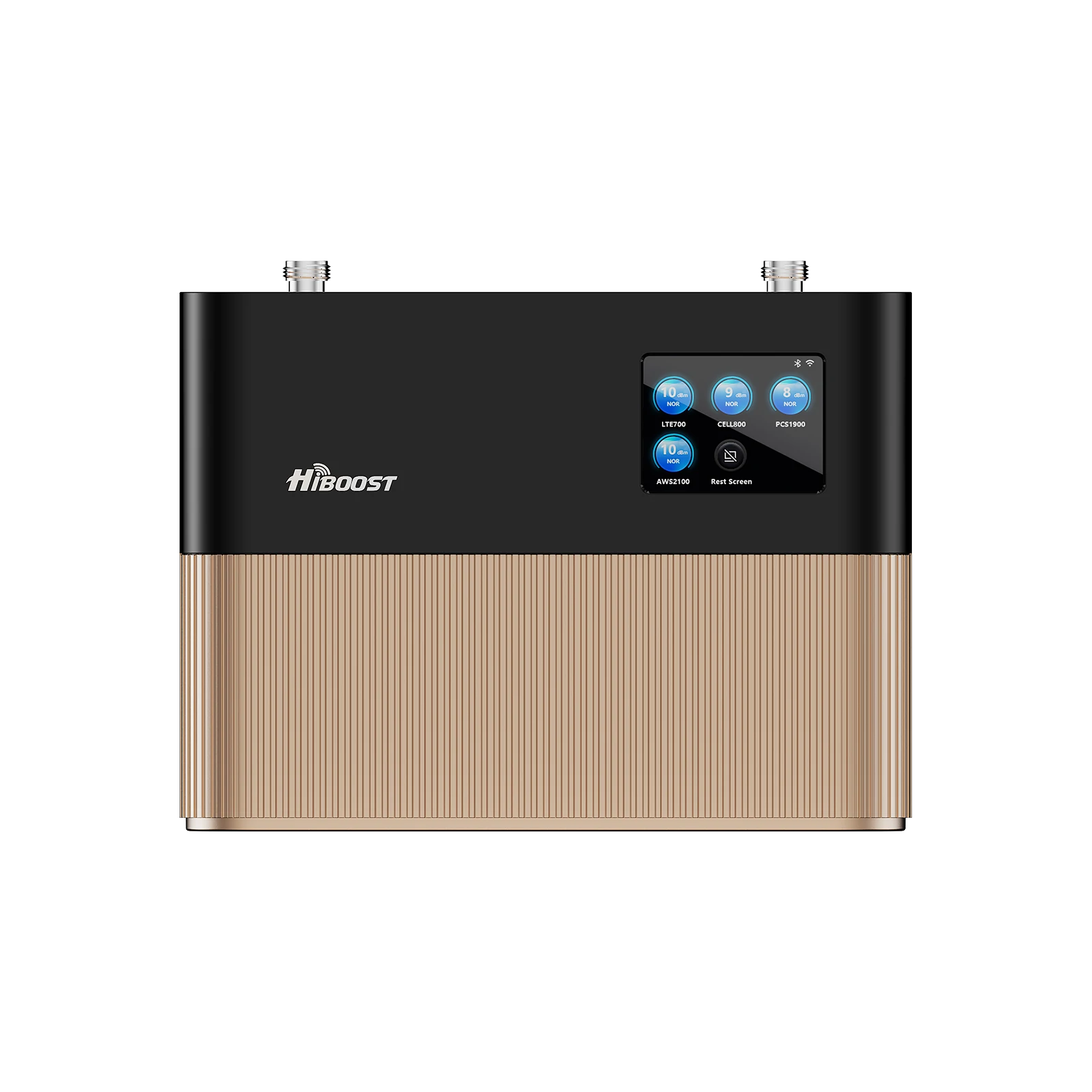
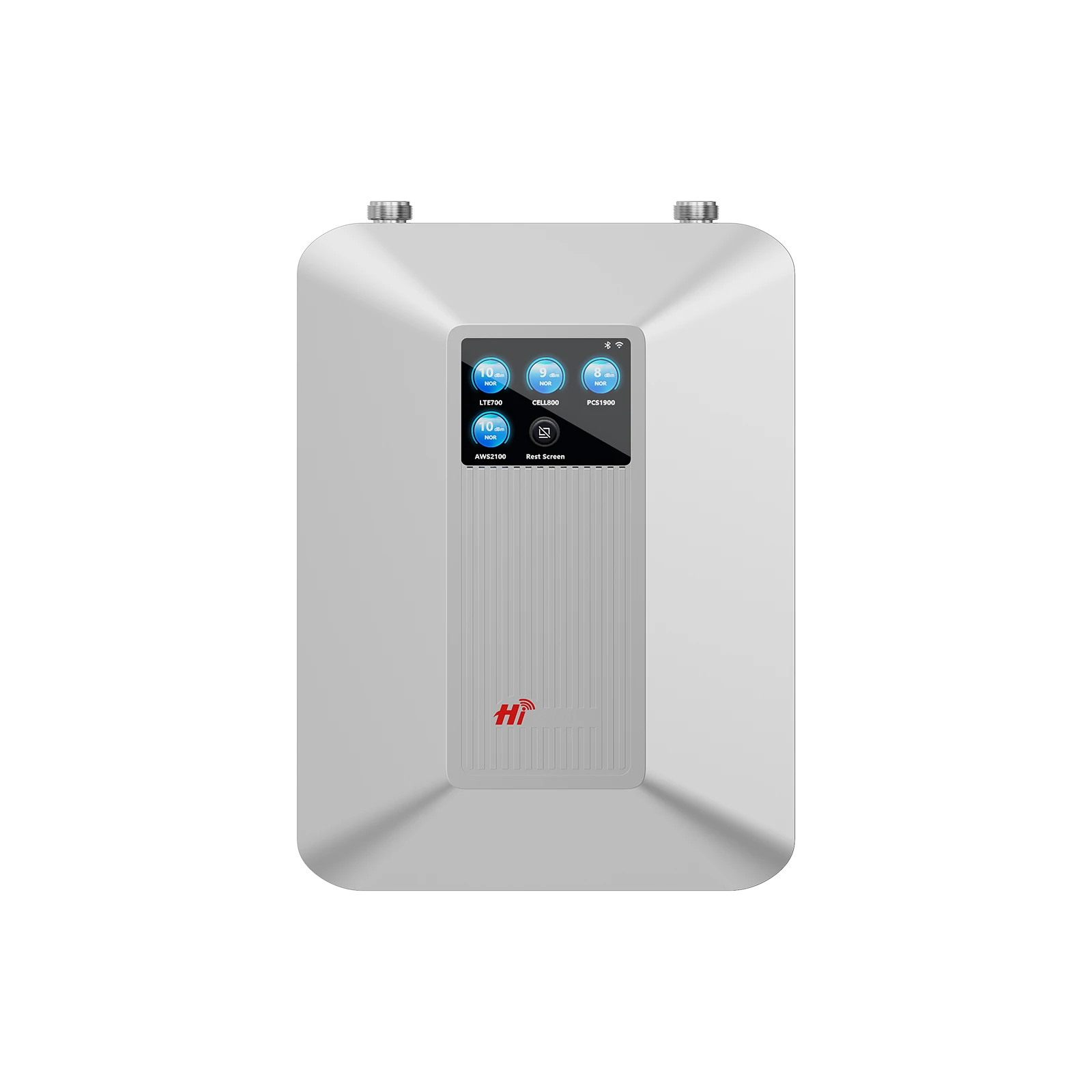
1. HiBoost 15K Smart Link Deluxe – Best Overall Signal Booster
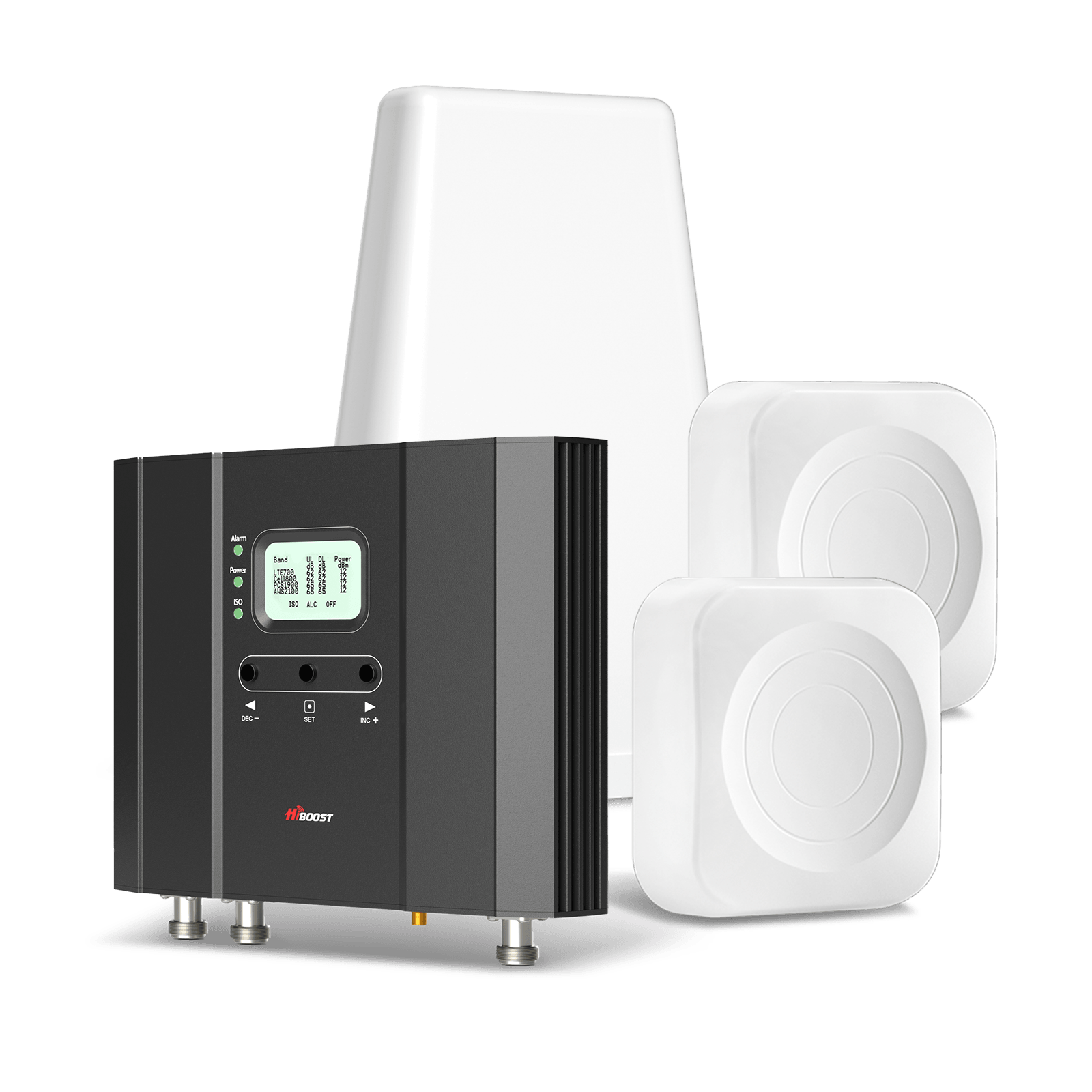
HiBoost 15K Smart Link Deluxe Cell Booster
Covers 7,000-15,000 sq. ft.
Key Features:
- Covers up to 15,000 sq ft
- Supports all major U.S. carriers
- Smart automatic gain control
- FCC approved and carrier compliant
Performance Results:
- Average signal improvement: +25 dB
- Noticeable boost in call clarity and data stability
- Excellent consistency across multiple rooms
Pros:
- Strong, stable signal amplification
- Easy installation process
- Smart monitoring via HiBoost app
Cons:
Not designed for very large commercial buildings
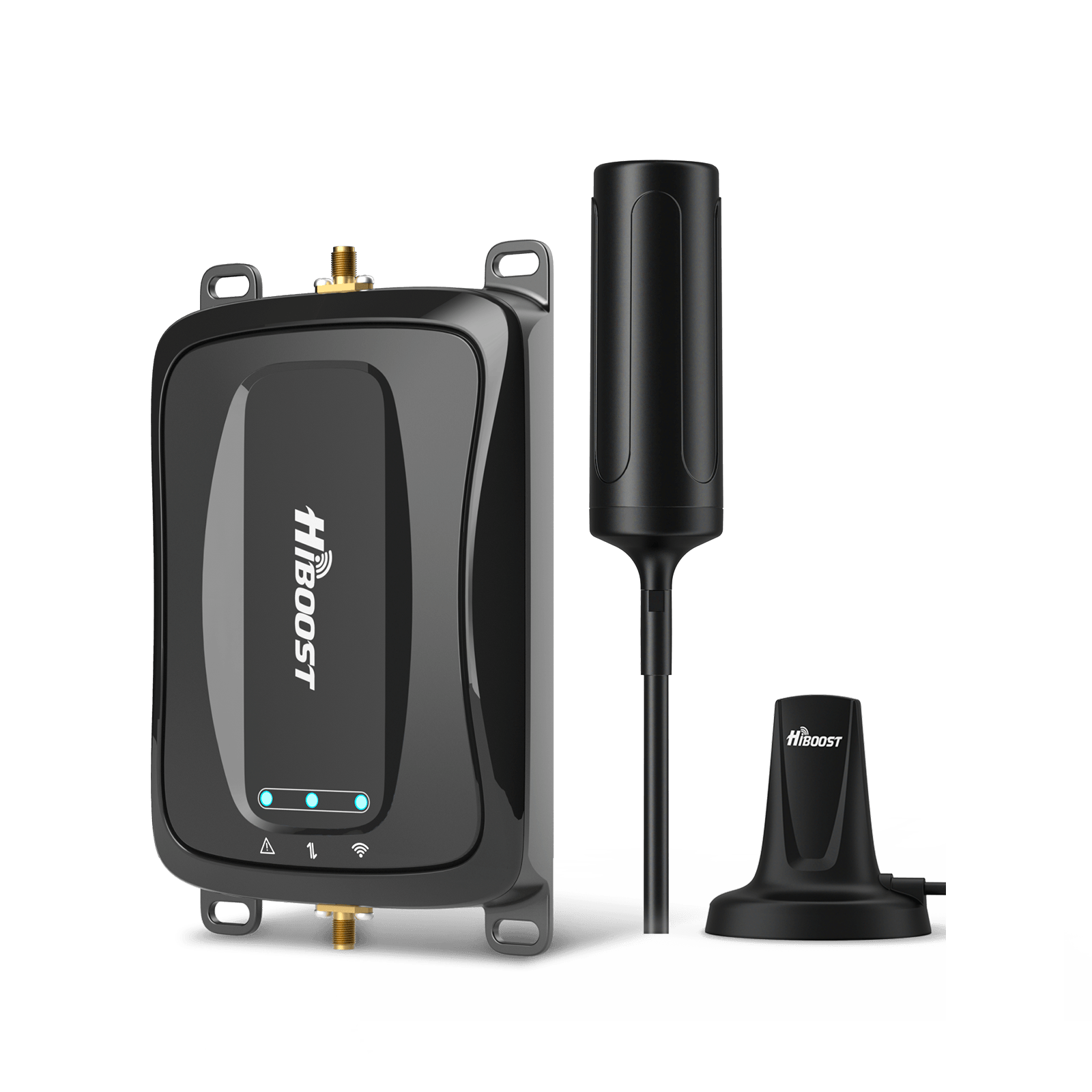
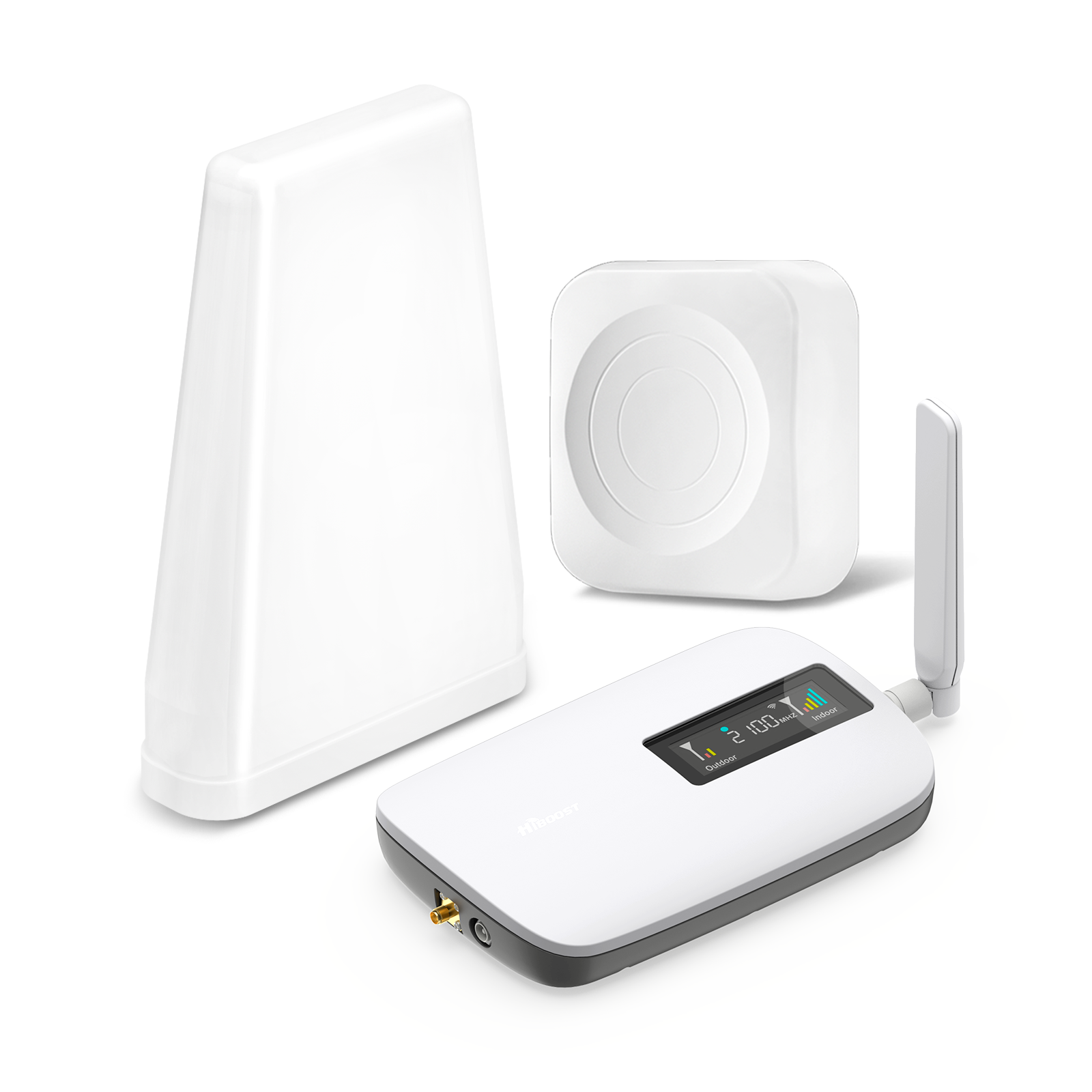
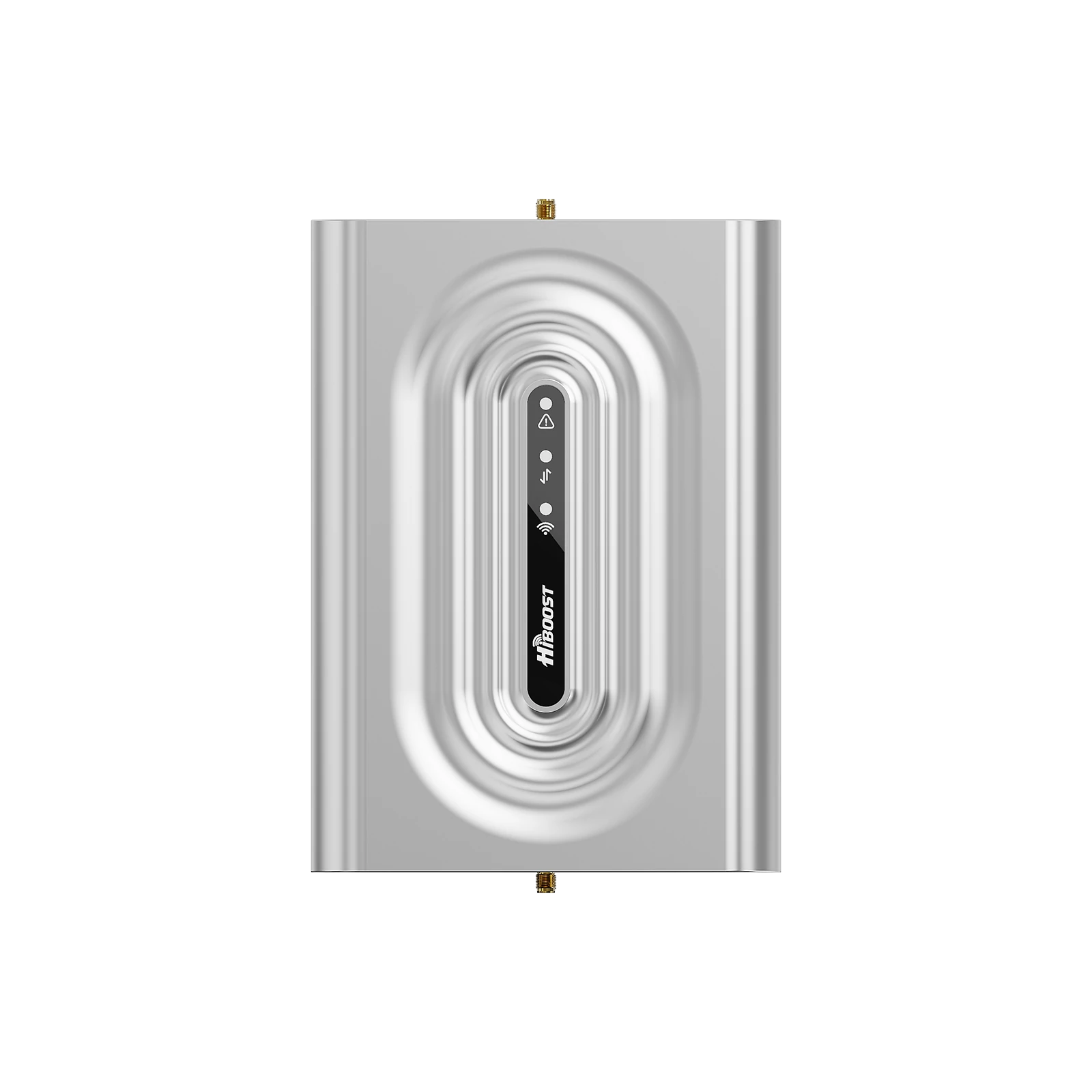
2. HiBoost Sidekick – Best Value for Home Use
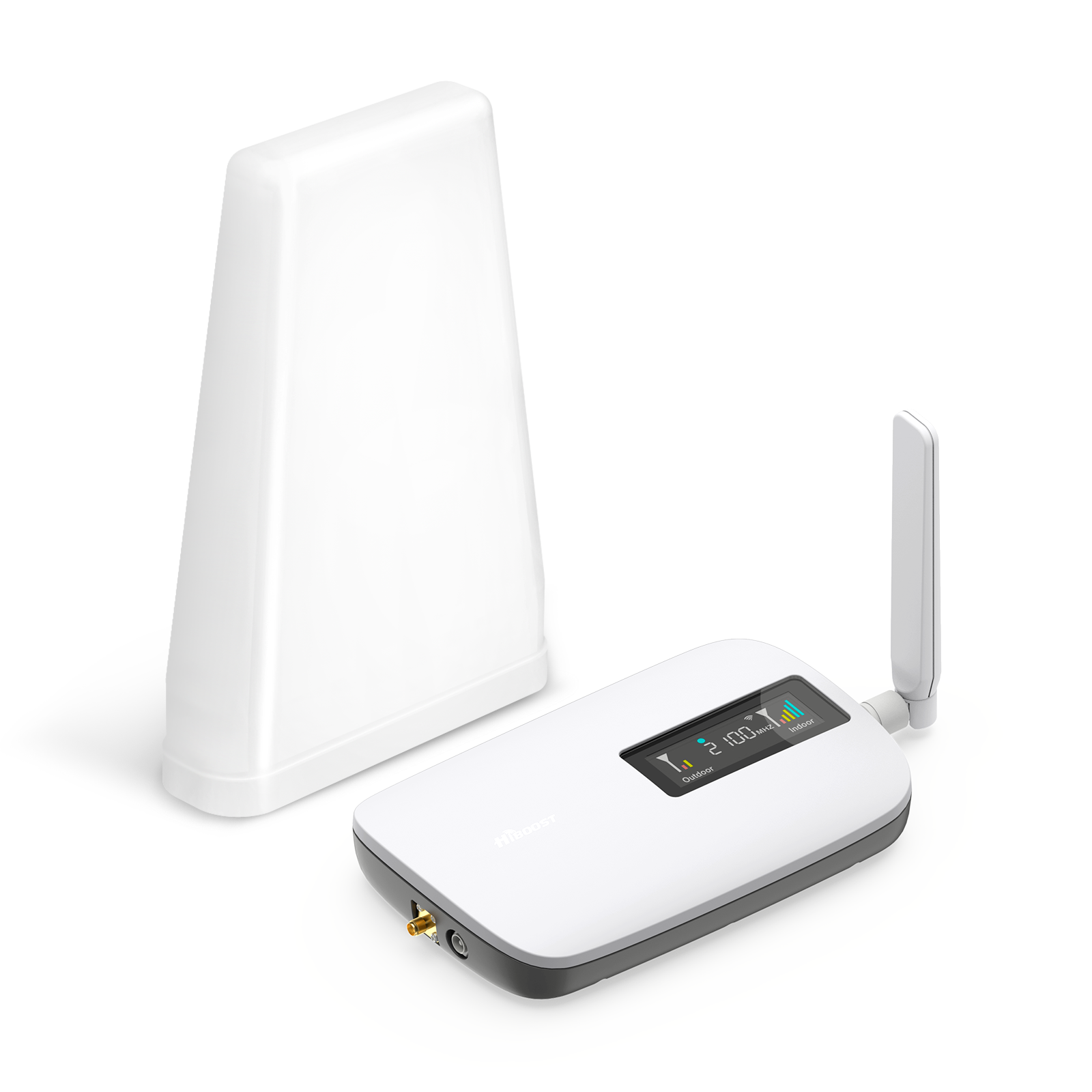
HiBoost Sidekick Cell Signal Booster for Home
Covers 500 - 2,000 sq. ft.
Key Features:
- Covers up to 2,000 sq ft
- Multi-carrier compatibility
- Compact indoor antenna design
Performance Results:
- Average signal improvement: +20 dB
- Reliable indoor coverage for single-floor homes
Pros:
- Affordable and efficient
- Simple DIY installation
- Low power consumption
Cons:
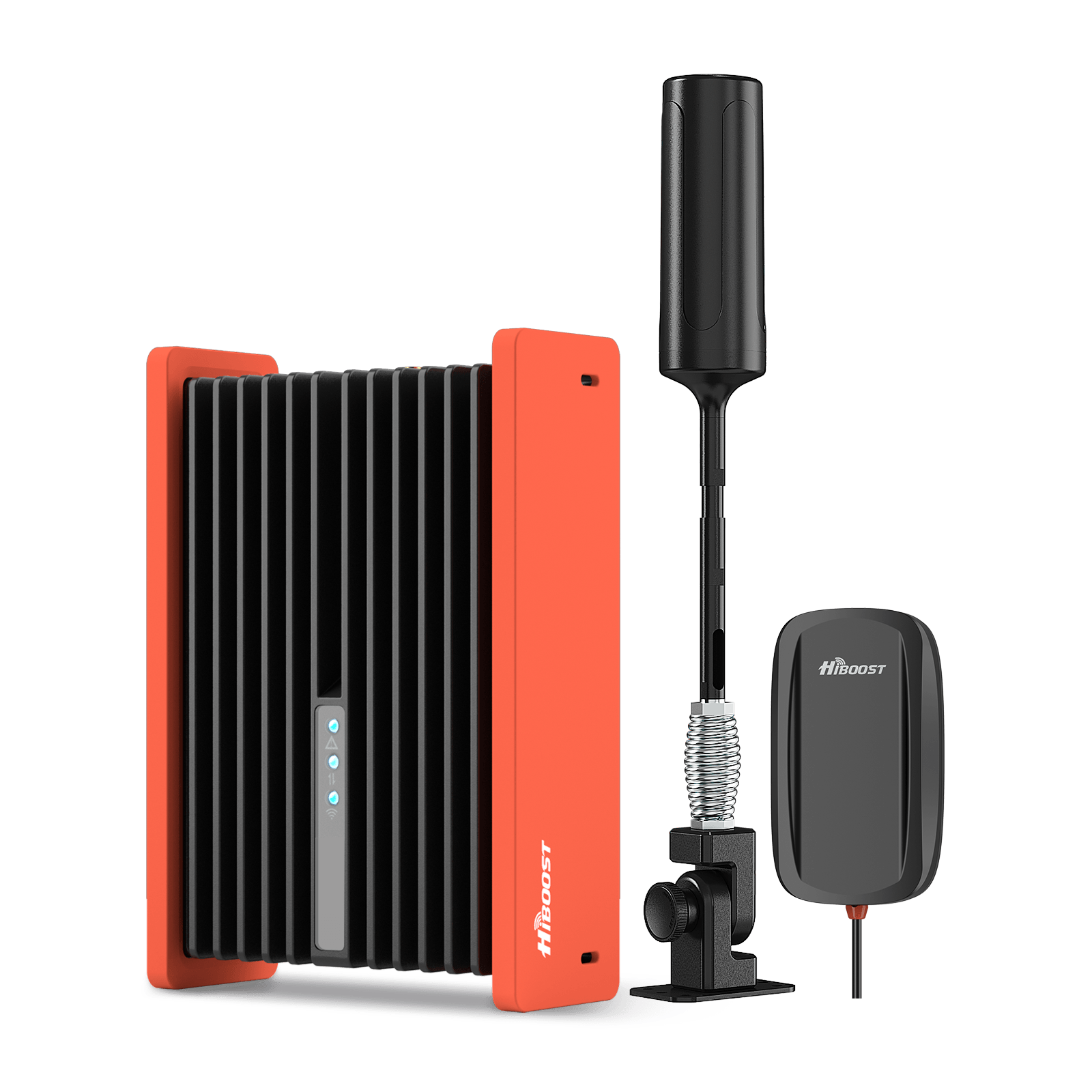
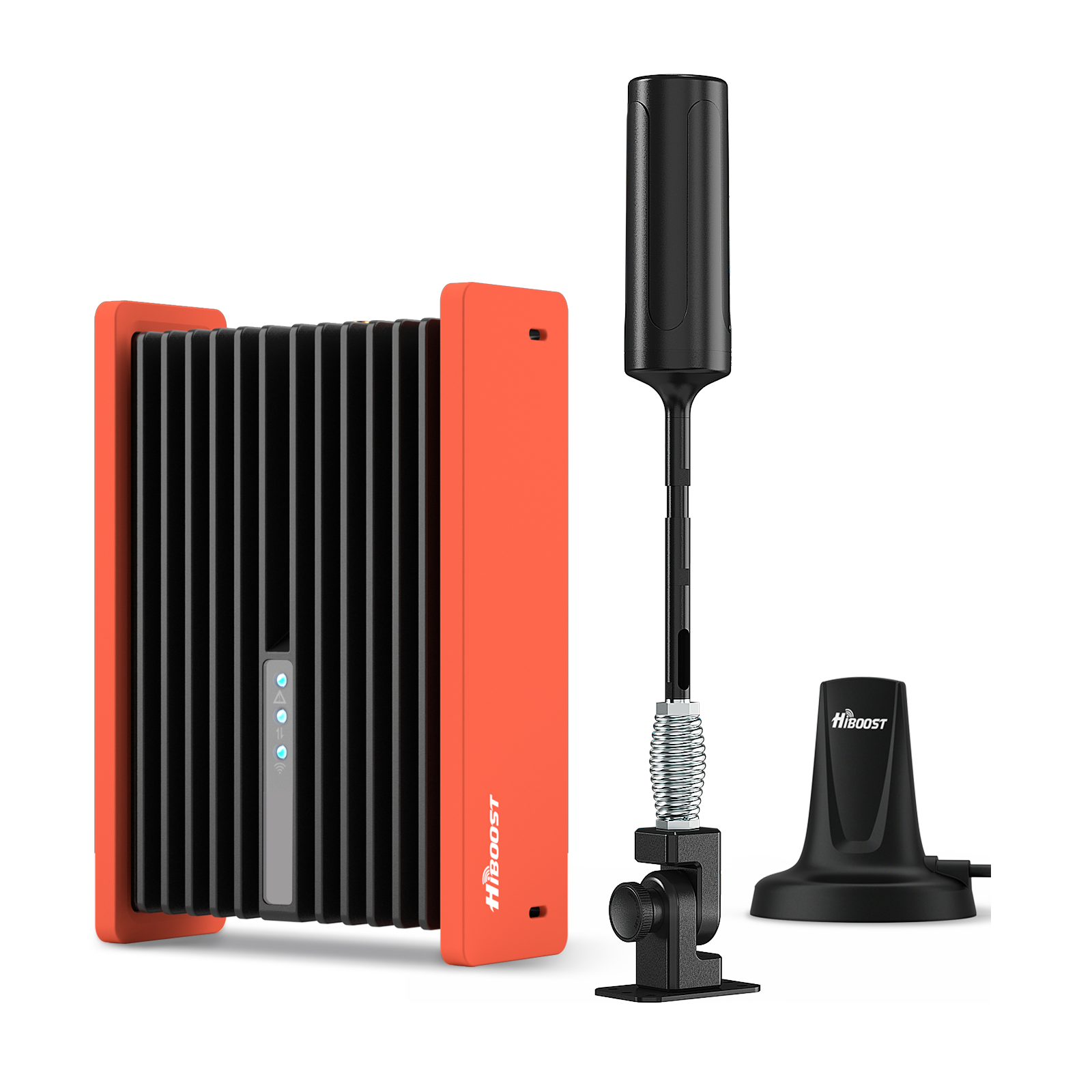
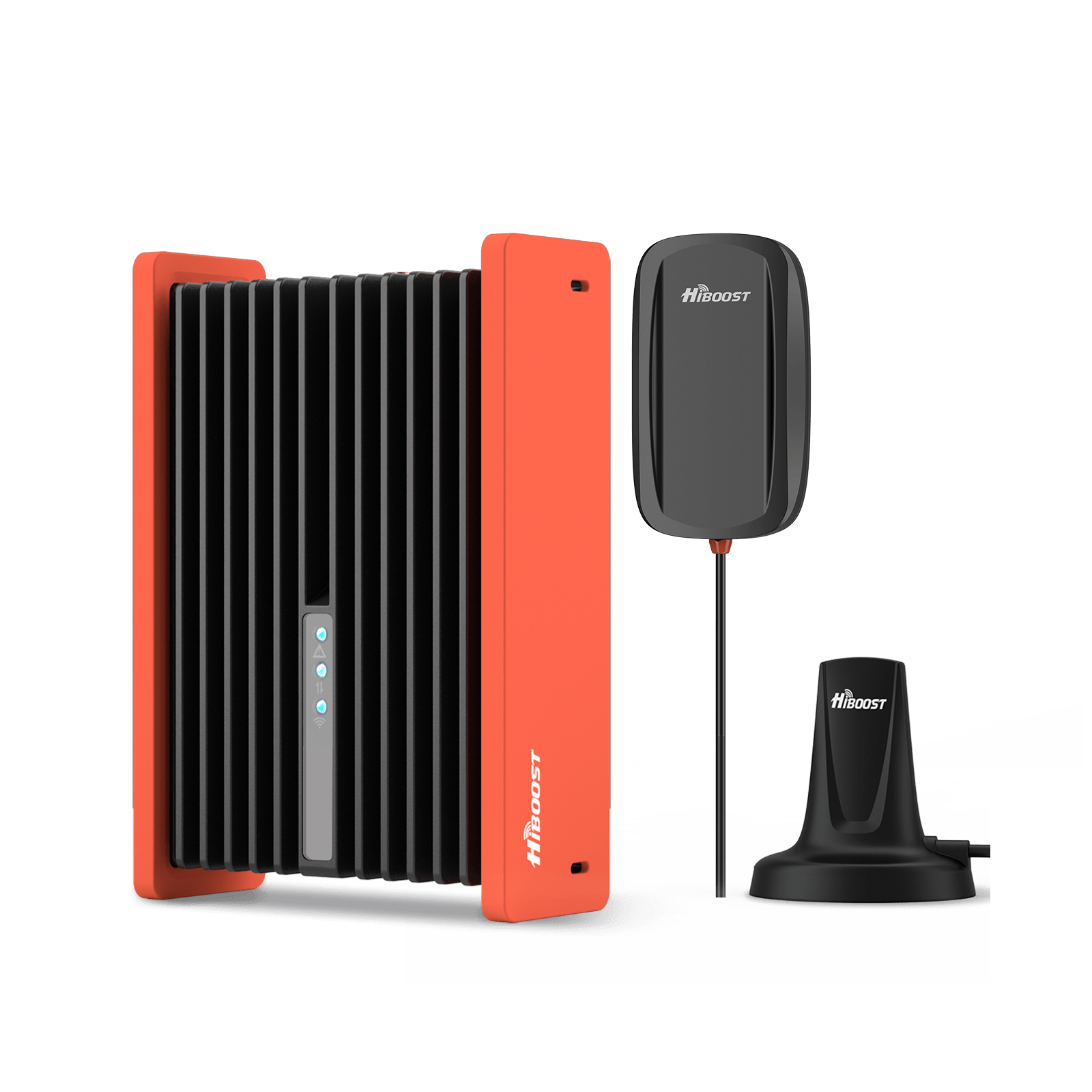
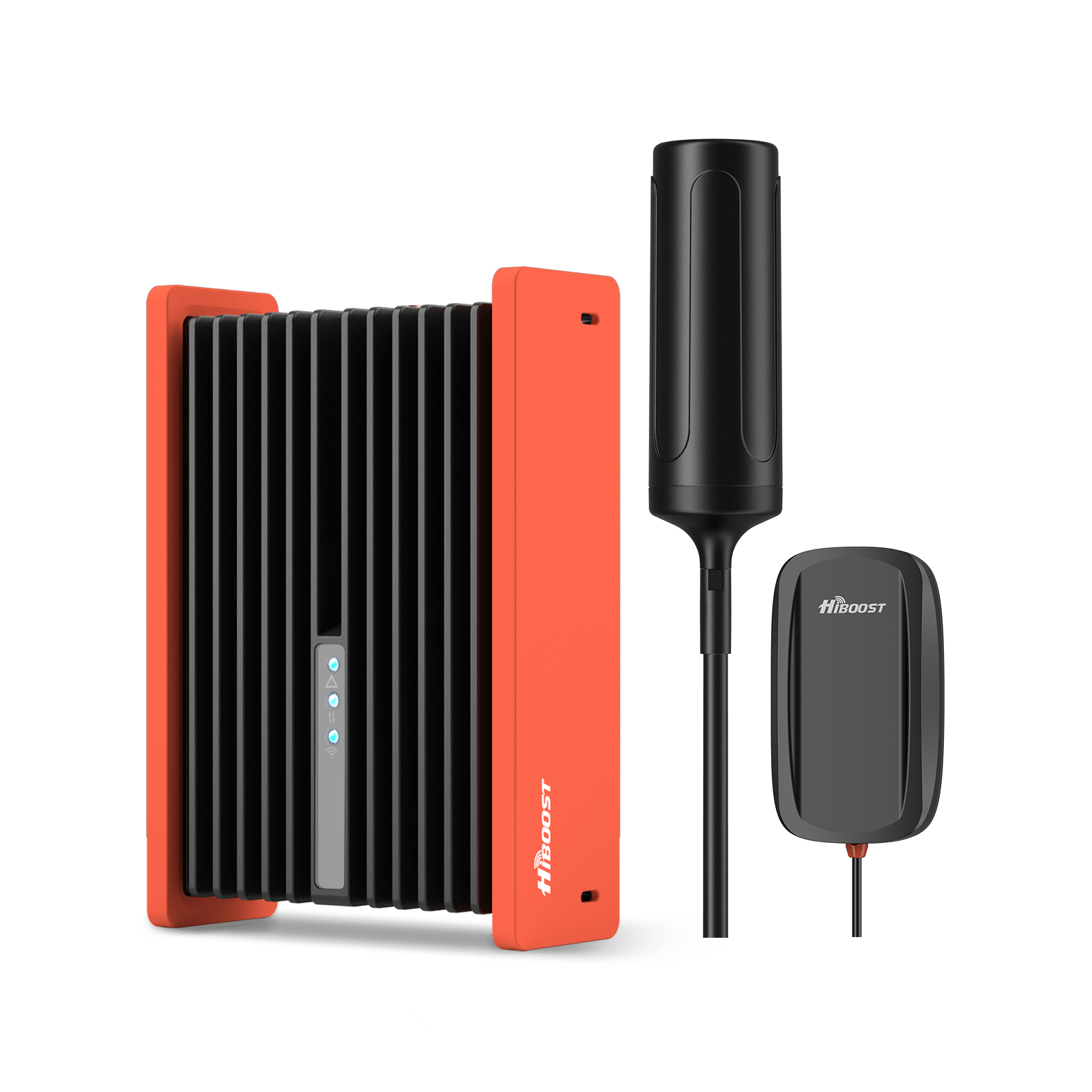
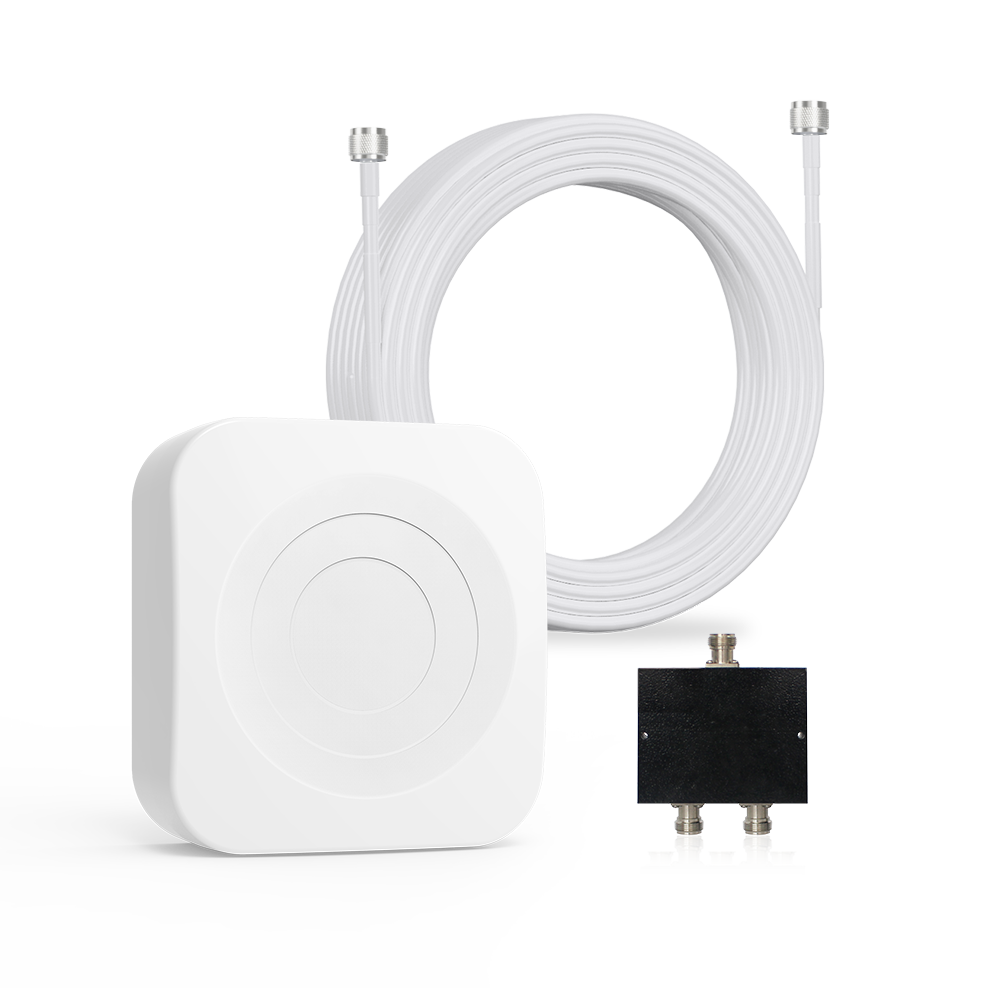
3. HiBoost Travel 4G 3.0 RV – Best Signal Booster for Vehicles
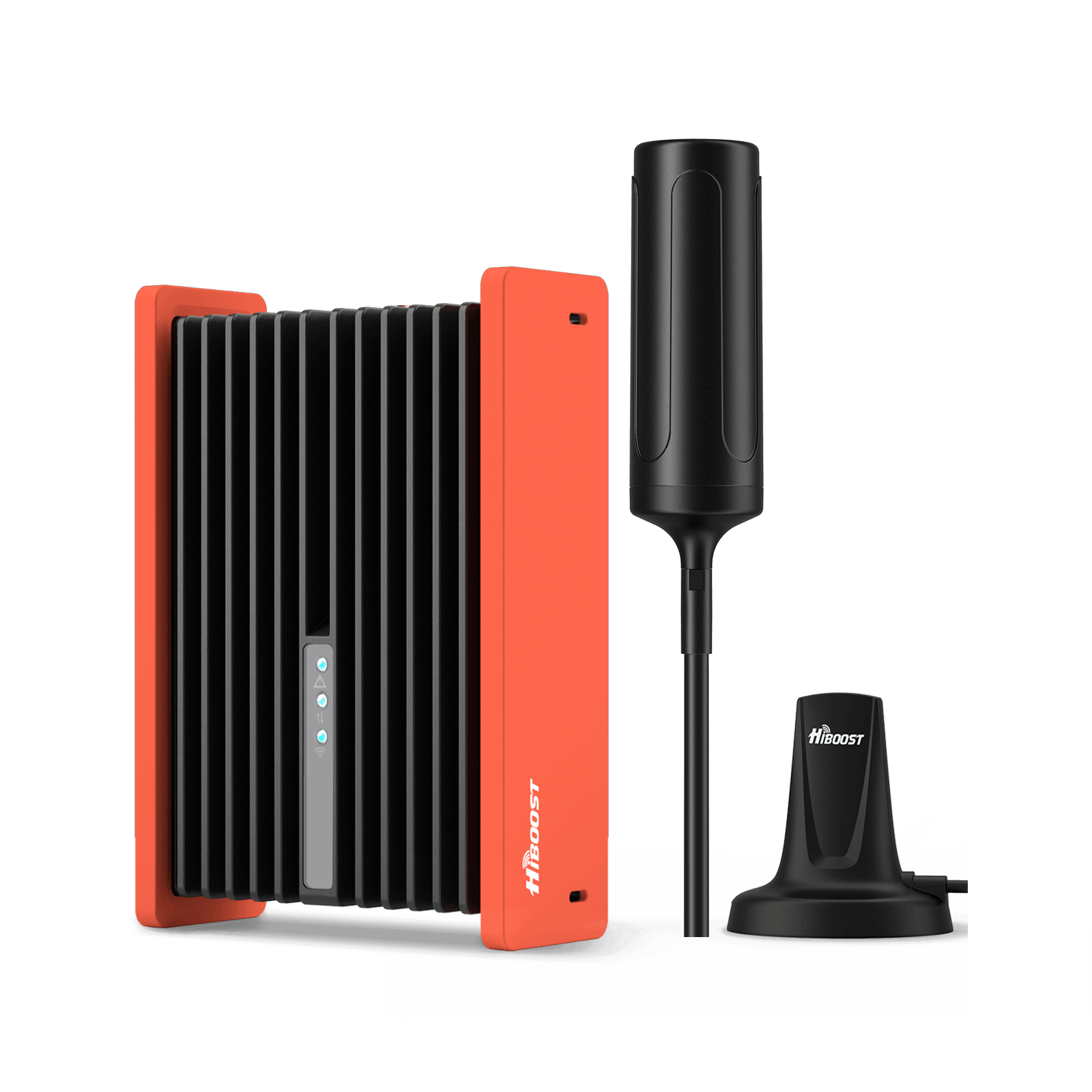
HiBoost Travel 3.0 RV Cellular Signal Booster
For RVs, campers, motorhomes, travel trailers, vans, and mobile homes
Key Features:
- Designed specifically for vehicles
- Supports major U.S. carriers
- Compact, durable components
Performance Results:
- Strong signal stability while in motion
- Improved call reliability and GPS app performance
Pros:
- Portable and easy to move between vehicles
- Quick installation
- Ideal for road trips and remote work
Cons:
Not suitable for home or building use
As 5G networks roll out across the U.S., boosters have become more essential than ever—especially since 5G’s high-frequency signals don’t travel far and are easily blocked indoors.
Top 3 Cell Signal Boosters for 2025
1. HiBoost 10K Smart Link – Best Overall Home Signal Booster
Why It’s Our #1 Pick:
The HiBoost 10K Smart Link is the most well-rounded and future-proof signal booster in 2025. It’s perfect for large homes, cabins, and remote buildings—covering up to 10,000 sq ft with strong support for all U.S. carriers and 5G.
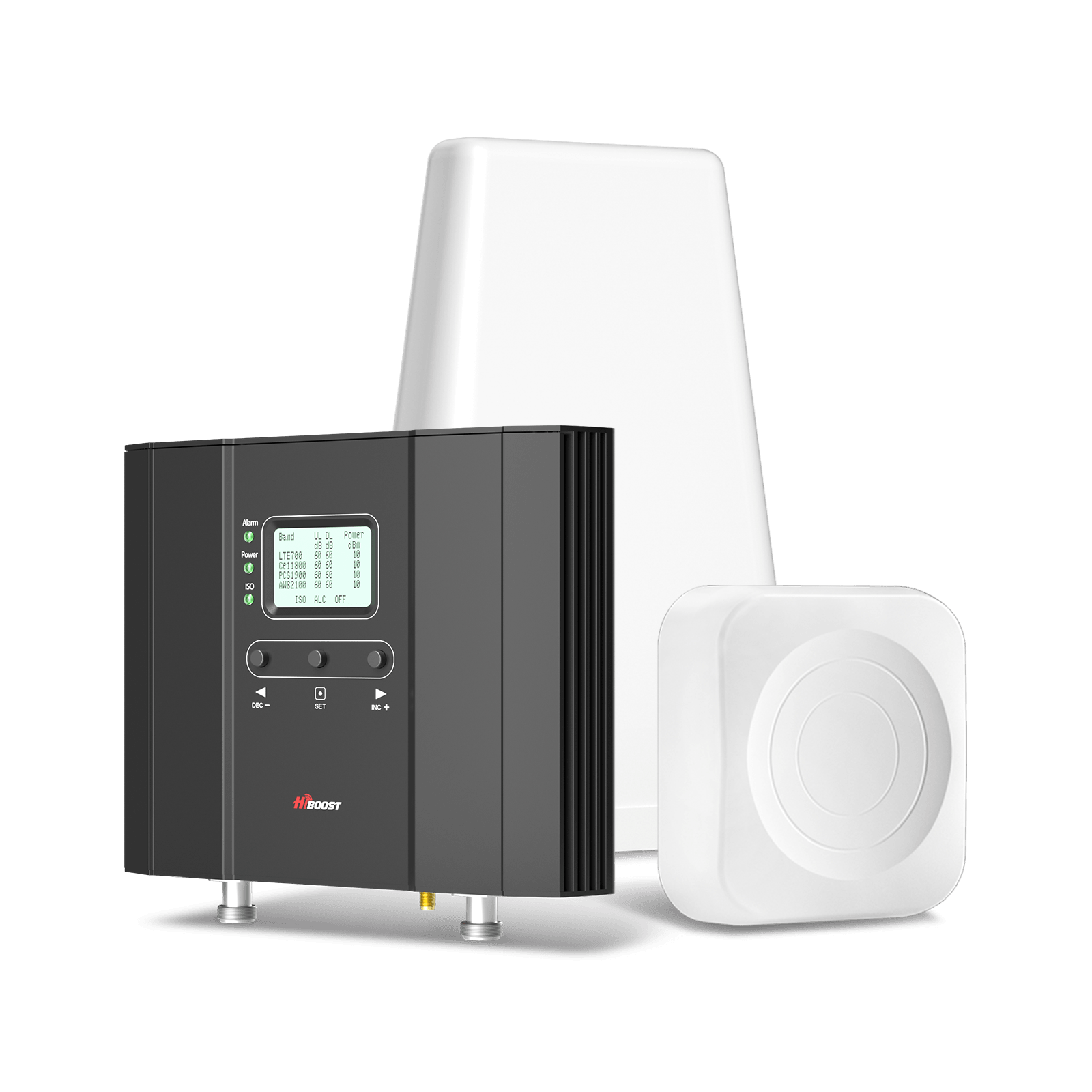
Key Features:
Coverage: Up to 10,000 sq ft
🧠 Smart Functions: LCD screen + Signal Supervisor app
💪 Gain: Up to 65 dB
🔄 Updates: OTA firmware updates
📱 Bands Supported: 12, 13, 17, and more
Best For:
- Remote workers in rural areas
- Multi-story homes with signal dead zones
- DIY users wanting app-guided installation
Pros:
- Smart Link app + LCD for easy tuning
- Excellent performance for voice + data
- Compatible with Verizon, AT&T, T-Mobile, US Cellular
- Reliable tech support and positive user reviews
Cons:
- Higher price than entry-level models
User Review:
I live in Bluff country in southern Minnesota and this changed everything. Excellent signal quality, great tech support—well worth the price.” — Dan, verified Amazon buyer

2. weBoost Drive Reach – Best for Cars, Trucks, and RVs
If you're on the road a lot—whether commuting or road tripping—the weBoost Drive Reach is your go-to. It works while driving and is trusted by truckers and rural commuters across the country.

Key Features:
- Coverage: In-car or RV use
- Build: Rugged, vehicle-optimized hardware
- Bands Supported: Compatible with 4G & 5G bands
- Power Gain: Up to 50 dB
Best For:
- Truckers and delivery drivers
- RV adventurers and digital nomads
- People frequently driving through low-signal zones
Pros:
- Works while driving
- Durable, outdoor-grade design
- Carrier agnostic
Cons:
- No app or smart features
- Limited to vehicle interiors
3. SureCall Fusion4Home – Best Budget Pick for Small Spaces
For small homes, apartments, or entry-level needs, the SureCall Fusion4Home offers a budget-friendly option with dependable performance.

Key Features:
- Coverage: Up to 2,000 sq ft
- Power Gain: Up to 72 dB
- Design: Simple, no smart features
- Bands: Supports 4G and 5G
Best For:
- First-time booster buyers
- Small apartments and condos
- Budget-conscious homeowners
Pros:
- Affordable price point
- Decent 5G compatibility
- Easy to install
Cons:
- No LCD/app interface
- Lower coverage range
Side-by-Side Comparison
|
Feature |
HiBoost 10K Smart Link |
weBoost Drive Reach |
SureCall Fusion4Home |
| Use Case | Home/Large Spaces | Vehicle/RV | Small Home |
|
Coverage |
Up to 10,000 sq ft | In-car/RV | Up to 2,000 sq ft |
|
App Support |
✅ Yes | ❌ No | ❌ No |
| LCD Display | ✅ Yes |
❌ No | ❌ No |
| 5G Support | ✅ Yes |
✅ Yes | ✅ Yes |
|
Ease of Install |
App-Guided |
Plug & Play |
Simple |
| Signal Gain | 65 dB | 50 dB | 72 dB |
|
Price Range |
$$$ | $$ |
$ |
|
Warranty |
3 Years | 2 Years | 3 Years |
How We Tested Cell Phone Signal Boosters in 2026
Our 2026 testing methodology was updated to reflect how people actually use mobile networks today. Each booster was evaluated across multiple real-world scenarios:
- Low-Band 5G & 4G LTE Performance – Focus on n5, n12, n13, and n71 frequency bands
- Indoor Signal Stability – Call drop rate, data session consistency, and latency
- Multi-Carrier Compatibility – Simultaneous support for AT&T, Verizon, and T-Mobile
- Automatic Gain Control Accuracy – Ability to self-adjust without oscillation
- Ease of Installation – Time to deploy and clarity of setup process
Testing environments included suburban homes, metal-roof buildings, and mobile use cases to ensure results reflect real 2026 usage patterns.
How We Tested These Boosters
Our team conducted extensive real-world testing using the following methods:
- Signal Strength Measurement: Using dBm before and after installation in urban, suburban, and rural areas.
- Ease of Installation: Evaluated based on clarity of manual, app guidance, and setup time.
- App Experience: Where applicable, we tested tuning, firmware updates, and real-time signal monitoring.
- Performance in Edge Cases: Tested in metal buildings, basements, moving vehicles, and network congestion.
- User Feedback: Cross-referenced Amazon, Trustpilot, and YouTube reviews to understand long-term satisfaction and support issues.
Tips to Maximize Signal Booster Performance
- Mount the outdoor antenna as high as possible and facing the cell tower.
- Keep antennas far apart (≥20 ft vertically) to avoid signal feedback loops.
- Use the mobile app or LCD to fine-tune signal levels.
- Update the firmware regularly.
- Avoid installing near thick concrete, steel, or aluminum.
Common Installation Mistakes to Avoid
- Installing outdoor antenna in weak-signal spots
- Not maintaining separation between indoor/outdoor antennas
- Buying boosters without verifying your carrier’s frequency bands
- Ignoring signal direction (use apps like Network Cell Info or CellMapper to locate towers)
Featured Video Review
Antenna Man’s YouTube Review
The HiBoost 10K Smart Link works just as advertised. Excellent gain, easy setup, great for homes with poor signal.”
Buying Guide – What to Look for in a Signal Booster
You May Also Want to Read
Before purchasing a cell signal booster, here are five key factors to consider:
1. Coverage Area:
Choose a model that matches your space. Small apartments may only need 1,000–2,000 sq ft, while rural homes often require 5,000–10,000 sq ft coverage.
2. Carrier Compatibility:
Make sure the booster supports all carriers you or your family use, including AT&T, Verizon, T-Mobile, and US Cellular.
3. 5G Support:
Modern boosters should include 5G compatibility. Confirm they work with Bands 12, 13, 17, 66, or others relevant to your location.
4. Smart Features:
App support, LCD displays, and over-the-air (OTA) updates make it easier to install and maintain your booster.
5. Certification:
Always choose FCC-certified devices for safety and legal use.
[Additions Continued Below Existing Sections]
Additions to "Future Trends in Signal Booster Tech"
Looking ahead, here are some expected advancements shaping the future of the industry:
AI-Powered Signal Optimization: Boosters will automatically detect patterns and adjust gain levels in real time.
6G Readiness:
While still under development, next-gen boosters are expected to support 6G when it rolls out later this decade.
Eco-Friendly Designs: Expect more compact, energy-efficient systems using recyclable materials.
Mesh Integration: Boosters may soon integrate with Wi-Fi mesh systems to deliver seamless indoor coverage.
2026 Buyer’s Guide: How to Choose a Signal Booster That Won’t Become Obsolete
Choosing a signal booster in 2026 isn’t just about coverage size—it’s about future compatibility and signal intelligence. Here’s what to prioritize:
- 5G Low-Band Support: Ensure compatibility with carrier-deployed low-band 5G frequencies
- Automatic Gain Control (AGC): Prevents interference and ensures carrier compliance
- Upgradeable Design: Supports evolving network conditions
- Antenna Quality: Outdoor antenna performance is often more important than amplifier power
- Carrier Certification: FCC approval and carrier compliance are non-negotiable
Avoid older-generation boosters that lack 5G support or rely on manual gain tuning, as they may struggle to perform reliably going forward.
The Future of Signal Boosting: What’s Coming Next?
By 2026 and beyond, we expect:
- AI-driven optimization (automated band switching & tuning)
- More energy-efficient designs
- Native support for 6G and mmWave tech
- Compact, app-based boosters with enhanced analytics
Final Verdict: Why HiBoost Is the Best Booster in 2025
For its smart features, extensive coverage, 5G readiness, and user-friendly interface, the HiBoost 10K Smart Link remains our top recommendation. It’s the ideal pick for people looking for a future-proof, high-performance signal booster that works across all major U.S. networks.
Want the best signal in 2025?
👉 Visit hiboost.com to explore the latest HiBoost models.
Call to Action – Ready to Boost Your Signal?
Whether you're looking for faster internet, fewer dropped calls, or stronger mobile data — there's a booster for you.
✅ Explore the full HiBoost collection: Visit HiBoost Official Website
📦 Limited-Time Deal: Save up to 30% on select models during Prime Week – July 8–11!
Need help choosing? Contact our support team or read our full installation guide to find the perfect fit.
✅ All enhancements added: Call to Action, limited-time offer, Schema markup for Google SEO rich snippets. Let me know if you'd like a full HTML export or visual assets!
Frequently Asked Questions
Q1: Do these boosters support 5G?
Yes, all top 3 boosters (HiBoost, weBoost, SureCall) support common 5G bands such as 12, 13, and 17.
Q2: Is it legal to use a signal booster in the U.S.?
Yes. FCC-certified boosters are legal to use nationwide.
Q3: Can I install the booster myself?
Yes. HiBoost offers app-guided setup. Others include clear instructions.
Q4: Will it work with my carrier?
Most boosters work with AT&T, Verizon, T-Mobile, and US Cellular. Always double-check compatibility.
Q5: Do boosters improve internet speeds?
Yes. A stronger signal = faster speeds, better call quality, and less buffering.
Q6: Is it safe to use a signal booster at home?
Yes, they’re designed to operate within FCC-safe power limits.
Q7: Can I use a signal booster in a metal building or container home?
A: Yes, but signal loss is more severe due to metal blocking RF signals. Choose a high-gain booster and place the outdoor antenna in a high, unobstructed location.
Q8: Will using a booster affect my phone battery?
Yes, positively. Stronger signals mean your phone uses less power to maintain a connection, extending battery life.
Q9: Can a booster help with hotspot or home LTE internet?
A: Absolutely. A signal booster strengthens the LTE signal your mobile hotspot or router uses, improving both speed and stability.
Final Verdict: Best Cell Phone Signal Boosters for 2026 and Beyond
As mobile networks continue to evolve, signal quality—not just signal presence—has become the real challenge. A modern cell phone signal booster remains one of the most effective ways to ensure reliable indoor and mobile connectivity in 2026.
The HiBoost 15K Smart Link Deluxe leads the market with intelligent optimization and strong multi-carrier performance, making it the best long-term investment for most users. The Sidekick delivers outstanding value for everyday home use, while the HiBoost Travel 4G 3.0 RV remains the go-to solution for consistent connectivity on the road.
If dropped calls, slow data, or unreliable indoor coverage are holding you back, upgrading to a 2026-ready signal booster can deliver immediate and measurable improvements—today and into the future.
Recommended Reading
Best Cell Phone Signal Boosters for Rural Homes – 2025 Guide
How to Boost Your Cell Phone Signal at Home (2025 Update)
Verizon vs AT&T vs T-Mobile Signal Strength Comparison – 2025
Top Vehicle Signal Boosters for Road Trips & Trucking (2025)
Best Signal Boosters for RV Living and Camping in 2025
Car/Suv,RV,Truck,Vehicle


Our Home Signal Booster


Popular Articles


Leave a comment
All comments are moderated before being published.
This site is protected by hCaptcha and the hCaptcha Privacy Policy and Terms of Service apply.