
Do your calls suddenly drop during the drives on the highway? And also your GPS stops working whenever you need to find directions in a hurry and especially when you need them in emergency situations.
Most of the people also reported that their cell phone works well outside the vehicle but the signals become very weak when they enter it. All over the United States it is a common problem for the drivers.
So the trucks and cars also stop the cell signals. The signals become very weak when you drive away from the cell towers in the rural areas or in the mountains. It causes call drops, slower data speed, and also the applications stop working.
This guide will help you in learning how correctly a car signal booster works, what each of its parts work, and also the real-world examples of how a vehicle cell phone booster can help in improving the cell signals received in the vehicle. In the end, you will be assured that a booster is the best solution for you.
Why Is Cell Signal So Weak Inside a Car?
Why the signals become weaker, is the first question and next it will be explained how boosters work.

1. Metal Body Creates a “Faraday Cage” Effect
Because most of the cars are made of metal. So the metal stops and reflects the radio signals. It is an effect known as the “Faraday Cage” effect. Simply explaining that your car works like a barrier and stops the outside signals from coming in easily.
Your phone can show three to four bars as you stay out of your car. But the bars will drop to one or two as you sit in it and close the doors. The reason is that the signals are blocked by the metallic vehicle body.
2. Distance from Cell Towers
The cell phones are connected to the nearest towers. So the more far away you are from the tower the signals become weaker. It is more common in mountain areas, deserts, highways, and rural areas.
As an example, a driver going from rural Arizona has started with signals showing three to four bars. The signals may drop to one bar or even it can be a “No Service”, after entering a valley area. The rocks and hills block the signals and they don’t reach the phone.
3. Network Congestion on the Road
Most of the time the signal is weak, the reason is not the distance but most of the people are using the same tower.
It happens in heavy traffic areas, sports events, concerts, and especially during the rush hours. The network slows down as hundreds and thousands of the devices connect to one tower. Even if your cell phone is showing the bars but still your data speed can be slower.
Because of all of these problems, the drivers search for a reliable way to improve the signal receiving in the vehicle.
What is a Car Cell Phone Booster? - Do I Need One?

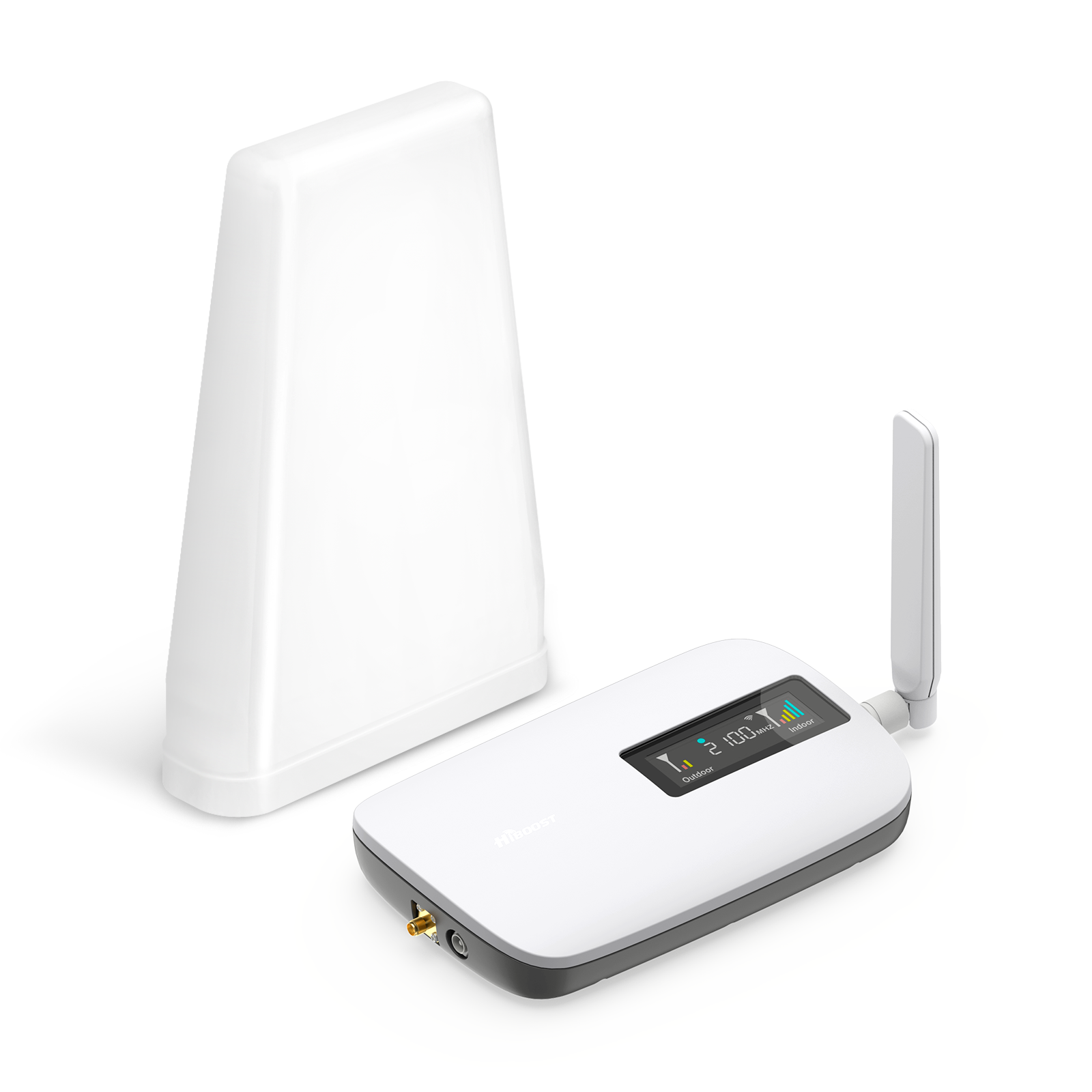
A device that catches the weak signals from outside of your vehicle like RVs, Vans, Cars, or Trucks, then makes them strong and rebroadcasts it inside your vehicle is known as a call cell phone booster.
This booster works with all big carriers of the United States and also supports voice calls, text messages and mobile data. Most of the boosters are high in quality and also FCC certified which makes them legal and safe to use all over the United States of America.
A vehicle cell phone booster works on the real radio signals, it is not like the software tricks and different applications. It strengthens the real connection with the nearest cell tower to your cell phone.
How Do Car Cell Phone Boosters Work? (Step-by-Step Breakdown)

A car signal booster’s working is explained here in these simple steps Just note this signal flow:
Cell Tower Outside Antenna Amplifier Inside Antenna Your Phone
Step 1 - The Outside Antenna Captures Weak Signal

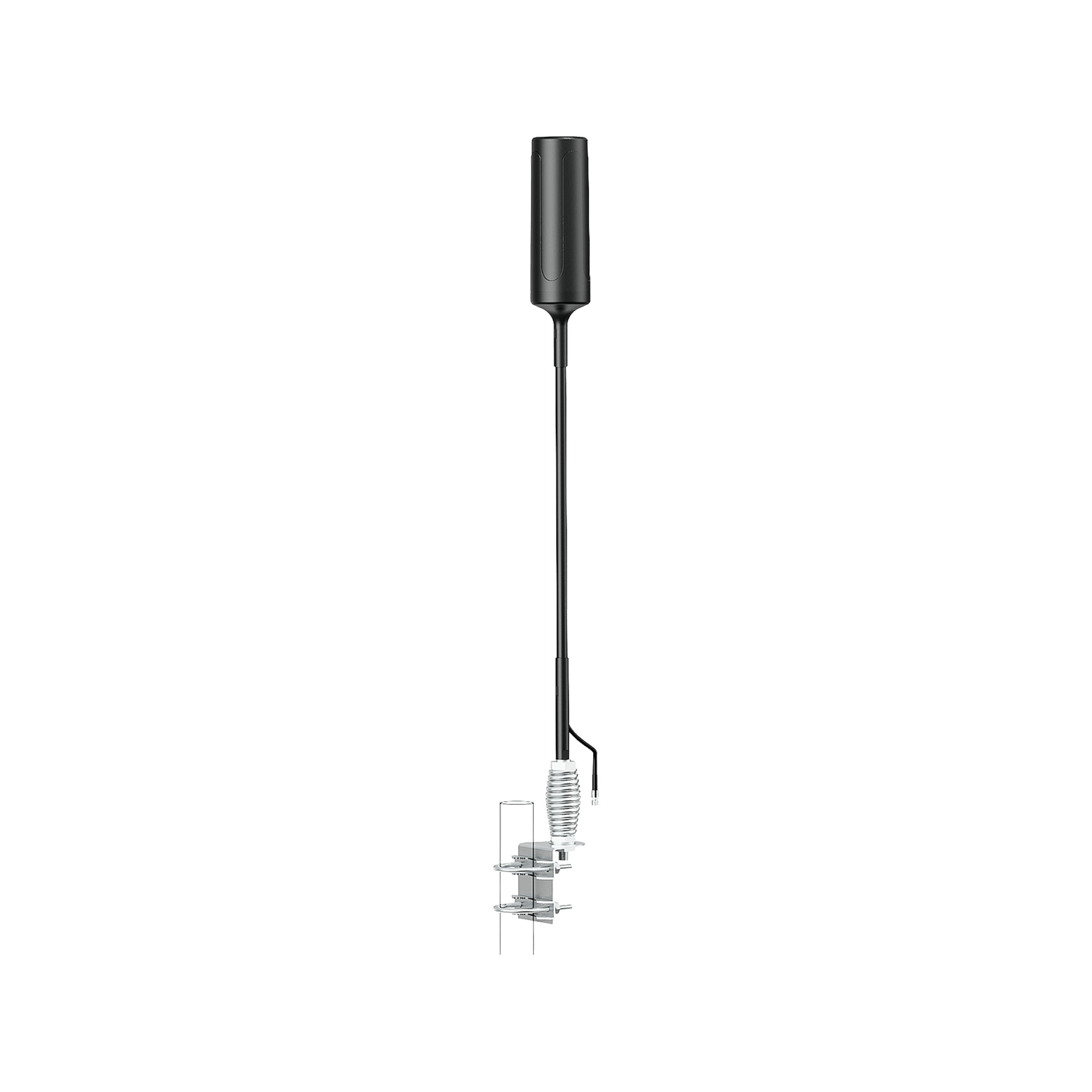
Usually with a magnetic mount, the outside antenna is set on the roof of your vehicle. Where the signals are stronger, this antenna reaches outside the metallic body of the vehicle.
How Signal Strength is Measured
We can discuss the numbers for now. The cell signal strength is measured in dBm (decibel-milliwatts). The signals will be stronger as the number is closer to the zero.
- Excellent signal = -50 dBm
- Good signal = -85 dBm
- Weak signal = -110 dBm
- Very weak signal or unusable signal = -120 dBm
Network engineers also analyze metrics such as SINR (Signal-to-interference-plus-Noise ratio) and RSRP to evaluate overall network quality and stability.
While being in the car and without a booster, your cell phone may receive the -110 dBm signal, and they are very weak signals. Placed outside the metallic body of the vehicle, the outside antenna can catch like -95 dBm, which are good signals. And these stronger signals are sent to the amplifier next.
Step 2 - The Amplifier Boosts the Signal

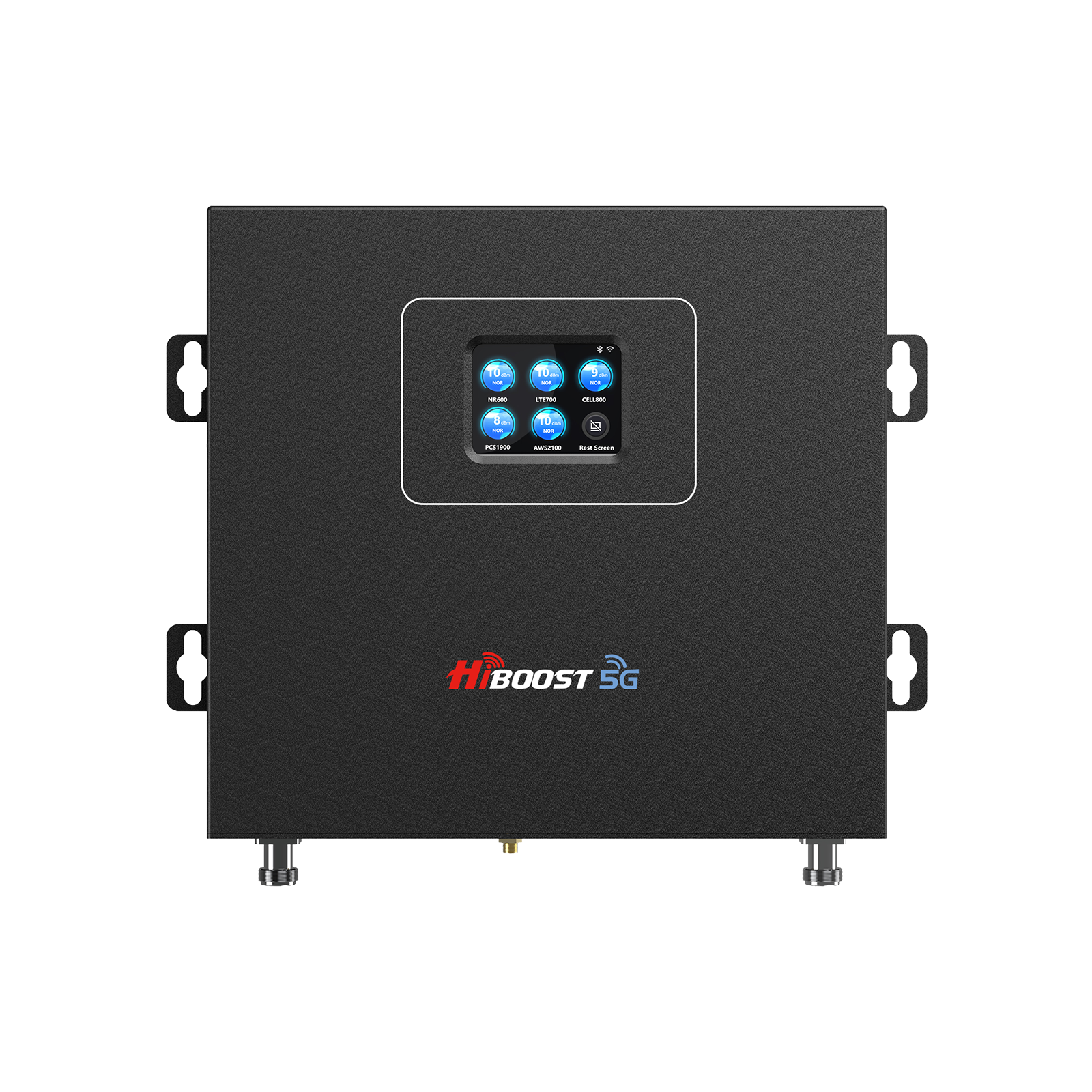
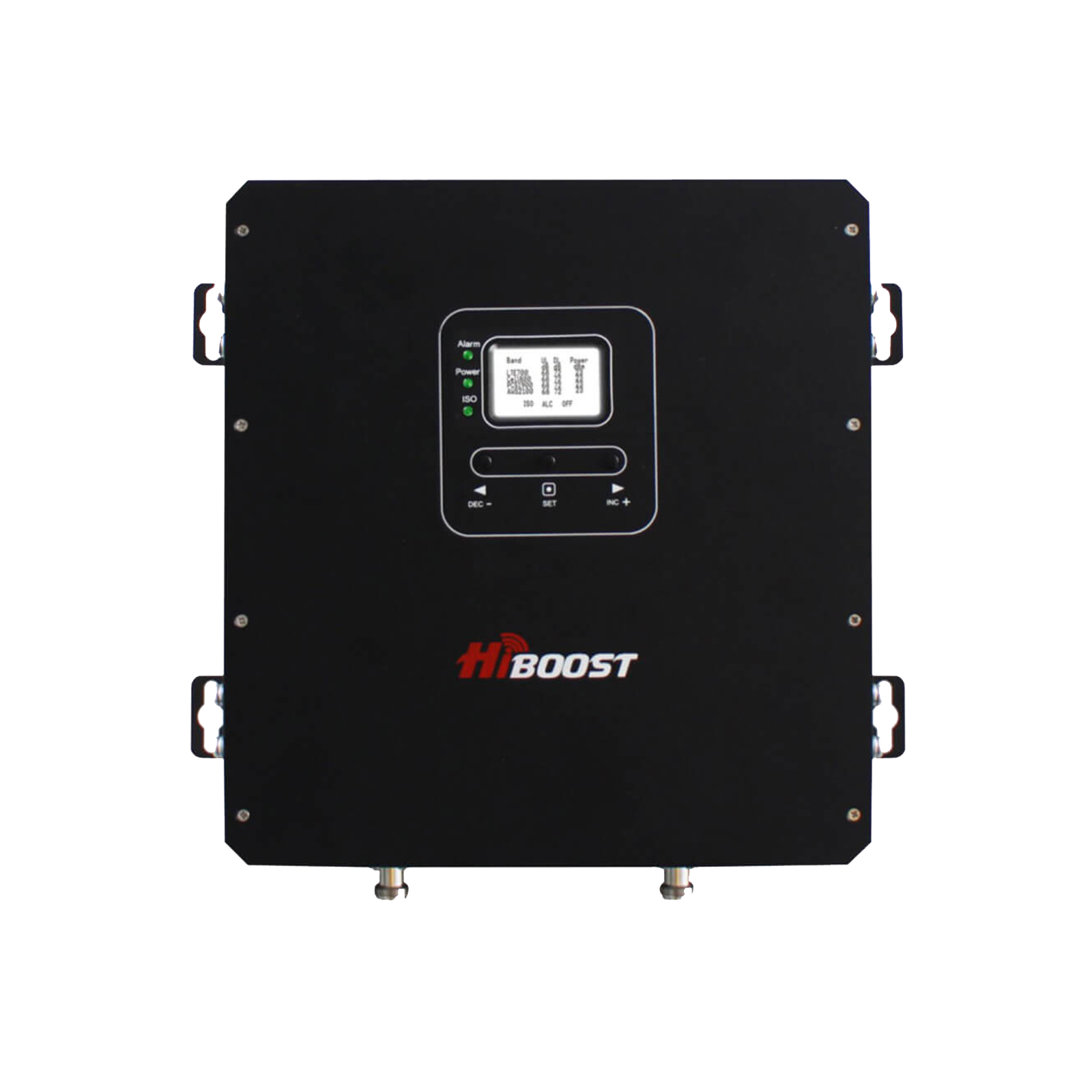
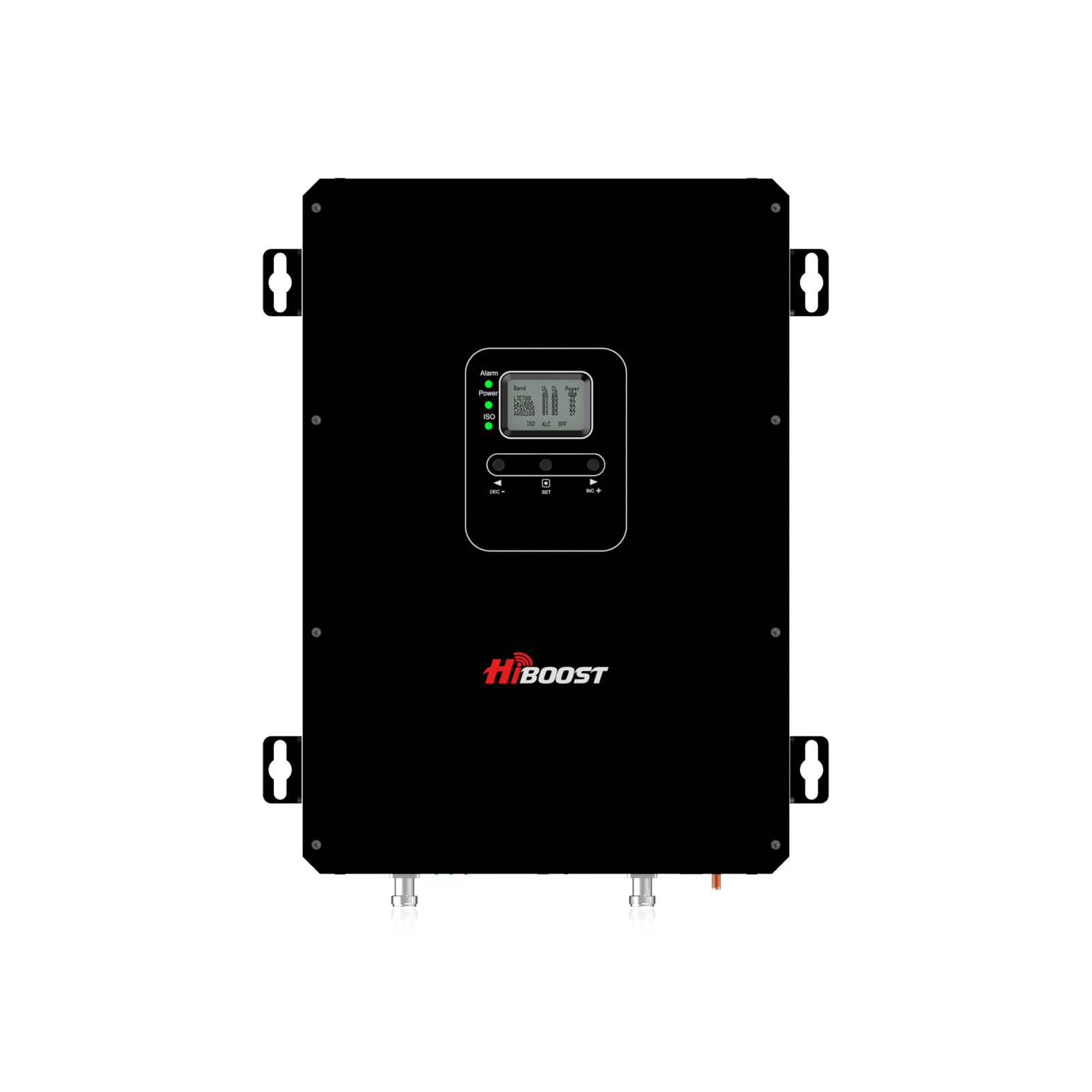
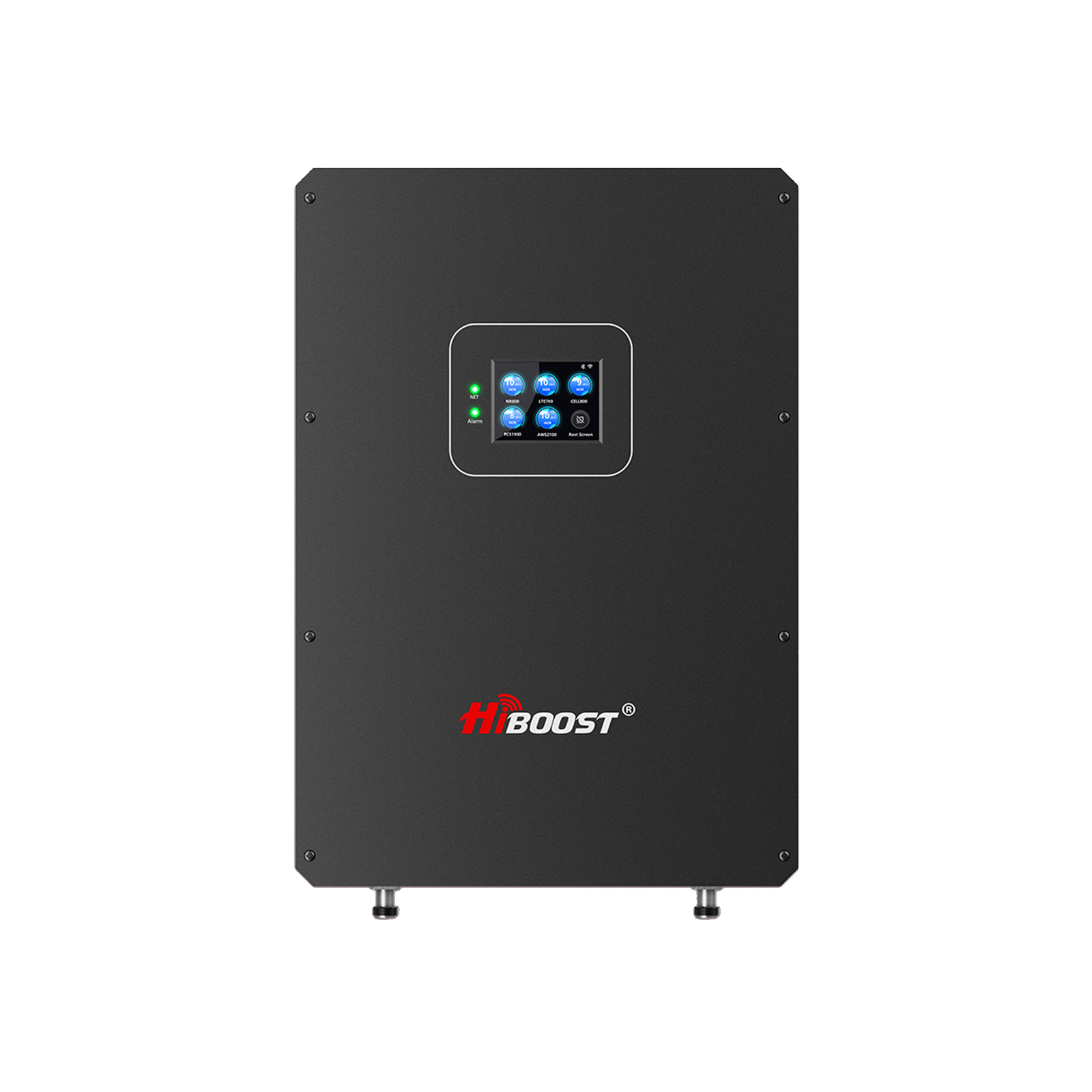
The main unit of the car signal booster is an amplifier. Captured by the outside antenna, it takes the weak signal and boosts them up to the gain levels allowed by the FCC.
The amplifier does not just make the signal stronger. It also reduces the interference and cleans up the noise. A more usable and stable connection is created.
From your phone and back to the tower, it boosts outgoing signals at the same time. It aids the tower to listen to your cell phone more clearly by decreasing the call dropping.
Step 3 - The Inside Antenna Rebroadcasts Strong Signal
The signals are sent to the antenna placed inside, after the process of amplification. Inside your vehicle, this antenna broadcasts the improved signals.
Instead of copping with the weak signals that are outside, your phone connects to these stronger signals.
With more stable connection while on a drive, it also improves the quality of the calls and makes the data speed faster.
Real-World Performance Examples
Real-world performance related scenarios are here that helped the drivers with HiBoost models.
Long-Distance Truck Driver
Traveling in rural Nevada, a truck driver named Eric, who usually drives on long routes within the state where the signals drop to even one bar or no service, disturbs. His phone showed the -112 dBm in most of the areas around there.
With a powerful antenna specially made for the trucks, after the installation of a HiBoost Travel 3.0 Truck Cell Booster model, the signals got stronger in most of the weak areas like -85 dBm.
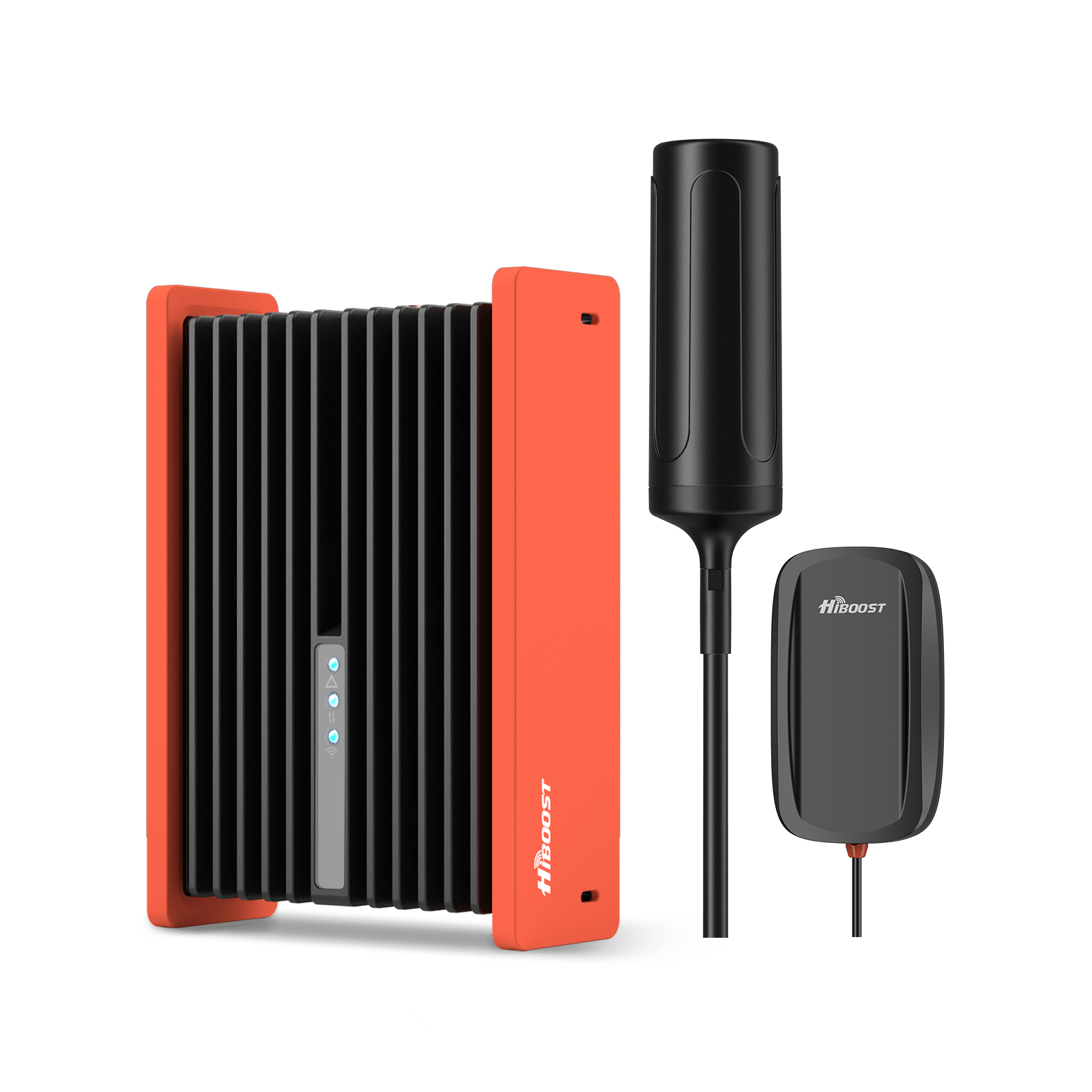
The results came with stable phone calls, better dispatch communications, and connected GPS. A strong vehicle cell phone booster can really create a big change for the drivers who have to communicate continuously.
Family Road Trip in Mountain Area
Driving in the rocky mountains, Bari’s family faced a problem of navigation. During that trip, the kids could not watch the videos, and the google maps also stopped working. Inside the SUV, the signal dropped to one bar only.
Especially designed for the multi-user vehicle, after the installation of a HiBoost car signal booster, they noticed an increase in the signal strength up to three to four bars in the weak areas.
The streaming got smooth with no buffering anymore, applications loaded much faster, and the navigation also became fast. The best choice for the vans and especially for family SUV, are multi-device HiBoost models.
Rideshare Driver in Urban Dead Zones
Working in the downtown areas, a rideshare driver, Kakoli Chakraborty faced different types of trouble. The tall buildings caused signal reflections and urban dead zones. The calls dropped and the ride requests failed to refresh, even with bars on the screen.
The driver experienced more stable LTE performance, after the installation of a compact HiBoost vehicle cell phone booster. The calls dropping stopped and the ride requests loaded faster.
Especially for the rideshare drivers who depend on the applications for their work all day, their earnings can increase by the improved download and upload speeds.
BEST Cell Phone Signal Booster for 2026? REVIEW and TEST HiBoost to the Rescue!
The famous YouTuber Hiker J is a hiker and educates people about the must-to-have and best hiking and camping gears. Here’s what was his experience with HiBoost Travel 3.0 RV:
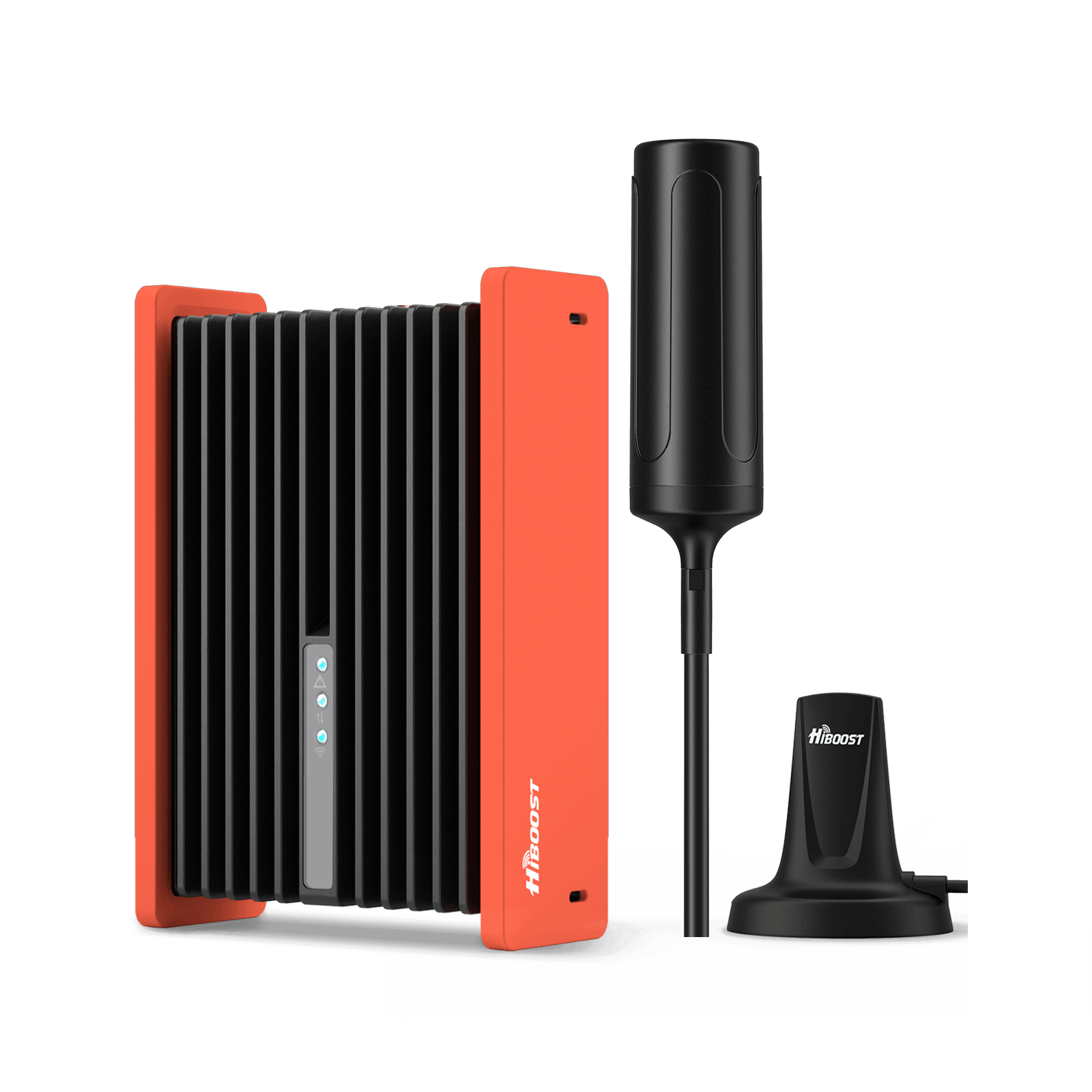
HiBoost Travel 3.0 RV Cellular Signal Booster
For RVs, campers, motorhomes, travel trailers, vans, and mobile homes
To Explore and Book Your HiBoost on Discounted Price with Free Delivery, Click the Button Below:
How Much Can a Car Signal Booster Improve Signal?
In the place where there are absolutely zero signals, a booster cannot create the signal but it can improve the weak signals. A booster cannot even create one signal, if there is no catchable signal outside your vehicle.
Existing weak signals in the areas, the improvements include these:
- One to three bars increased
- Signal strength improved by 2 to 4 times
- Less dropped calls
- More stronger upload performance
The improvement in signals from unusable -85 dBm to -112 dBm can be noticed.
The major improvements can be noticed in suburban areas with weak signals, mountain roads, and rural highways.
How to Test Signal Improvement
To evaluate signal improvement, users should measure signal strength before and after installation using a phone’s field test mode or signal monitoring apps. Multiple tests should be taken in different locations. These could be inside a building, in the basement and outside the building. You can then compare the dBm values and call quality.
Improvements can be verified through faster data speeds, fewer to no dropped calls, and stronger LTE/5G indicators. Consistent testing helps confirm whether the booster is positioned and functioning correctly.
How Boosters Affect Multiple Devices
A properly installed signal booster amplifies the cellular signal for all compatible devices within the coverage area, not just a single phone just like a WiFi device. This means smartphones, tablets, and cellular-enabled IoT devices can all benefit simultaneously.
The boosted signal improves both downlink (tower to device) and uplink (device to tower) signal communication. However, the total capacity is still shared among devices, so extremely heavy usage may slightly reduce individual performance.
What Are the Main Components of a Vehicle Signal Booster?
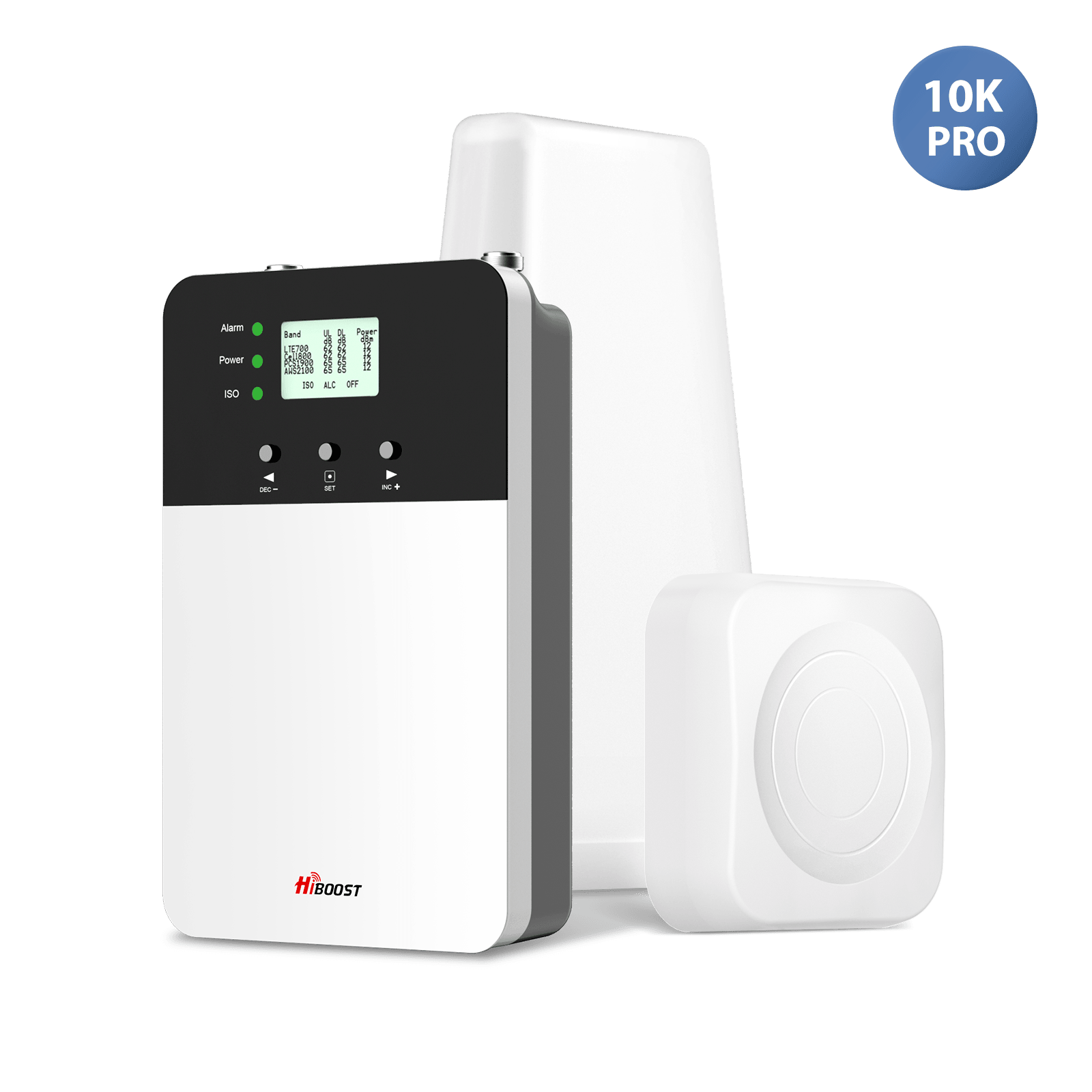
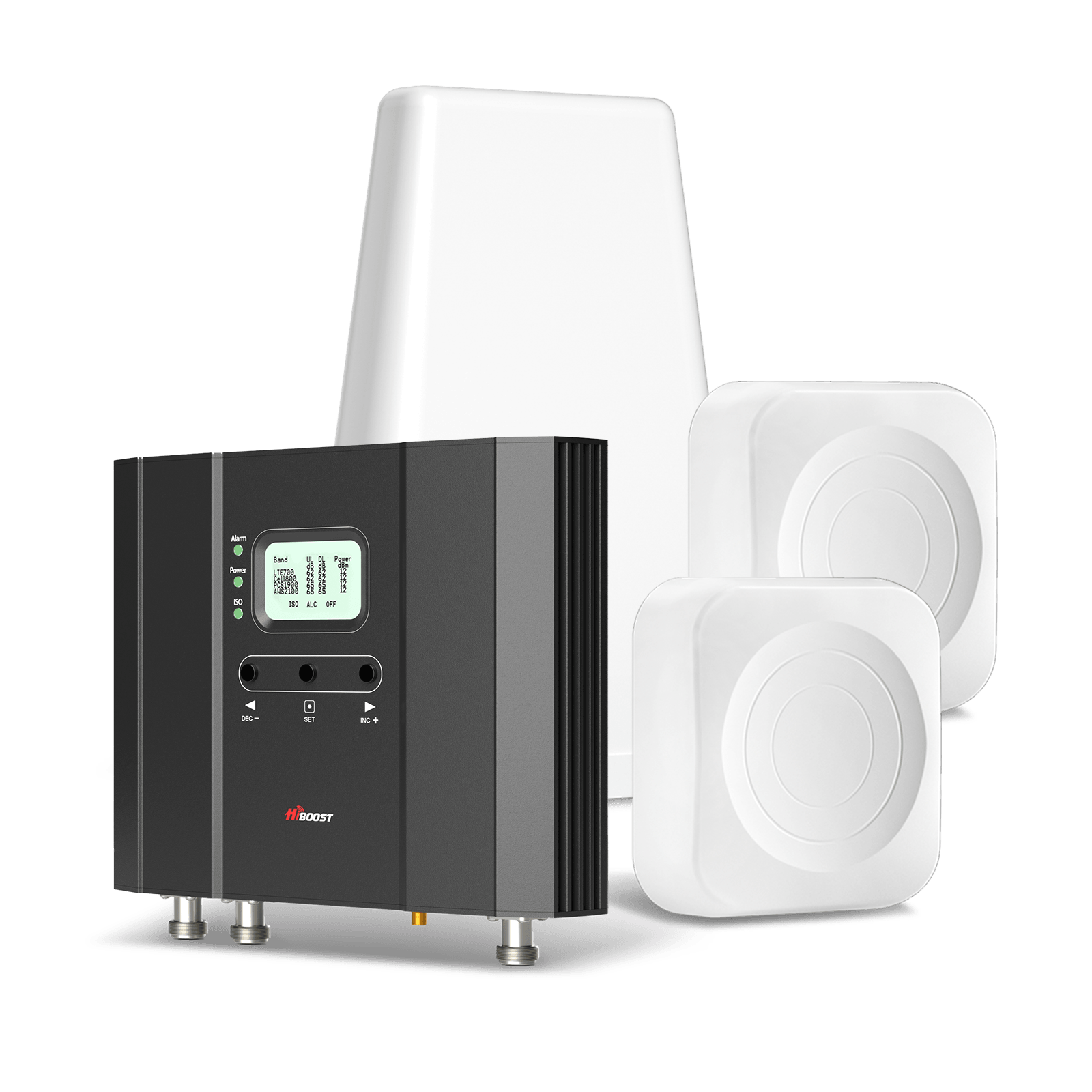
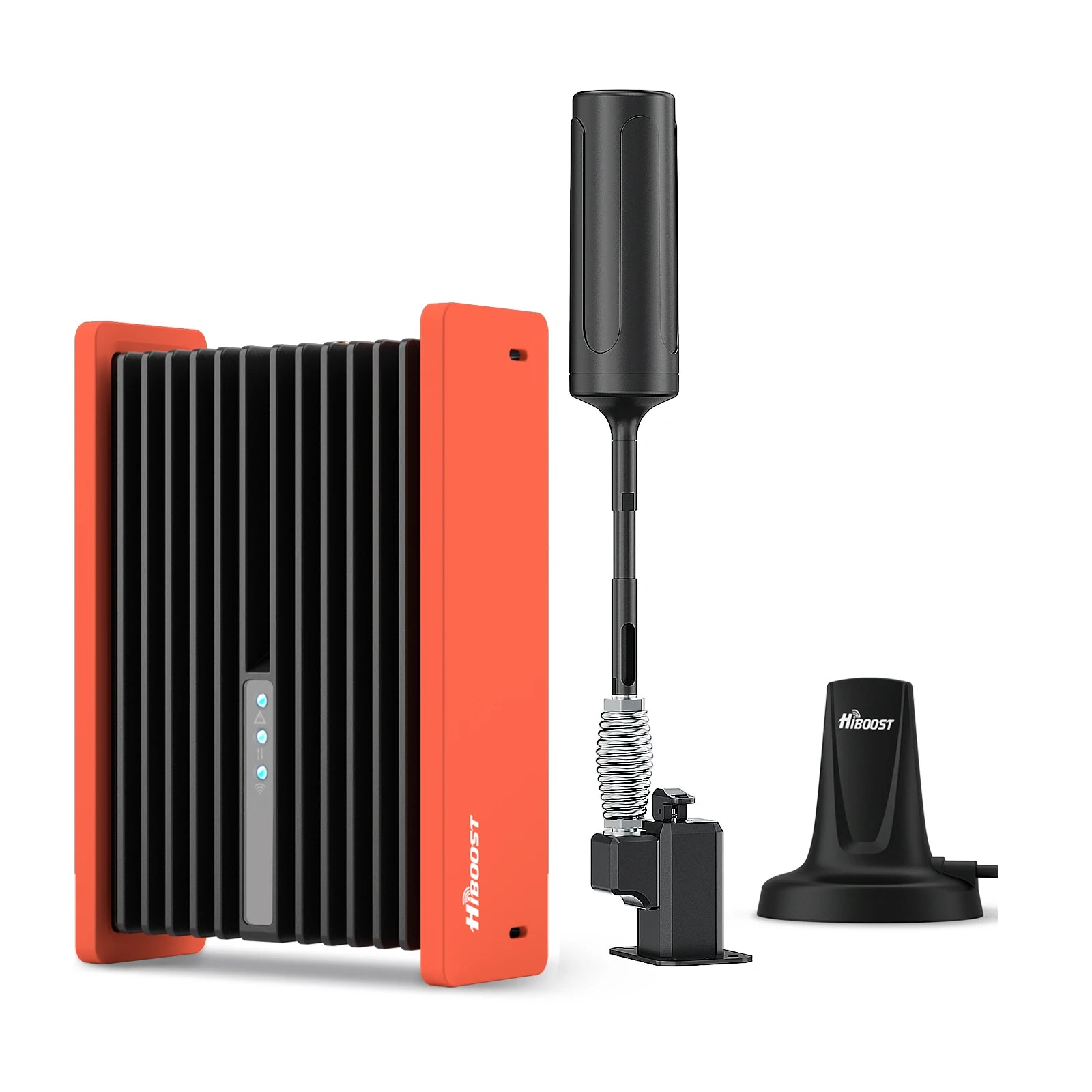
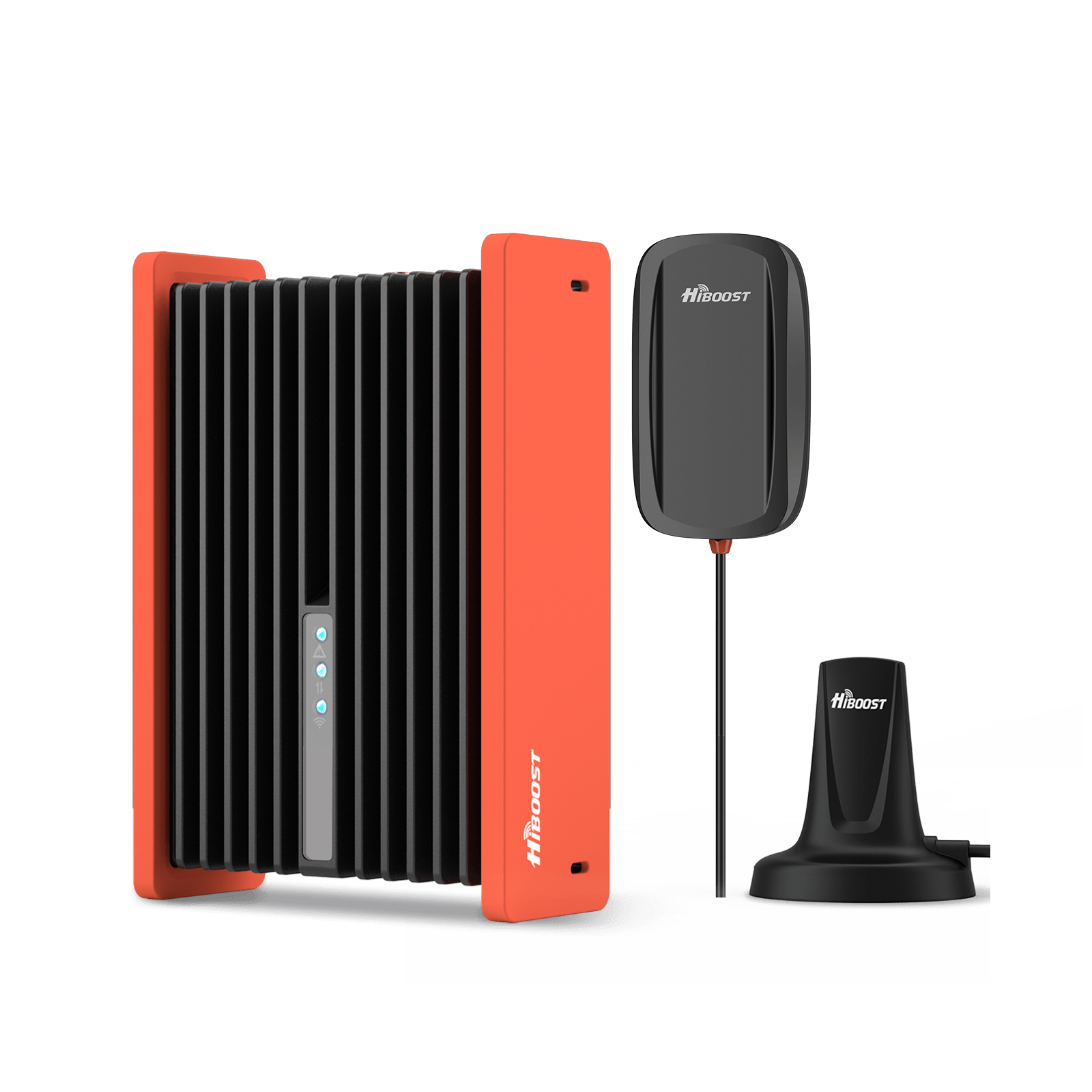
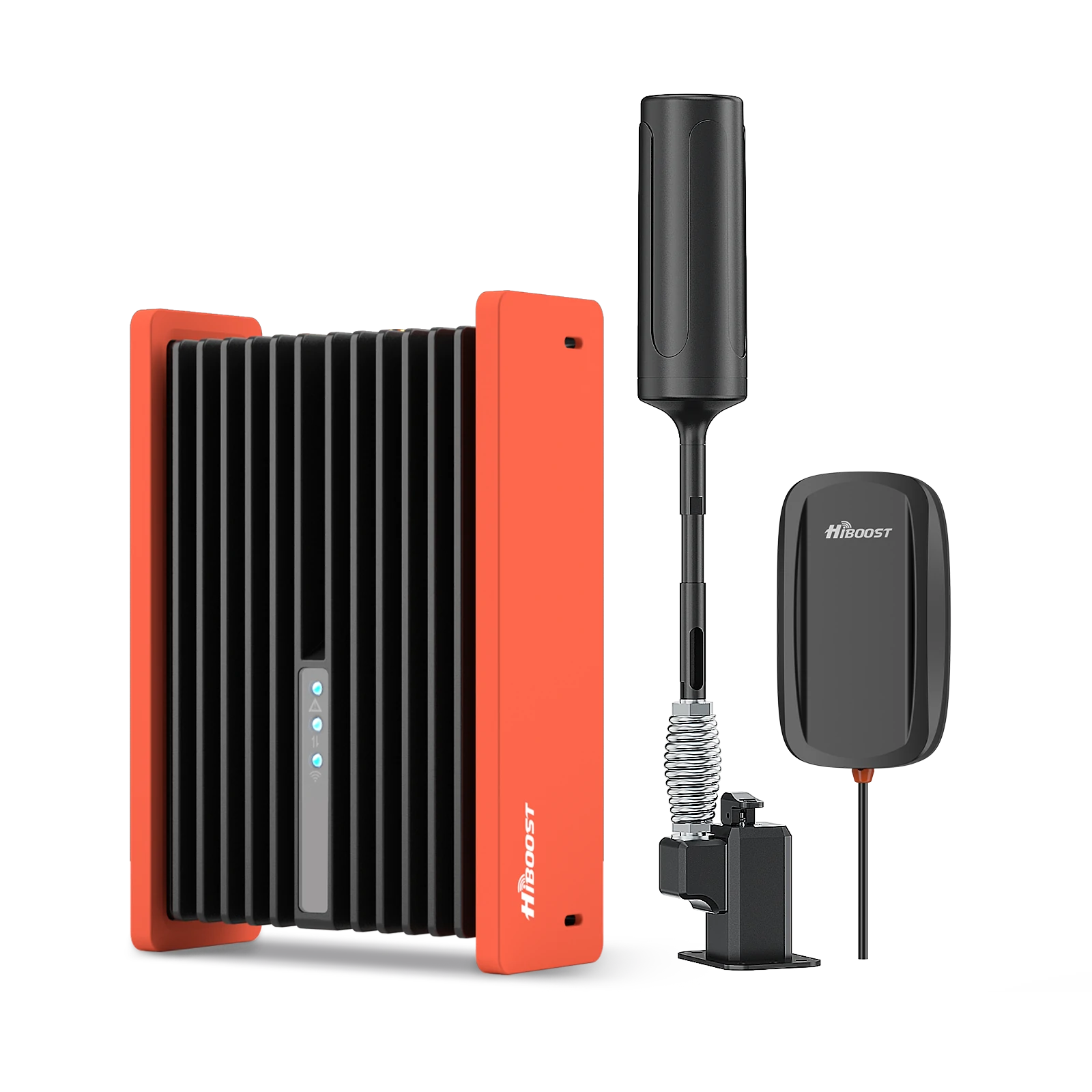
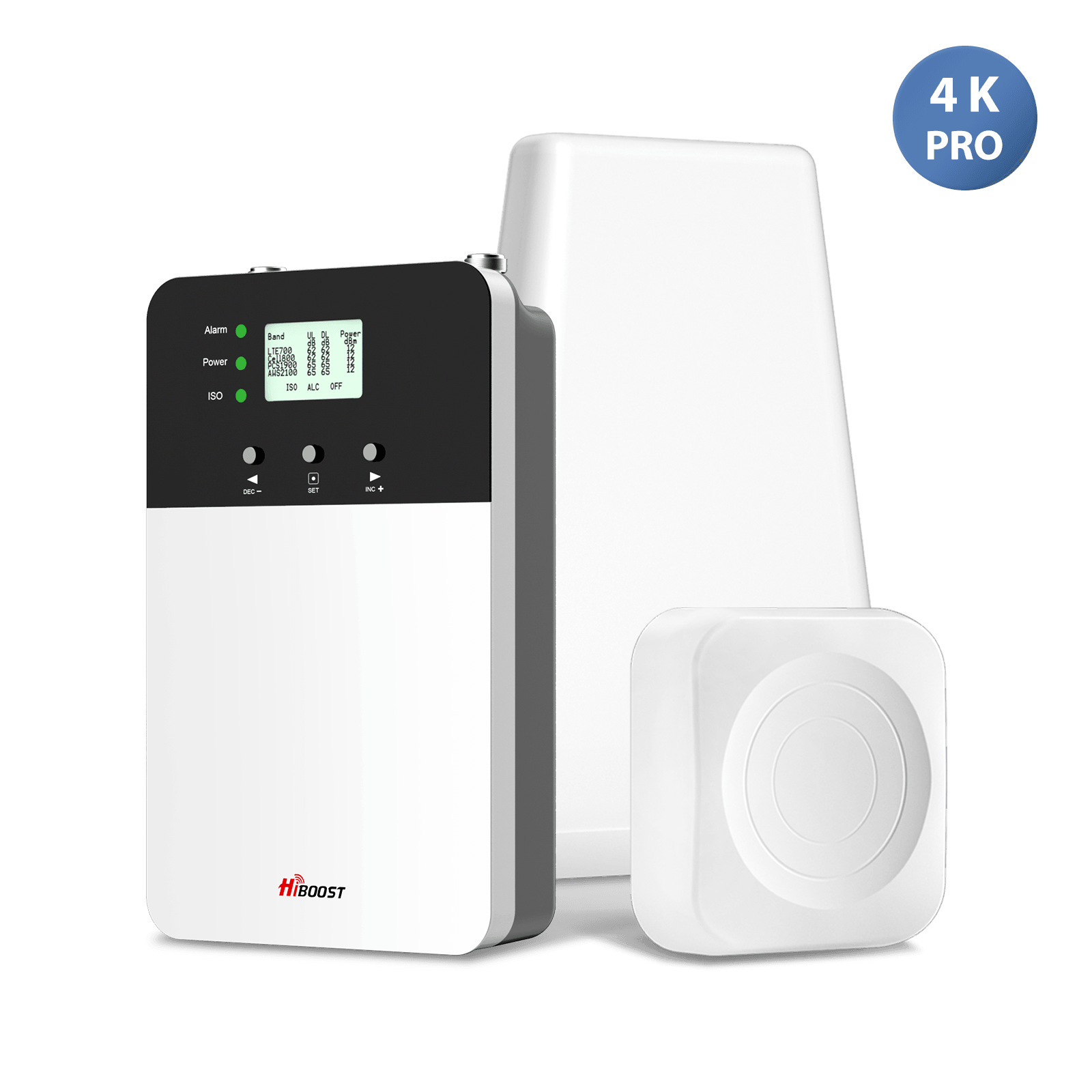
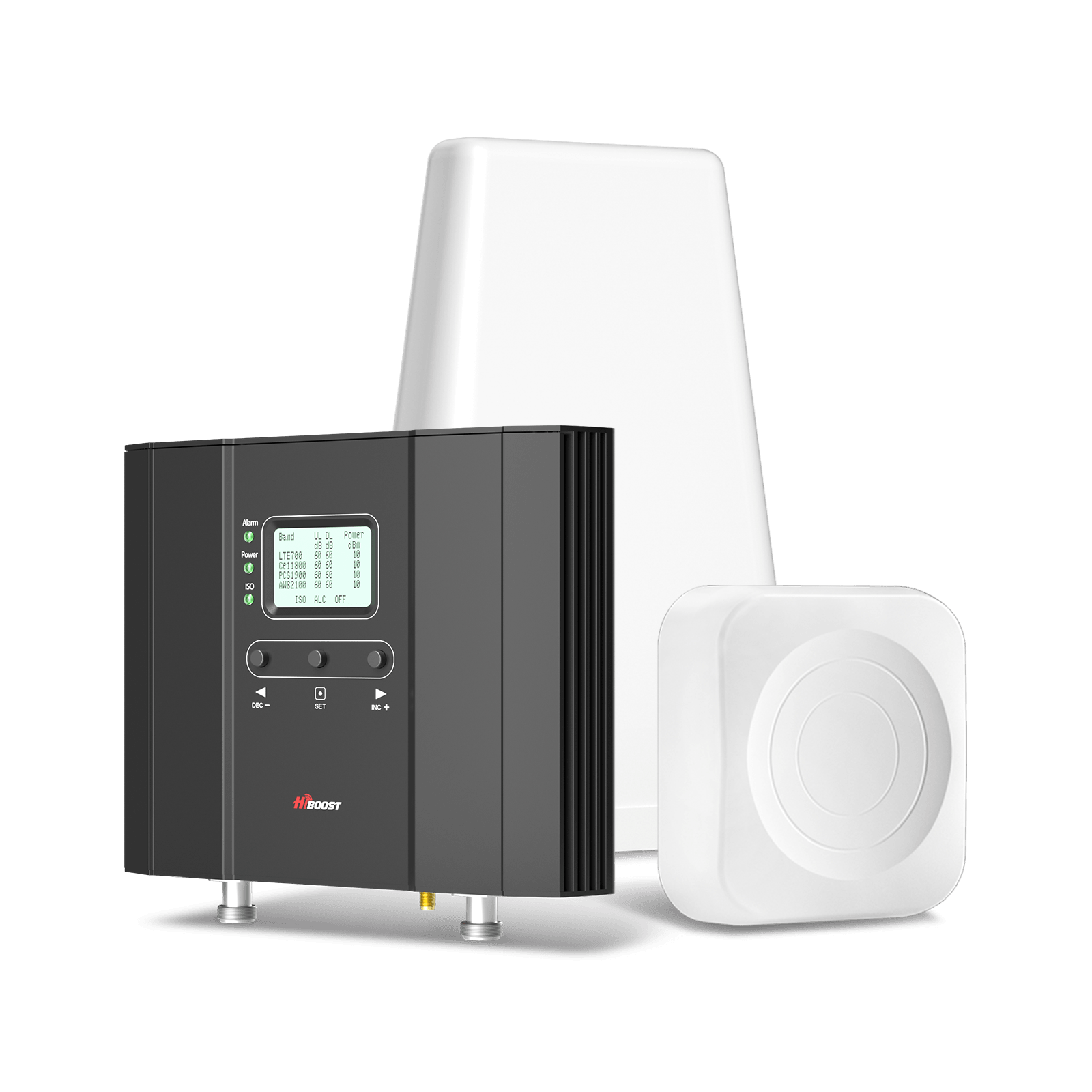
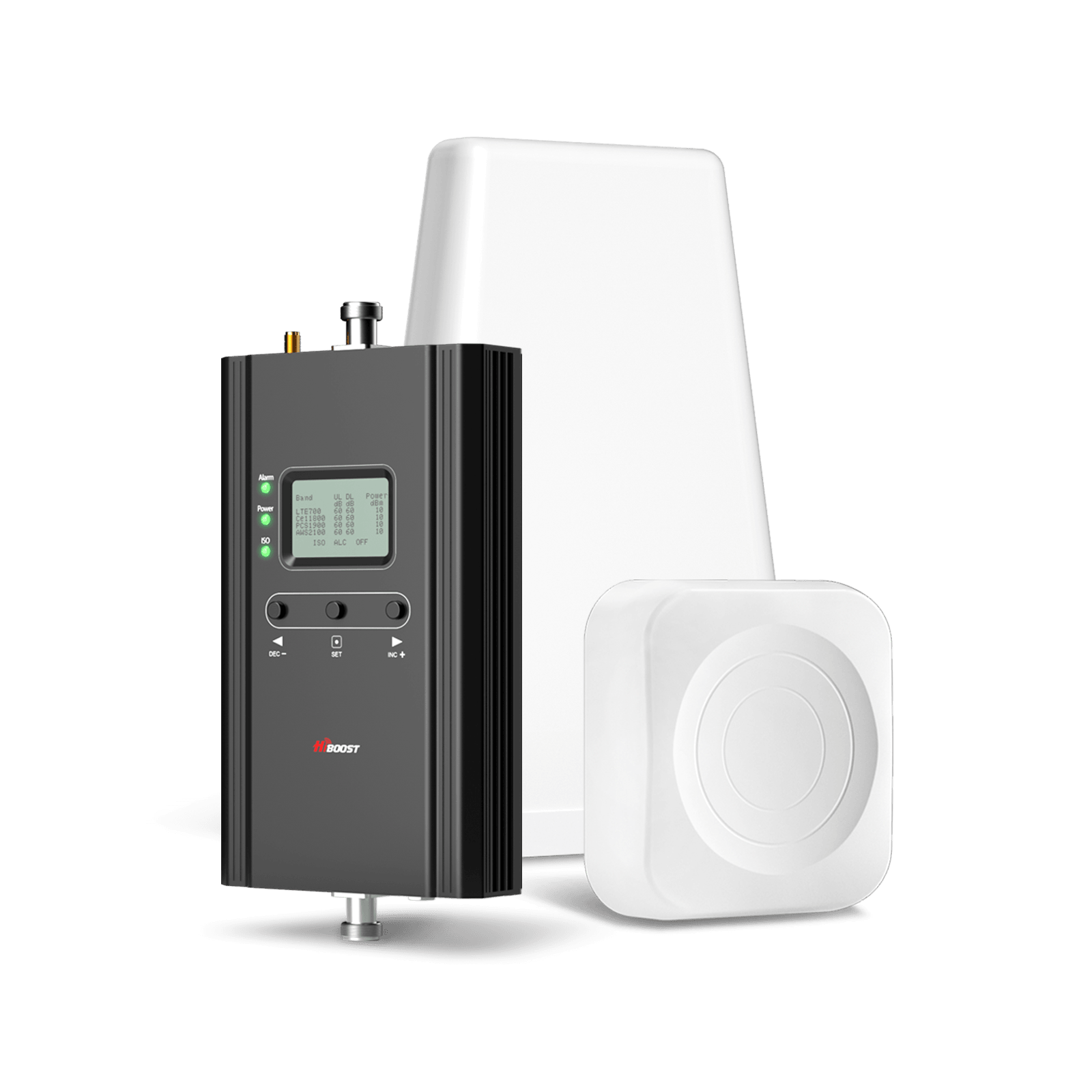
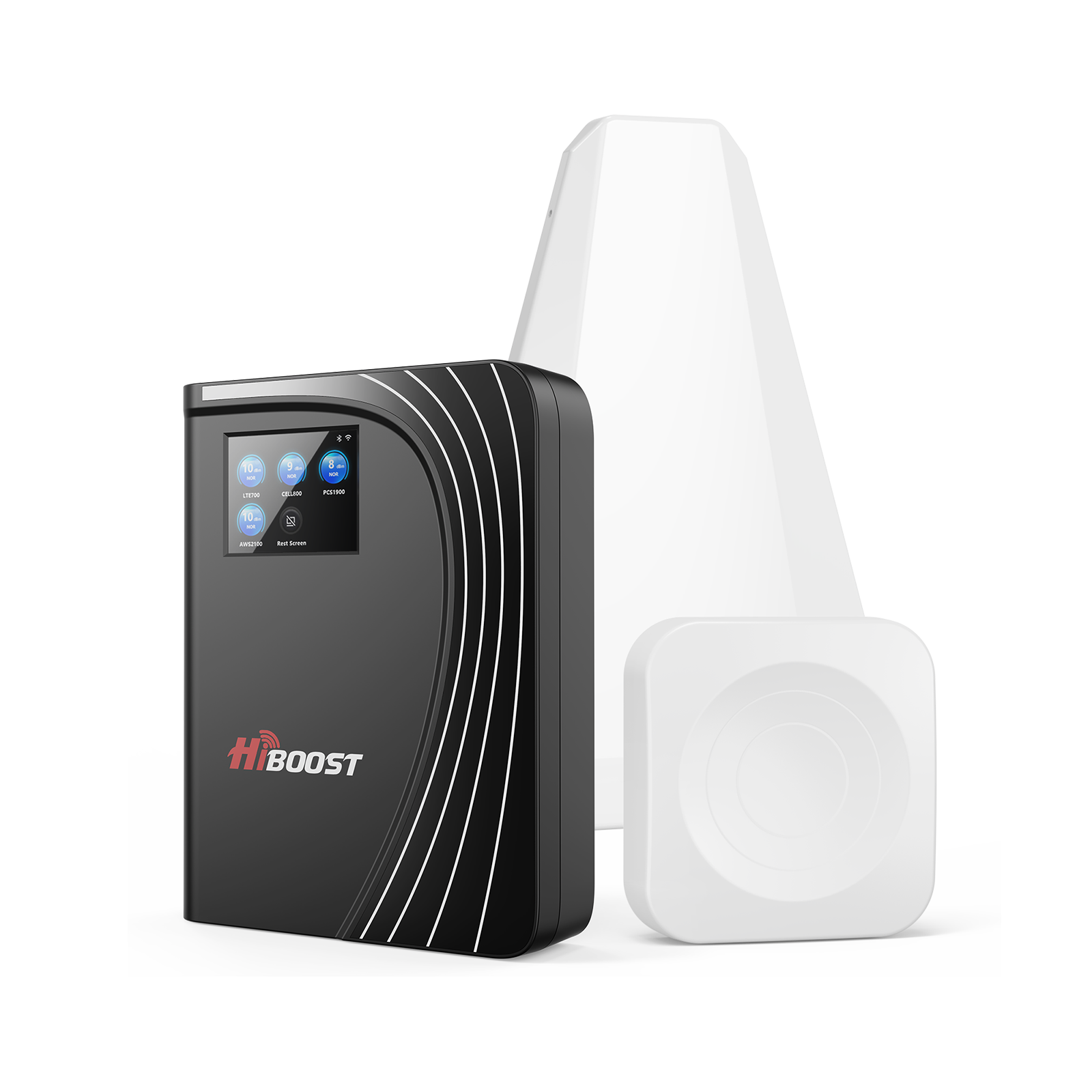
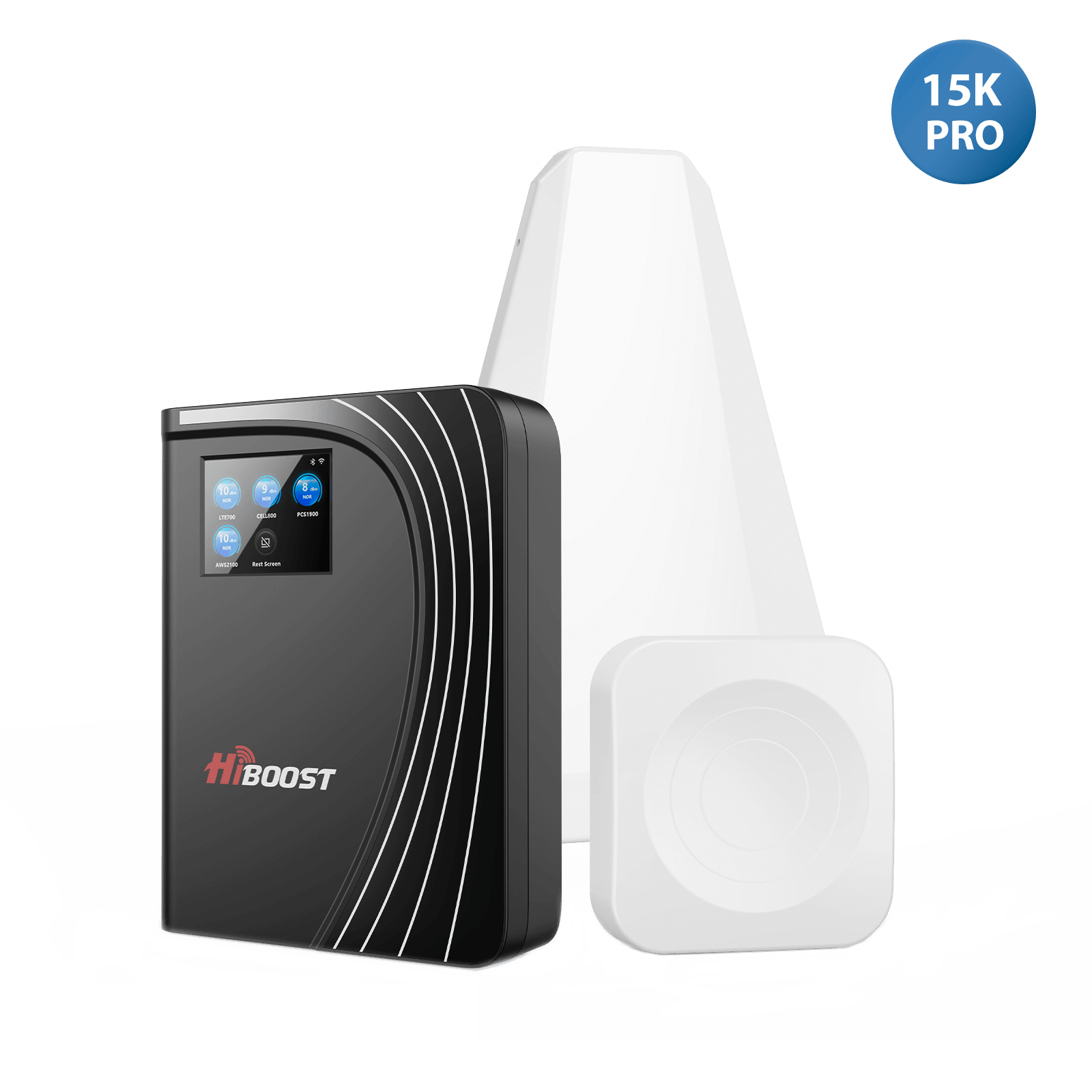
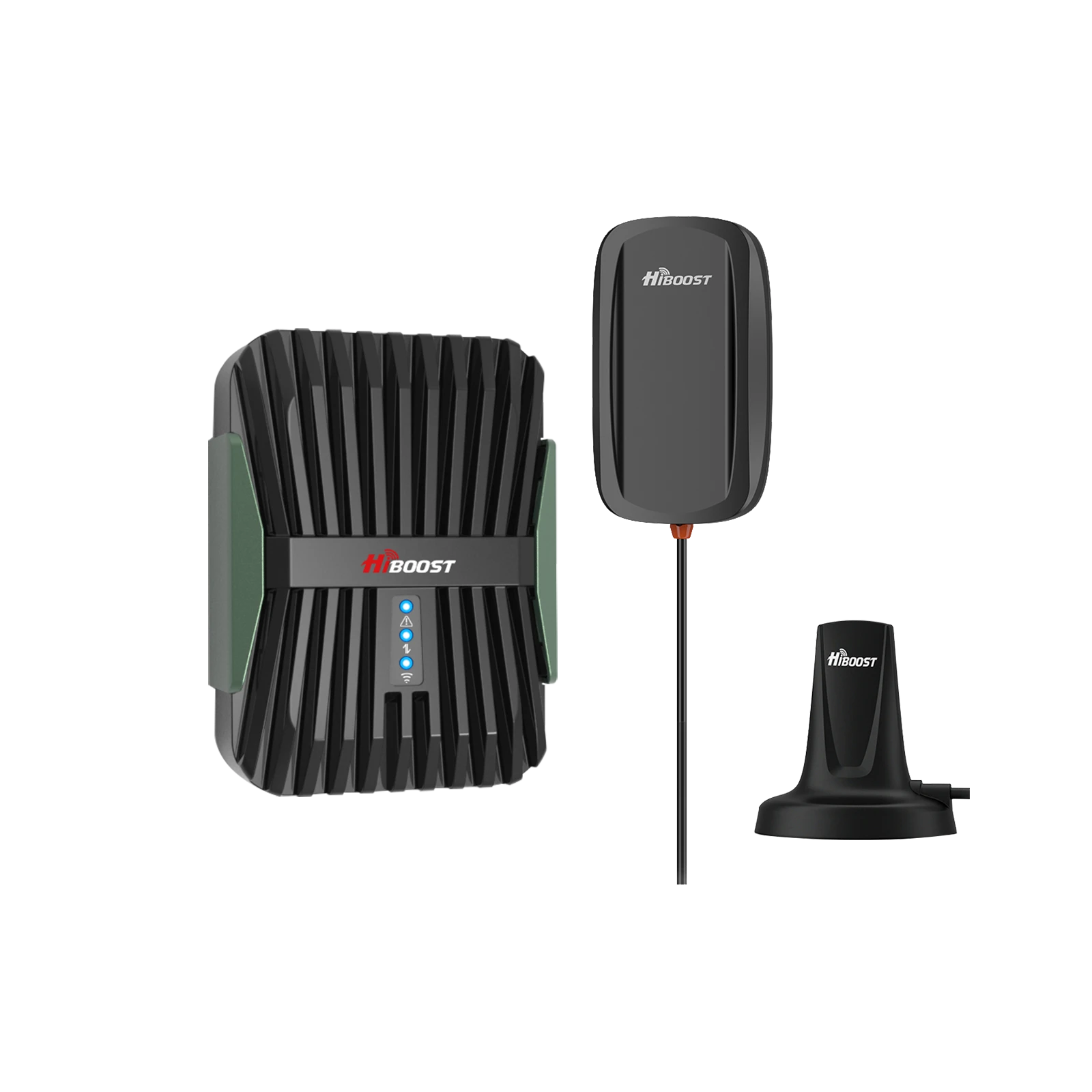
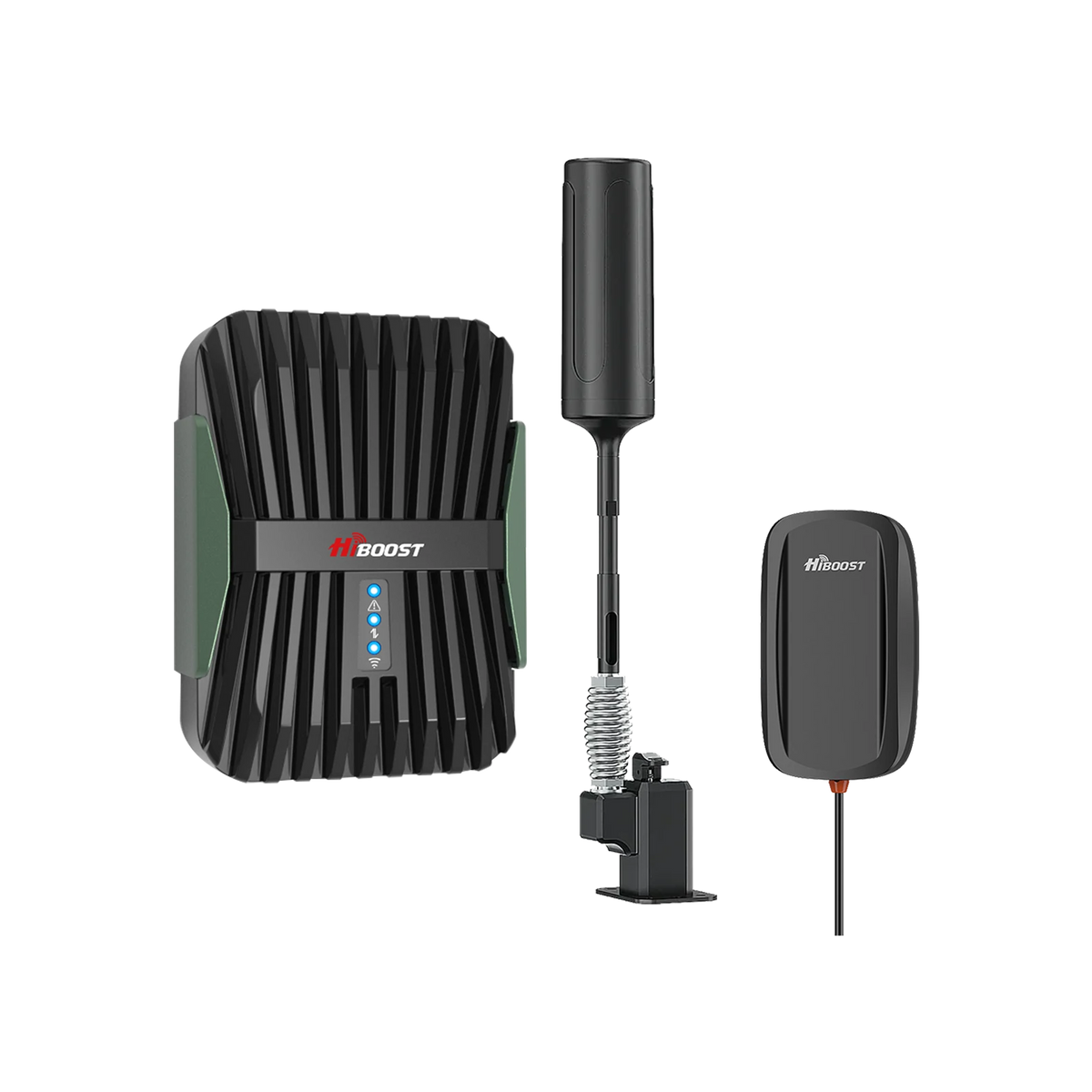
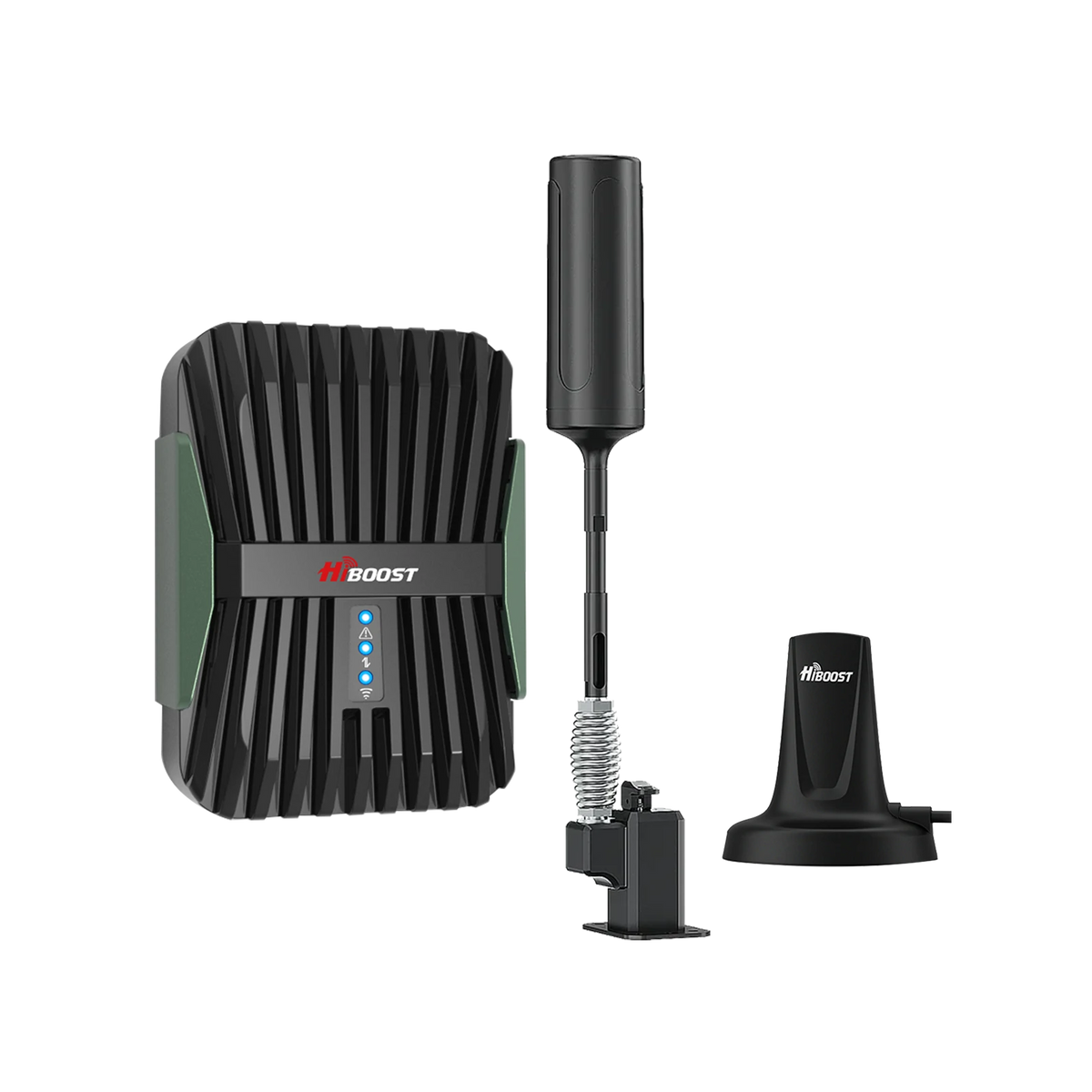
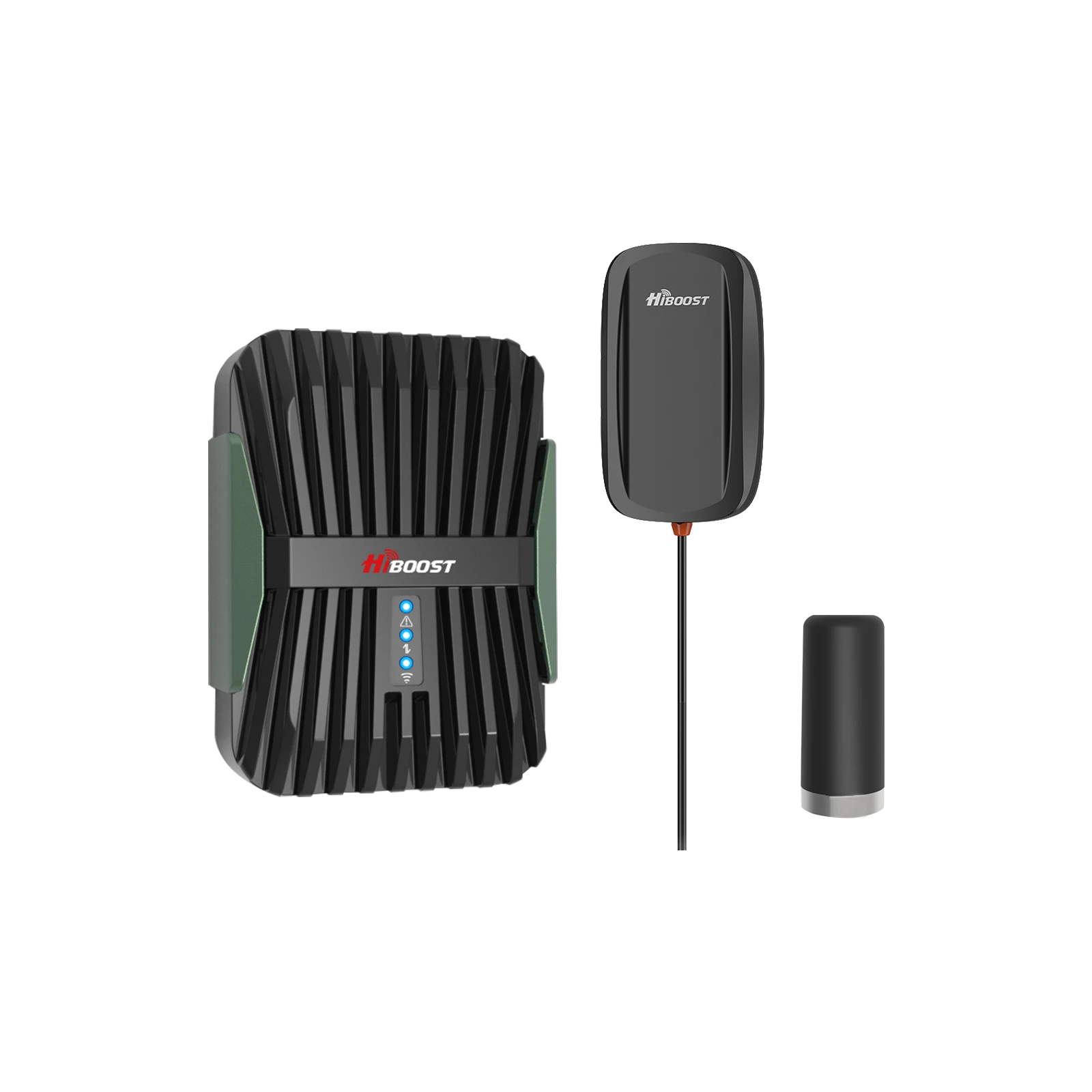
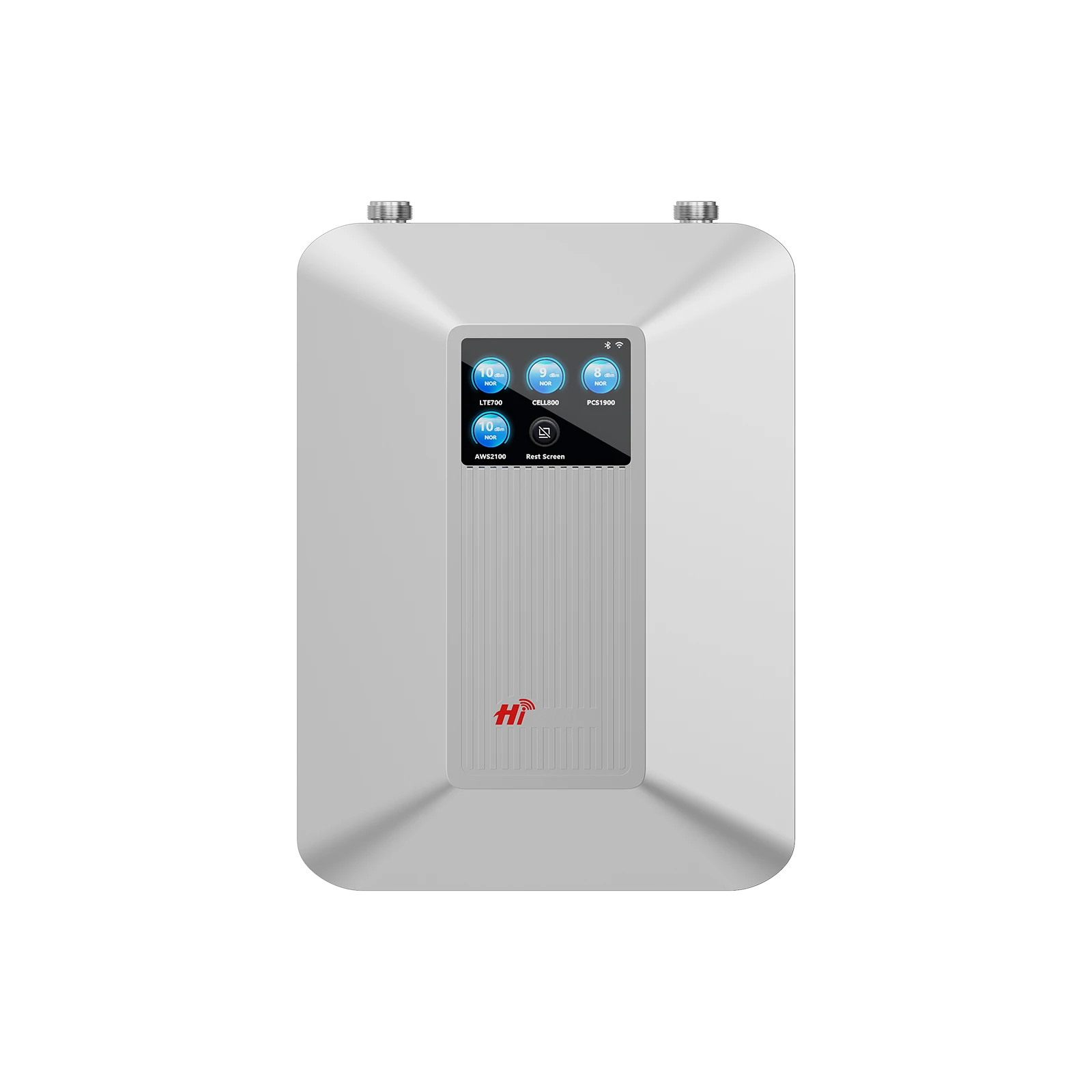
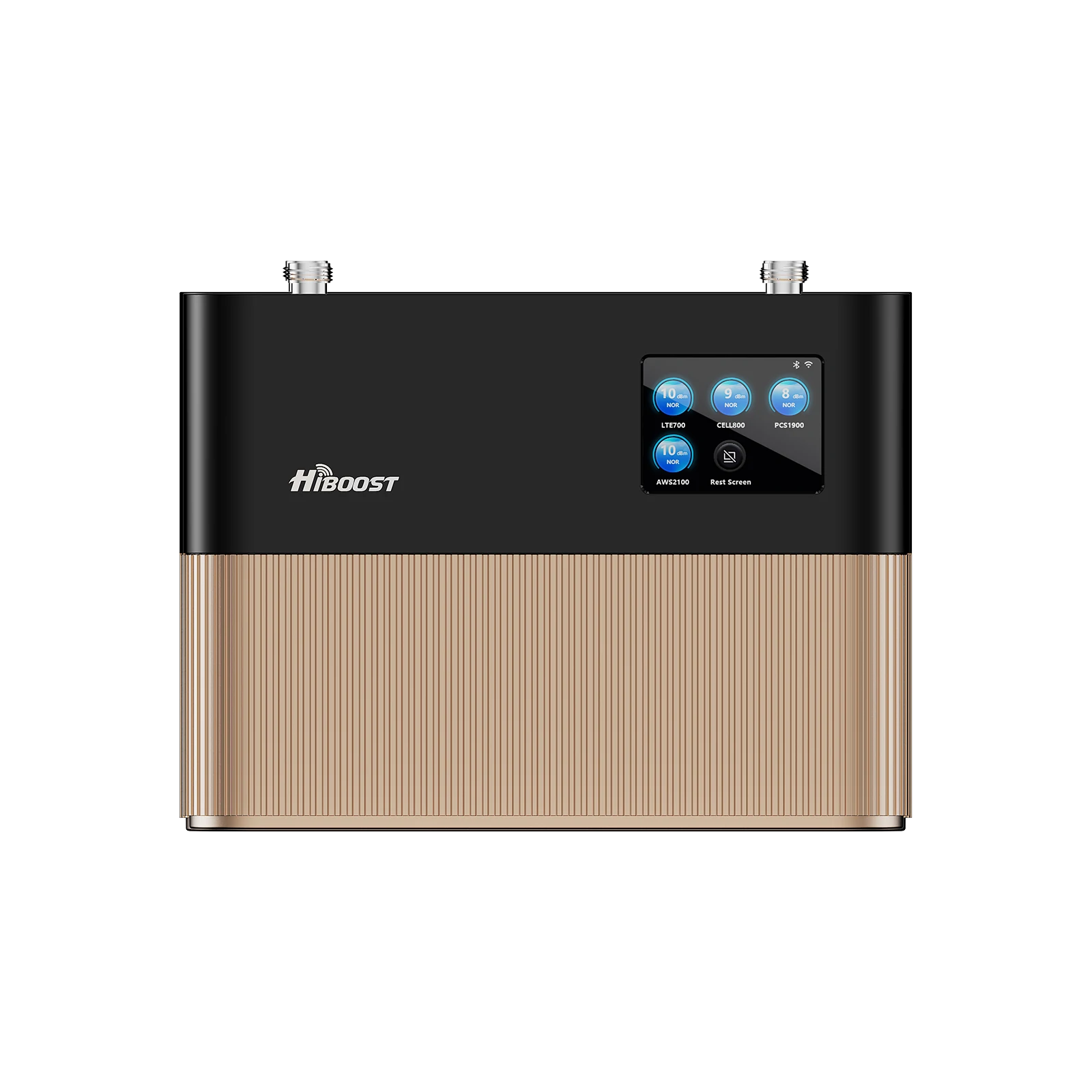
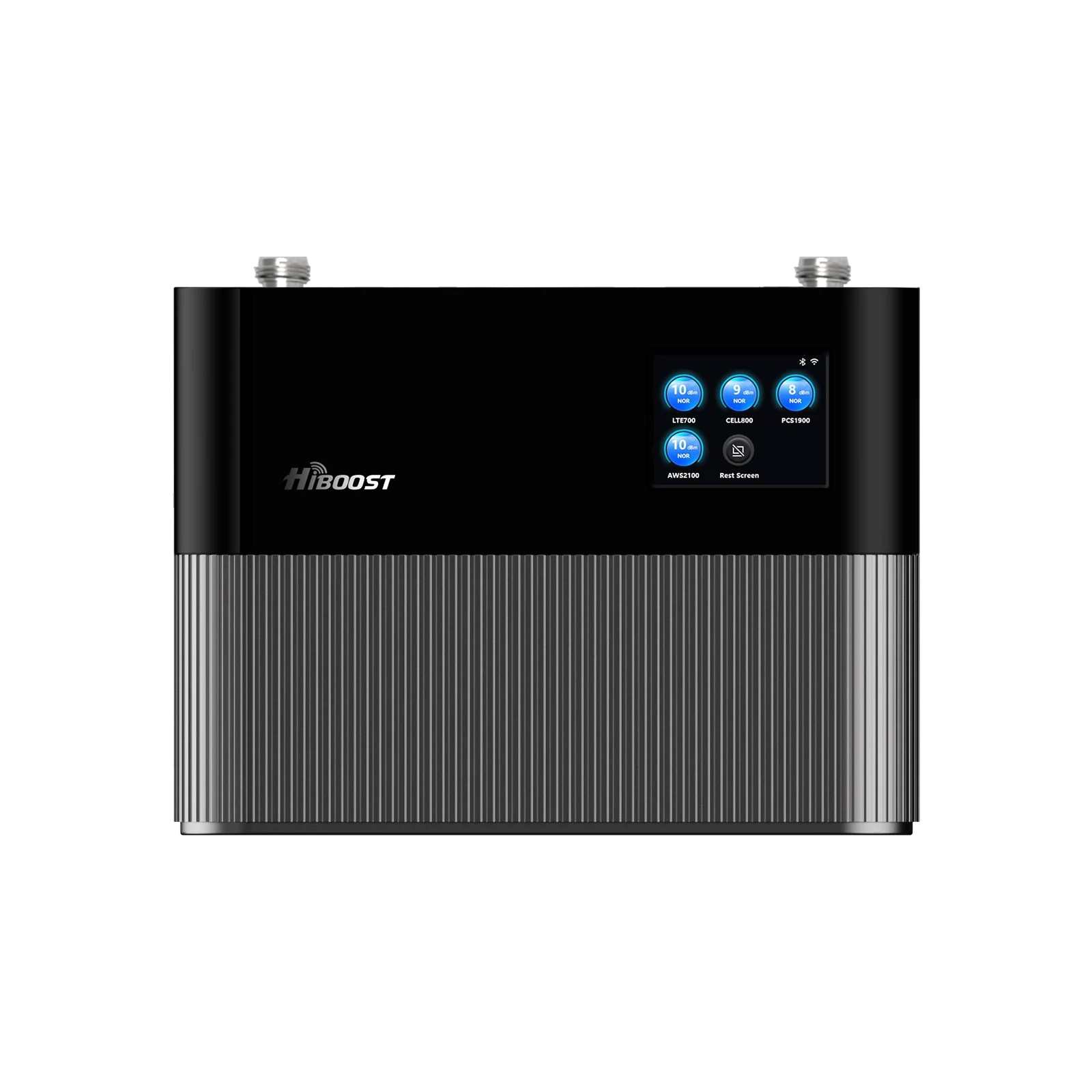
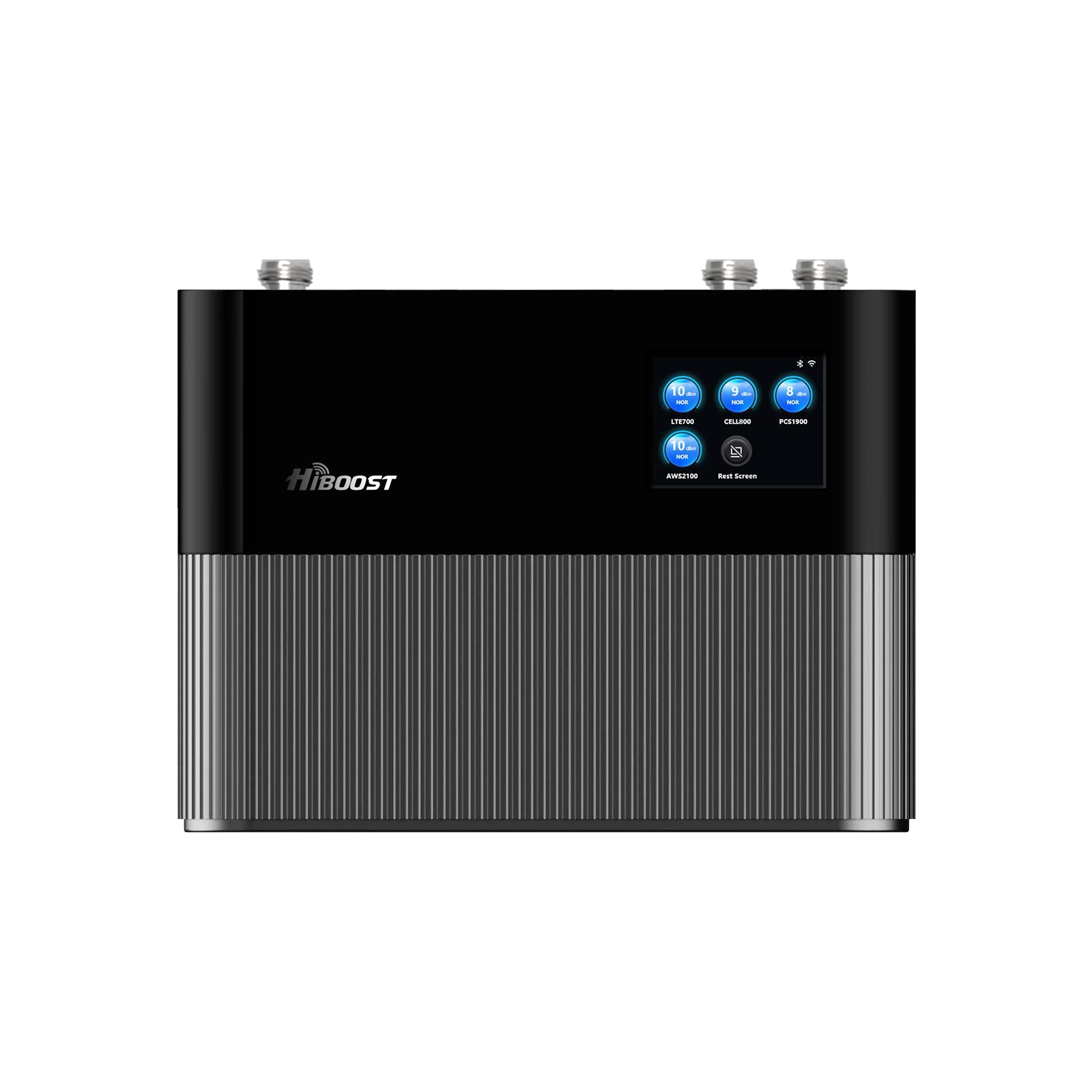
There are four main components in a vehicle cell phone booster.
-
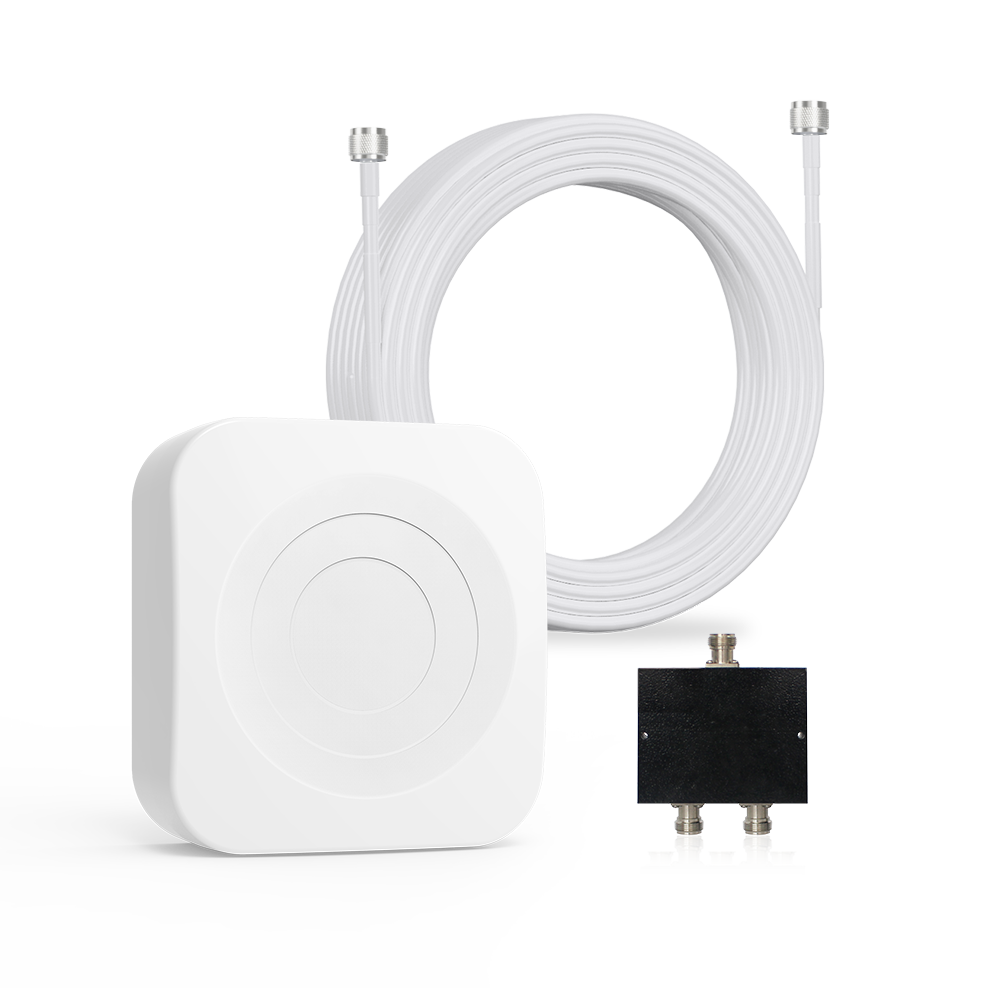
External Antenna: Before blocking by the metal, to capture the weak signals outside the vehicle, it is placed outside the vehicle.
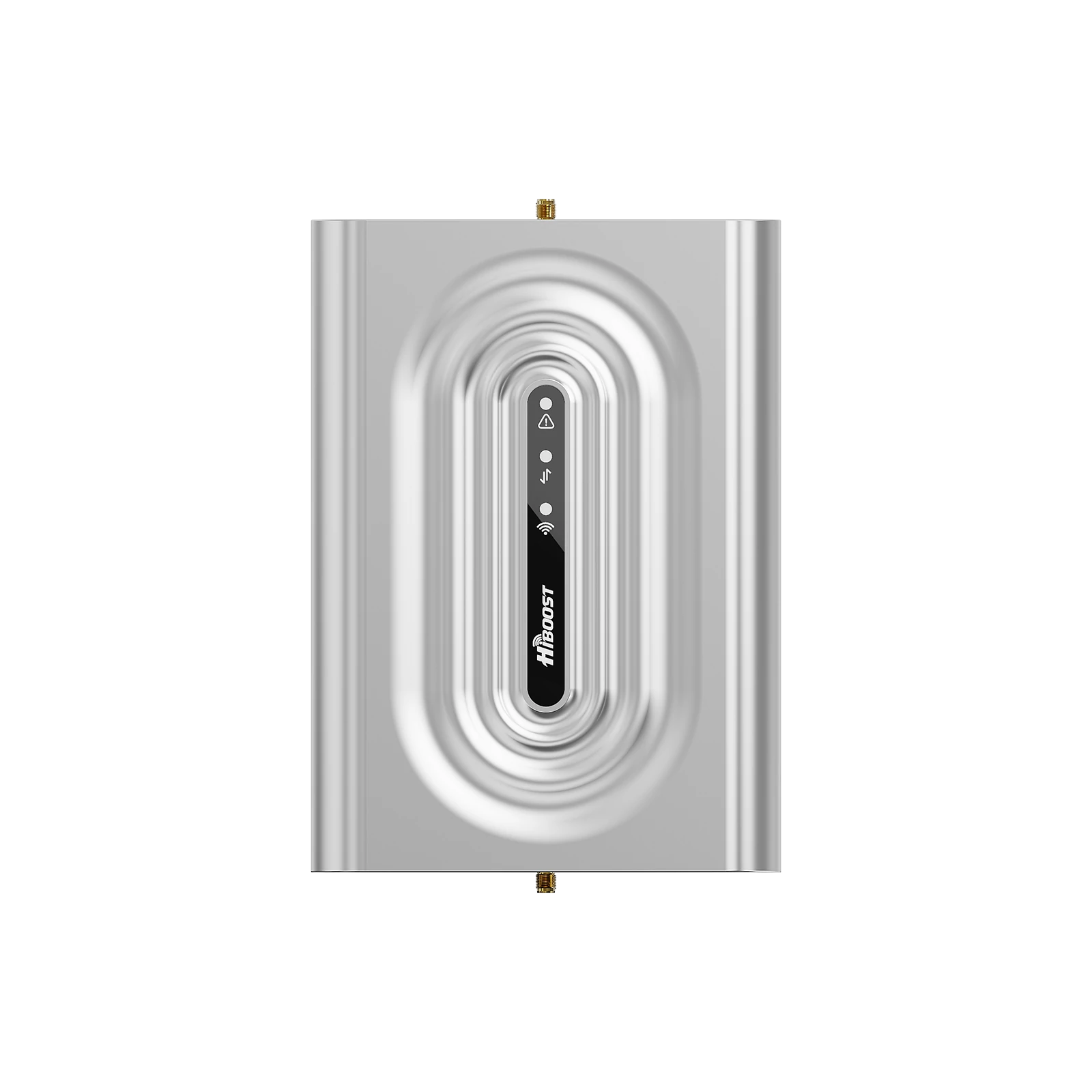
- Amplifier Unit: While staying in the FCC limits, it cleans and boosts the signals.
- Internal Antenna: Inside the car, it rebroadcast the improved signals.
- Power Supply: To power the system, usually plugged into the 12V outlet of the vehicle.
Every part has its important role to play. If it is installed incorrectly, or even the one part is missing, the performance will decrease.
Common Signal Booster Installation Mistakes You Should Avoid
Many signal booster installations fail because of poor antenna placement or insufficient separation between the indoor and outdoor antennas. If antennas are too close, signal feedback or oscillation can occur. This reduces the overall performance.
Another common mistake is installing the outdoor antenna where the signal is already weak. Incorrect cable connections can also lead to zero signals. Damaged coaxial cables or using a low quality mounting hardware can also lead to device damage and significant reduced system efficiency.
Safety and Legality Explanation - USA and Canada
In the United States and Canada, cellular signal boosters are legal only if they are certified and properly registered with your carrier. In the U.S., the Federal Communications Commission (FCC) requires all boosters to be FFC-approved and compliant with network protection standards.
In Canada, regulations are enforced by Innovation, Science and Economic Development Canada (ISED), which mandates certified equipment and interference safeguards. Modern boosters include automatic gain control and shutdown features to prevent network disruption, and using unauthorized devices can lead to penalties or service disconnection.
Is a Car Cell Phone Booster Worth It?
Yes, is the answer, for many drivers. For fleet vehicles, outdoor travelers, rural commuters, RV owners, and truck divers, a car signal booster is specially made. Anybody, with regular drives in weak signal areas can avail the help.
You may not notice a big difference, if you are always driving in strong urban areas with the signals of up to full bars as five. Not creating the signals, but boosters are made to improve the weak signals.
A HiBoost vehicle cell phone booster can give peace of mind with more reliable communication, for working vehicles, road travellers and delivery drivers.
For safety purposes and while driving for work, if you depend on your cell phone, upgrading your signal with a HiBoost car signal booster can be a real change. Choose the model that fulfills your needs of the driving, by exploring the vehicle boosters by HiBoost.
How to Choose the Right Car Cell Booster
Choice of the right model depends on the usage and your vehicle.
Perfect for the SUVs and the cars, magnetic antennas are easy to install. For long-term setups and trucks, fixed-mount antennas are best. For individual drivers, single-user models work well. For working teams and families, multi-user models are suitable.
In the areas with weak signals, OTR models with stronger external antennas give best performances, as they are also ideal for long-haul drivers and semi-trucks.
For commercial trucks, RVs, SUVs, and cars, specially designed cell phone boosters are the best option by HiBoost. For best results, the right model choice will be best for your driving needs.
FAQs
Do Car Cell Phone Boosters Work In Rural Areas?
As long as there are some weak signals already present there, yes. Where the signals are weak but not absolutely zero, boosters are helpful in highway and rural areas.
Will It Work With 5g?
Used by the major carriers, most modern boosters support 4G LTE and 5G on bands of sub-6 GHz. Mostly found in dense urban areas, on short ranges, the boosters do not boost the millimeter-wave 5G.
Can Multiple Phones Connect?
To connect at the same time, the multi-user models approve several phones. This is good for rideshare drivers, work crews, and perfect for the family use.
Is Using A Cell Phone Signal Booster Legal?
In the United States of America and Canada, if the cell phone boosters are FCC certified and properly registered, then surely they are legal. HiBoost boosters are FCC certified boosters that provides the range of boosters from RV, car, truck to home and office boosters.
Does It Drain The Car Battery?
As most of the boosters use very little power, so No. They have a minimum effect on your vehicle’s battery, these are specially made to plug into a 12V outlet.
Conclusion- Do Car Signal Boosters Actually Work?
As long as there are already weak signals in that area, Yes, the car signal boosters work efficiently.
Especially for the mountain travellers, rural areas, and highway drivers, these signal boosters are very effective in improving the signals inside the car or any other vehicle. They can also increase the work productivity by eliminating the communication problems in work vehicles especially.
A HiBoost car signal booster can help you in staying connected when it is most important for you as you are worried about the dropped calls, slow mobile data, freezing GPS while driving.
To drive with more reliable and stronger signals, find the best choice of a cell phone booster. Visit the HiBoost website today to get your HiBoost vehicle booster.
Recommended Reading
Why You Have Poor Signal in Your Car (And How to Fix It Fast)
How to Install a Car Cell Phone Booster Step-by-Step
Do Cell Phone Boosters Really Work in Remote Areas?
RV Connectivity Guide 2026: Stay Connected Anywhere in the US
Why RV Owners Are Choosing HiBoost Travel 3.0 for Better Signal
Car/Suv,RV,Truck,Vehicle


Our Home Signal Booster


Popular Articles

Leave a comment
All comments are moderated before being published.
This site is protected by hCaptcha and the hCaptcha Privacy Policy and Terms of Service apply.