
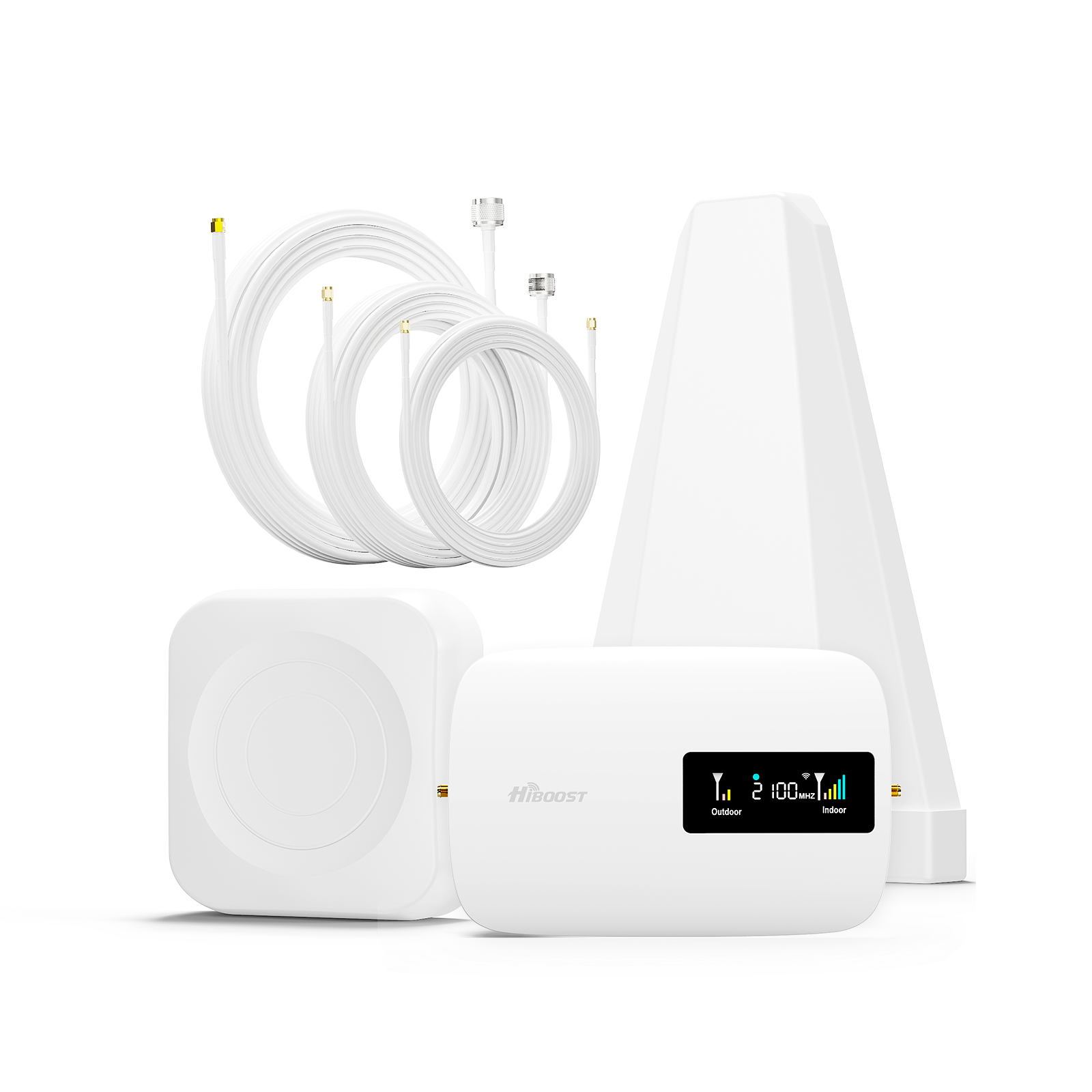
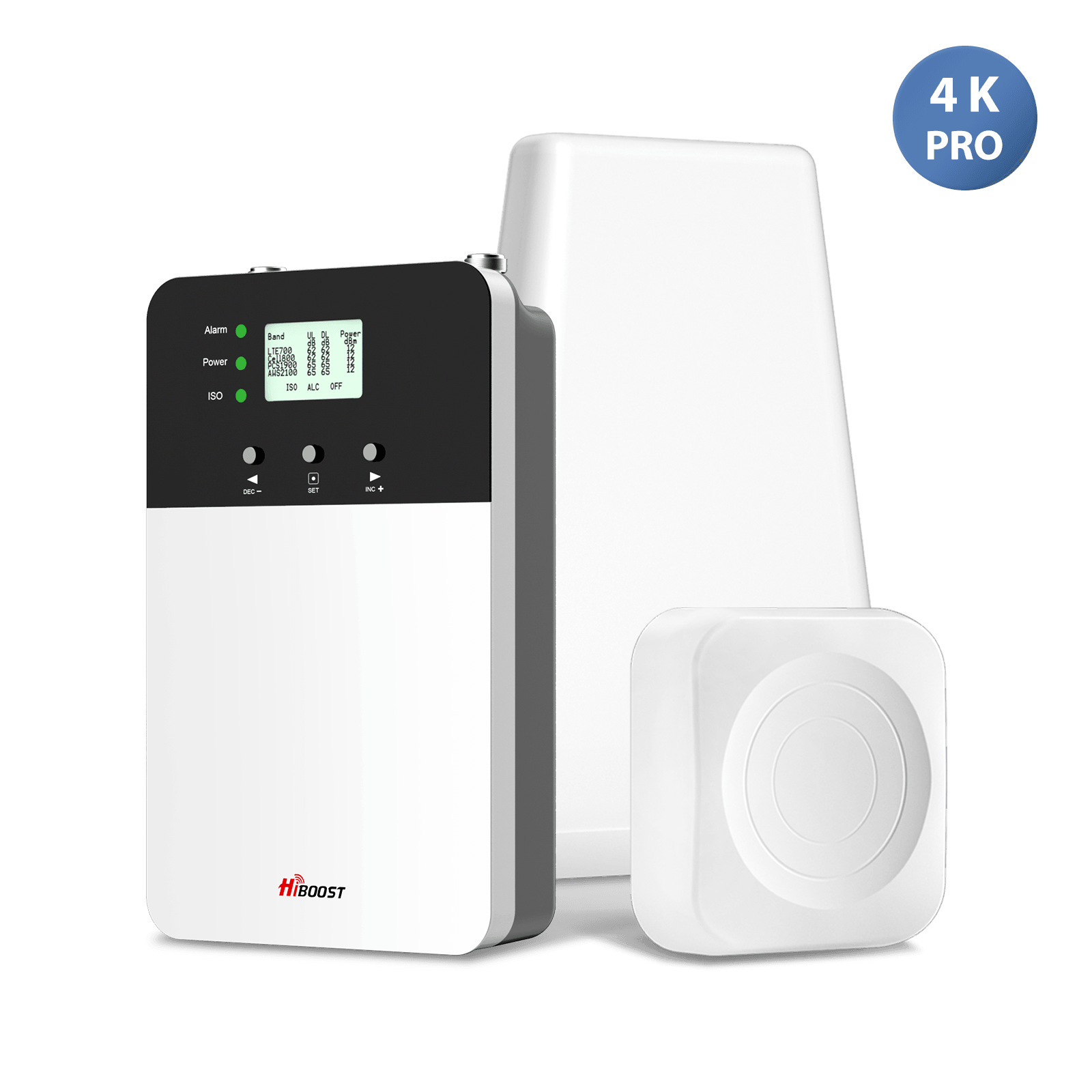
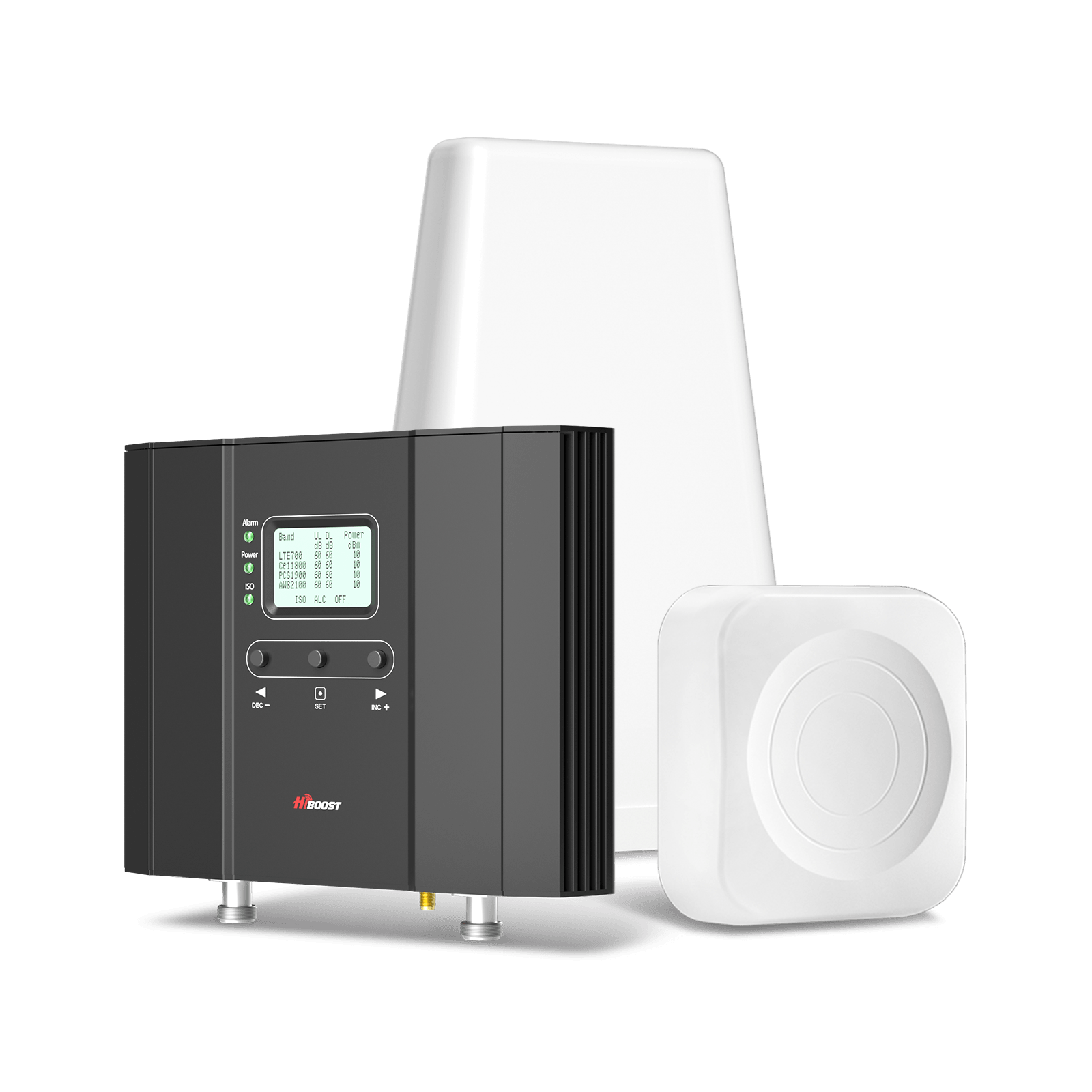
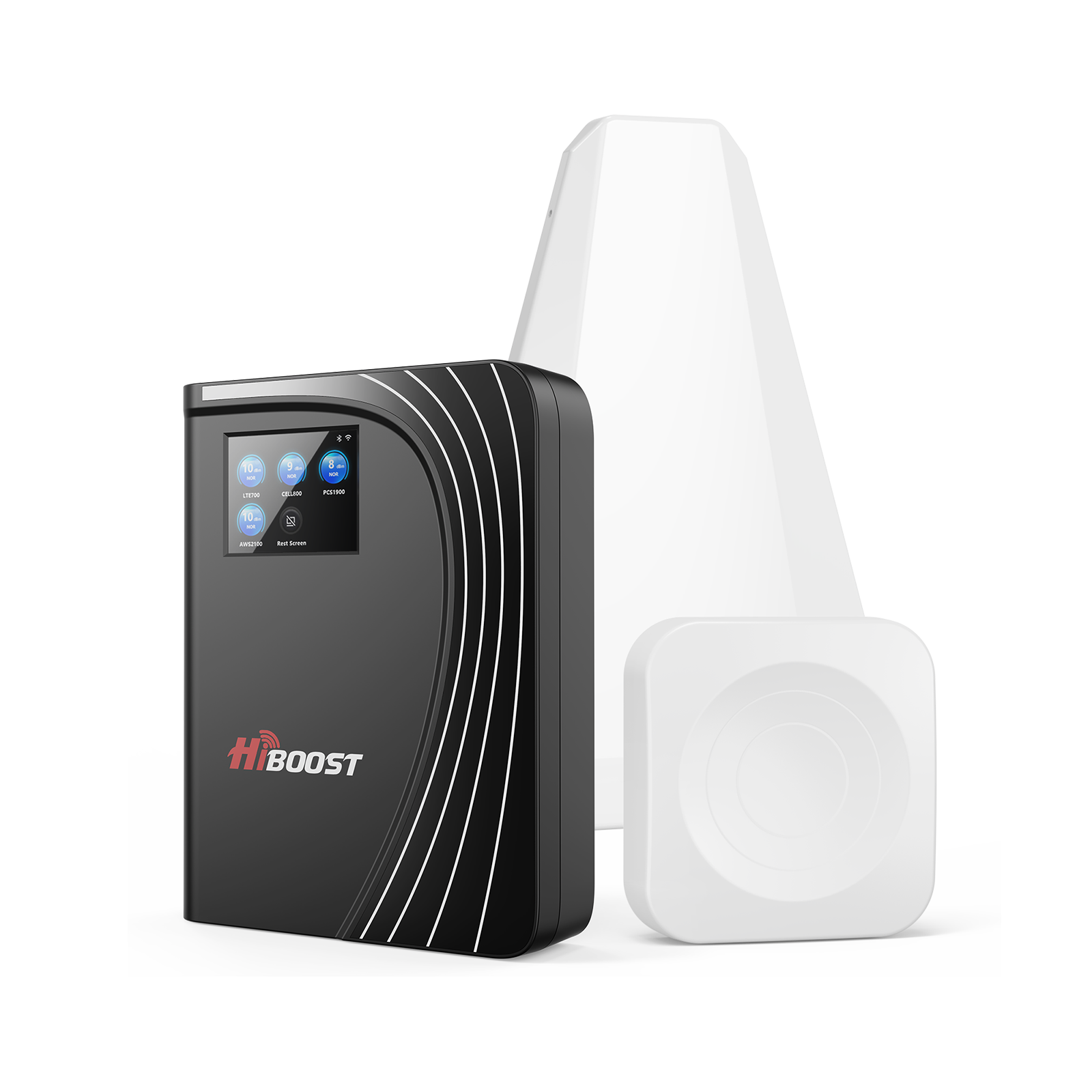
Having a hard time with cell signals in the basement? You’re not alone. Poor signal strength in basements is a problem many homeowners face due to thick concrete walls, metal reinforcements, and the underground location, which prevent cellular signals from penetrating the basement.

This results in dropped calls, sluggish internet, and an exasperating weak cell signal, which renders even basic tasks troublesome.
This guide will provide you with definitive, practical answers if you have been trying to find out how to get a better cell signal.
We will discuss why basement signals are not working, the best solutions available, and demonstrate how a home cell signal booster can make a total difference in your connectivity.
In the end, you will understand exactly how to correct the problem and finally have a good, solid signal in your basement.
No Signal in Your Basement? This is What is ACTUALLY Happening.
You are not alone when your phone is fine upstairs, and the next moment you are downstairs, and it is not showing any bars. One of the worst places to get a good mobile phone connection is in the basement.
Most of the time, people believe their carrier is the problem, but in most cases, it is the building structure and how wireless signals interact.
Poor cell signal occurs when your phone is attempting to connect to a tower outside your home. That signal must pass through walls, floors, soil, and even metal before it gets to your basement.
Each of the layers attenuates signals, and when they finally get to you, they might be virtually nothing.
Precisely, that is why people begin searching for a cell signal booster for the basement or for the home. They are attempting to correct something that is not their phone, which is wrong, but physics.
Once you see this, all becomes clear. It is not merely to get a signal, but to enhance signal strength in a space that naturally blocks it. That is where a mobile signal booster for the home comes in.
Before and After Results of Using a Booster - Real Performance
Let’s look at what really changes when you install a cell signal booster for home or a cell signal booster for your basement.
| Condition | Signal Strength (dBm) | Call Quality | Data Speed |
|
Before (in Basement) |
-110 to -125 dBm |
Dropped Calls |
Very slow and unusable |
| Near the window or exit stairs | -95 to -105 dBm | Unstable | Slightly improvement |
| After Booster | -65 to -85 dBm | Clear calls | Fast and stable |
A cell signal below -110 dBm is practically useless. In areas where a cell phone signal booster is installed in the basement, the signal improves by 20-40 dB for many users. It is a huge increase in signal strength.
That is why individuals interested in enhancing cell signal in the basement tend to choose an appropriate system rather than short-term solutions.
The difference in the performance of one of the HiBoost users was as follows:
Corby had long experienced a weak cell signal in his basement. Whenever he came down the stairs, his phone would cut off.
It was so weak that you could make phone calls, but they would drop immediately, and mobile data would not work. He had spent weeks trying to figure out how to improve the cell signal and had tried minor things, such as moving near windows, but none of them actually helped.
“My basement was a dead zone previously, with no bars, and even no possibility to send a text and go upstairs.”
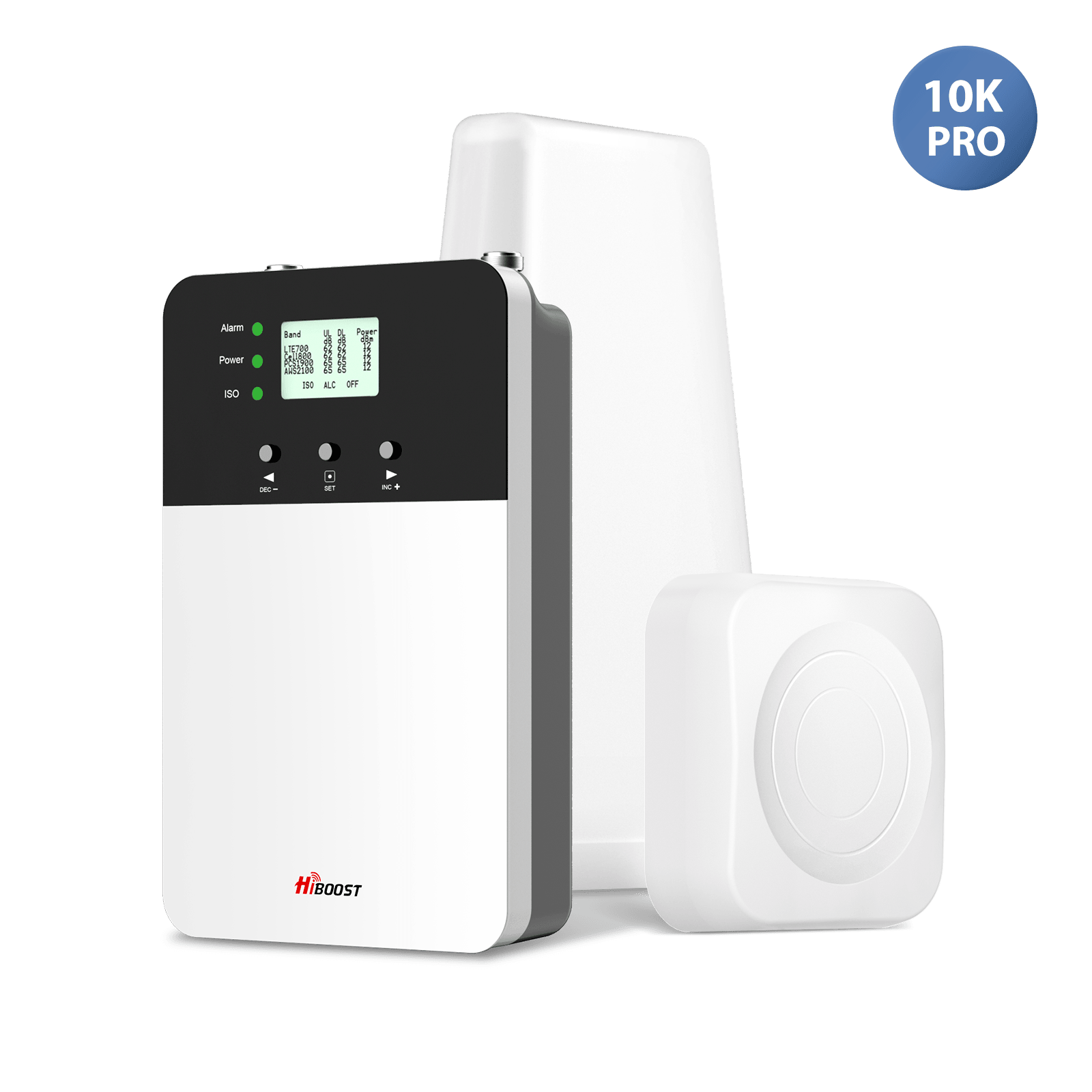
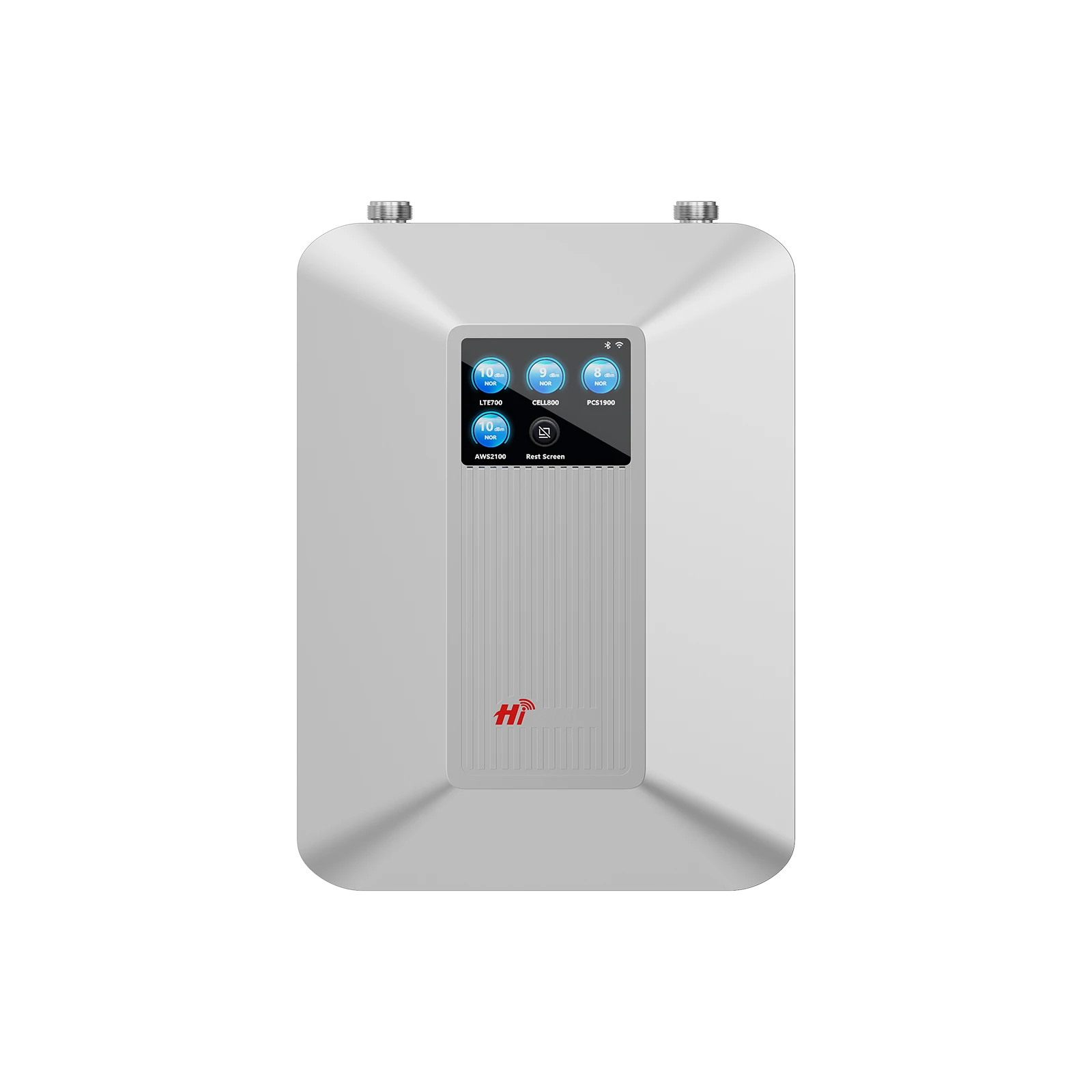
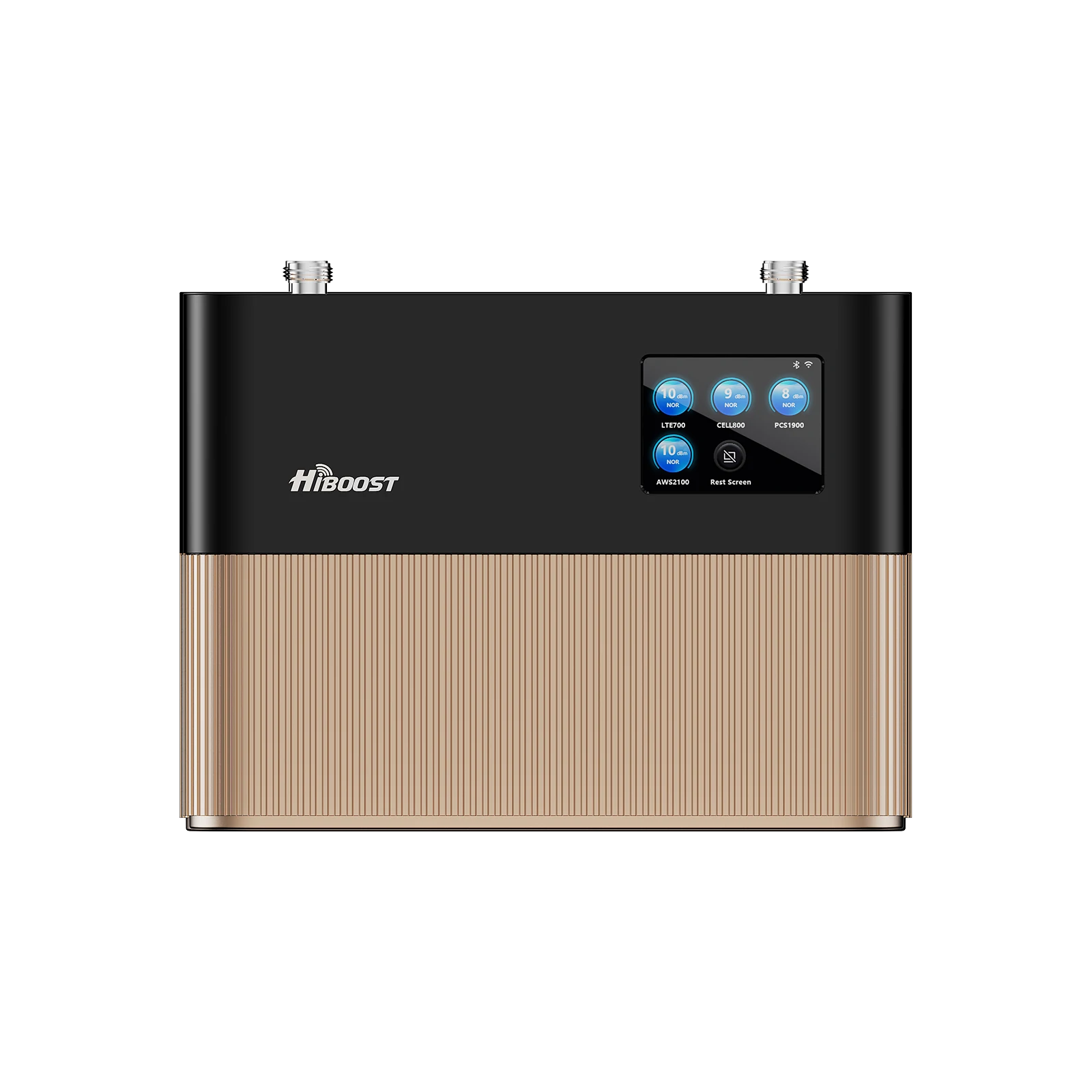
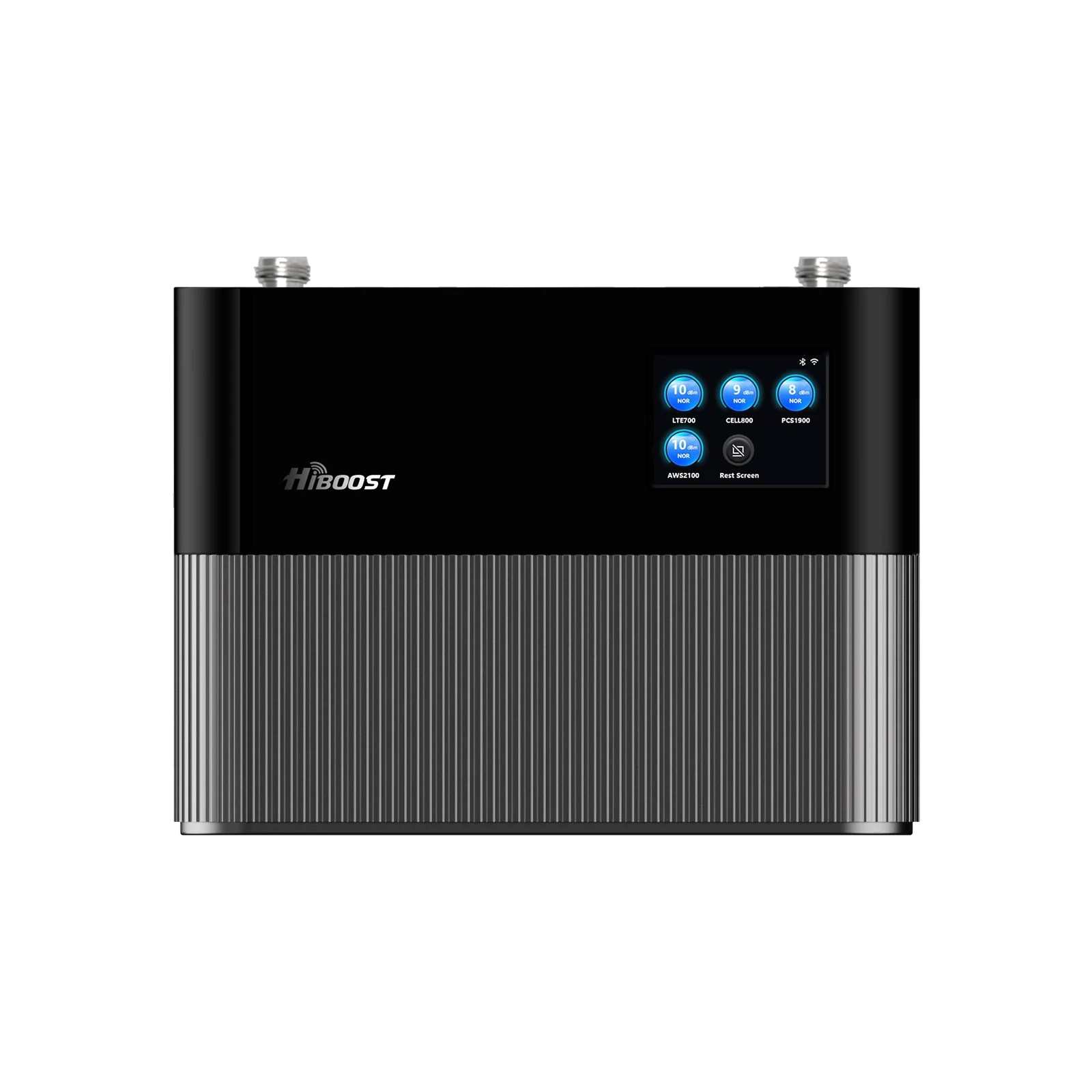
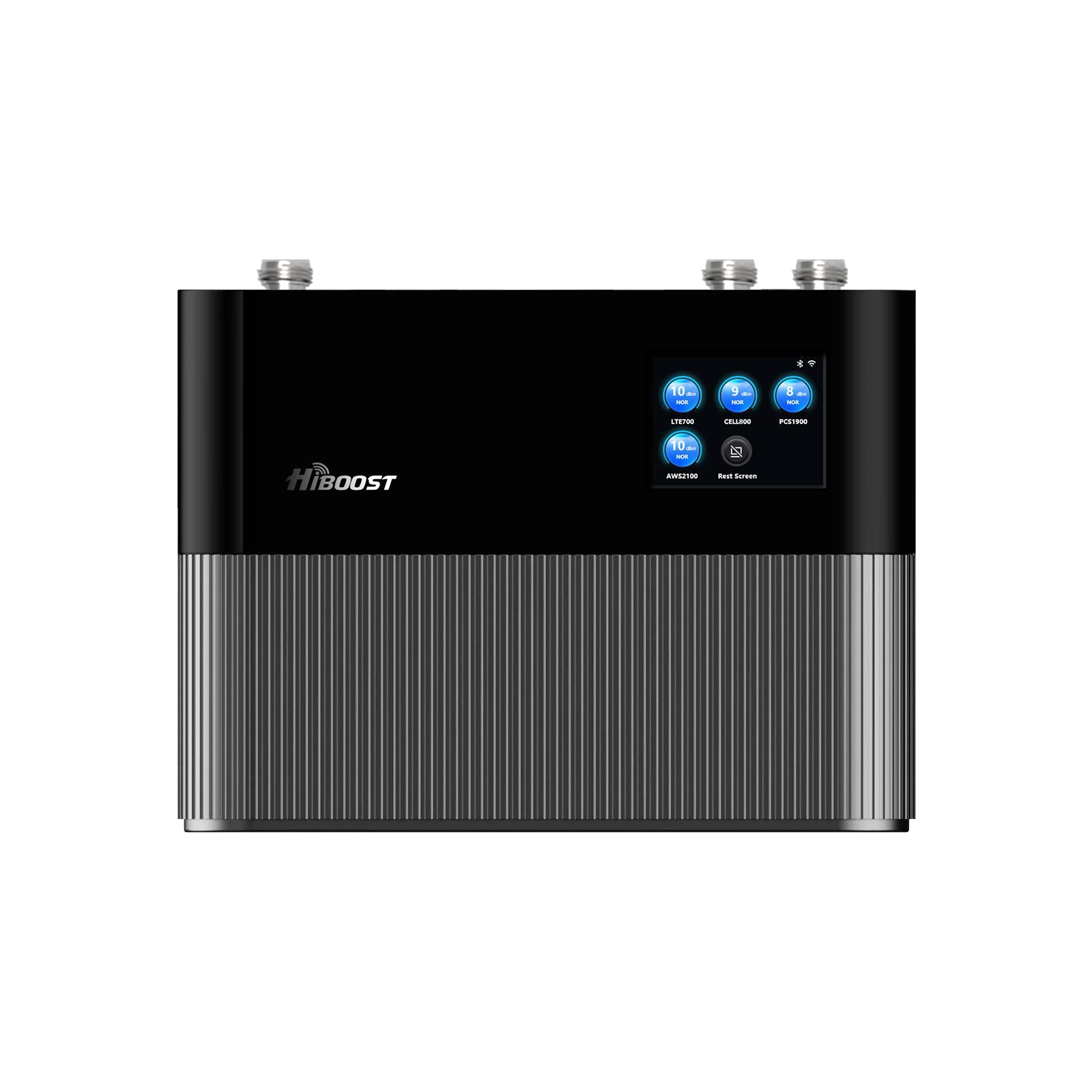
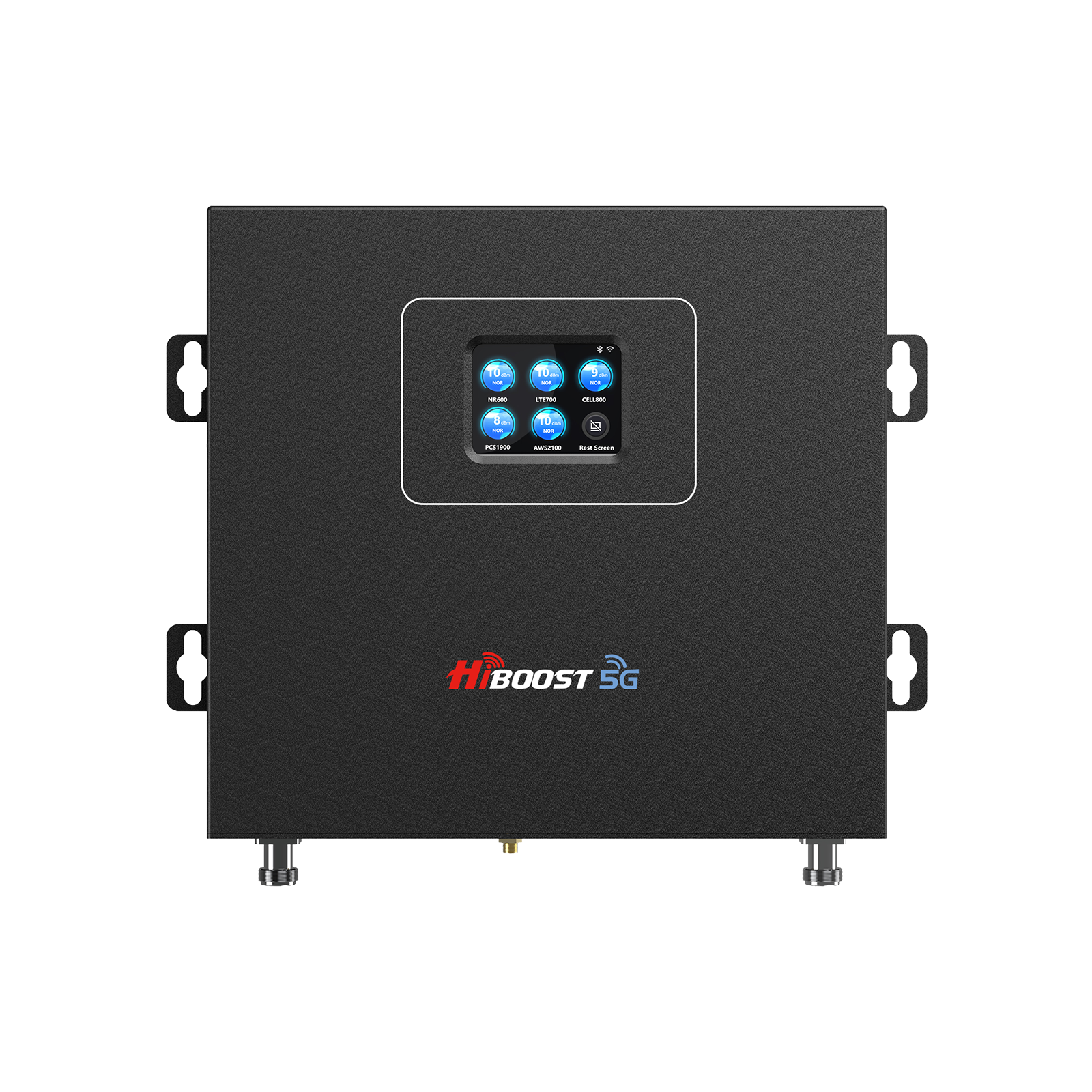
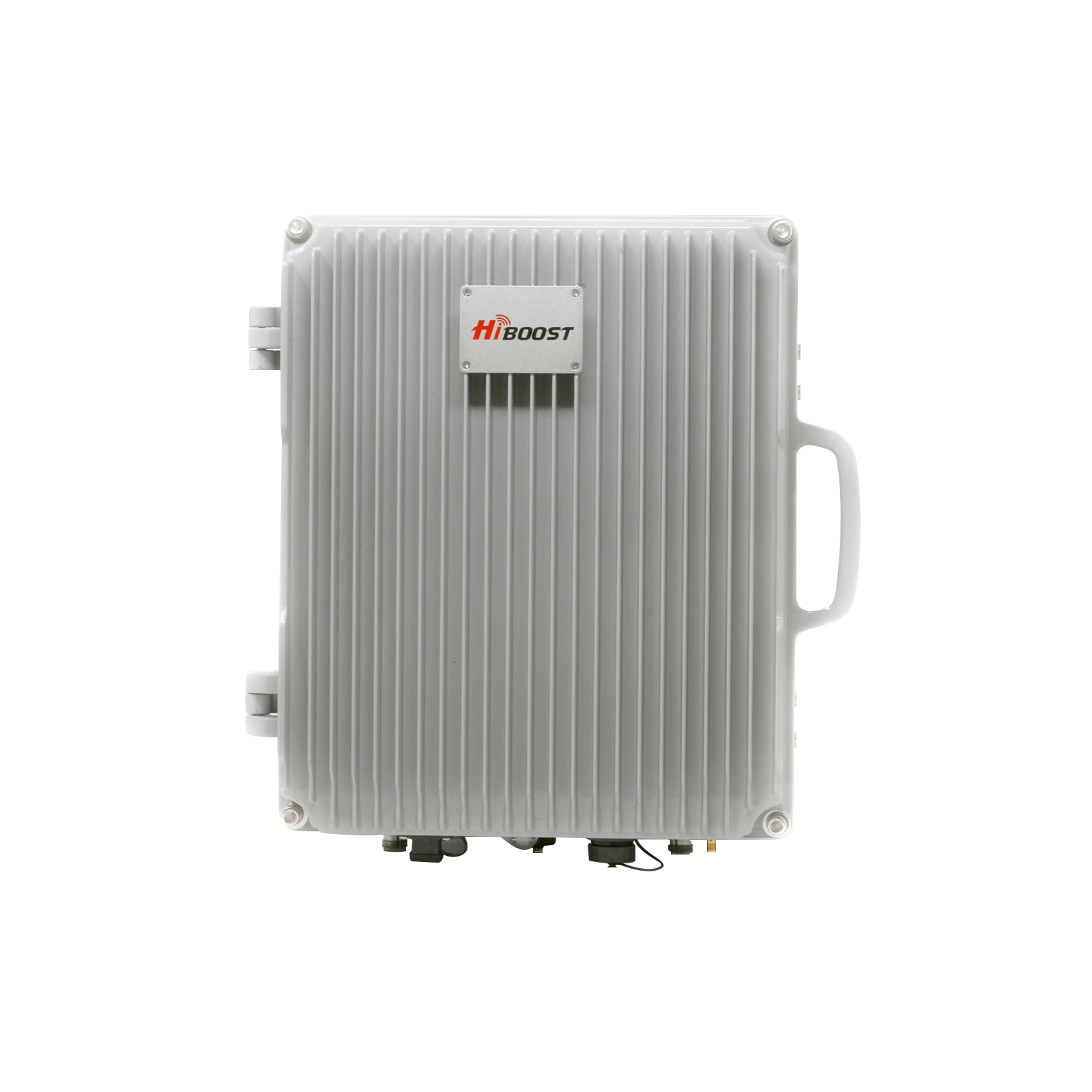
Lastly, he has settled on installing the HiBoost 10K Smart Link in the basement and a cell signal booster in the house. The transformation was instant. His basement had zero bars to strong, stable coverage all over the space.

“Having installed it, I had no signal anymore, and then I had full bars, the calls sound well, the data is fast, and now I can use my basement as I would use any other room.”
In the case of Corby, this home mobile signal booster fully addressed his issue and gave him a good, strong signal again.
The Why Basement Signal Fails - Real Reasons
1. Radio Signals are absorbed by Dense Concrete
Basements are typically built with heavy concrete walls and floors designed to be strong and durable. Nevertheless, in terms of wireless connectivity, concrete is among the leading causes of poor cell signal.
It serves as a thick wall that blocks radio-frequency waves rather than allowing them to pass through with ease.
When a signal is passed by a neighboring cell tower to your house, it begins to decrease in signal strength the moment it touches concrete. Much of that signal is absorbed even before it reaches your basement.
When it reaches the ground level, the signal has become too weak to make reliable calls or data.
This is why most people who live in houses are trying to find ways to improve cell signal in areas with low coverage. A basement or home cell signal booster is needed to restore lost signal strength and enable the connection to be used again.
2. Steel Referring Forms Signal Distortion -Rebar
It is not the sole problem with concrete. Rebar (steel reinforcement bars) is also found in most basements. These metal structures add another dimension of issues to wireless signals.
The difference between concrete and metal is that metal does not absorb the signals; it reflects them. When the signals strike steel, they do not move straight away but rather reflect. This causes RF interference, in which the signals overlap and interfere with each other.
As a result, your phone receives a distorted, unstable signal. Although there may be some signal strength, it is no longer constant. This is another significant cause of people in the basement experiencing a weak cell signal and seeking ways to improve it.
3. Interaction Effect - Signal Loss + RF Interference
It is not merely concrete or steel, but a mixture of the two. At the outset, the concrete absorbs most of the signal, reducing the total signal strength. Next, steel brings about RF interference, leaving the remaining signal unstable.
Such a combination forms the worst-case connectivity scenario. The signal you receive in your basement is distorted and weak. This is why you can experience dropped calls, slow internet, and unreliable service.
4. Why High-Power Outdoor Signals are No Help
The most frequent anticlimax is that when one has a good signal outside, one can expect to have a good signal inside. However, it cannot be said the same thing about basements.
Indoor signal strength can drop rapidly, even when you have a good signal outdoors, once it hits concrete and steel. The signal dies and gets disrupted even before it reaches your basement.
That is why, even with good outdoor coverage, homeowners experience poor cell signal indoors. It also explains why a mere change of carriers or phones is not the solution to the problem.
To get the cell signal to actually increase in basement areas, you must have a solution that can go around these barriers rather than through them.
How Signal Boosters Solve the Problem
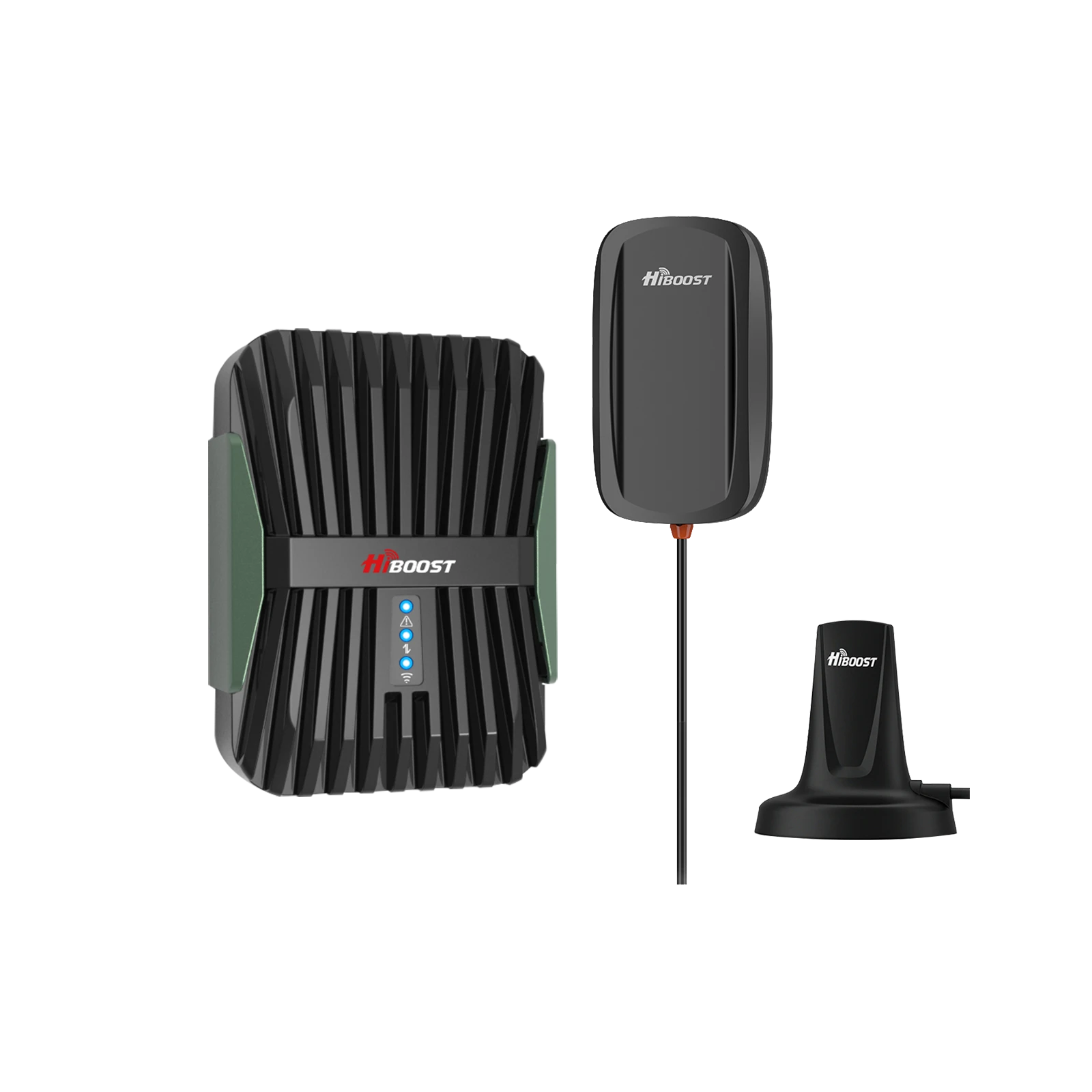
A cell signal booster basement, or a cell signal booster home, is a much smarter solution than mere solutions. It gets around the problem by avoiding pushing the signal through thick concrete and metal, which would cause loss and RF interference.
Outdoor Antenna System
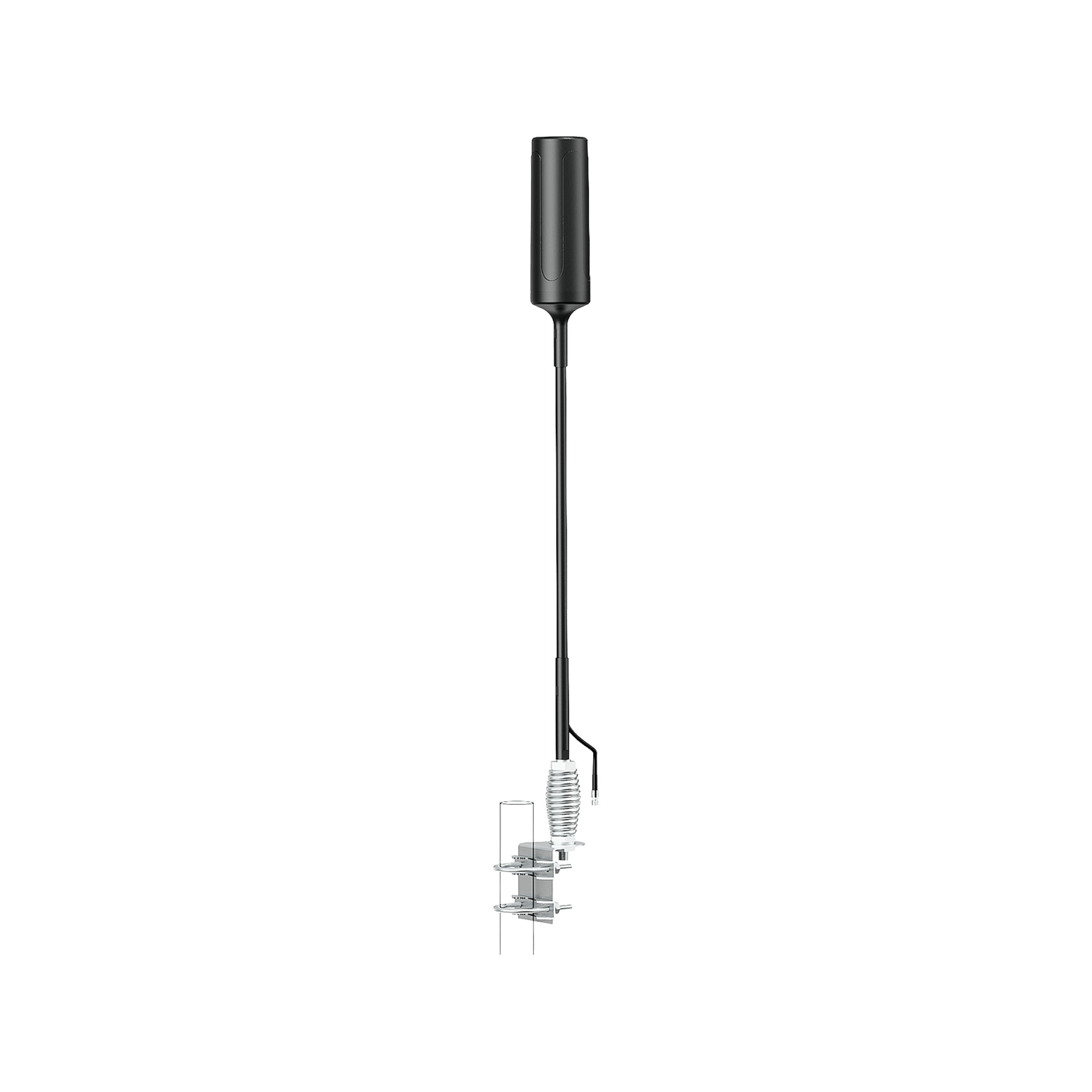
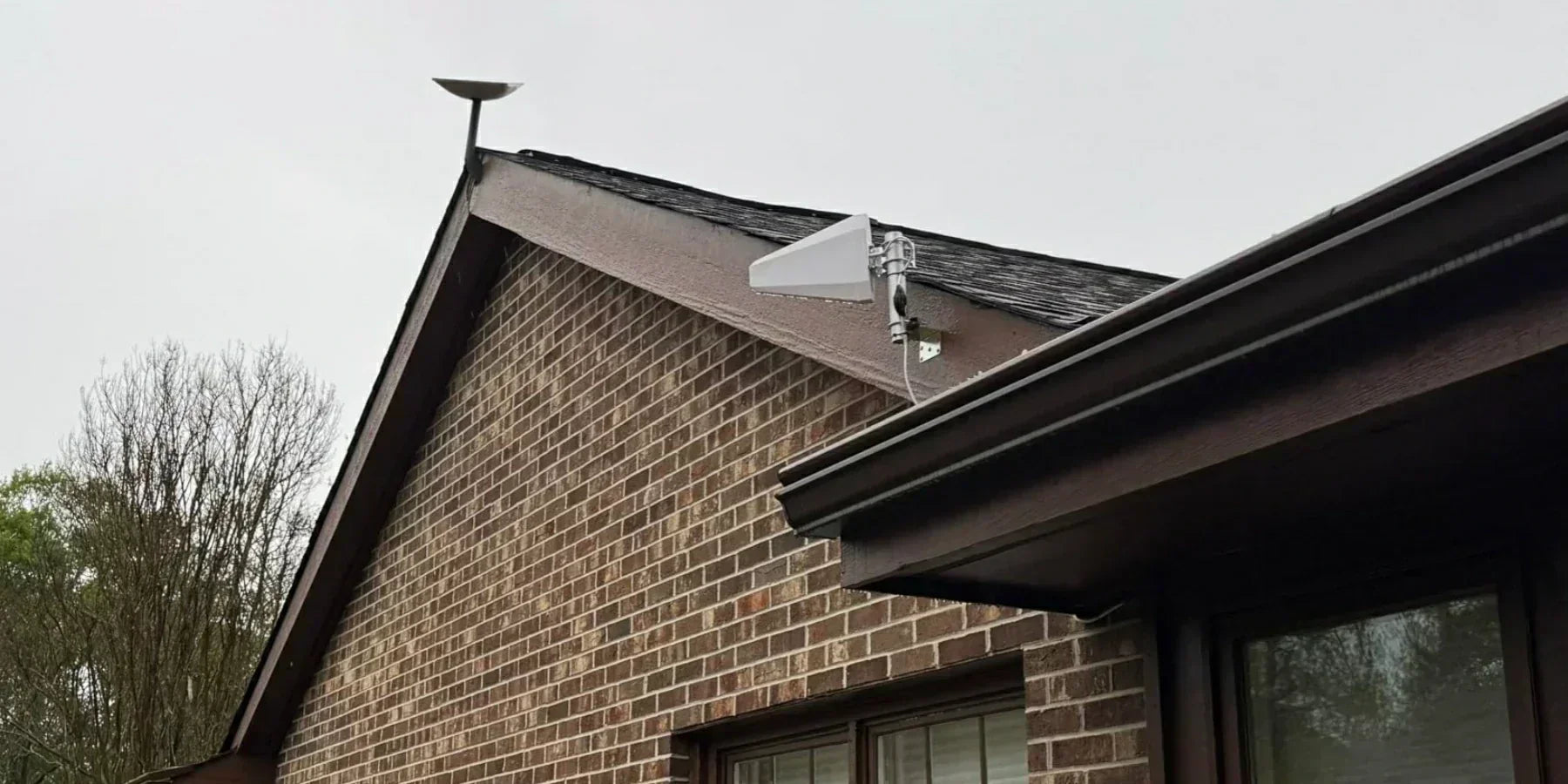
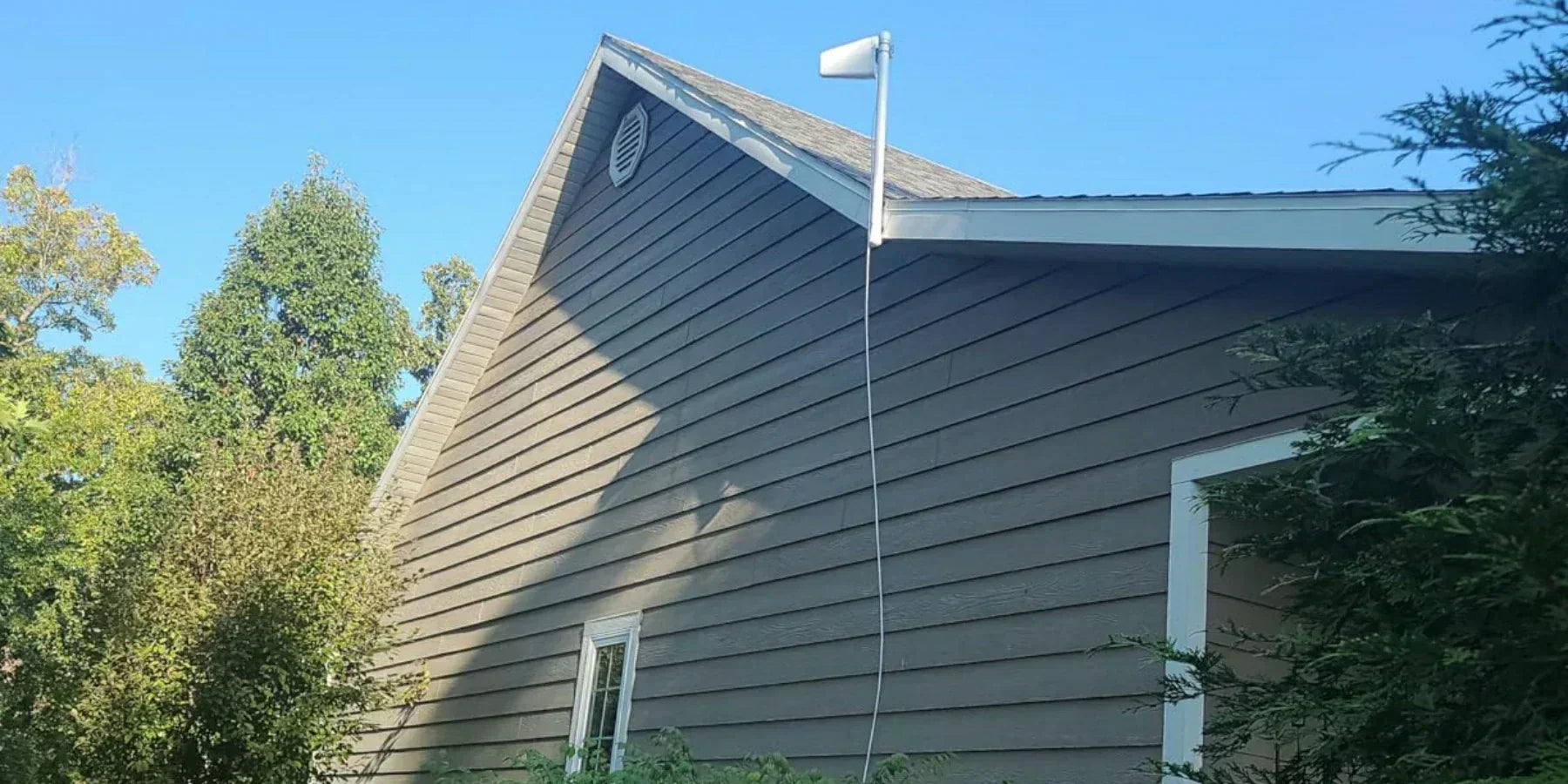
The system has an outdoor antenna and is mounted in a location with a strong signal, most commonly on the roof or an exterior wall.
This antenna picks up the existing signal directly from the closest cell tower before it is attenuated by building materials. This signal is then transmitted via a cable to the booster unit within your home.
Indoor Amplifier
The amplifier boosts the signal, making the booster's output much stronger. Then there is a re-transmission of the enhanced signal in your basement by an indoor antenna.
Meanwhile, the system also retransmits your phone's signal to the tower, which enhances the performance of incoming and outgoing calls.
The significance of this two-way communication is that a poor cell signal is not only related to receiving a signal but also to the level at which your phone can transmit information. The booster enhances connectivity in both directions, making it stable and reliable.
A home mobile signal booster can also reduce RF interference by providing a cleaner, more controlled signal within your premises.
Your phone gets a uniform signal and can use it easily, rather than having to deal with disjointed, distorted waves.
5G Makes It Worse?
The common belief is that 5G will fix all the issues, but in basement areas, it tends to complicate things. High-frequency signals used in 5G cannot readily penetrate walls. They are quick and weak.
Full bars you may see upstairs. Downstairs, nothing. This is why a home cell signal booster remains relevant in 2026. It will stabilize the signal strength and minimize the RF interference, restoring your connection.
The Top Strategies To Improve Cell Signal In A Basement (by Effectiveness)
A basement cell signal booster is the most complete and surest remedy since it actually resolves the root issue rather than goes around it.
Unlike temporary options, it will directly enhance your current signal, transforming a weak cell signal into a powerful, stable one.
Whenever individuals seek answers to how to improve their cell signal, this is the only answer that consistently yields real results. A home cell signal booster does not need the internet or limited range areas- it is compatible with your carrier's network and enhances the overall signal strength within your basement.
What It Does
A cell signal booster enhances the basement signal by picking up the signal outside your house- before it is blocked by concrete and RF interference. This is achieved by installing an outdoor antenna in a location where the signal is strongest.
The signal is then transmitted to the booster unit, which greatly amplifies it. An indoor antenna then re-transmits the enhanced signal throughout your basement after amplification. This establishes a robust and stable connection despite a poor cell signal.
Why HiBoost Boosters Stand Out - Best Booster for Basement
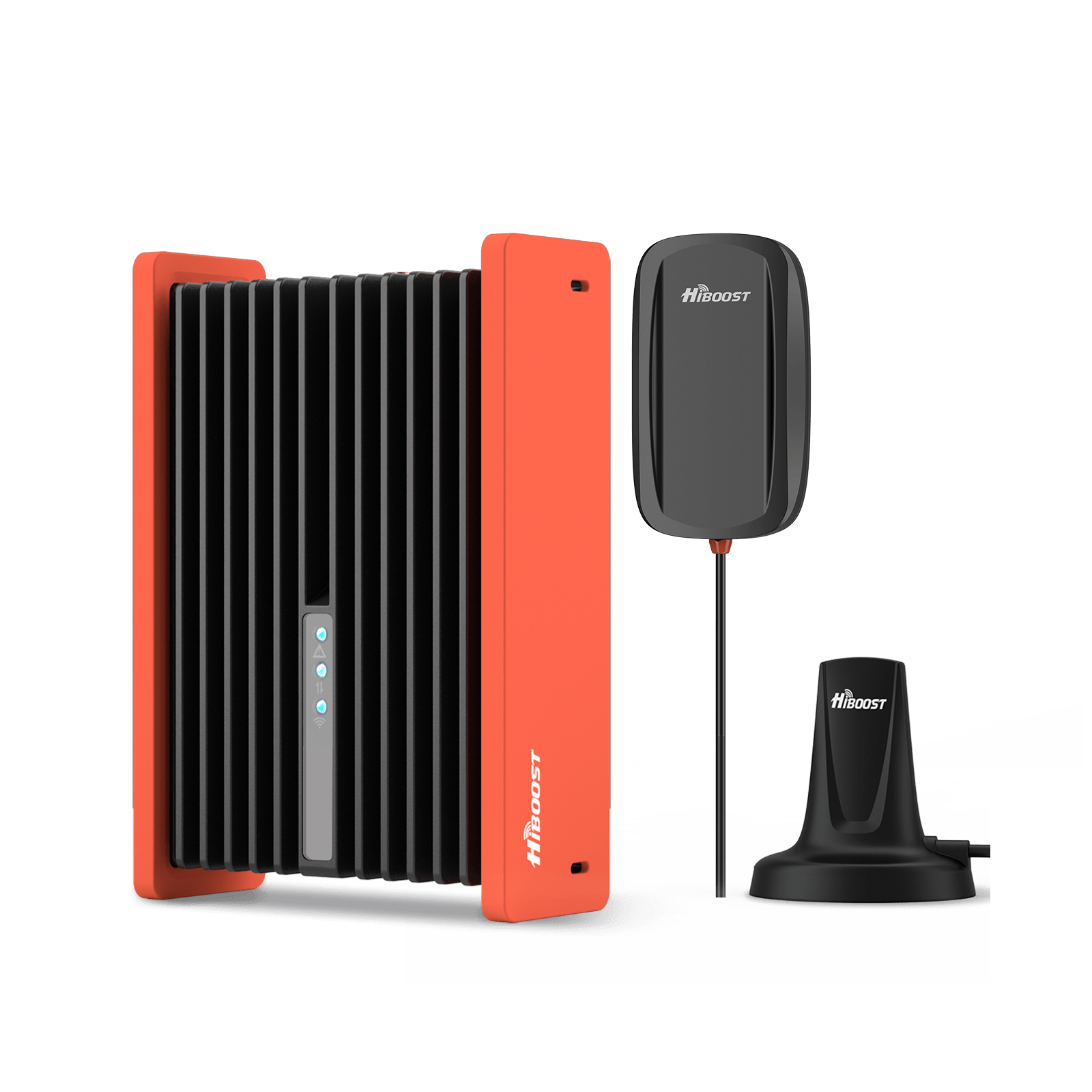
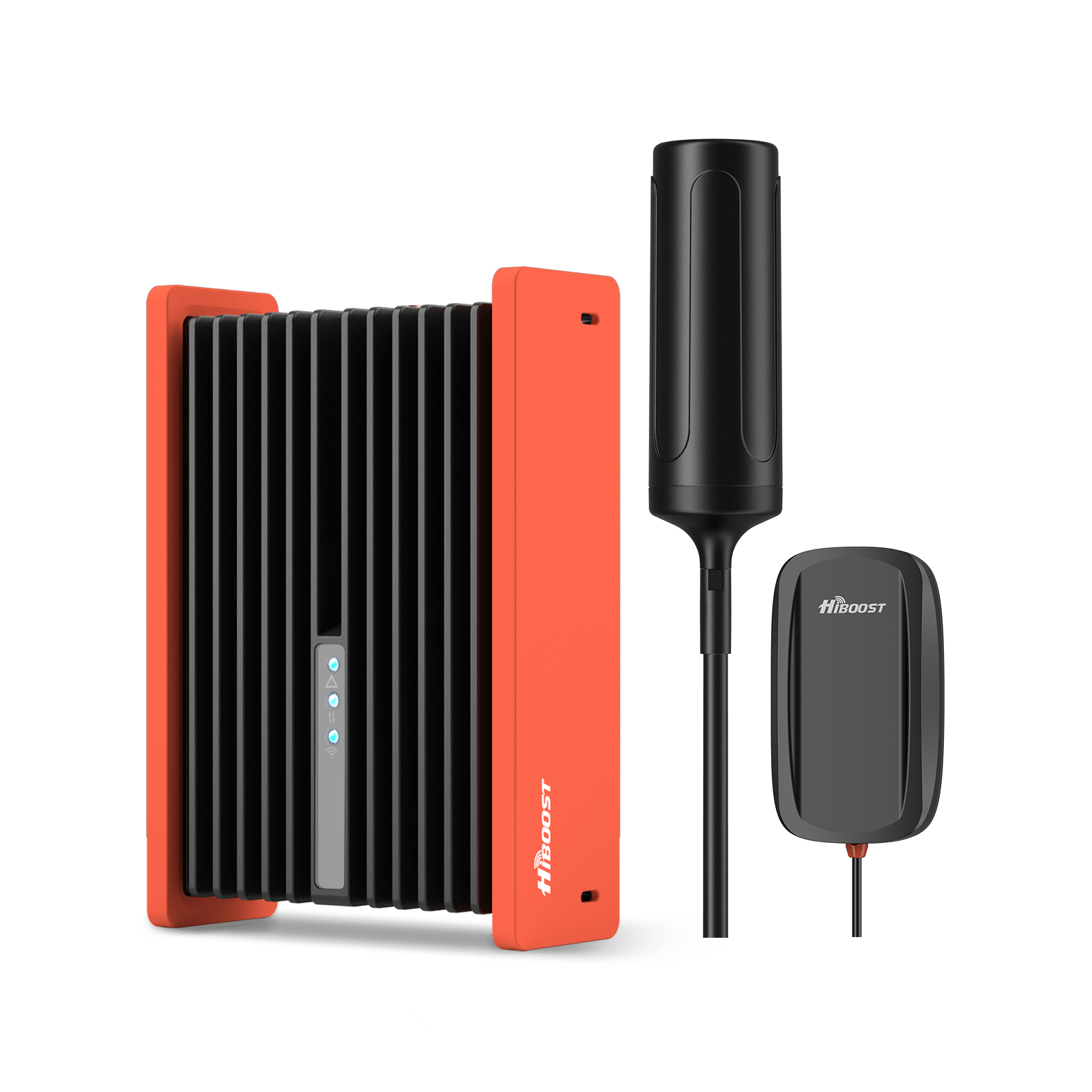
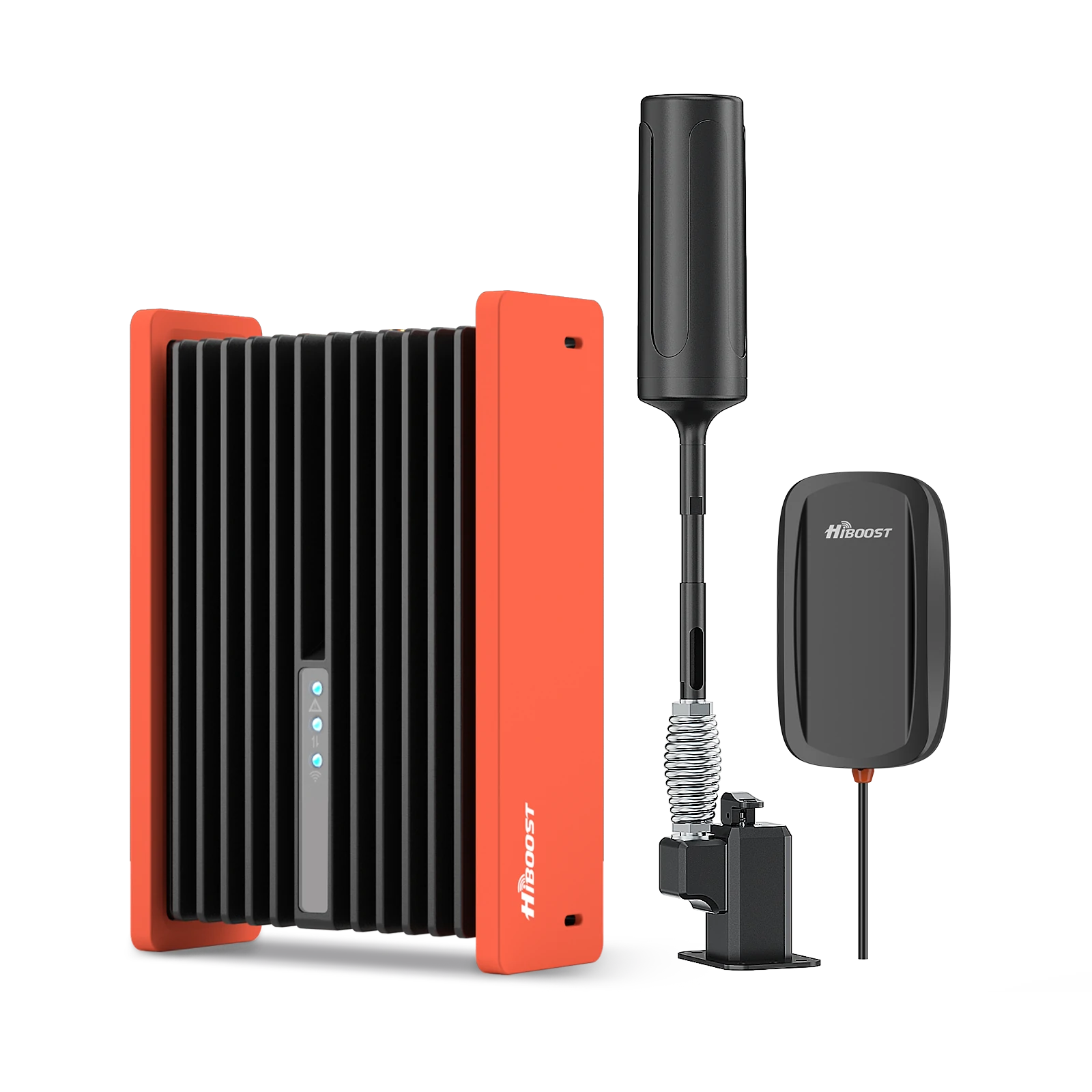
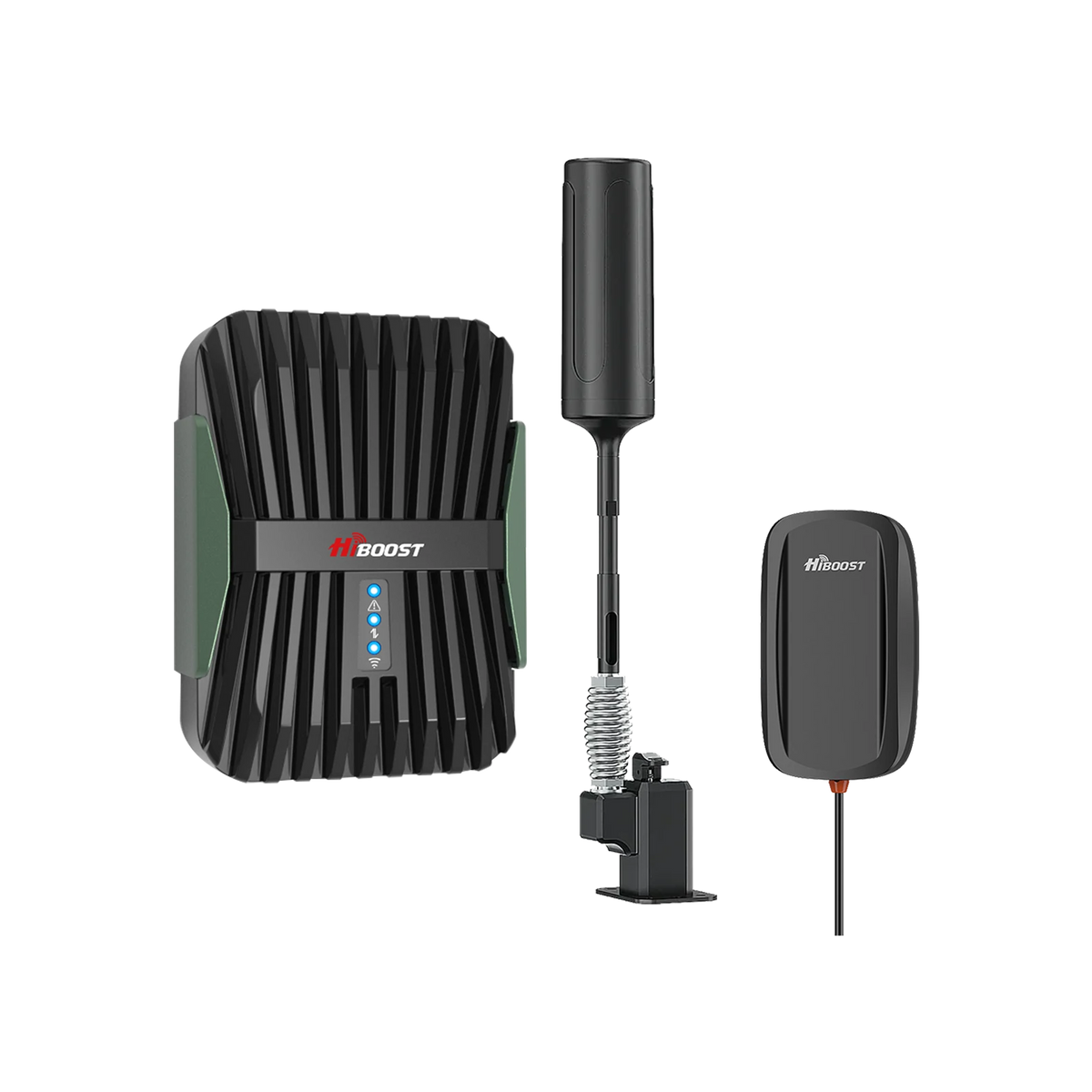
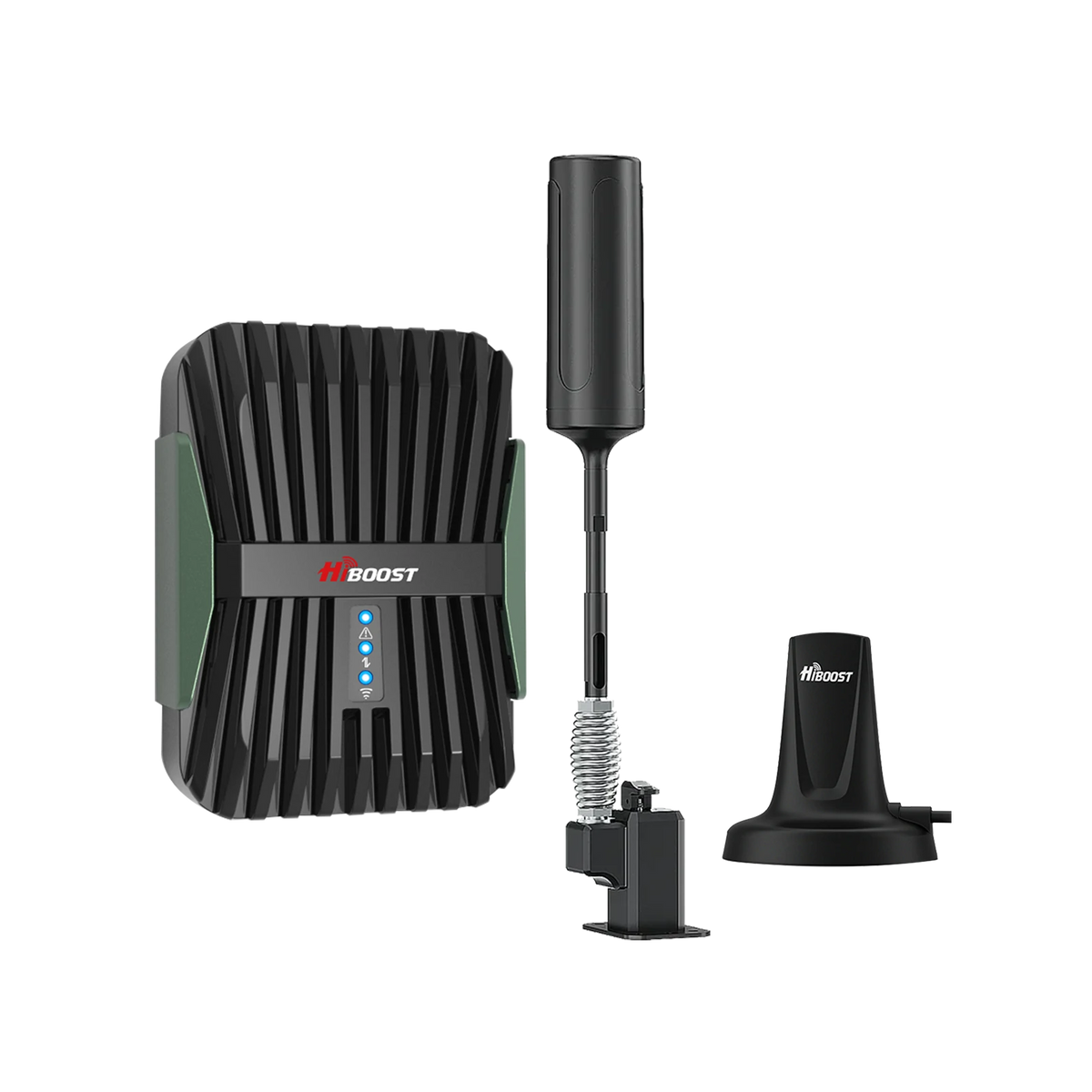
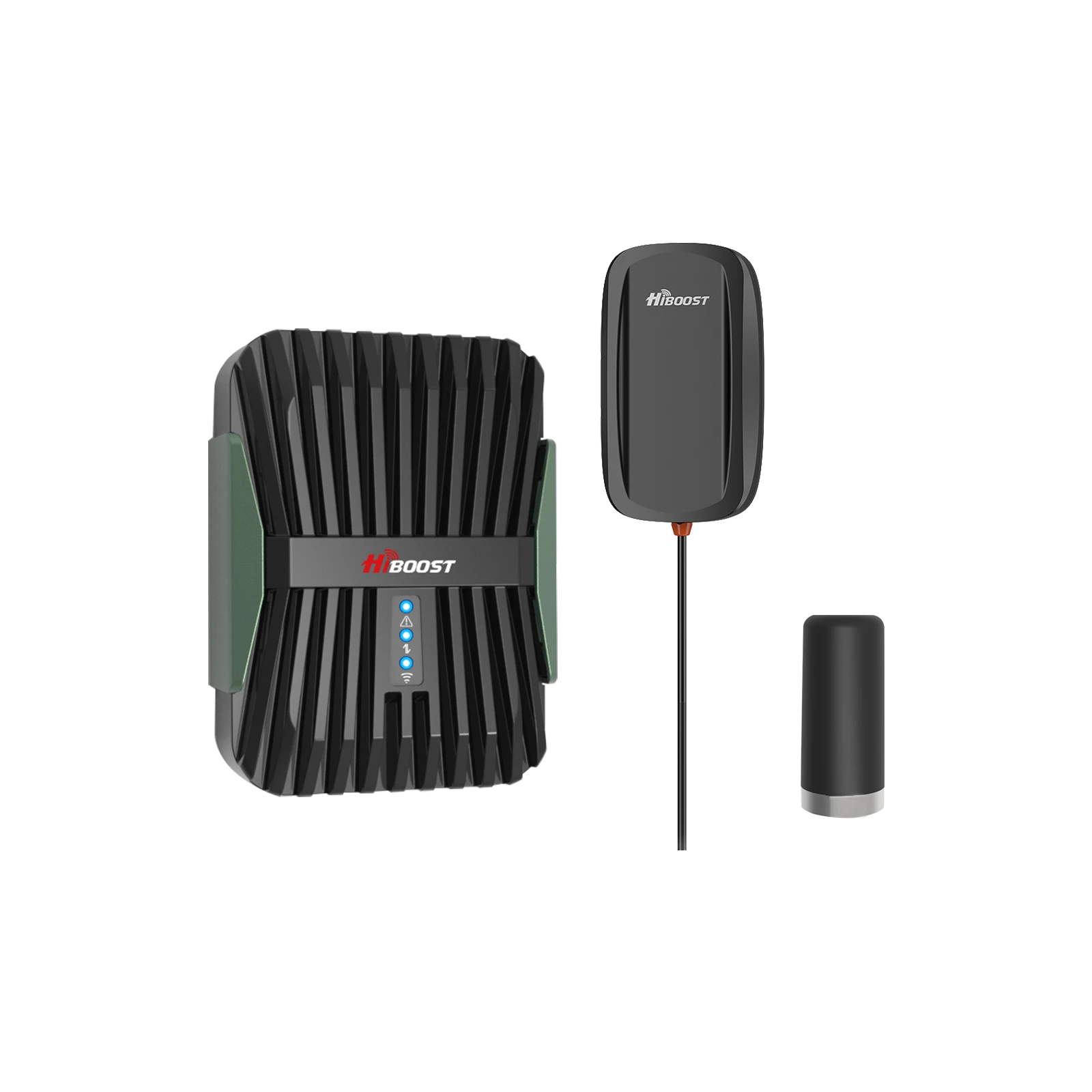
Not every system performs equally well when selecting a mobile signal booster for home use. The HiBoost boosters are specifically designed to cope with challenging environments, such as basements, where signal strength is very low and RF interference is very high.
The HiBoost systems have intelligent signal monitoring, high amplification potential, and simple installation.
They are designed to perform optimally even with a poor cell signal outside. This qualifies them as a good option for anyone keen on addressing their connectivity problems.
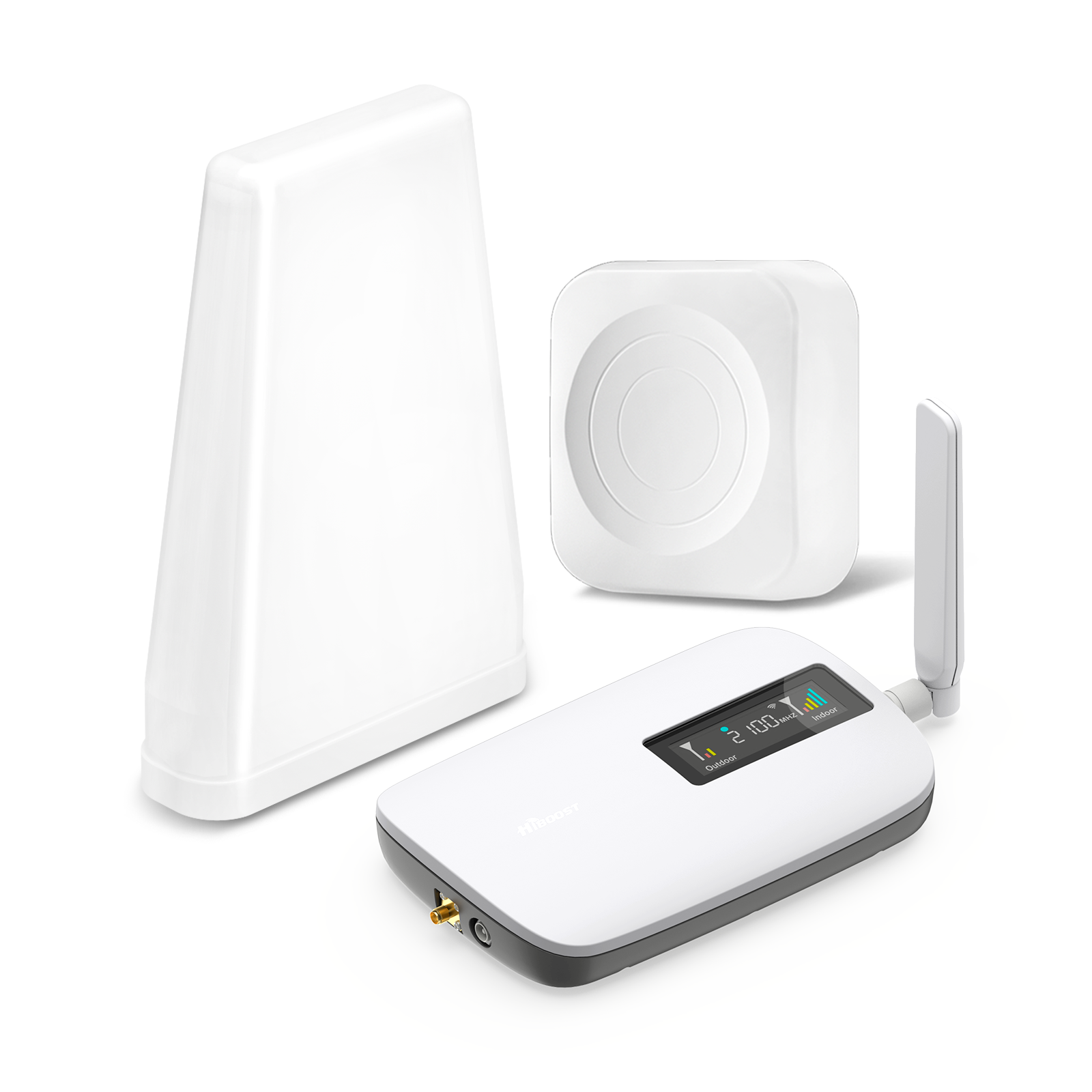
The basement HiBoost cell phone signal booster can provide a reliable signal throughout the rooms, reduce interference, and significantly improve call quality and data speeds.
Product Comparison Table - Real Market Data
| Attribute | HiBoost | weBoost | SureCall |
| Technology Type | Broadband (multi-carrier) | Broadband | Broadband |
| Max Gain (Home units) | ~65 to 7- dB | ~72 dB | ~65 to 72 dB |
| Coverage Range | 500 to 15,000 sq ft | 7,500 to 15,000 sq ft | Homes or small enterprises |
| 5G Support | Yes (sub-6 bands) | Yes | Yes |
| Multi-Carrier Support | Yes | Yes | Yes |
| App/Smart control | Strong and Multi-functional (HiBoost App) | Limited | Limited |
| Ease of Installation | DIY friendly | Often pro install | DIY (a bit complex) |
| Performance (Real Tests) | Balanced (moderate gain) | Strong DL performance | Moderate |
| Vehicle Boosters | High gain (Vehicle-specific models) | Moderate coverage | Moderate coverage |
| Enterprise Options | Up to 50k sq ft (industrial) | Small to moderate businesses | Enterprise level (30k to 40K) |
| Price Positioning | Mid-range (not too expensive) | Expensive (with fewer features) | Expensive (with limited features) |
Real Improvement
A common 20-40 dB increase in signal strength can transform a poor cell signal into a reliable, usable one. This translates from an actual drop in calls and slow internet speeds to clear HD voice and fast, smooth data speeds in the real world.
Even places where the cell signal is zero can be covered in the basement with a cell signal booster, providing a steady signal throughout the area.
Recommended Setup - Which is the One to fit your Needs
The right setup varies depending on your basement's size and layout, as well as the severity of your poor cell signal. Not all homes require the same system, so it is necessary to align the solution with your specific conditions to ensure you enhance cell signal in the basement areas appropriately.
Booster (Small-Medium Basements) - 1-2 rooms:
If you have one or two rooms in your basement and just need a small mobile signal booster in the house, that's the best option.
The primary problem in this case is normally a moderate signal loss due to concrete walls, although some useful outdoor signal strength remains.
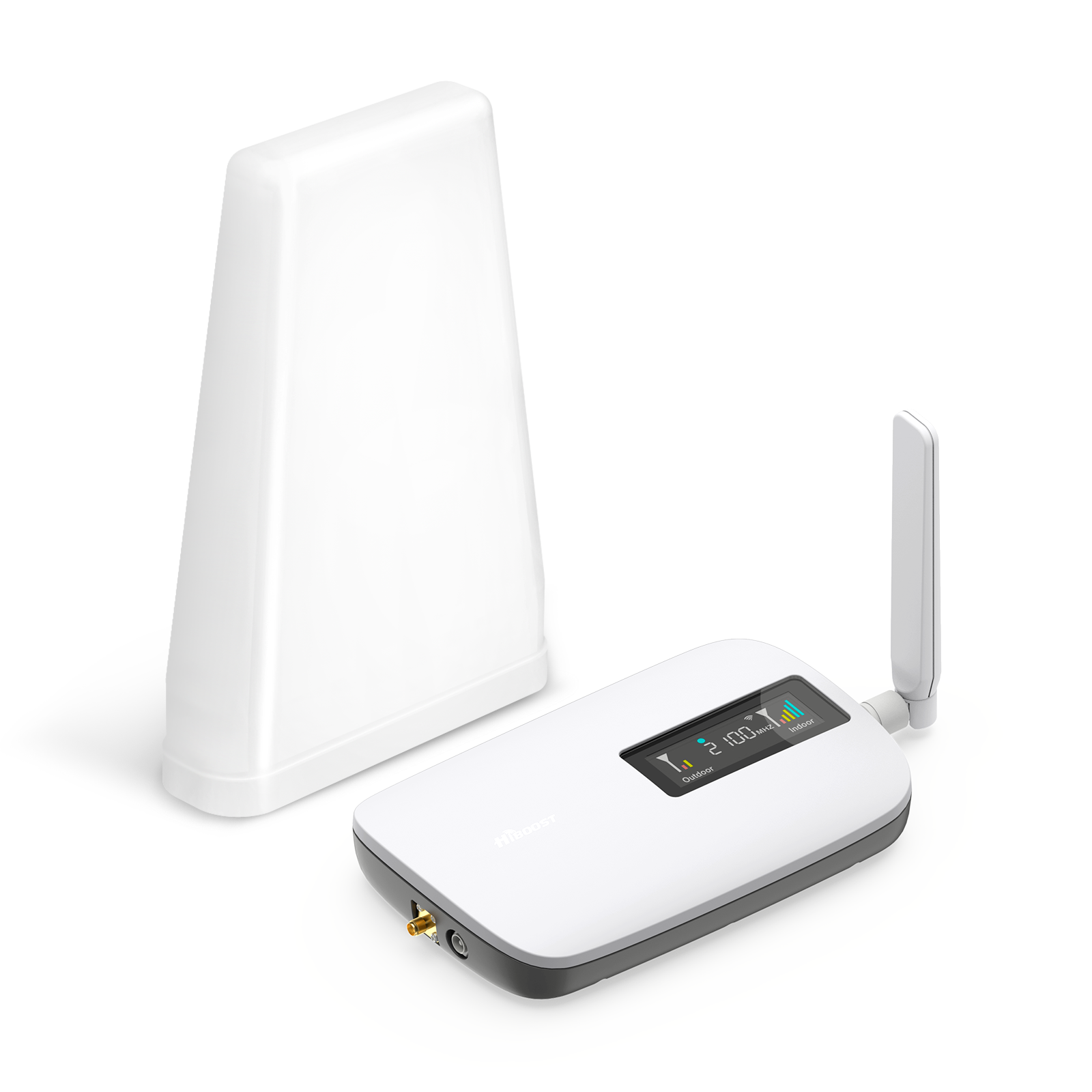
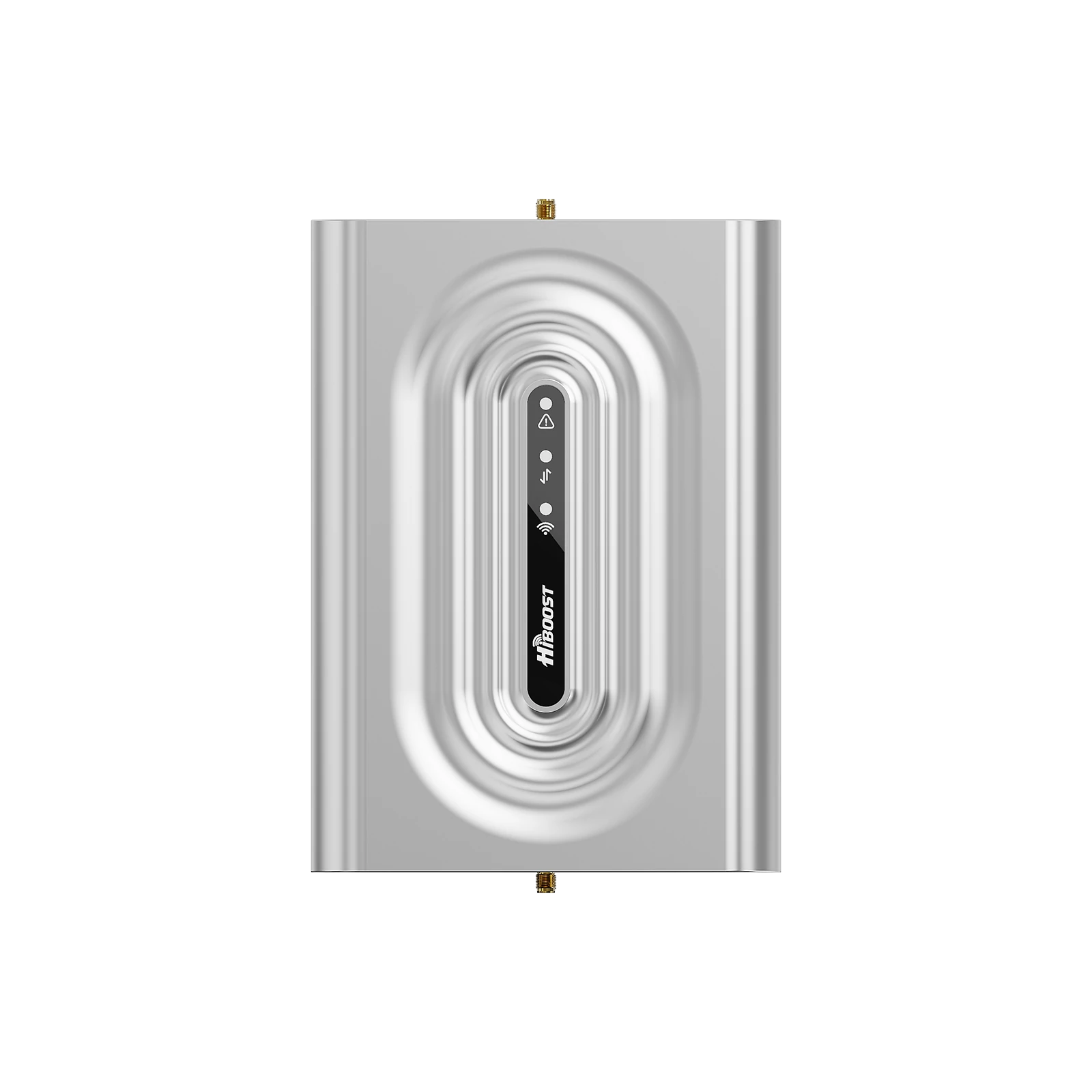
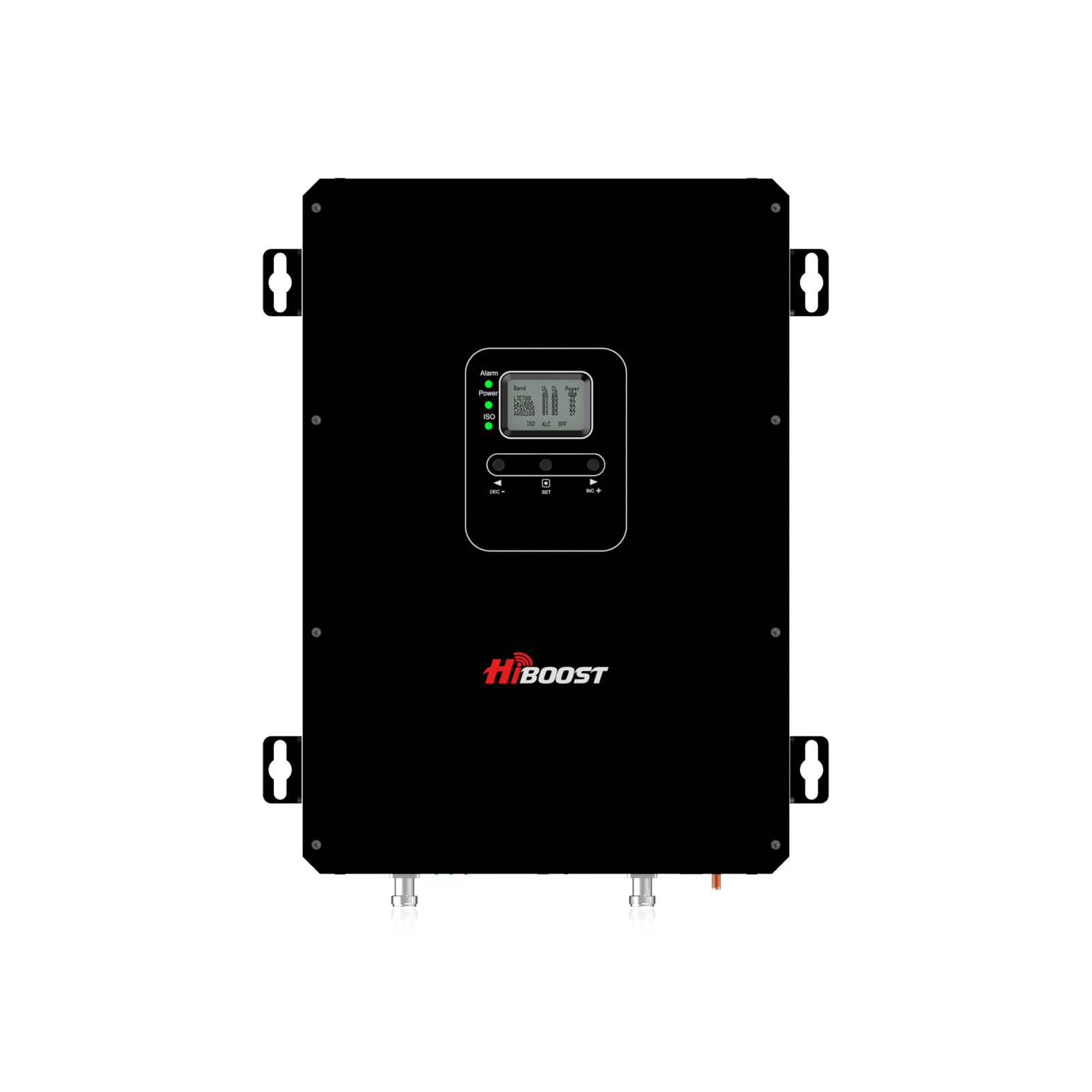
An example such as the HiBoost Home 4K Smart Link would be suitable. It fits in small spaces and can turn a poor cell signal into a reliable connection for calls, texts, and data.
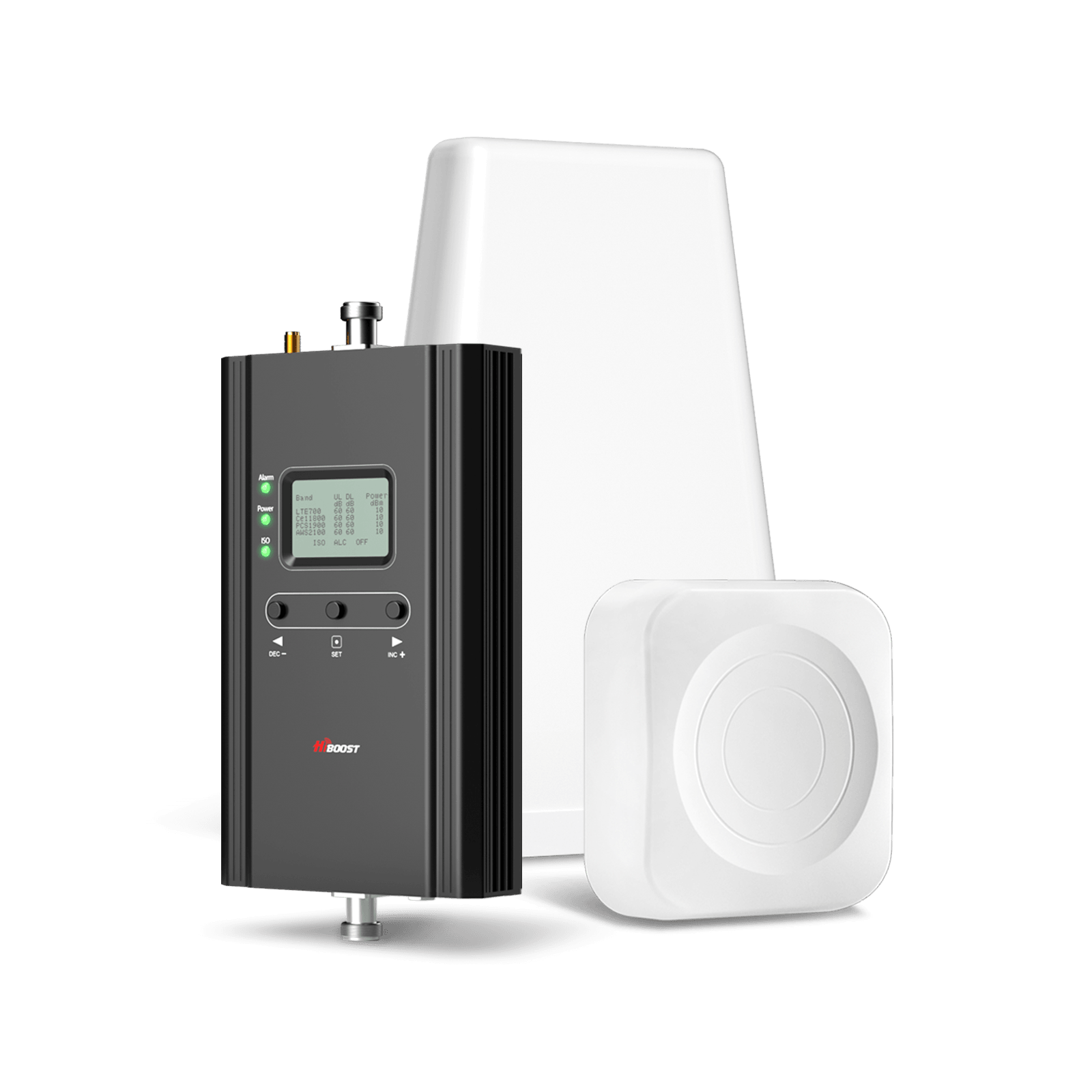
It is easy to install and requires no complex wiring, making it ideal for homeowners seeking a quick, efficient solution.
This kind of cell signal booster in the basement offers localized indoor coverage, i.e., it boosts the signal where you need it the most.
This arrangement is ideal when:
- You predominantly occupy one or two rooms.
- Your signal is fair (13 bars) outdoors.
- You need an easy-to-use, cost-effective way to enhance signal strength.
Booster For Large Basements / Whole Home
If you have a large basement, more than one room, or need the whole house covered, you will need a stronger cell signal booster at home.
Signal loss in such instances is typically more severe, and RF interference may affect multiple regions.
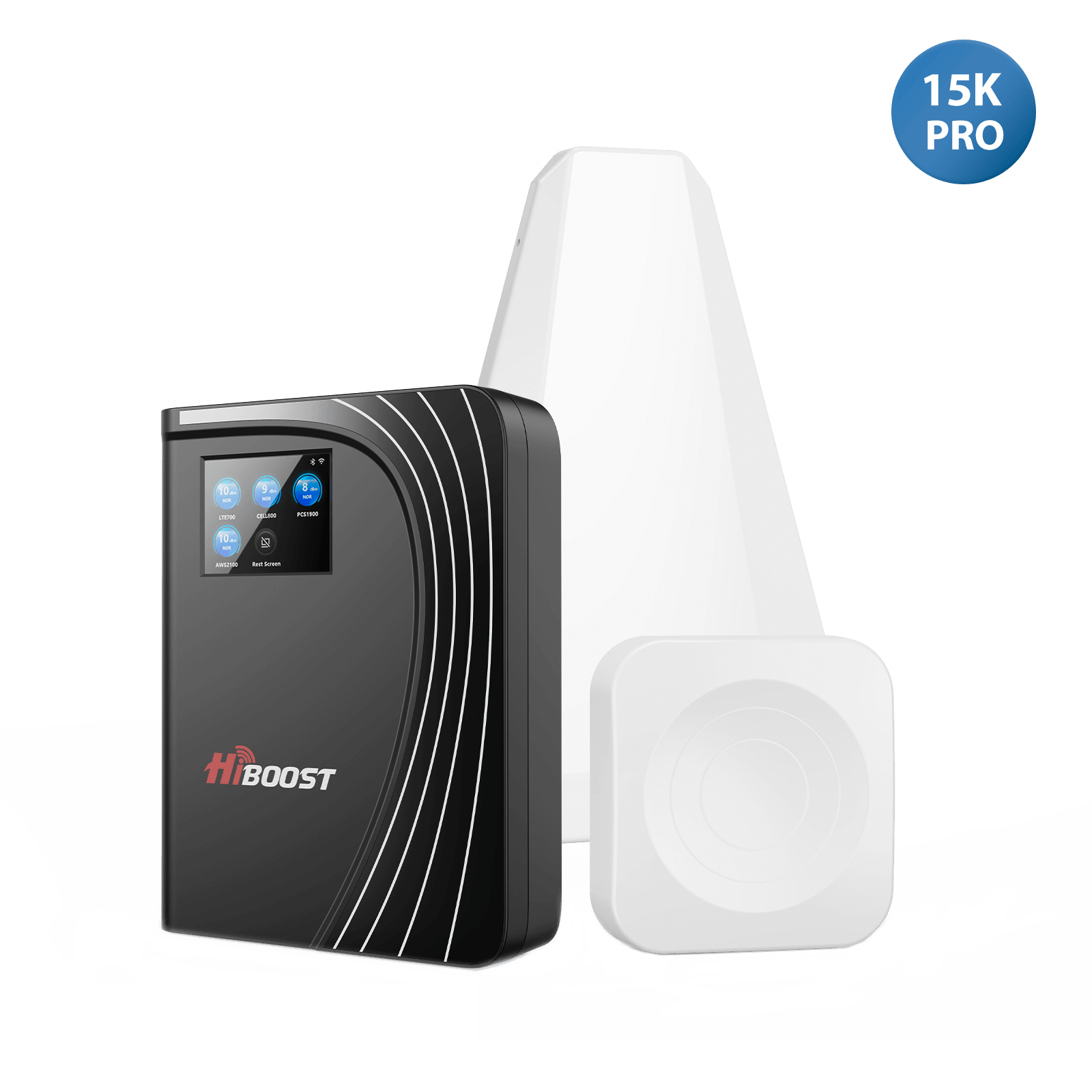
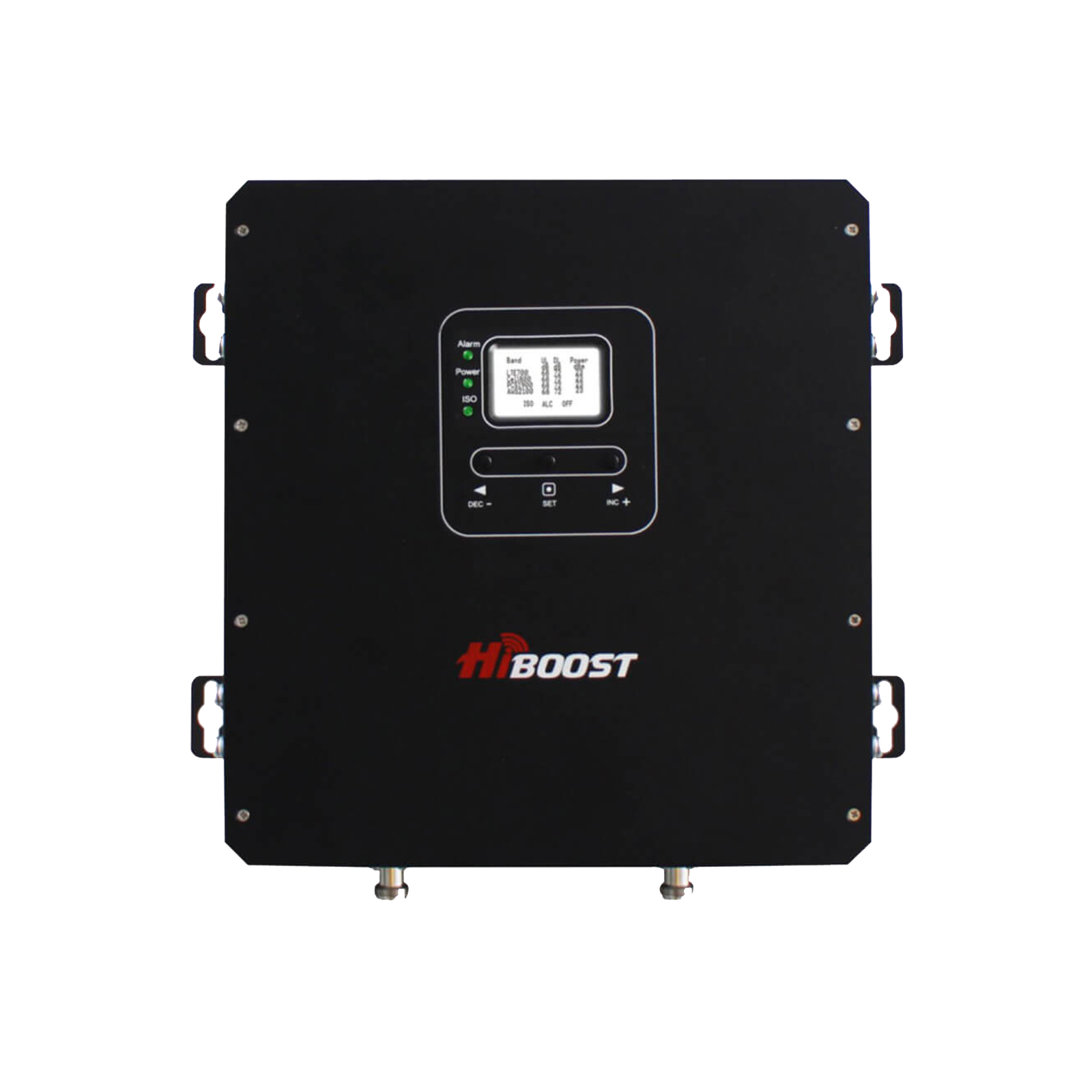
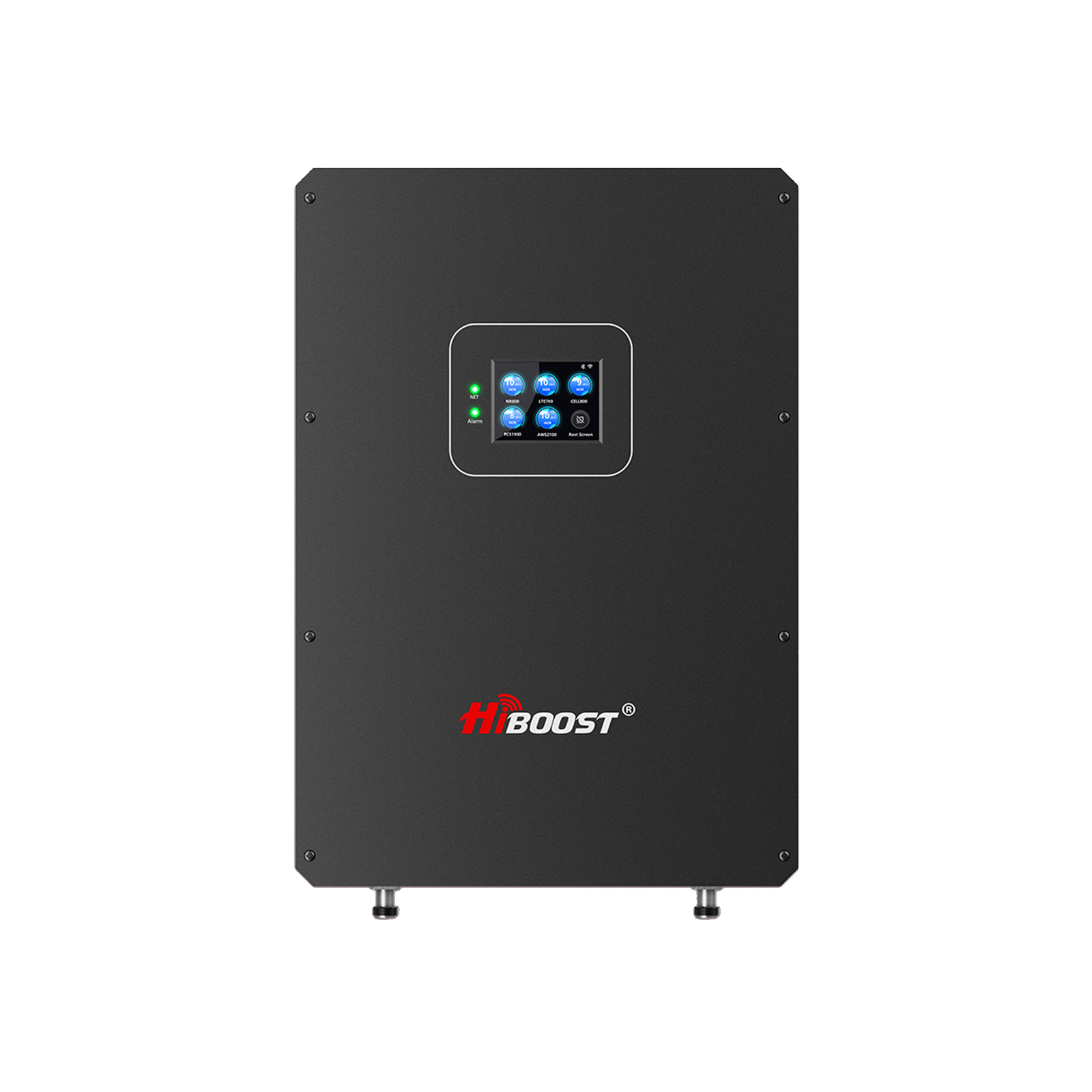
A more powerful system, such as the HiBoost 10K Smart Link or HiBoost 15K Smart Link Deluxe, is more suitable.
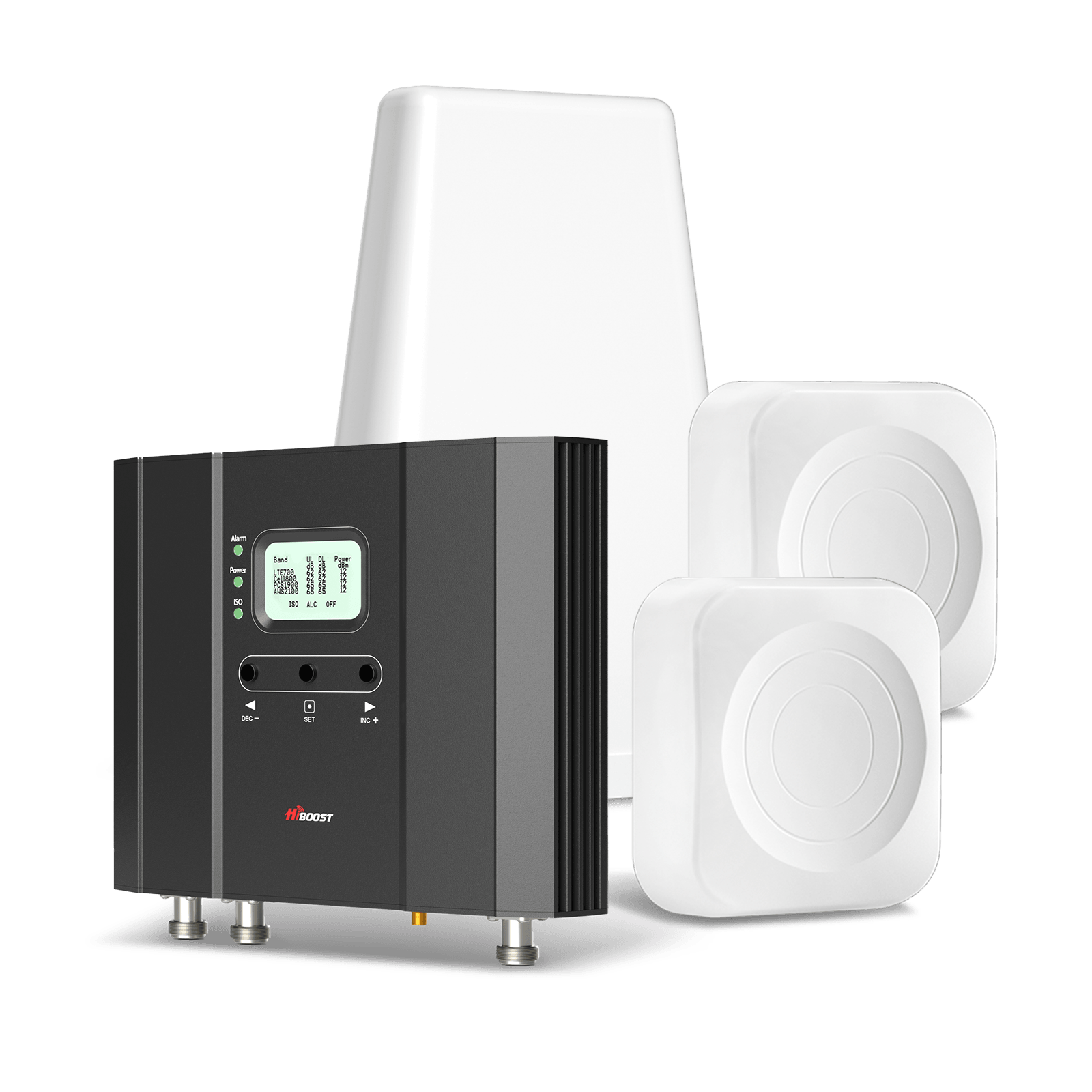
These models are designed to cover more areas and can distribute signal strength more evenly across more rooms with extra indoor antennas.
This kind of cell phone signal booster in the basement is not merely a patch over a single area- it is a complete network within your home.
It ensures that everyone in the house gets a good signal simultaneously, without drops or dead zones.
This arrangement is best when:
- You wish to enhance the cell signal completely in the basement and upstairs.
- Your basement has several rooms or heavy walls.
- You have severe RF interference and an extremely weak signal strength.
- You require a good performance to work, stream, and use in everyday life.
WiFi Calling (Good Backup, Not a Real Fix)
WiFi calling enables you to make calls over the internet rather than a cellular connection. It may help when you have poor cell signal, but it does not enhance the actual signal strength.
Pros
- Works with most smartphones without additional hardware.
- Make calls and texts when you have poor cell coverage.
- Temporary solution when trying to find out how to improve the cell signal.
Cons
The quality of WiFi is entirely relied upon; bad internet = bad call quality.
Will not enhance real signal strength or minimize RF interference.
Go to the Window of the Basement
Being close to a window can slightly enhance your signal.
Improvement:
The small increase in signal strength is due to the signal not needing to traverse as much material.
Limitation:
This is not feasible. You cannot be by a window all the time. It fails to address the poor cell signal issue throughout the basement.
Carrier Network Extender (Femtocell)
This device is connected to your internet and forms a mini cellular network indoors. It can assist when you experience a poor cell signal, but it does not actually enhance the signal strength from outdoor towers.
Pros
- Browsing the internet can, hence, give you signals in areas with low coverage.
- Applicable in case of practically no cell signal.
- Easy installation for basic calling and texting requirements.
Limitations
- Small area of coverage, typically one or two rooms.
- Network-specific, meaning it is only compatible with a single network.
How to Choose the Right Solution
Step 1: Check Signal Outdoors.
Leave your house and check your signal. A home cell signal booster will be effective with 1-2 bars of signal.
Not even the best cell phone signal booster in a basement will work with zero signal outside.
Step 2: Set Your Objective.
WiFi calling may come in handy if you just need to make calls. A mobile signal booster at home would be the ideal option if you wish to enhance the cell signal in the basement for full coverage.
A femtocell could be an option in case you require carrier-specific support. The trick is that only a cell signal booster in a basement can enhance actual signal strength and minimize RF interference.
Installation Guide - How To Install The Booster In Order To Capture Maximum Signals
1. Outdoor Antenna Placement
Install the antenna in the location with the strongest signal, such as on the roof or an exterior wall. This provides your home cell signal booster with a clear signal to boost.
RF interference and weakening performance can be caused by obstructions such as metal and thick walls.
2. Maintain Antenna Separation
Separate indoor and outdoor antennas to avoid RF interference. This assists your cell signal booster in the basement to work well without signal feedback.
The farther apart the antennas are, the better the signal strength and the more consistent the coverage.
3. Use High-Quality Cable
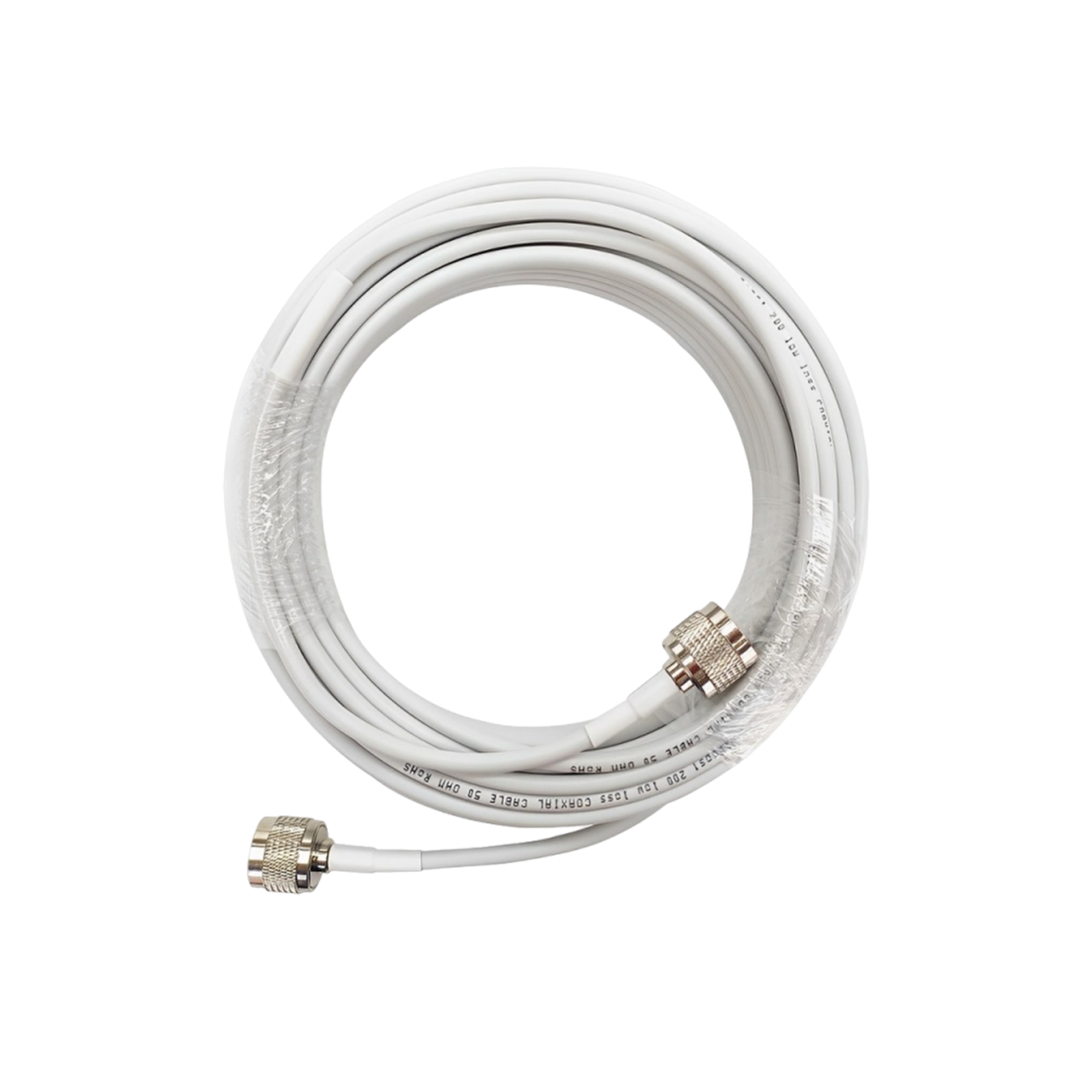
Good cables should be used to minimize signal loss and ensure a strong signal. This will make your mobile signal booster work better. Even after installation, poor-quality cables may result in a weak cell signal.
4. Adjust to Maximum dBm Gain
Gradually tilt the antenna to locate the optimum signal strength. Performance can be enhanced by small changes.
This also helps reduce RF interference and makes it easier to improve cell signal in basements. For more detailed installation tips and step-by-step guides for different areas of your home, check out our complete booster installation guide
Common Mistakes
- Placing a cell signal booster in the basement without verifying the signal strength outside.
- The installation of antennas too near each other results in RF interference.
- Assuming immediate outcomes without the appropriate setup and adjustment.
- Disregarding building materials such as concrete and metal, which reduce signal strength.
- Failing to place the antennas in the right position results in a poor cell signal.
Limitations of Signal Booster
To be honest:
- A home cell signal booster will not generate a signal out of nothing. It requires some pre-existing signal.
- Outdoor conditions are dependent on performance.
- Very high-frequency 5G might not perform well indoors, even with a mobile signal booster at home.
Conclusion: What Really Works
The answer is simple if you want real results. When you want to improve cell signal, enhance signal strength, and minimize RF interference, the only full-fledged solution is a basement cell signal booster. Home cell signal booster provides you with a solid signal, high-speed data, and complete coverage. Signal boosters capture the existing weak signals, amplify them, and provide you with these amplified signals. This is the best solution to resolve the no-signal issue in the basement.
FAQs
Q1: Does A Basement Necessarily Kill Signals?
In most cases, yes. The dense concrete and metal structures attenuate signals and cause RF interference, leading to weak cell signals or no signal at all. This can be corrected with a basement cell signal booster that brings in a strong signal.
Q2: What Is The Maximum Signal That Can Be Enhanced By A Booster?
A cell phone signal booster that works well in the basement can increase signal strength by 20-40 dB. This can transform a poor cell signal into intelligible calls and high-speed data, based on your signal in the wild.
Q3: Does It Work With Verizon/AT&T/T-Mobile?
Yes, most home-use mobile signal boosters are compatible with all major carriers. A home cell signal booster enhances signal strength for multiple users and networks simultaneously.
Q4: Is It Self-Installable?
Yes, most home cell signal boosters are simple to install. Proper installation can provide a quick fix to enhance cell signal in basements and minimize RF interference, improving performance.
Recommended Reading
How Do Cell Phone Signal Boosters Work?
How to Measure Real Cell Signal Strength Using Field Test Mode
Choosing the Right Antenna: Omni-Directional vs. Yagi (Directional)
How to Avoid Signal Oscillation in Home Booster Installations
Weak Cell Signal in Apartment? How to Boost Phone Reception Indoors
Best Cell Signal Boosters for Rural Homes in the US (2026Guide)
Car/Suv,RV,Truck,Vehicle


Our Home Signal Booster



Popular Articles

Leave a comment
All comments are moderated before being published.
This site is protected by hCaptcha and the hCaptcha Privacy Policy and Terms of Service apply.