
About 20% of mobile subscriptions were using 5G in 2023 and now in 2025, it will rise to around 80%. Since its commercial introduction, 5G has rapidly expanded all over the world, offering unimaginable speed, ultra-low latency, and support to a large number of devices.

But, there are still some urban areas around the globe that lack 5G facilities due to low population, higher-maintenance cost, or obstacles, due to which a large number of the population is still unable to access fast internet and network speed.
As reliance on remote work, smart homes, IoT devices, and real-time communication grows in 2025 and beyond, 5G signal boosters will play an increasingly vital role in enhancing user experience and ensuring seamless digital engagement.
This guide explains everything you need to know about 5G signal boosters, how they work, who needs one, and what the future looks like for 5G connectivity.
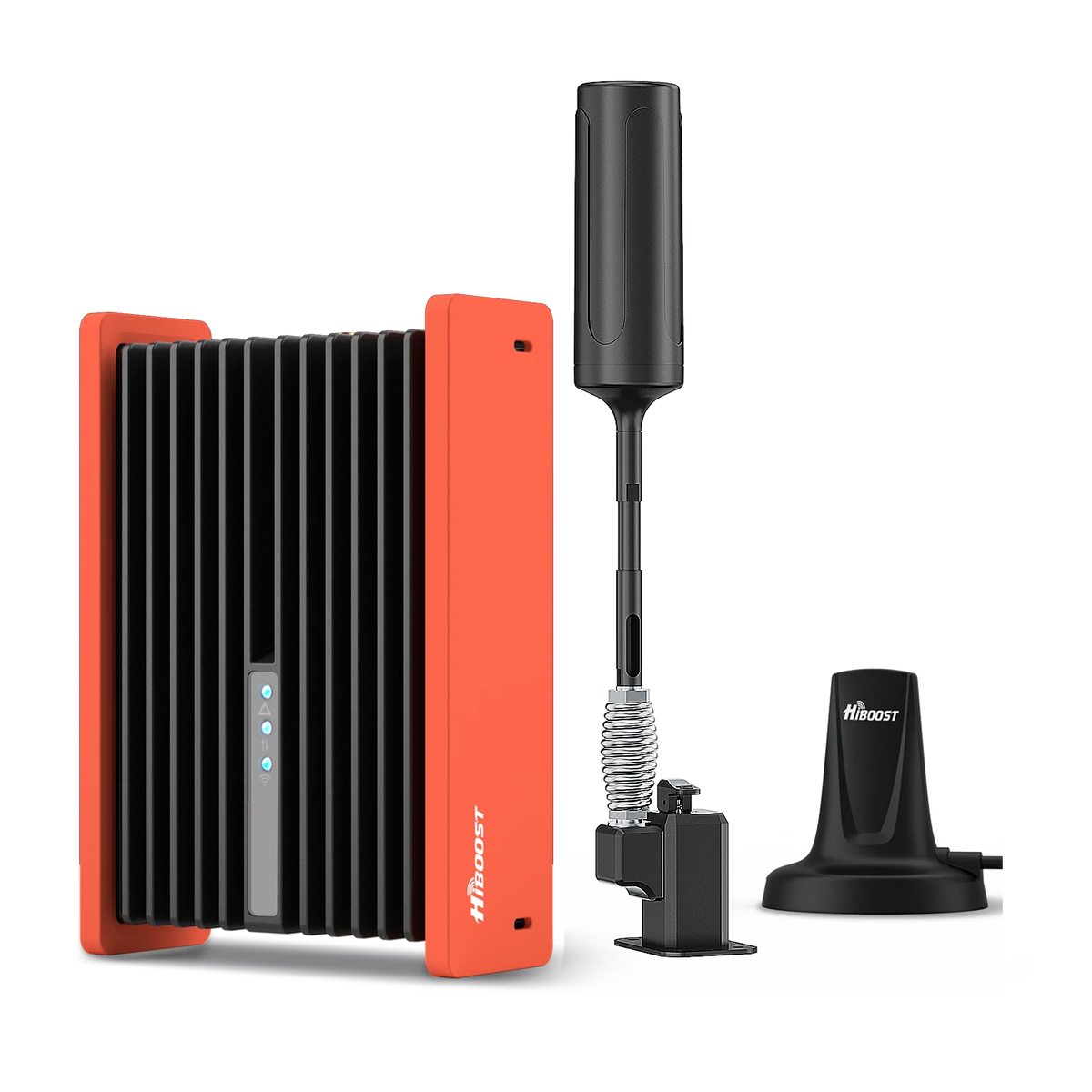
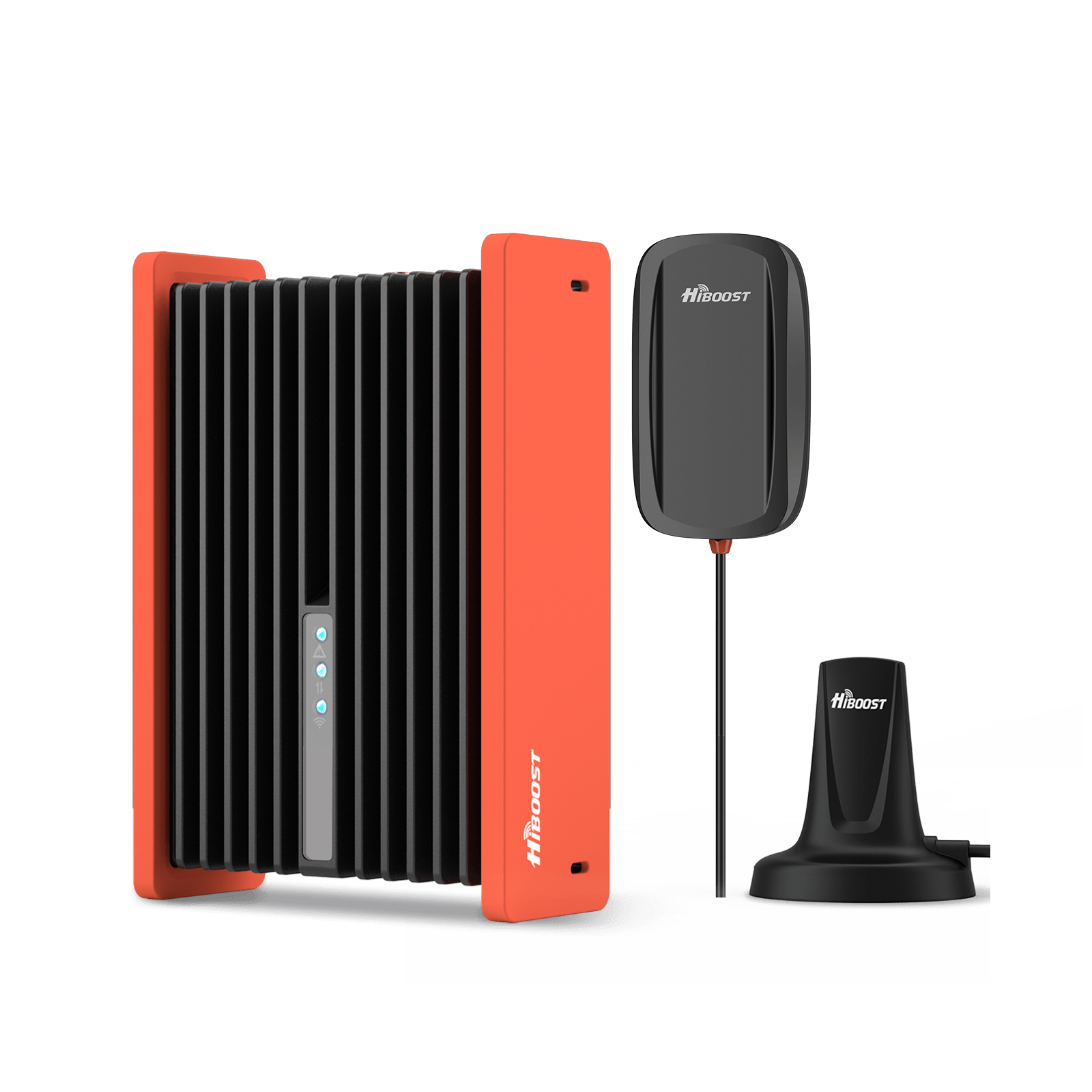
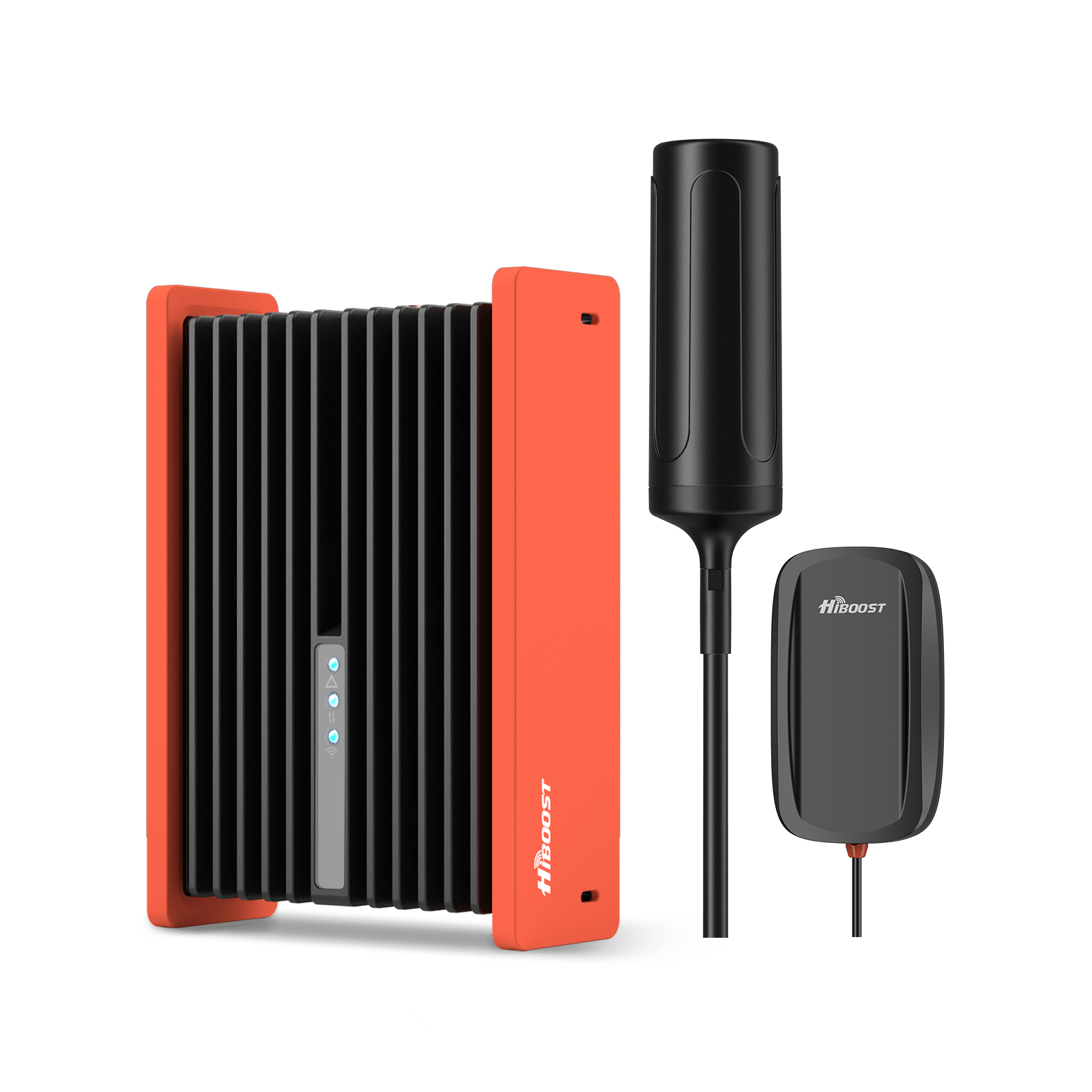
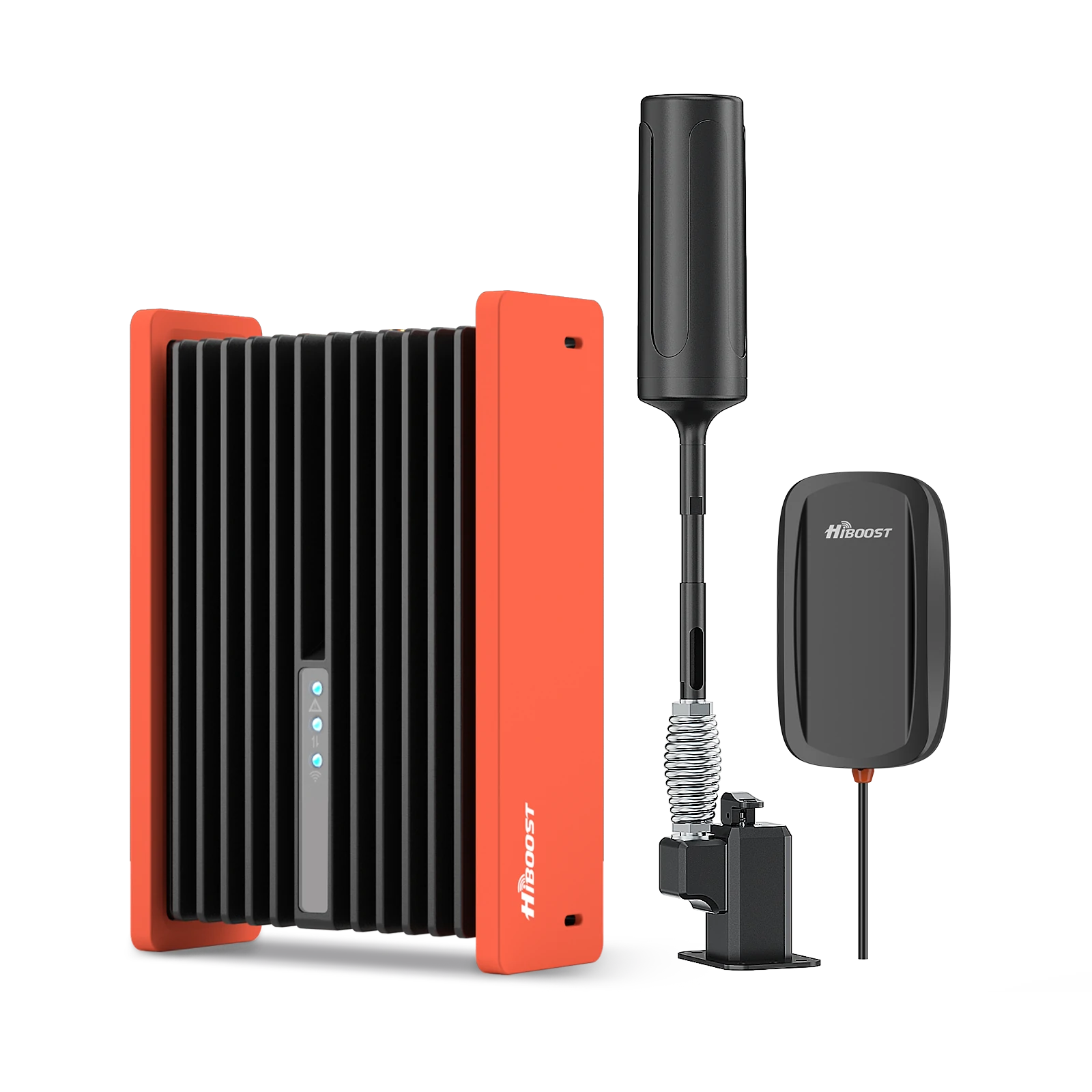
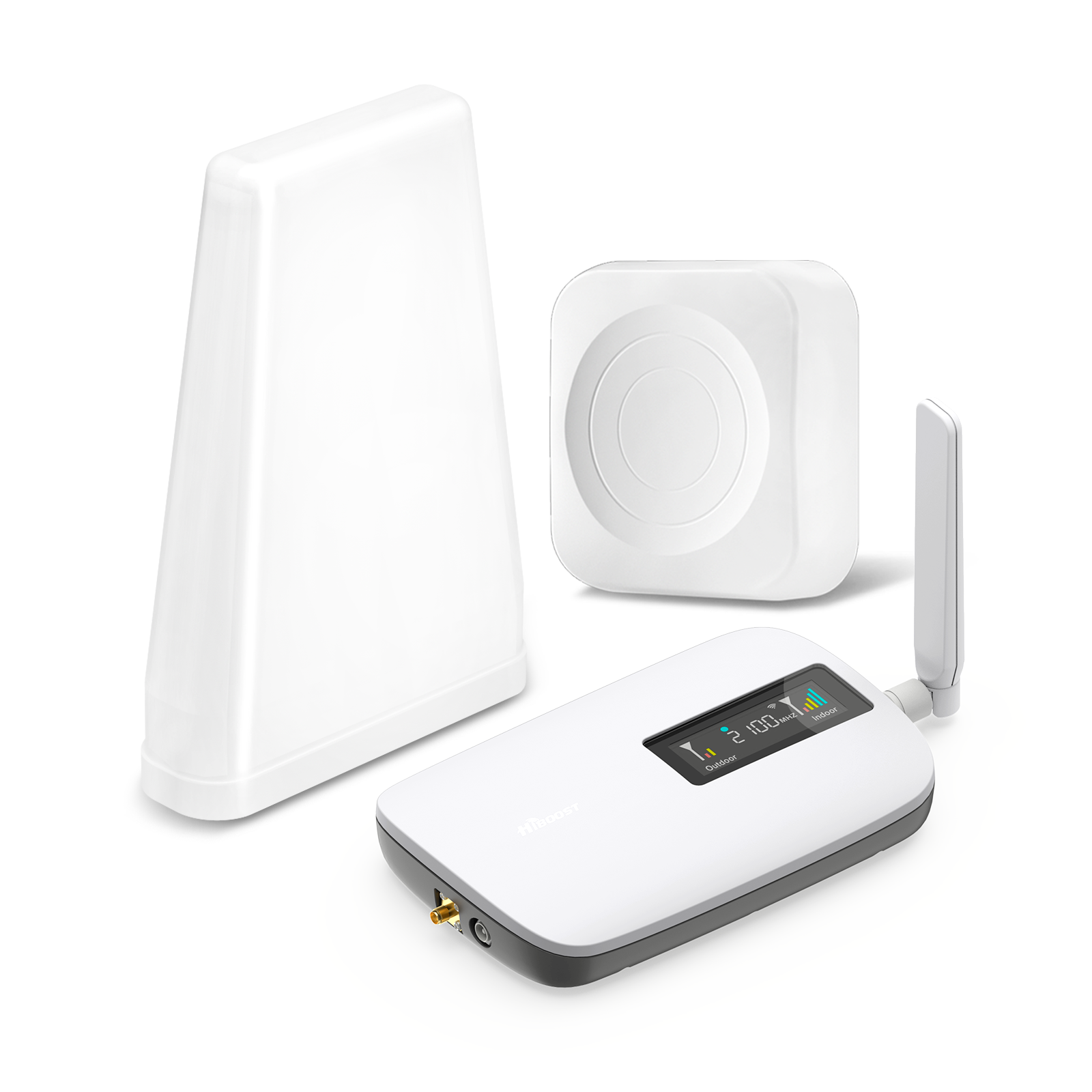
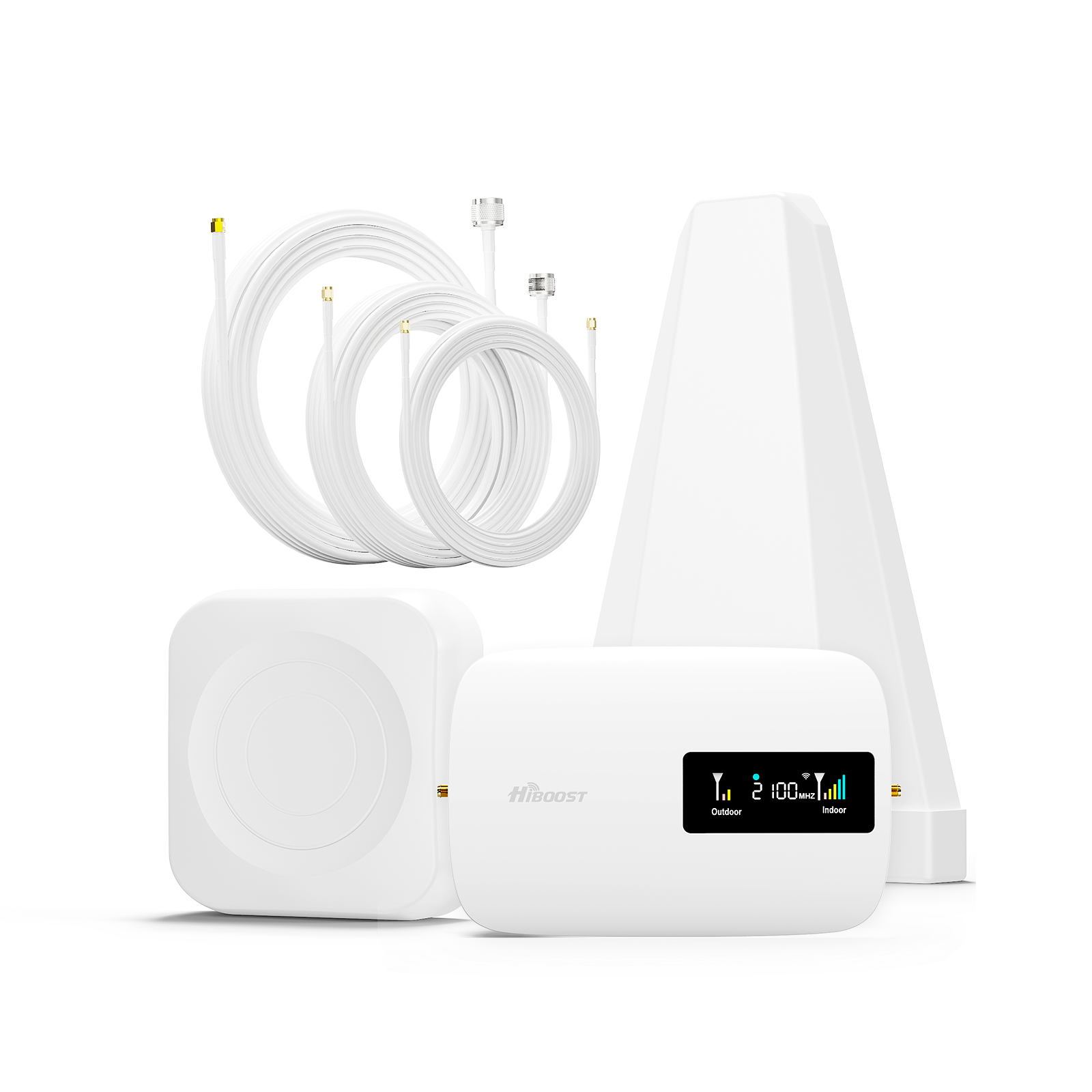
What is a 5G Signal Booster? - Main Components of Boosters
Check out HiBoost’s top‑rated signal boosters — optimized for 5G, 4G/LTE and all major carriers. Find the perfect fit for your home, RV, or vehicle.
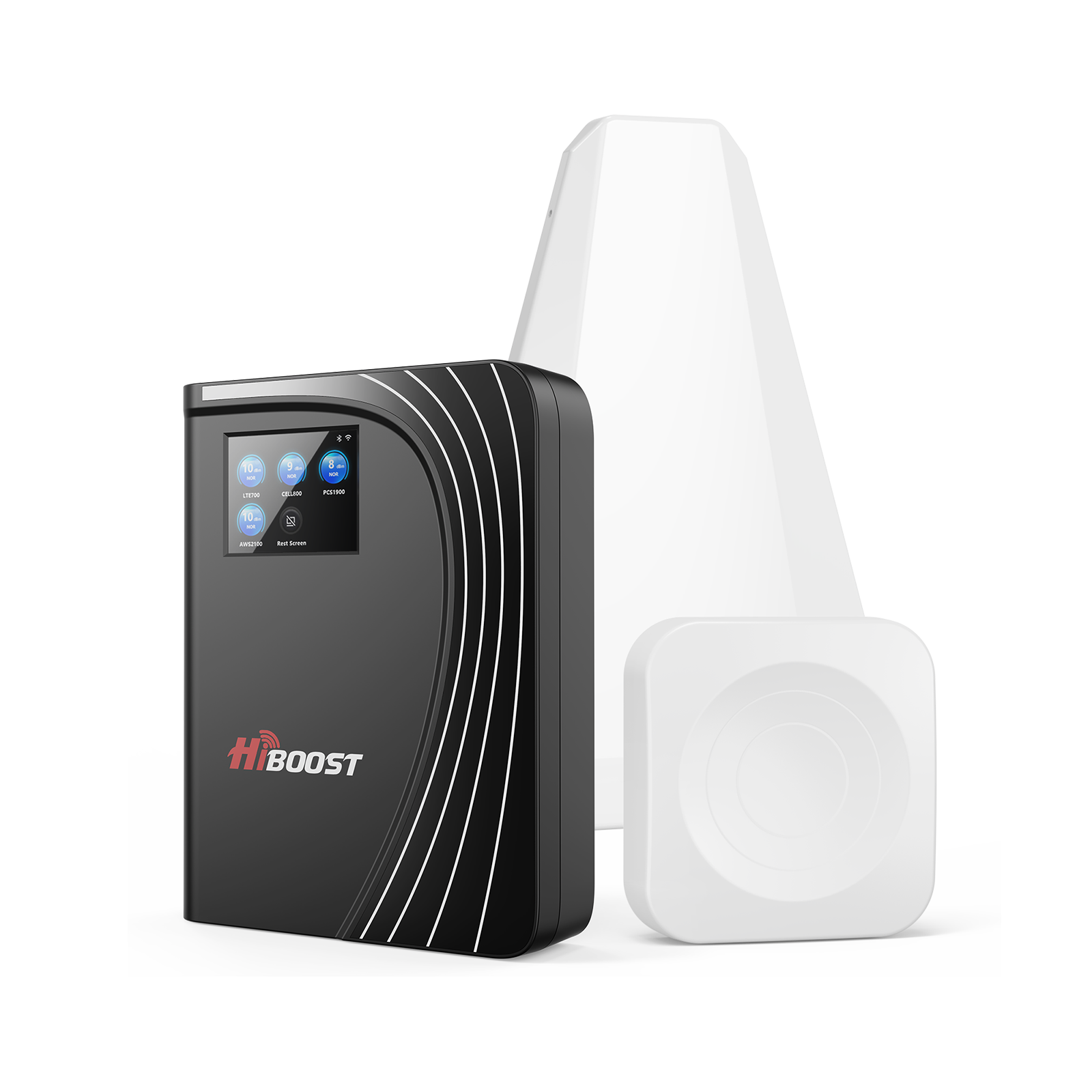
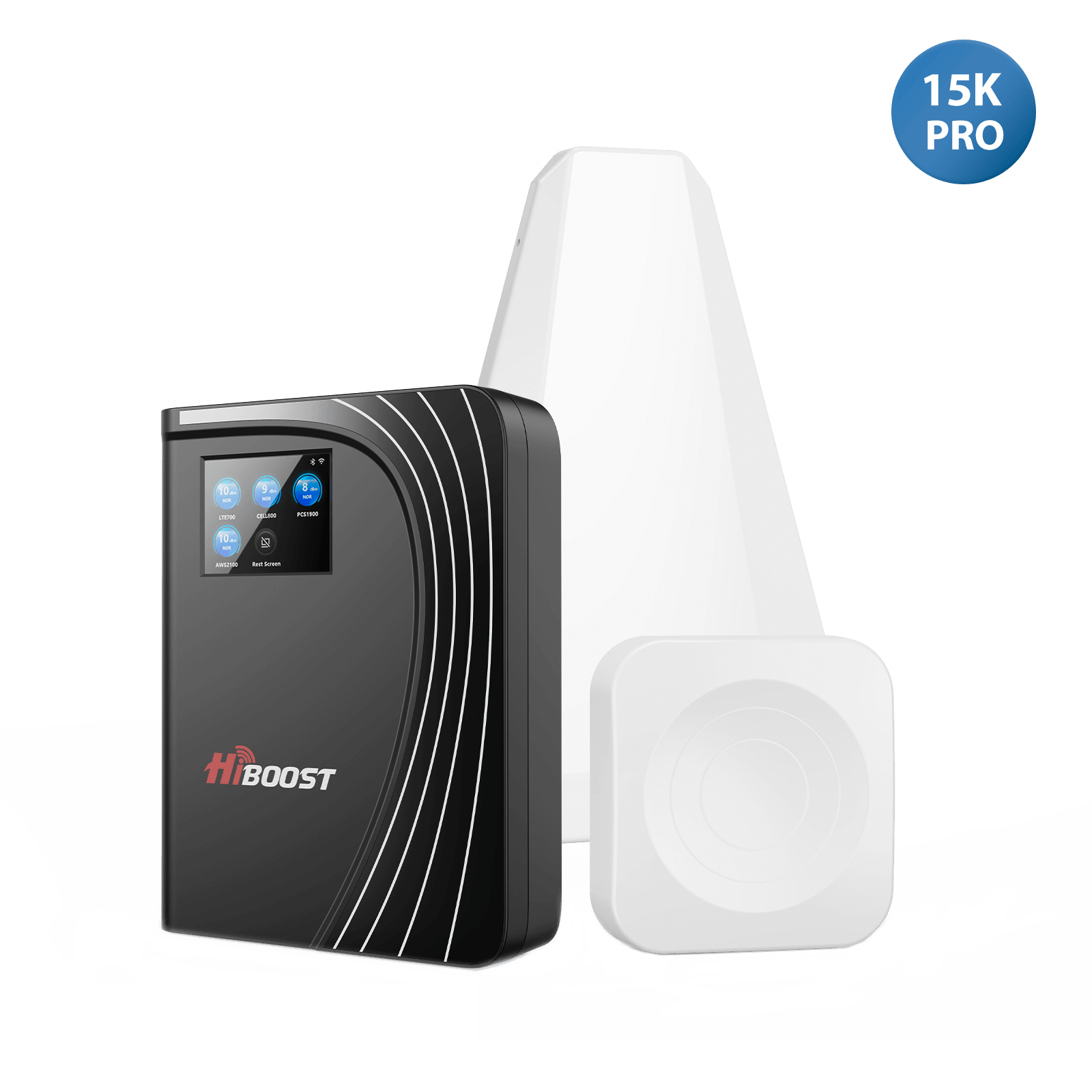
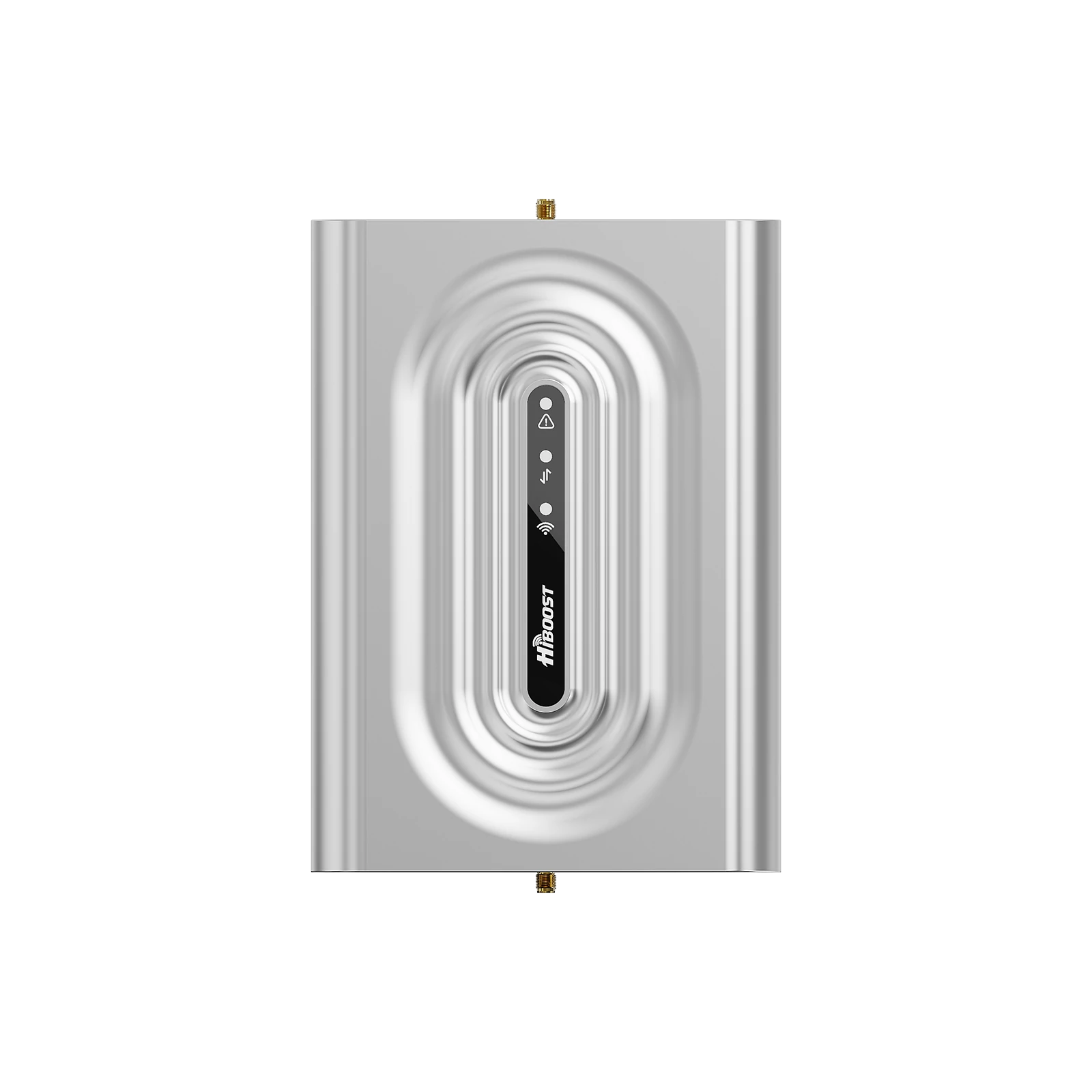
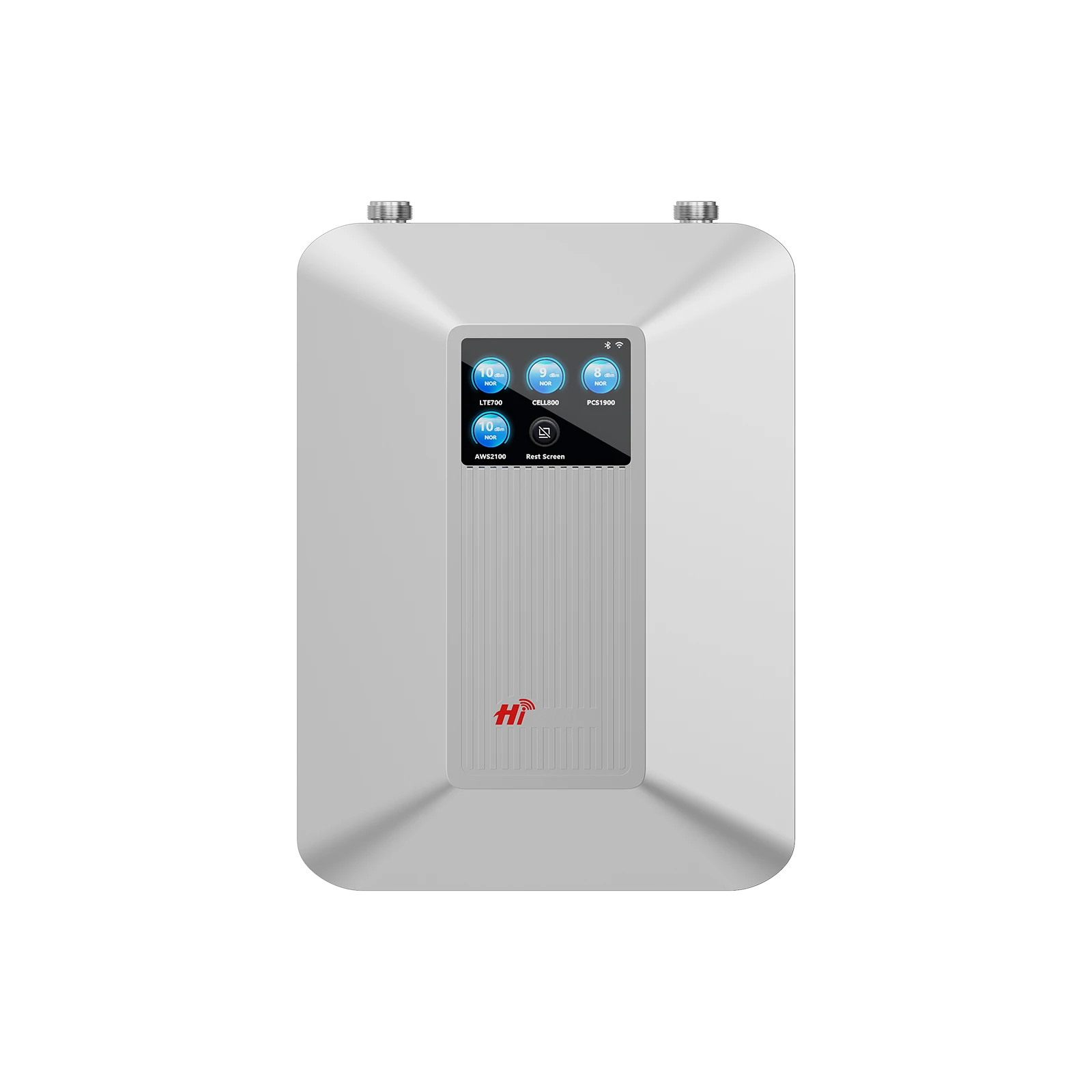
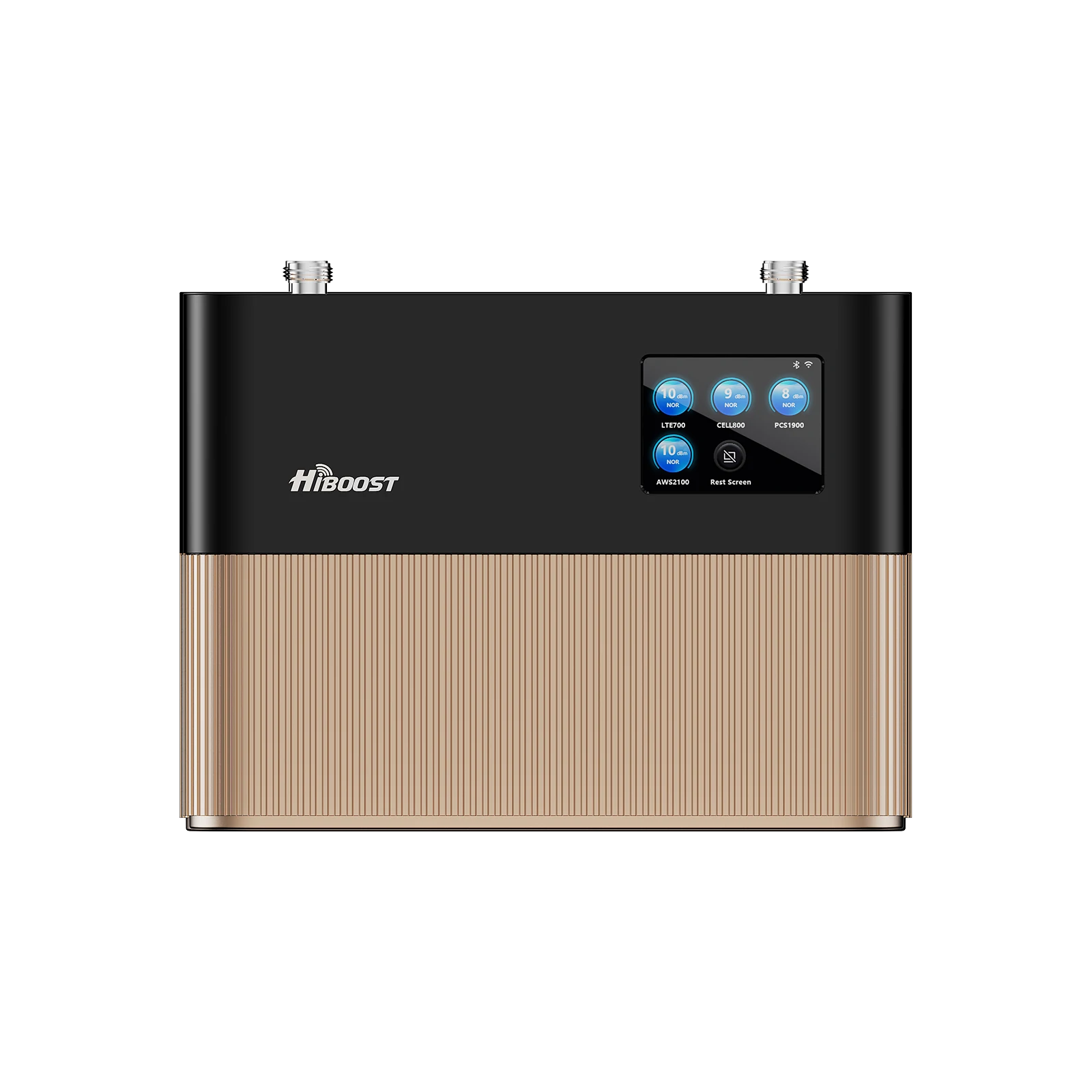
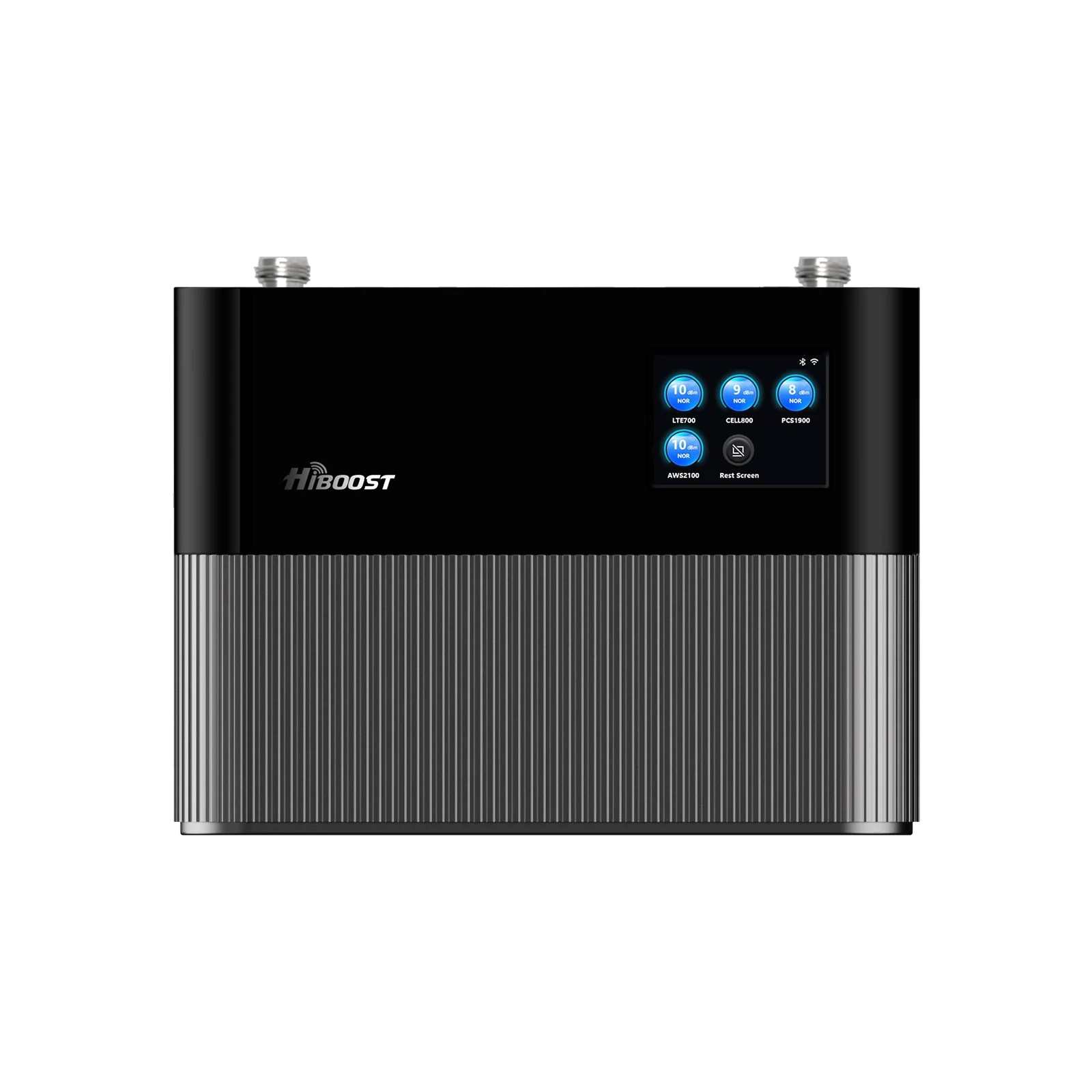
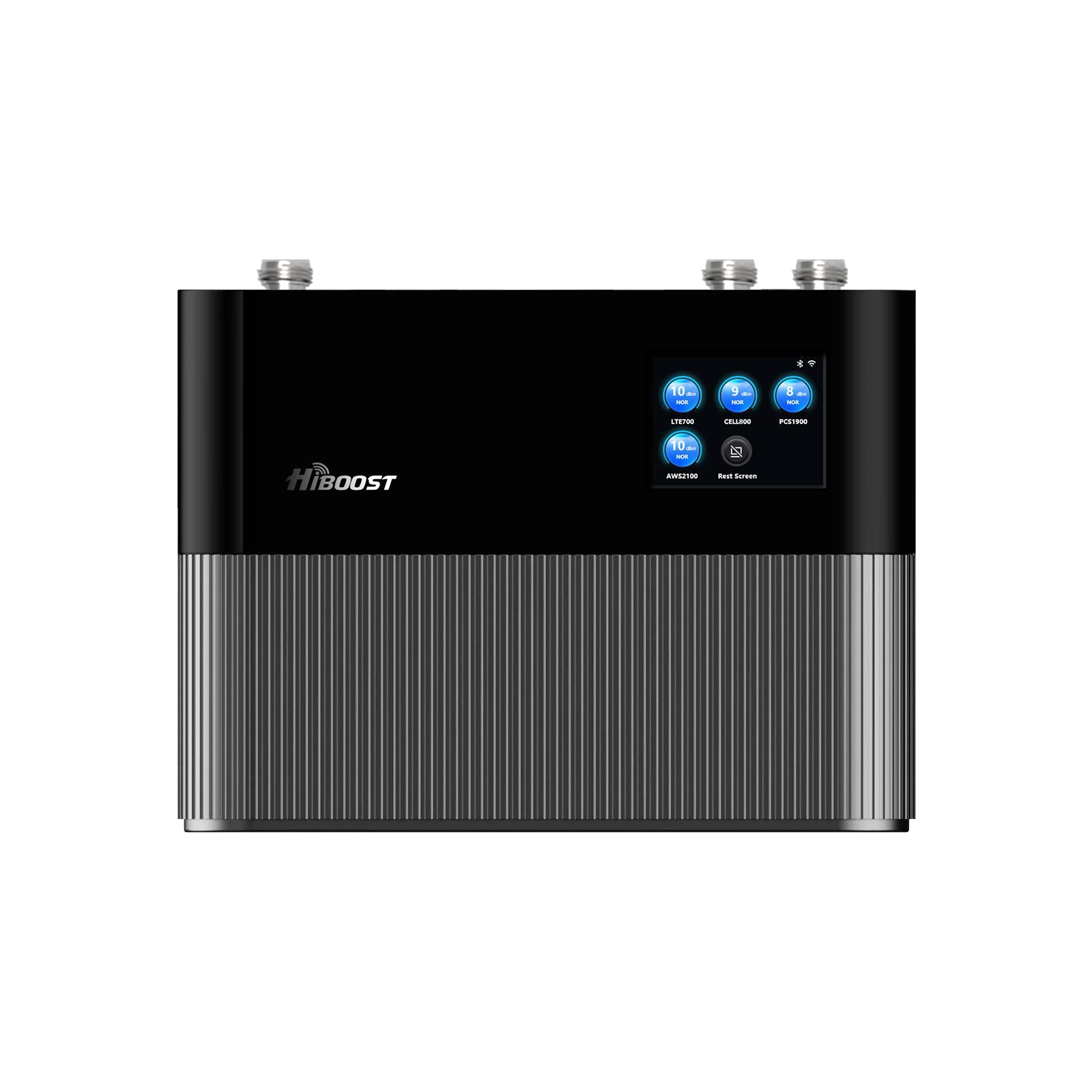
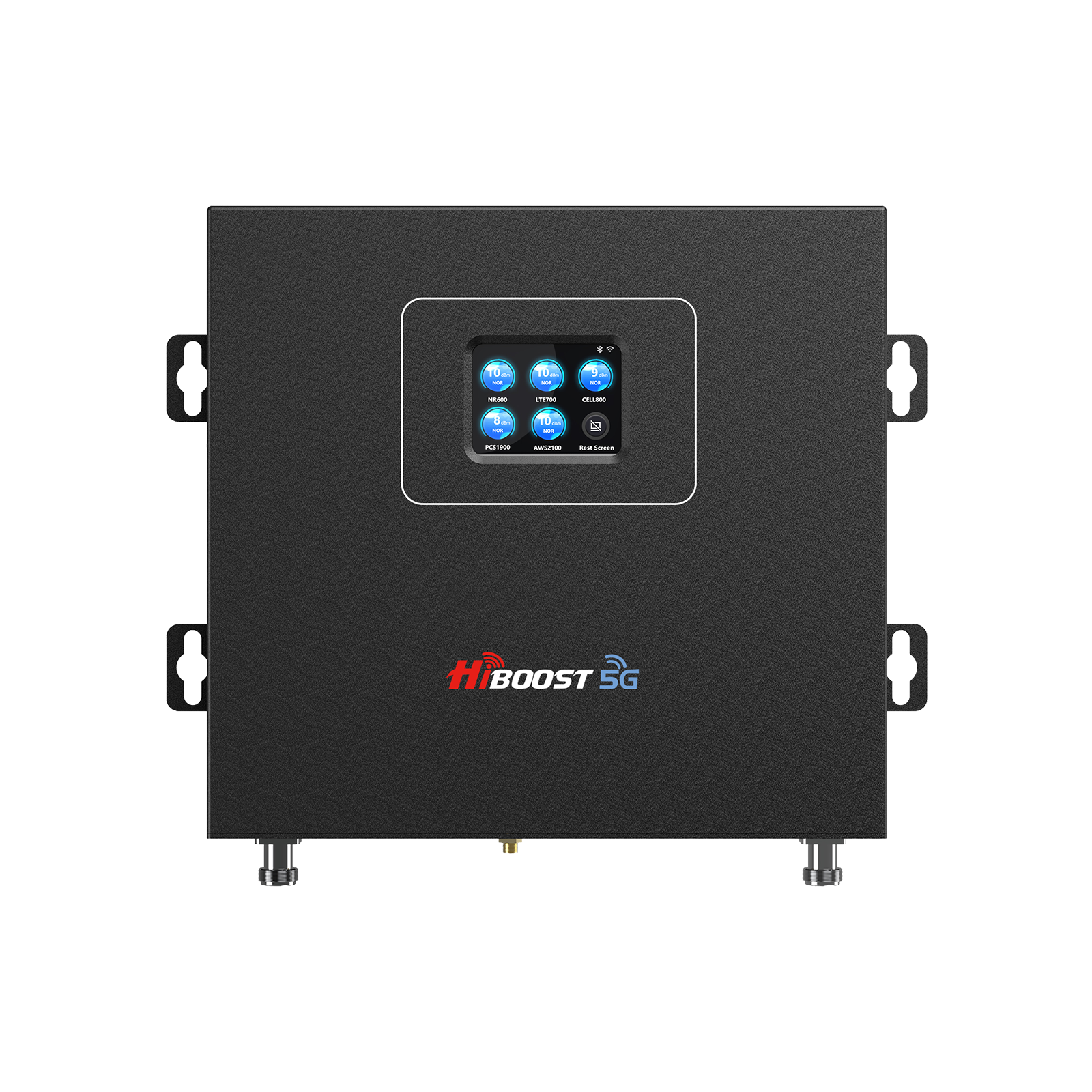
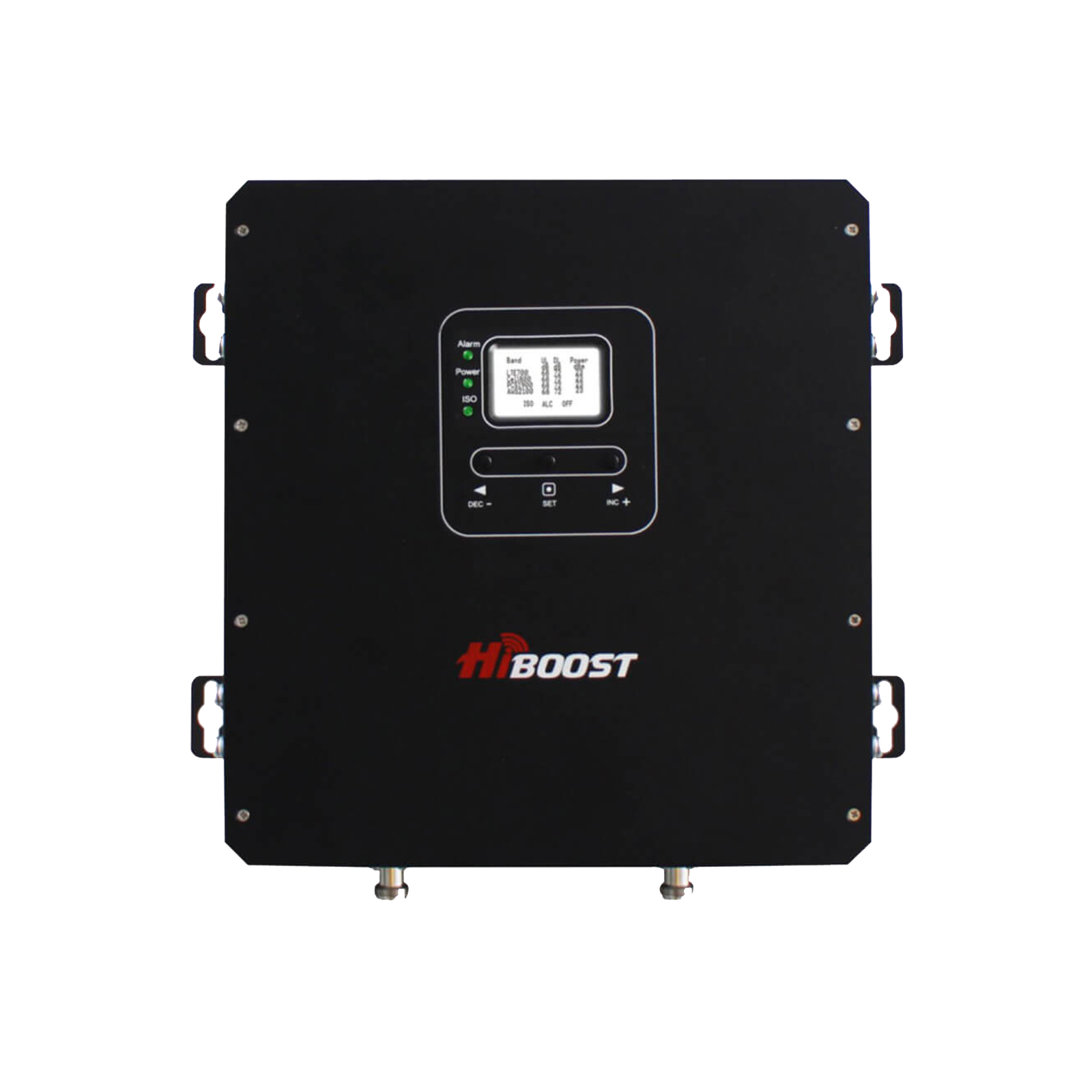
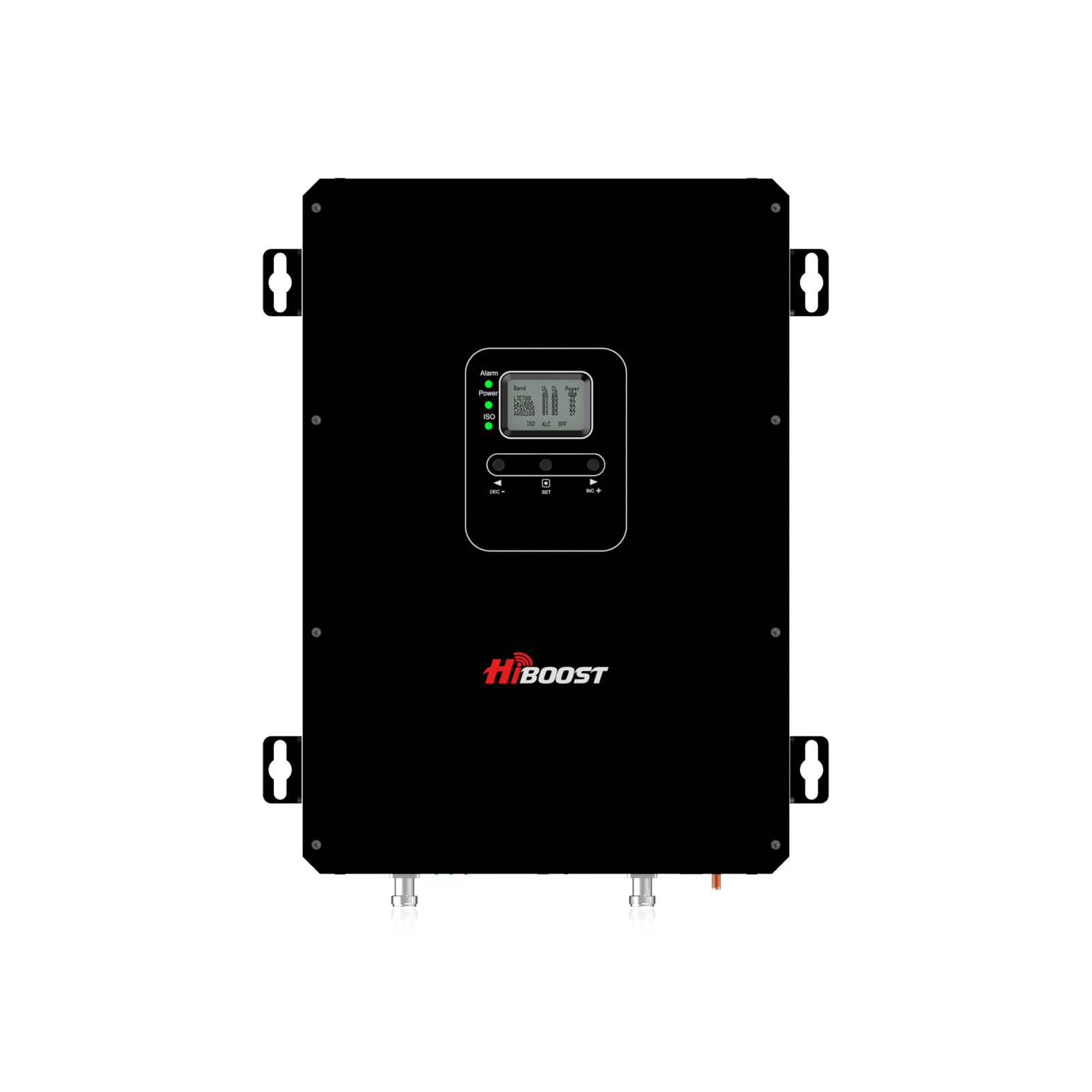
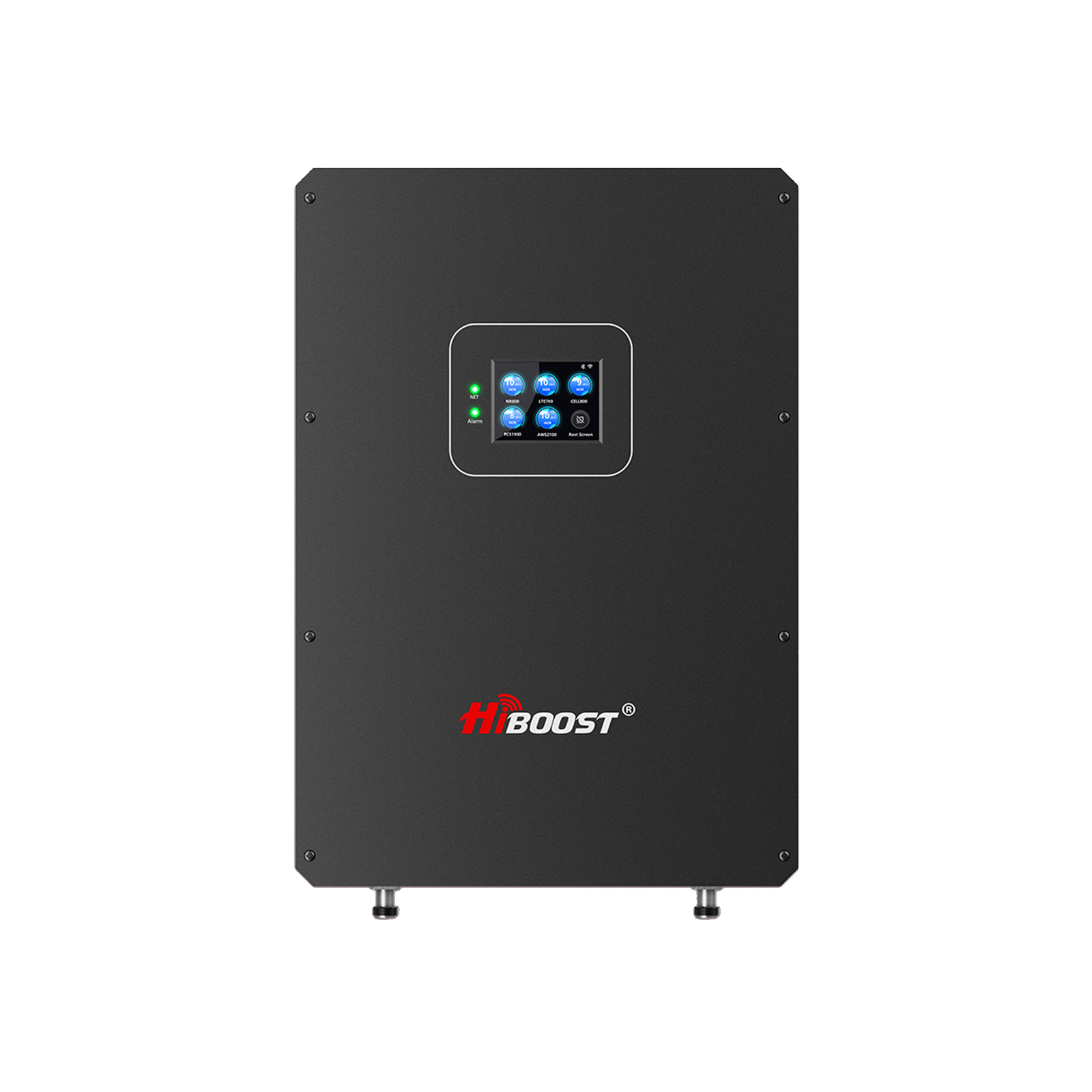
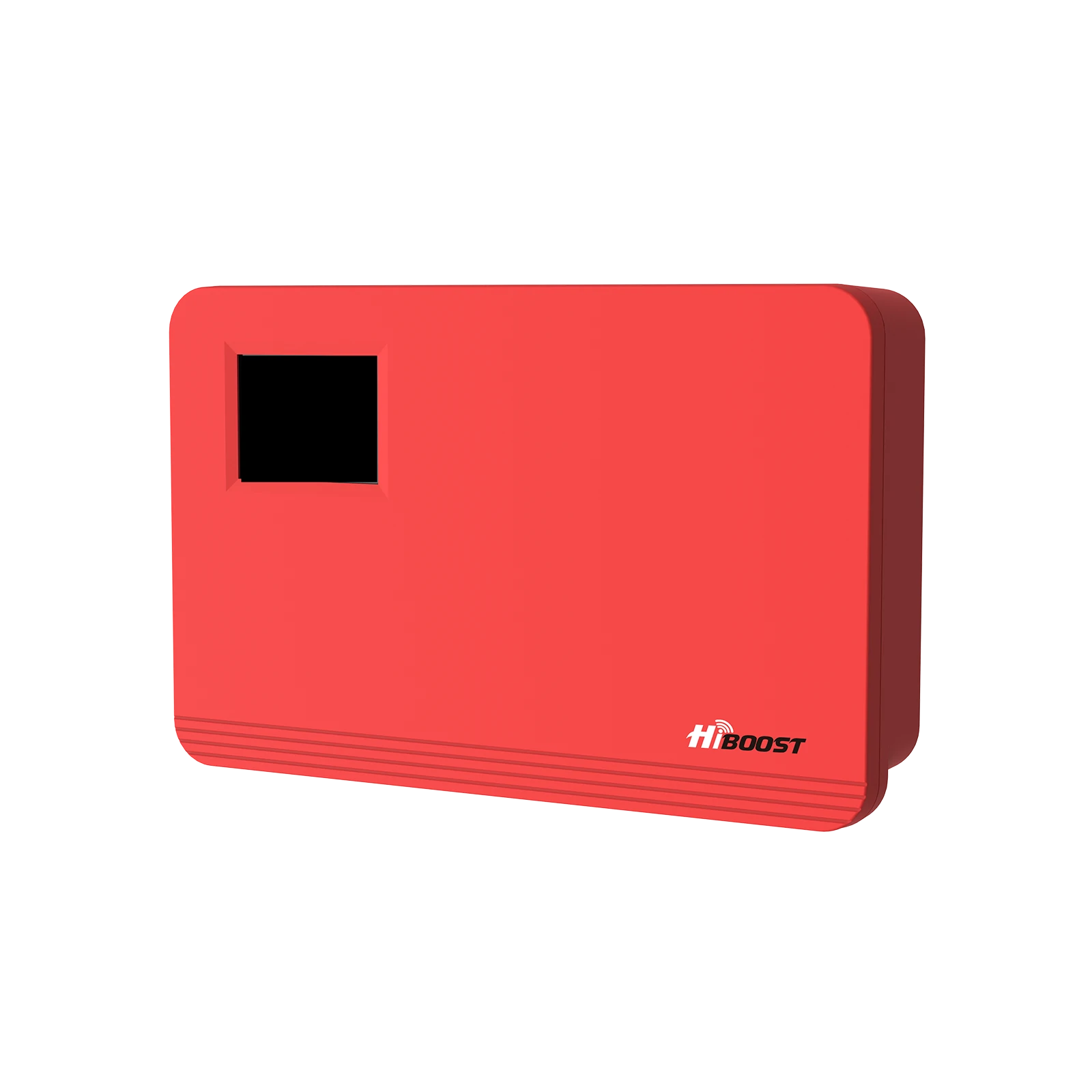
Browse Best SellersA 5G booster, also known as a cell phone signal repeater or amplifier, is a device designed to capture weak cellular signals, amplify them, and rebroadcast the enhanced signals indoors or within a vehicle to improve 5G connectivity.
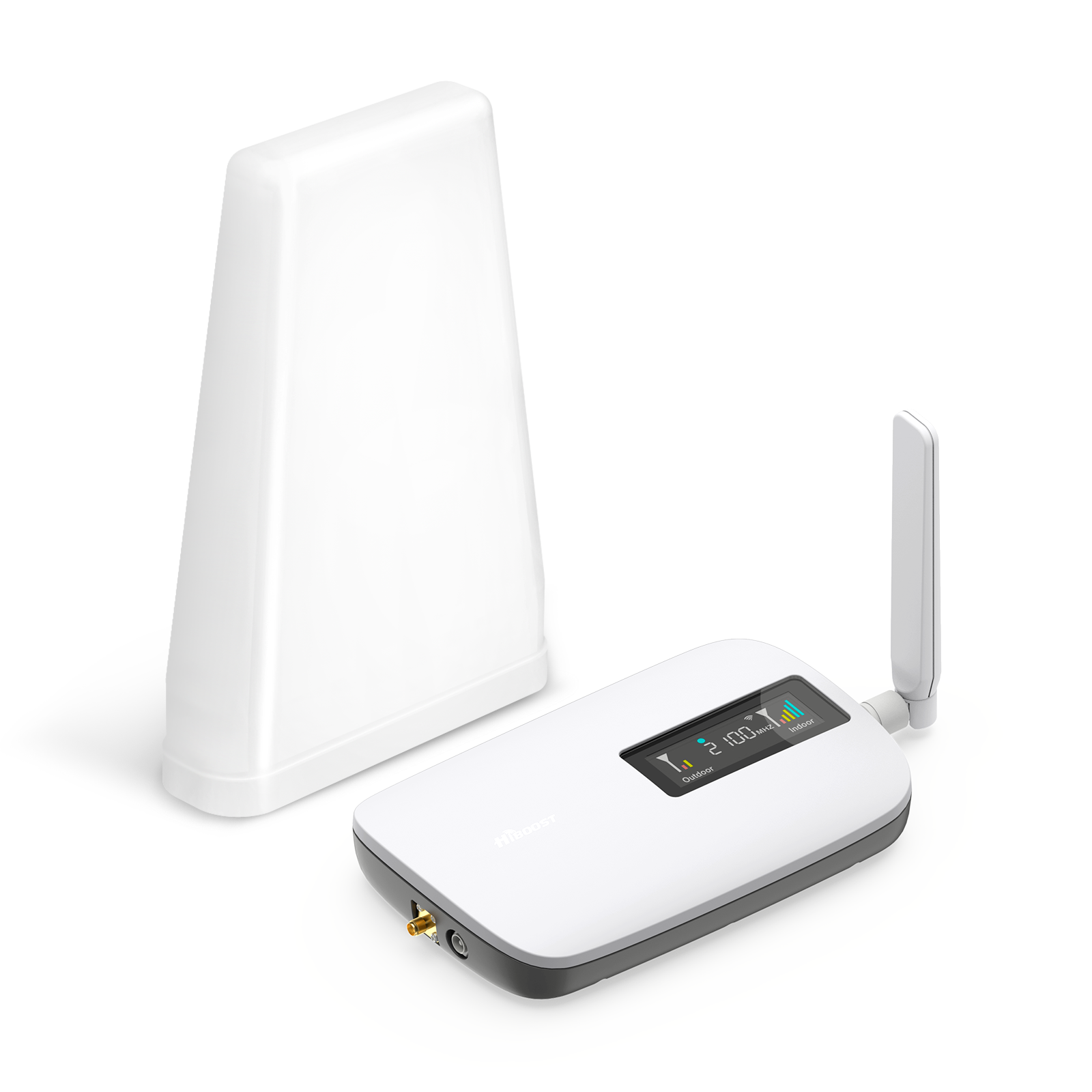
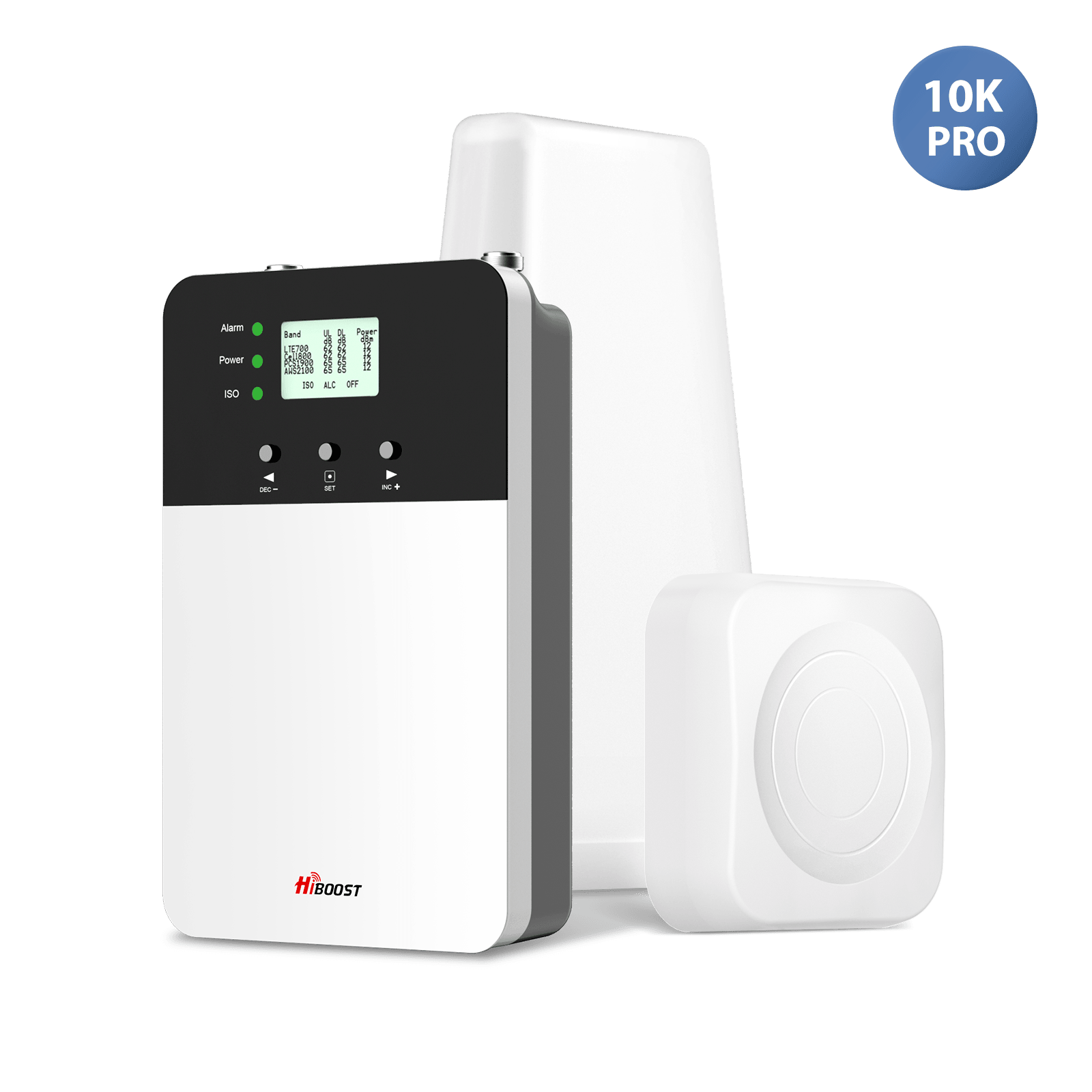
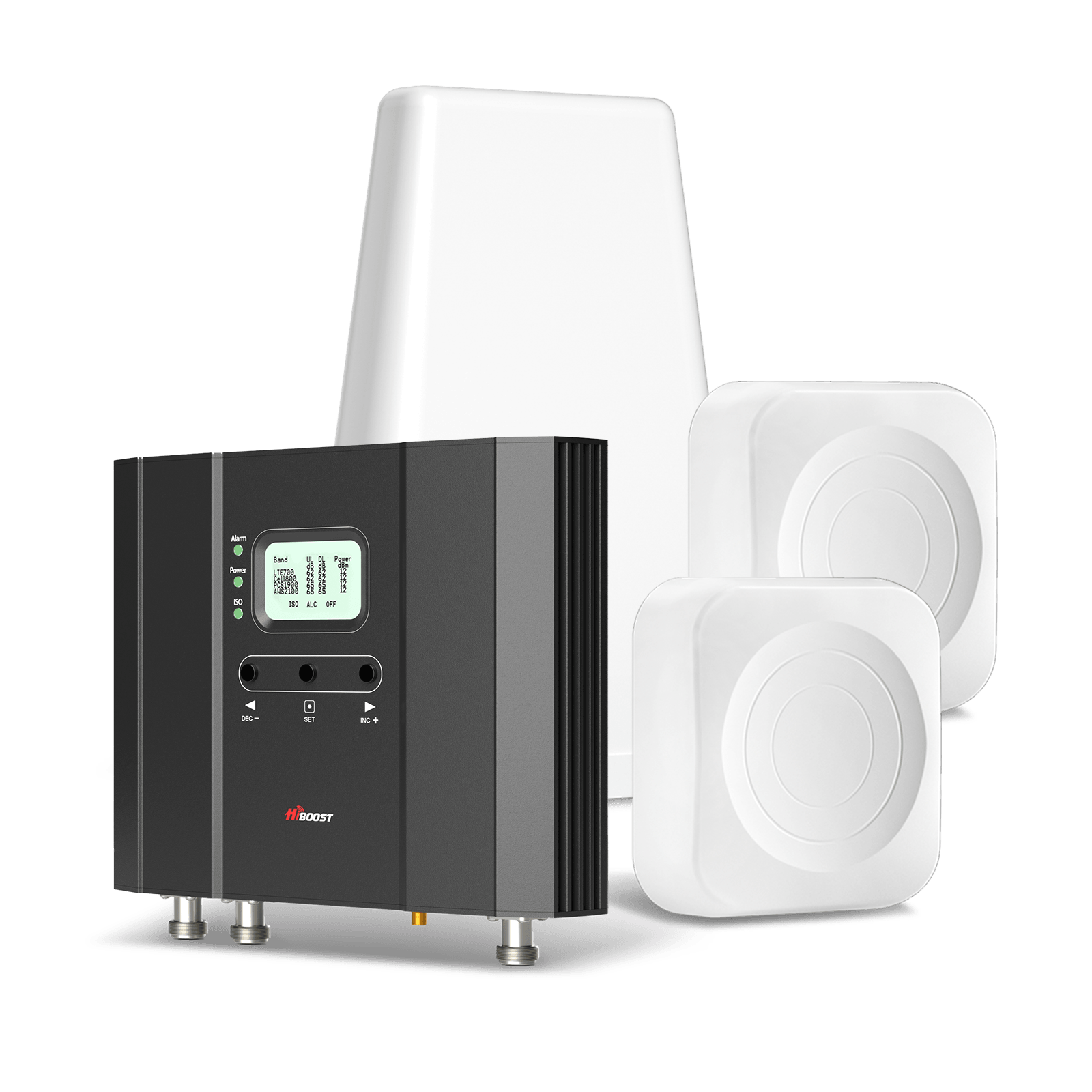
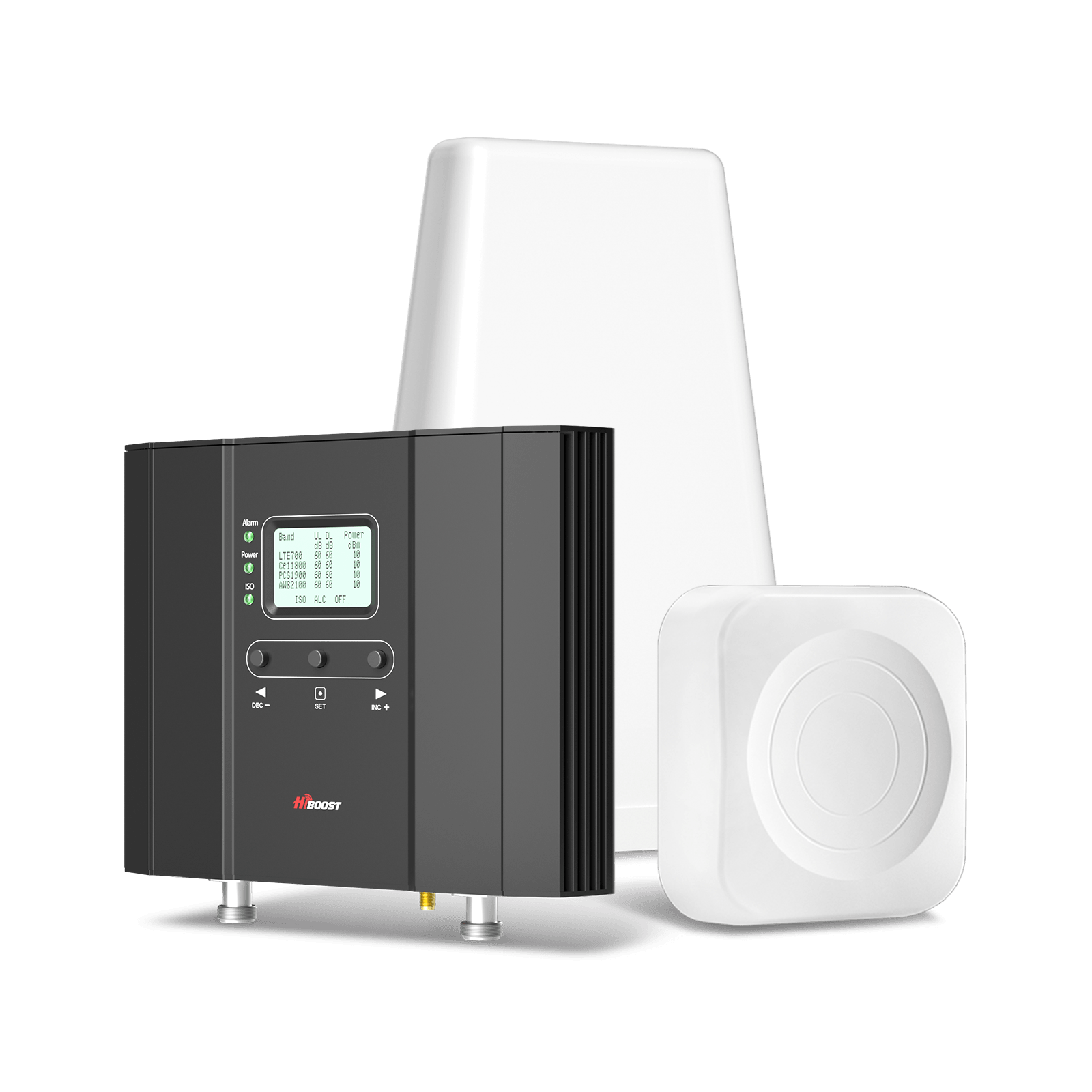
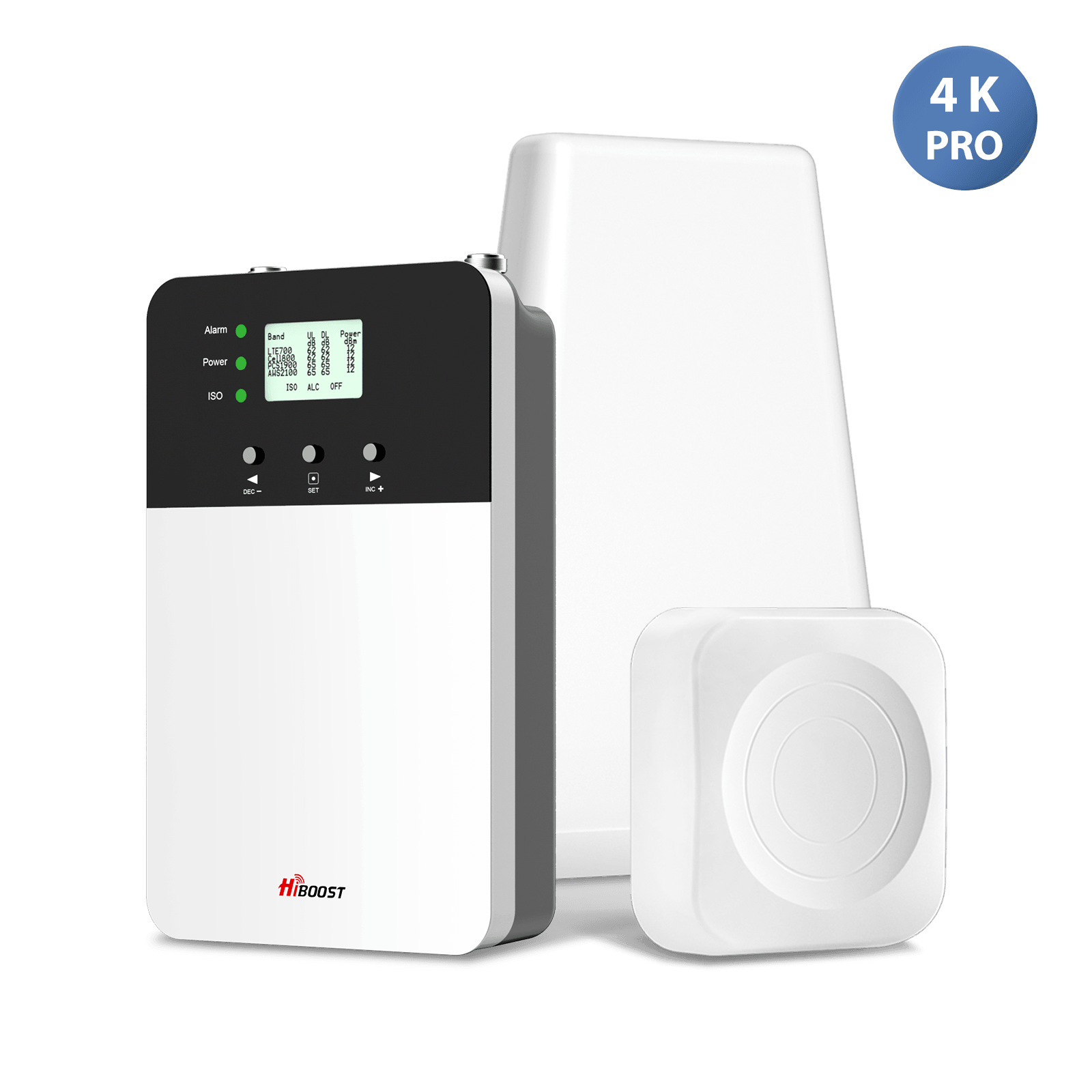
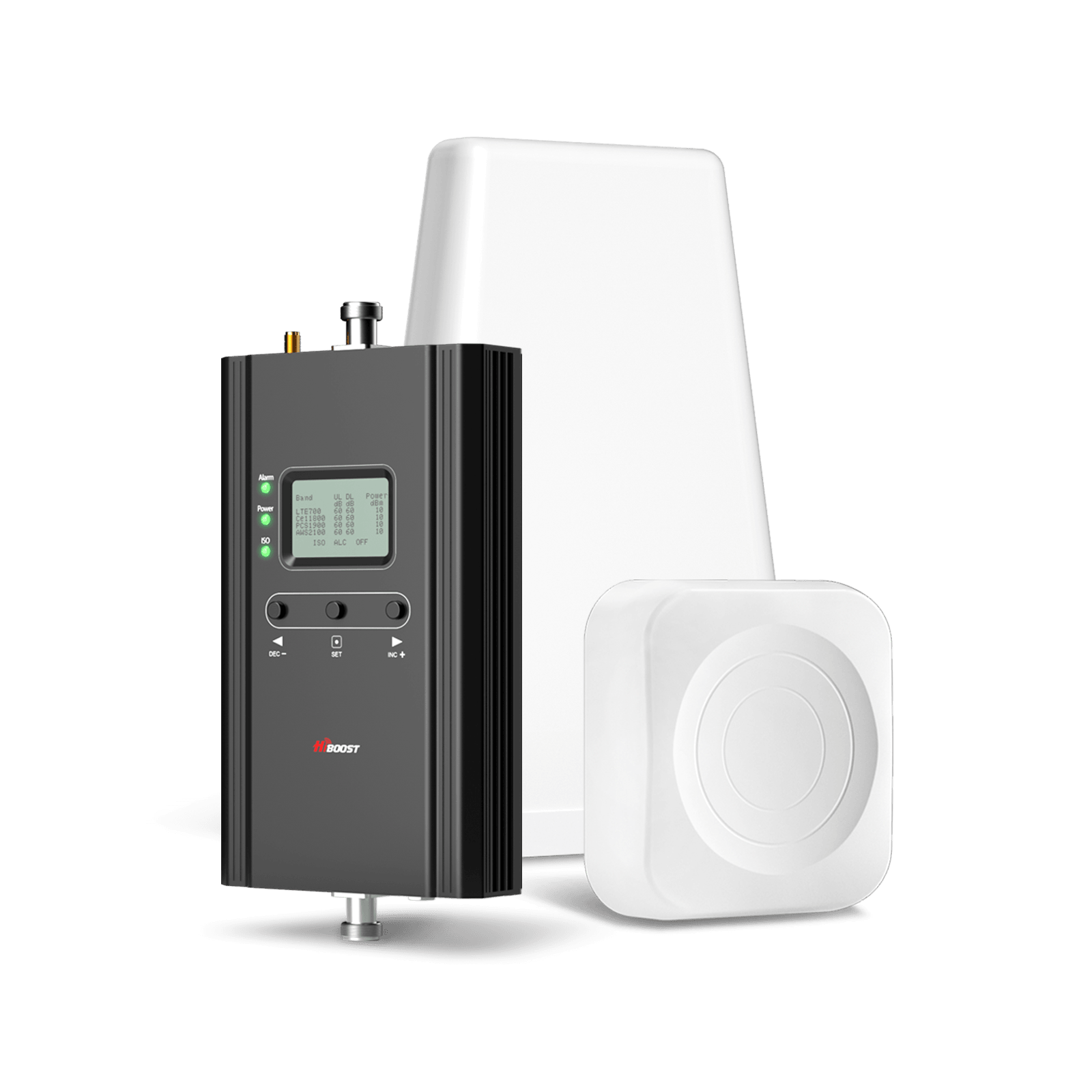
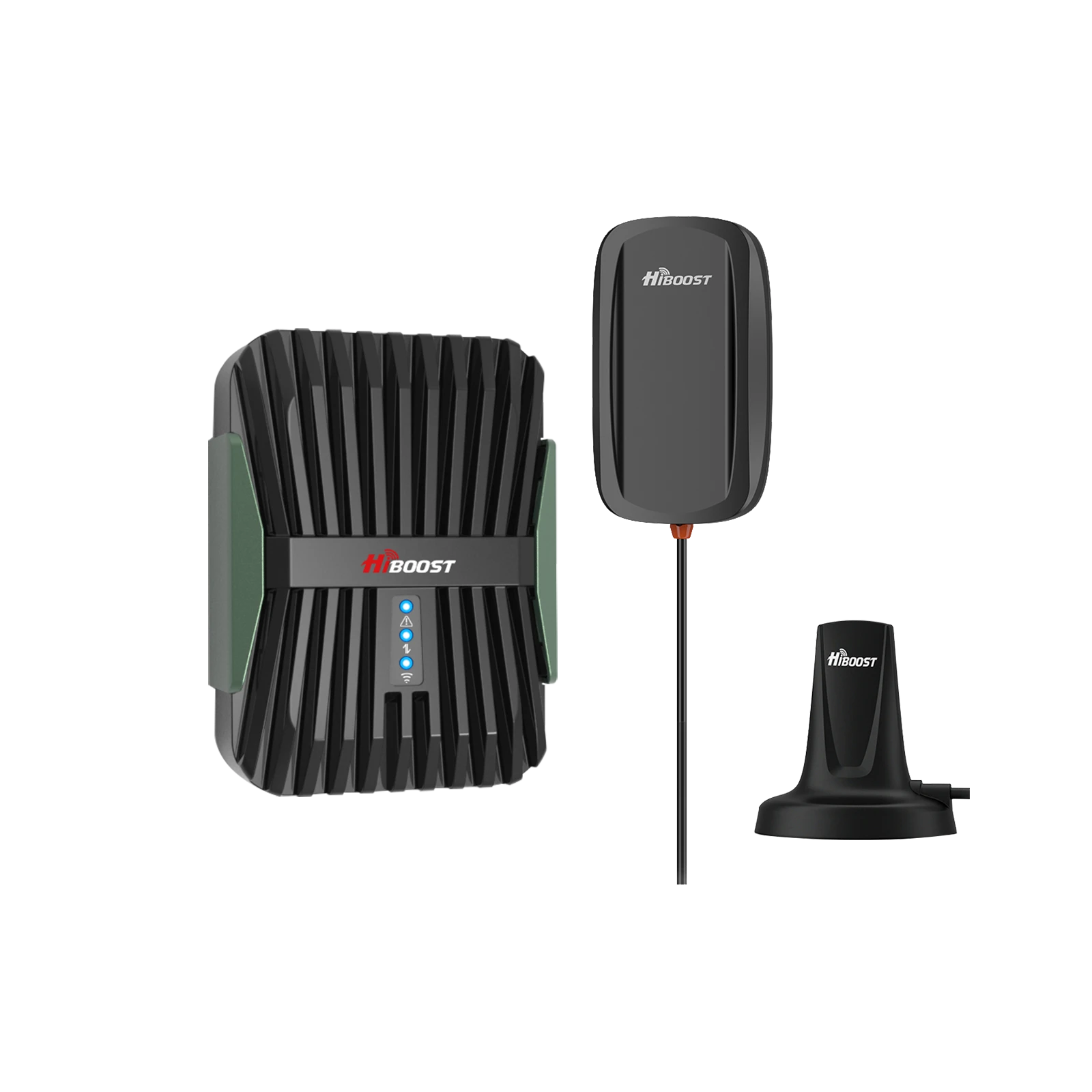
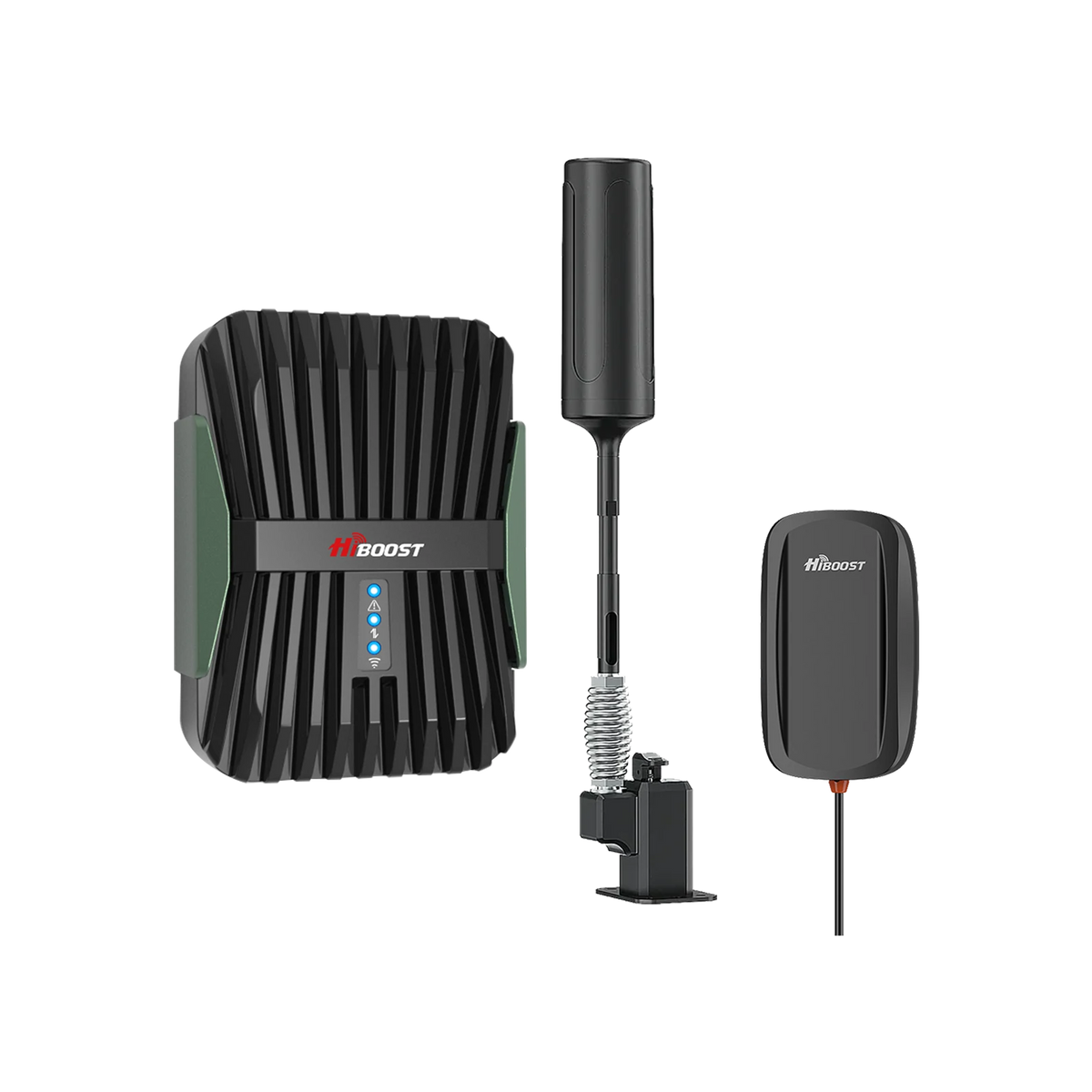
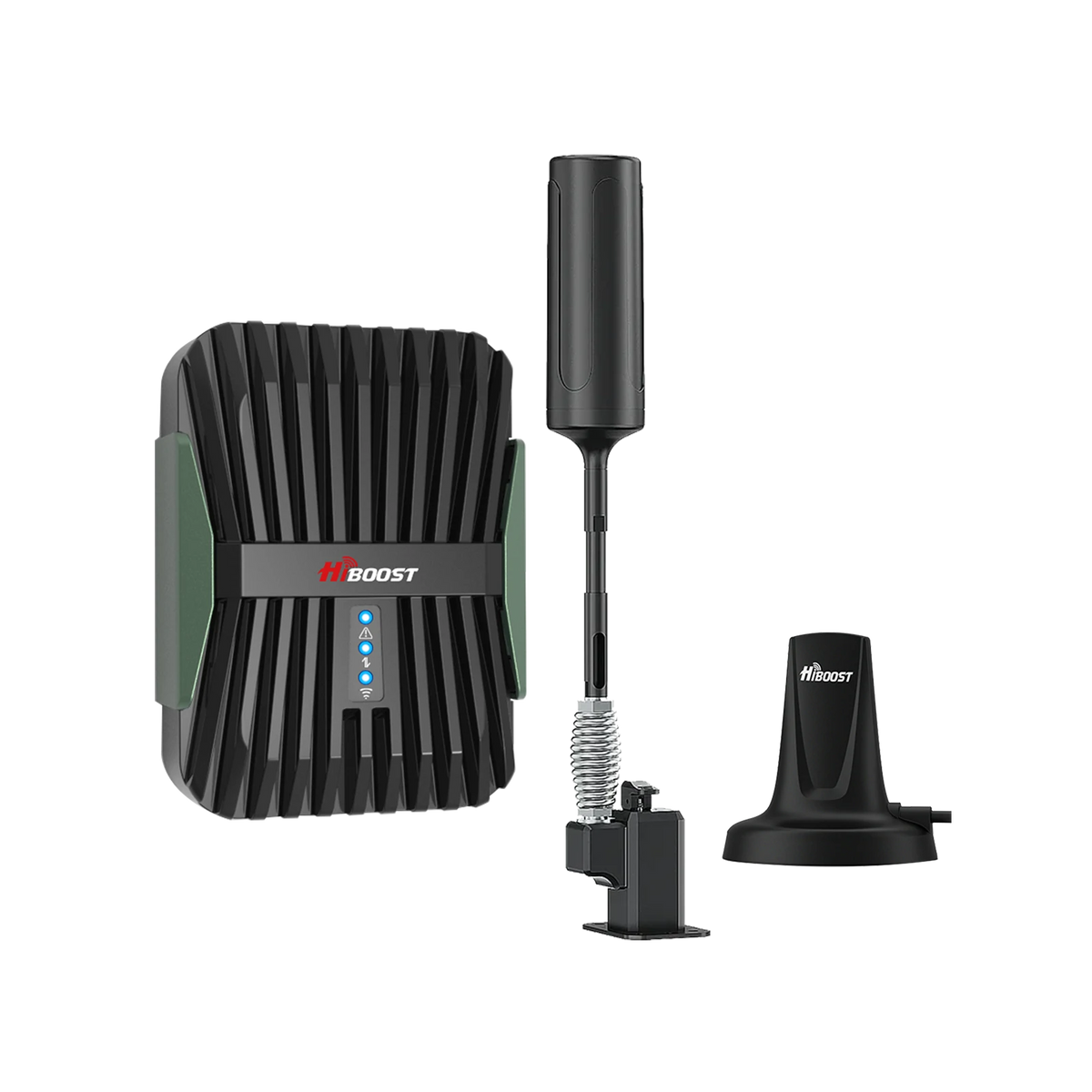
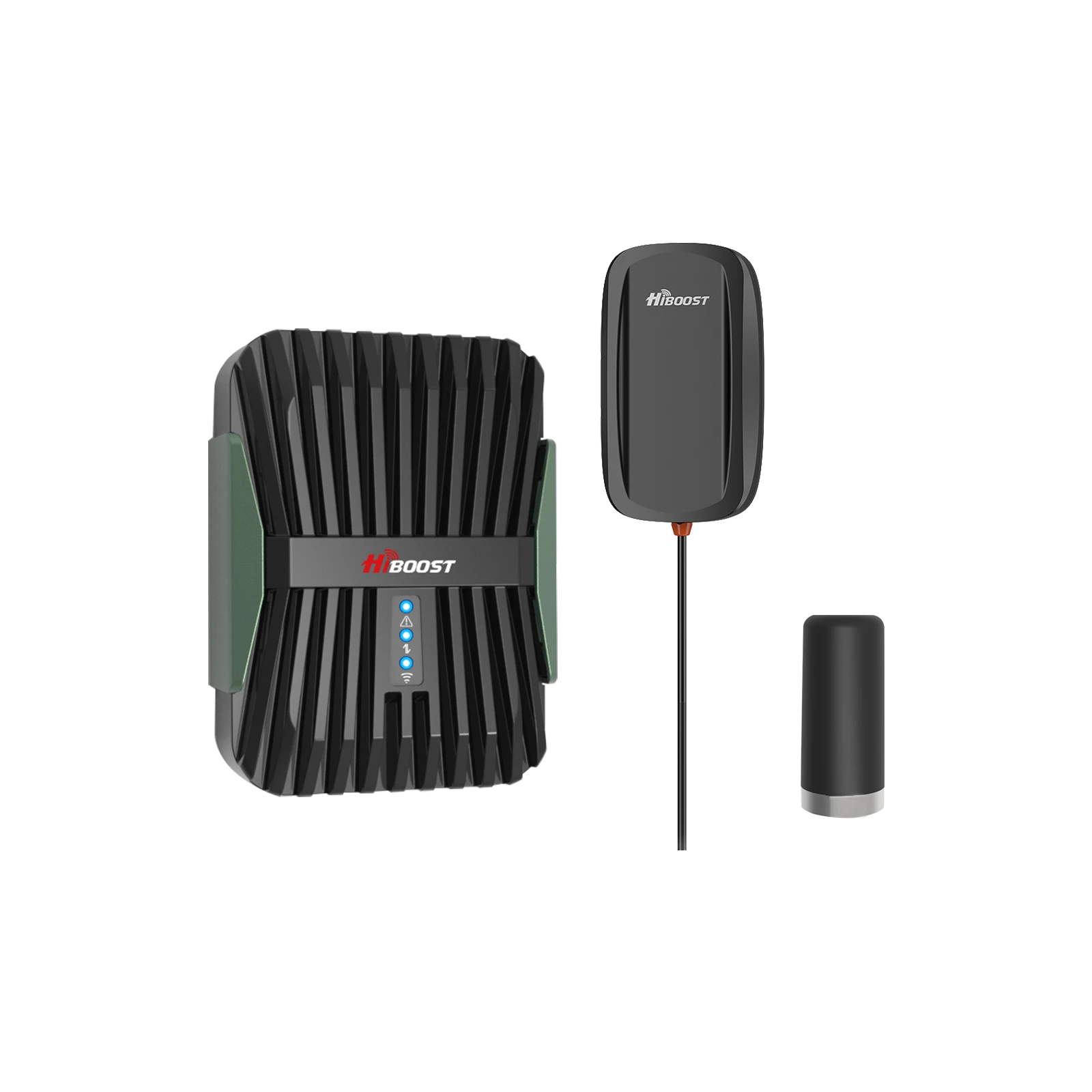
The core components of a 5G booster include:
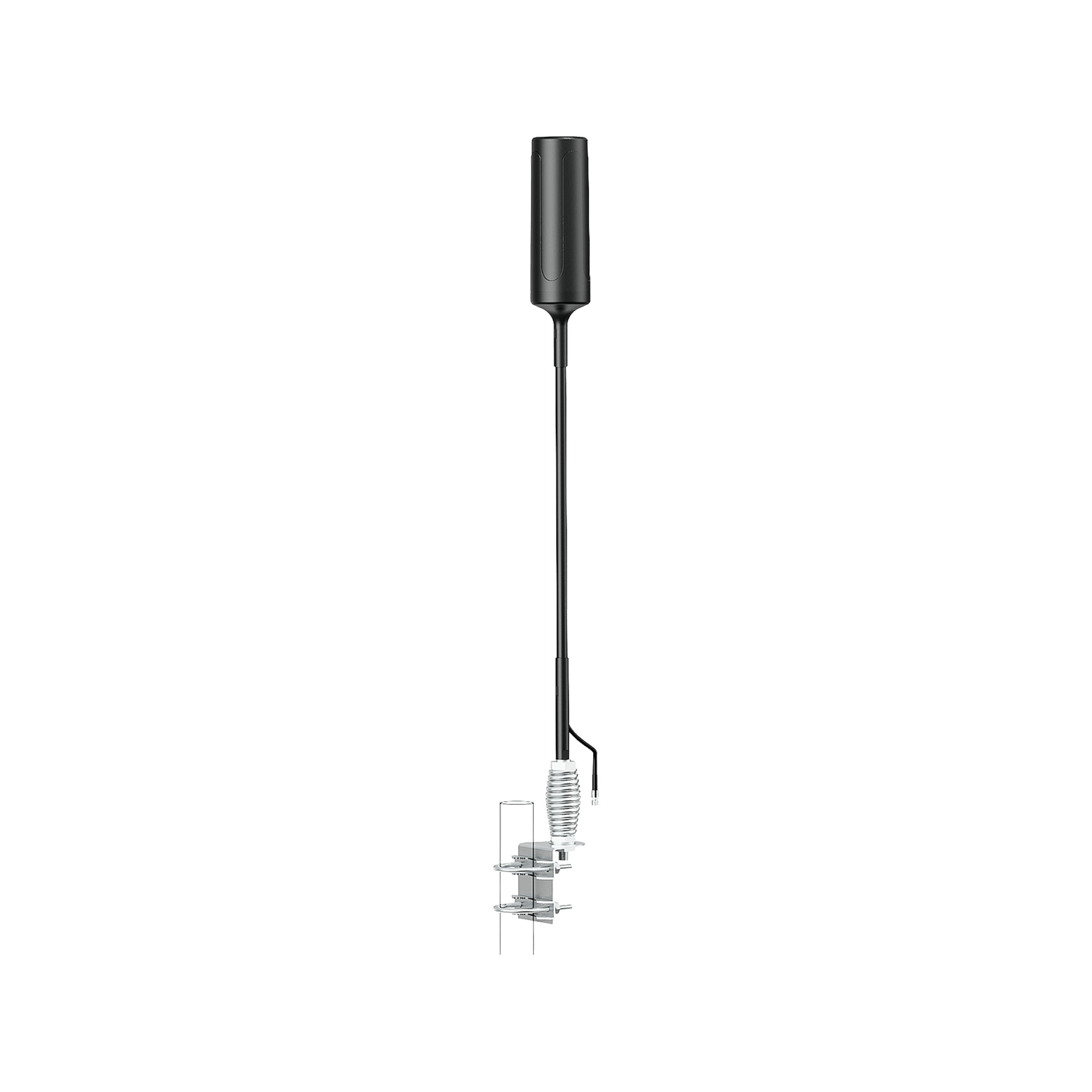
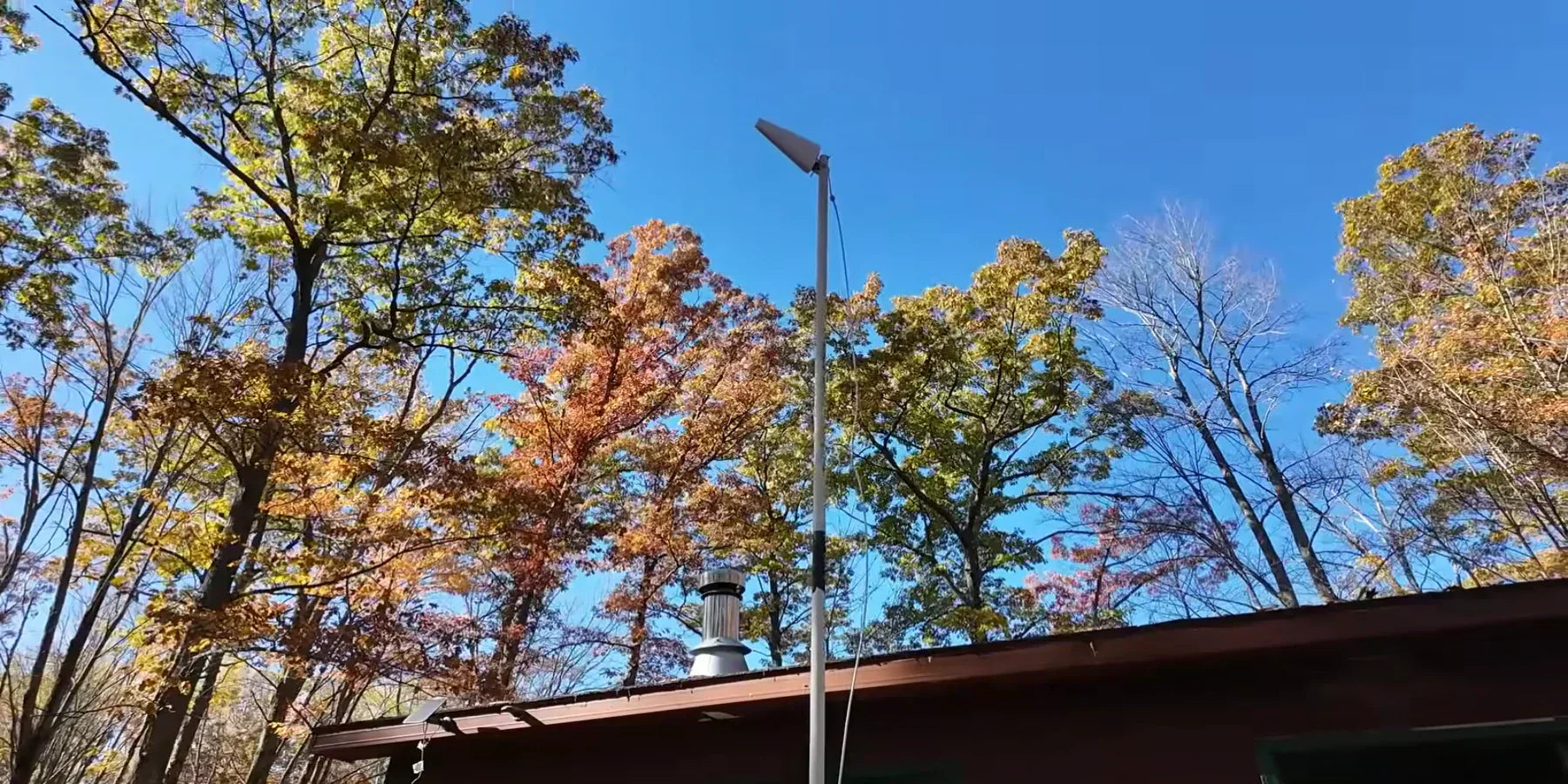
- External Antenna: Mounted outside a building or vehicle, it captures the available 5G signals from the nearest cell signal tower and redirects it to the amplifying unit.
- Amplifier Unit: This component boosts the captured signal strength using advanced electronics to enhance signal quality.
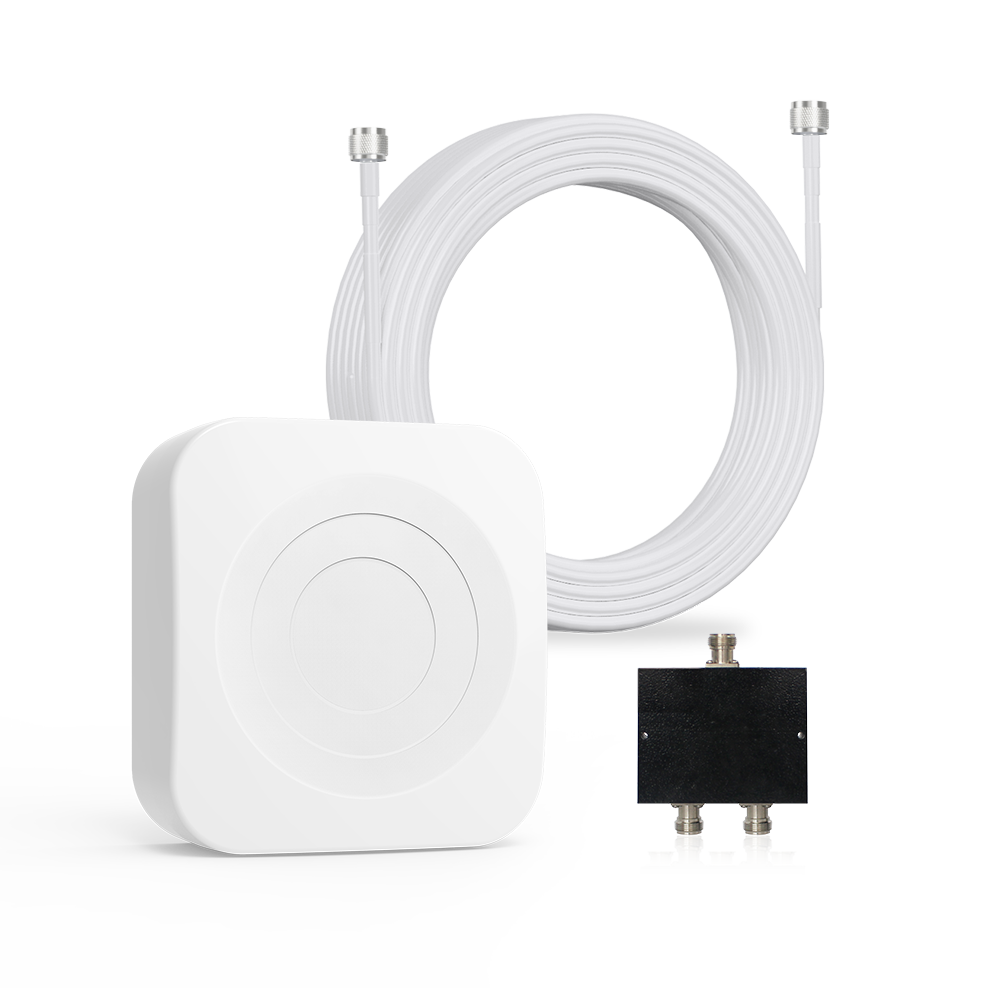
- Indoor Antenna: Redistributes the amplified signal within the desired area, providing stronger coverage to mobile devices.
To clarify, a signal booster is completely different from a Wi-Fi extender and a femtocell. A Wi-Fi extender amplifies wireless internet signals from a router, extending Wi-Fi coverage but does not affect cell connectivity. Therefore, you can’t use Wi-Fi extenders to boost cell signals.
A femtocell, or microcell, creates a mini cellular base station by connecting to broadband internet to provide cellular coverage independently, beneficial where there are no external signals and you are at one static place.
On the other hand, a signal booster amplifies existing cellular signals rather than creating new ones. That is why it is considered one of the best means to get 5G signals even when you are travelling.
How Do 5G Signal Boosters Work?
The functioning of a 5G signal booster follows a precise path. First, the external antenna detects and receives the weak cellular signal broadcast by a 5G cell tower.
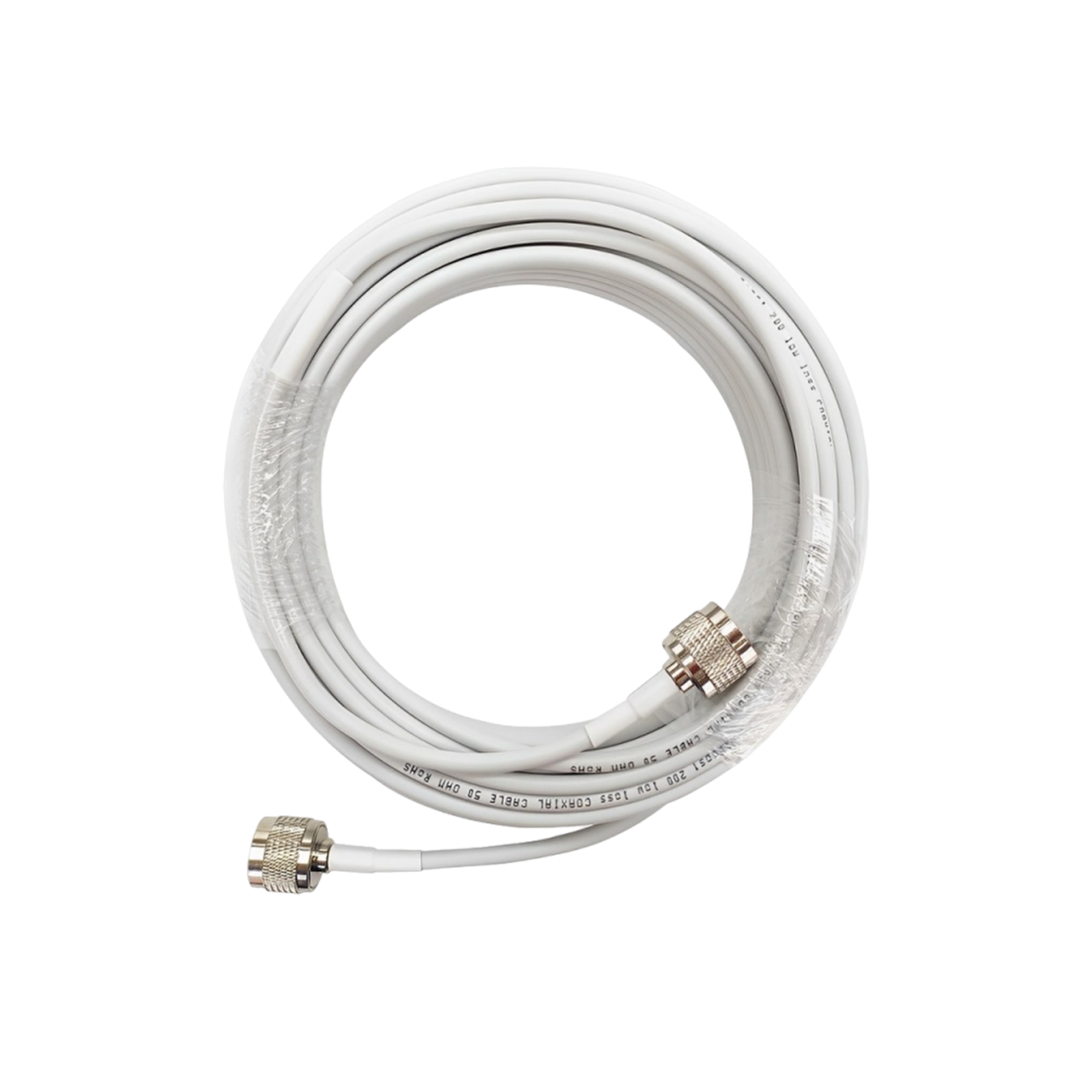
The signal is carried through a coaxial cable to the amplifier unit inside the building or vehicle. The amplifier enhances the power and quality of the signal using electronic circuitry, then sends it to the indoor antenna.
The indoor antenna then redistributes the stronger signal across a given area, ensuring devices can connect with higher speed and reliability.
5G signal boosters support various frequency bands vital for comprehensive network compatibility. These include:
- Low-band spectrum (600 MHz to 900 MHz): Offers wide coverage with moderate speeds and good penetration through obstacles.
- Mid-band spectrum (2.5 GHz to 4.2 GHz): Balances coverage and speed, suitable for urban and suburban environments.
- Millimeter-wave (mmWave) spectrum (24 GHz and above): Provides ultra-high speeds but limited range and poor obstacle penetration.
Compliance with regulatory standards is crucial. In the U.S., the Federal Communication Commission (FCC) certifies 5G boosters to ensure they do not interfere with cellular networks and operate safely.
In Europe, similar certifications such as CE validate compliance with EU regulations. Using FCC or CE-certified boosters like HiBoost Boosters, guarantees reliability, legality, and network safety.
Get your certified Booster Today with Upto 35% Discount and More. Unbeatable Black Friday Deals on Top Sellers!
Key Benefits of Using a 5G Signal Booster
5G boosters don’t have only one advantage, they offer several benefits for travelers, home owners, office CEOs and factory workers. Here are some of the key benefits:
1. Improved Call Quality and Reduced Dropped Calls
A 5G signal booster significantly improves call clarity and reduces dropped calls, especially in areas with weak signals such as basements, large factory areas, huge office halls, and buildings with thick walls. By amplifying the outdoor signal and rebroadcasting it indoors, callers enjoy clearer, more reliable connections, which is vital for both personal and professional communication.

2. Faster Download and Upload Speeds
Boosting the 5G signal indoors delivers faster internet speeds, allowing smooth streaming, gaming, and quicker file transfers. Amplified connectivity ensures users can fully leverage 5G’s high data capacity without slowdowns or buffering, greatly enhancing online activities.
3. Reliable Connectivity for Smart Homes and IoT Devices
Smart homes packed with IoT devices rely on steady, high speed connections. A 5G booster ensures all these devices maintain smooth operation without interruptions, supporting home automation systems and enhancing user convenience.
4. Enhanced Remote Work Experience
For remote workers, freelancers, and home based service providers, a strong 5G signal means uninterrupted video calls, fast cloud access, and efficient collaboration. Boosters eliminate connectivity frustrations, enabling productive, stress-free remote work environments with smooth connectivity. Travel boosters like HiBoost Travel boosters, also provide such connectivity throughout your travel.

5. Support for Multiple Devices
Modern households, offices, factories, and event halls often have many devices connected at once. 5G boosters distribute a strong signal to multiple devices simultaneously, preventing slowdowns and ensuring consistent connectivity for all users.
This multiple support can only be found in high-end boosters like HiBoost with the ability to amplify slightest captured phone signal waves to higher frequency more powerful signals.
6. Connectivity for Vehicles
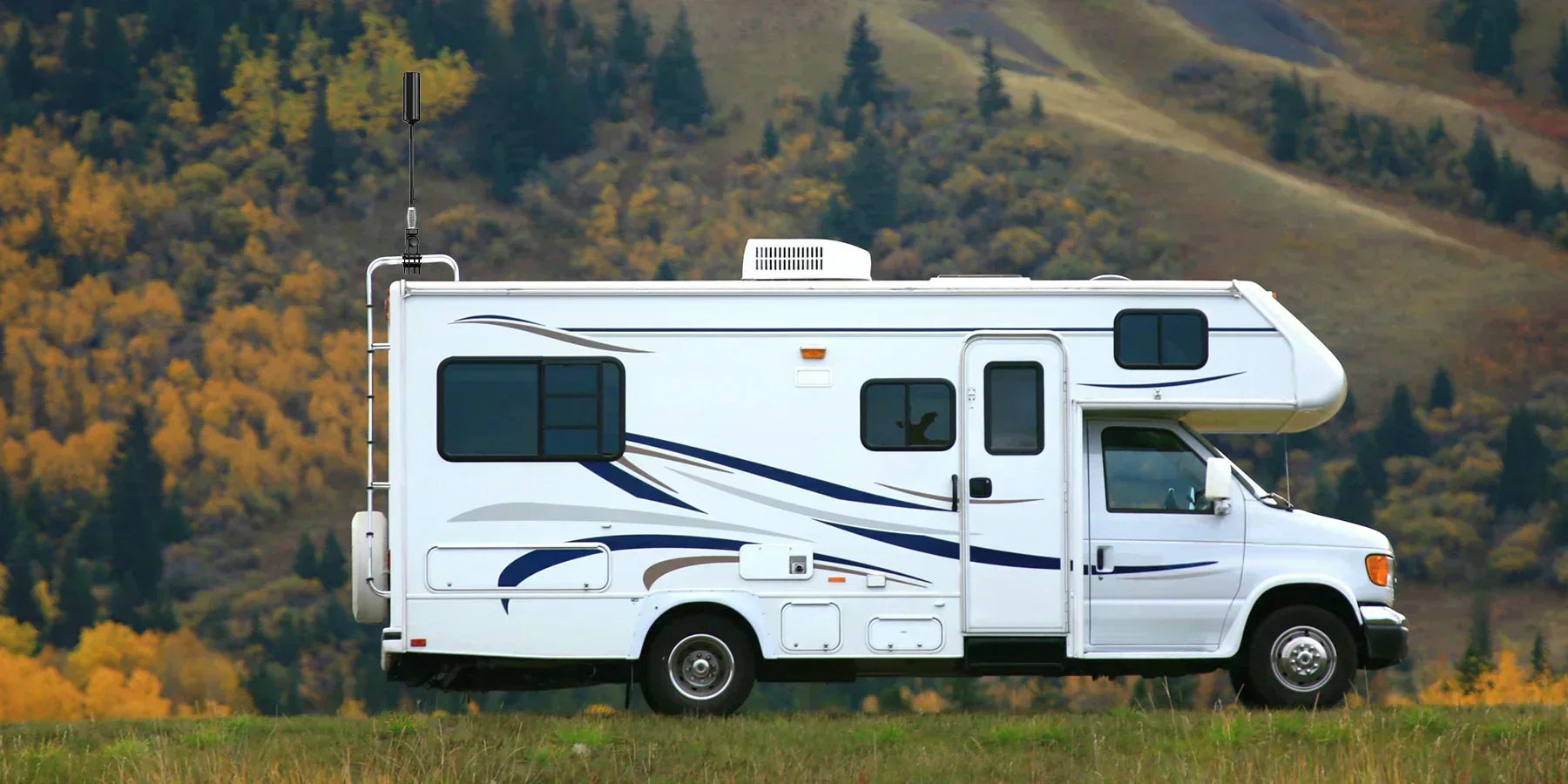
5G boosters installed in cars, RVs, or boats capture outside signals and amplify them inside, providing consistent internet and call quality on the move. It is crucial for navigation, streaming, and connectivity with friends and family.

Why You Need a Booster for 5G Signal - Common Use Cases
A 5G boosters are becoming crucial in today’s world. You always need to stay connected even if you are travelling. Here are some of the scenarios why you need a booster for 5G signals:
Residential Home - Smart Home
In urban apartments or houses with thick concrete or metal walls, 5G signals often struggle to penetrate indoors. A 5G signal booster captures the outside weak cellular signals and redistributes inside the building. This significantly improves indoor coverage specially if you are using smart home setups such as led lights, fans, exhausts.
This ensures residents experience strong, reliable connectivity for calls, streaming and internet use throughout their homes.

Rural & Suburban Areas
Many rural and suburban locations suffer from inconsistent or weak cellular coverage due to distance from towers and natural obstacles like trees or hills.
5G boosters effectively bridge these coverage gaps by amplifying whatever signal is available outdoors and delivering it indoors or to the moving vehicles. It ensures residents and workers stay connected even in remote areas.

Commercial Buildings
Offices, warehouses, and retail spaces require stable and fast cellular connections to support operations, communications, and customer service technology.
5G signal boosters help maintain consistent and powerful network reception across large or complex commercial buildings, overcoming obstacles like thick walls or multiple floors.

Moving Vehicles or RVs
Whether in cars, RVs, trucks, or boats, maintaining strong 5G connectivity while on the move can be challenging.
Vehicle-mounted 5G boosters capture signals outside the moving vehicle and amplify them indoors, providing passengers and drivers with reliable voice and data connections during travel.
Special Scenarios
Emergency responders and outdoor event coordinators rely on uninterrupted communication in dynamic, often challenging environments.
5G boosters enhance signal strength and coverage in these scenarios, helping ensure safety, coordination, and efficient information flow when it matters most.
Challenges & Limitations of 5G Boosters
Here are some of the key challenges and limitations associated with 5G signal boosters that users should consider before making a purchase:
- Limited Boosting of mmWave Band: High-frequency mmWave signals (above 24 GHz) are difficult to amplify due to short range and obstacle sensitivity, requiring advanced antennas and careful installation.
- Carrier and Band Compatibility: Not all 5G frequency bands are boostable; users must ensure their booster supports the specific carrier bands active in their area to guarantee effectiveness.
- Complex Installation in Large Spaces: Covering large or multi-floor buildings requires strategic antenna placement, multiple indoor units, and professional setup to avoid coverage gaps.
- Regulatory Restrictions: Only FCC (US) or CE (EU) certified boosters are legal; uncertified devices risk fines and interference with provider networks.
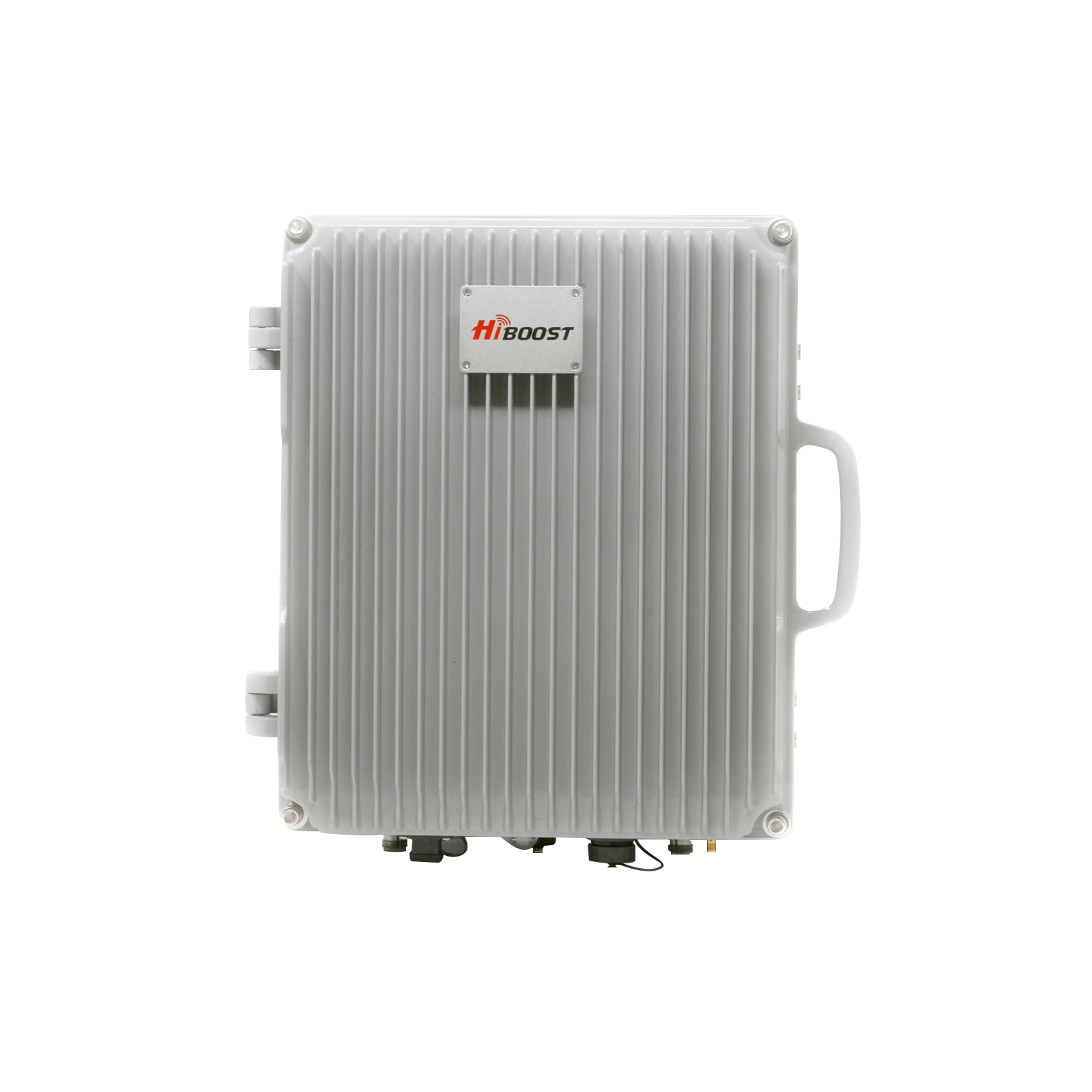
- Power and Environmental Factors: Some boosters need adequate power and cooling; not all are rated for outdoor or harsh environments.
- Potential Signal Interference: Poorly configured boosters can amplify noise or cause feedback; quality hardware with automatic gain control is necessary for clean signal boosts.
If you are still confused about any point or need more information, you can contact our 24/7 support service at HiBoost and know more about which booster will work perfectly for you and your unique needs.
Installation Guide & Performance Optimization
Step-by-Step Installation (Home/Office)
- Locate the area with the strongest outdoor 5G signal.
- Mount the outdoor antenna high and facing the nearest tower.
- Connect the antenna to the amplifier via coaxial cable.
- Install the indoor antenna in a central location.
- Power on the booster and check your device signal levels.
Installation Tips
- Keep outdoor and indoor antennas separated to avoid feedback.
- Place the outdoor antenna above roof level for best results.
- Avoid obstacles like trees, thick concrete, or metal structures.
Troubleshooting
- Weak results? Reposition the outdoor antenna.
- Interference? Increase antenna separation.
- Coverage gaps? Add an additional indoor antenna.
Comparison & Buyer’s Guide
5G Booster vs 4G Booster vs Femtocell vs Wi-Fi Extender
| Feature | 5G Booster | 4G Booster | Femtocell | Wi-Fi Extender |
| Uses outdoor cell signal | Yes | Yes | No | No |
| Requires broadband | No | No | Yes | Yes |
| Supports mobility | Yes | Yes | No | No |
| Multi-device support | Yes | Yes | Yes | Yes |
| Works in vehicles | Yes | Yes | No | No |
Carrier Compatibility (US)
- Verizon: Low-band + C-band (sub-6 GHz)
- AT&T: Low-band + mid-band
- T-Mobile: 600 MHz + 2.5 GHz
What to Look For When Buying
- Supported frequency bands
- Coverage area (sq. ft.)
- Booster gain (dB)
- Number of users supported
- Installation difficulty
- App-based monitoring and remote control
The Future of 5G Signal Boosters
The future of 5G signal boosters is focused on intelligent, AI-driven technology designed to optimize network performance dynamically while increasing user convenience.
Here are some of key developments expected to shape booster technology in the coming years:
- AI-Powered Optimization: Boosters will incorporate artificial intelligence to automatically adjust amplification levels, reduce noise, and lock onto the strongest, clearest cellular towers in real-time. This dynamic signal management ensures maximum connectivity quality regardless of environmental changes.
- Smart Boosters with App Integration: New boosters will offer companion mobile apps like our HiBoost is offering for real-time monitoring, remote control, and troubleshooting. This allows users to adjust settings and receive alerts conveniently from their smartphones or computers.
- Hybrid Coverage Solutions: The integration of boosters with small cells and satellite connectivity will provide seamless and reliable coverage in difficult locations, including dense urban environments, large commercial buildings, or remote rural areas where traditional signals are weak.
- Energy-Efficient and Compact Designs: Future models will emphasize lower power consumption and smaller form factors for easier installation and sustainability without sacrificing performance.
- Preparation for 6G Networks: As the telecommunications industry advances towards 6G, booster technology will evolve to support new frequency bands, network architecture, and use cases-future proofing connectivity for the next generation of wireless networks.
These innovations will make 5G boosters smarter, more adaptive, and indispensable tools for uninterrupted, high-quality mobile connectivity in all settings.
Choosing the Right 5G Signal Booster - HiBoost 5G Compatible Boosters
Selecting a 5G booster in 2025 involves carefully balancing several factors. Consider the coverage area needed, whether for a single room, entire home, vehicle, or commercial space.
Ensure the booster is compatible with your cellular carriers and their specific 5G frequency bands. Budget considerations also play a role, with devices ranging from affordable home boosters to high-end industrial-grade systems.
Top features to prioritise include multi-band support to cover various frequencies, remote monitoring capabilities, easy app-based control, and user friendly installation. The table below summaries criteria for buyer:
|
Factor |
Description |
Importance |
| Coverage Area | Size of the area needing boosted signal | Critical for proper device choice |
| Carrier Compatibility | Support for networks like AT&T, Verizon, T-mobile | Ensures functionality |
|
Frequency Bands |
Support for low-band, mid-band, mmWave bands |
Needed for full 5G coverage |
| Features | Remote monitoring, app control, multi-device support | Enhances convenience and control |
| Installation Ease | Complexity and ability to self-installation | Affects user experience |
| Budget | Price range and value | Determines options available |
Best 5G Boosters in 2025 - HiBoost | Discounts and Sales
HiBoost is offering certified high performing boosters for your homes, offices, cars, RVs, and event halls to keep you connected. You can enjoy our winter sale and get big discounts on the boosters you need. Don’t miss the chance to save your money in this Christmas season.
Glossary of Terms
- Low-Band 5G: Wide coverage, slower speeds
- Mid-Band 5G: Balanced speed and coverage
- mmWave: Extremely fast, short-range
- DSS: Dynamic Spectrum Sharing
- Gain (dB): Amplification power
- SNR: Signal-to-noise ratio
Conclusion
Don’t let weak 5G signal hold you back — upgrade to a powerful HiBoost booster today.
Visit HiBoost Official StoreIn the 5G era, signal boosters are indispensable tools for overcoming connectivity challenges indoors, in rural areas, and on the move. They enhance call quality, speed up data transfer, and enable connectivity crucial for smart homes, remote work, and IoT.
Looking forward, AI-integration, app-controlled smart boosters, and hybrid technologies will redefine how we maintain mobile network strength. Investing in a certified 5G booster is a future-proof way to ensure smooth wireless communication wherever life takes you.
Explore HiBoost’s line of certified boosters designed to meet diverse needs, from residential to industrial, ensuring you stay connected with confidence.
FAQs
Q. Do 5G Signal Boosters Really Work?
Yes, certified 5G signal boosters amplify weak outdoor signals and improve indoor coverage, resulting in faster speeds and better call quality.
Q. Are 5G Boosters Legal in the US/EU?
Certified boosters approved by the FCC in the US and CE marked in the EU are legal and safe to use.
Q. Can One Booster Support Multiple Carriers at the Same Time?
Some boosters offer multi-band and multi-carrier support, but others may be limited. Verify with the manufacturer.
Q. Can boosters improve signal in high-rise buildings?
Yes, but installation may require multiple antennas for full coverage.
Q. What’s the Difference Between 4G and 5G Boosters?
5G boosters support newer frequency bands and technologies like mmWave and dynamic spectrum sharing, while 4G boosters do not.
Q. Will Boosters Still be Useful When 6G Arrives?
Definitely, booster technology evolves alongside network generations, so future models will support 6G bands and features.
Recommended Reading
Cellular Signal Strength VS. Signal Quality: What’s The Difference?
How to Test Cell Phone Signal Strength: A Comprehensive Guide
How to Get Cell Signal in a Dead Zone
Best Cell Boosters for Remote & Rural Areas
Why Metal Roofs Kill Signal - 5 Easy Fixes
How to Choose the Right Cell Signal Booster for Your Home, Apartment, or RV (2025 Guide)
Car/Suv,RV,Truck,Vehicle


Our Home Signal Booster


Popular Articles

Leave a comment
All comments are moderated before being published.
This site is protected by hCaptcha and the hCaptcha Privacy Policy and Terms of Service apply.