
1. Why is my phone dropping calls?
Mostly, it’s a signal issue instead of your phone. And dropping calls mainly results from a weak signal and bad signal quality.
Signal strength is influenced by the distance between your phone and your carrier’s cell tower. A cellular tower has a coverage range. Generally speaking, the farther you’re from a tower, the weaker signal you will get on your cellular devices. When you have not enough signal bars on your phone, dropped calls happen.
There are also physical obstructions that block the signal from a cell tower from getting through them. These signal blockers can be tree, hills, building material and even water etc. That is why signal strength is always changing and not consistent as usual on a rainy day.
Signal quality is another element for the issues of dropped call and slow data. Signal quality here majorly refers to the network congestion. If there are too many people using one cell tower, the cell tower will be overloaded. The network traffic jams up the network, which leads to dropped calls and failure in internet access. This is more frequently seen in subways, big concerts and sports games.
2. How can I improve the signal reception on my cell phone?
Change your location to where have a stronger signal
Change your surrounding, remove the signal blocker at your place so that the signal can passing through and not getting weakened.
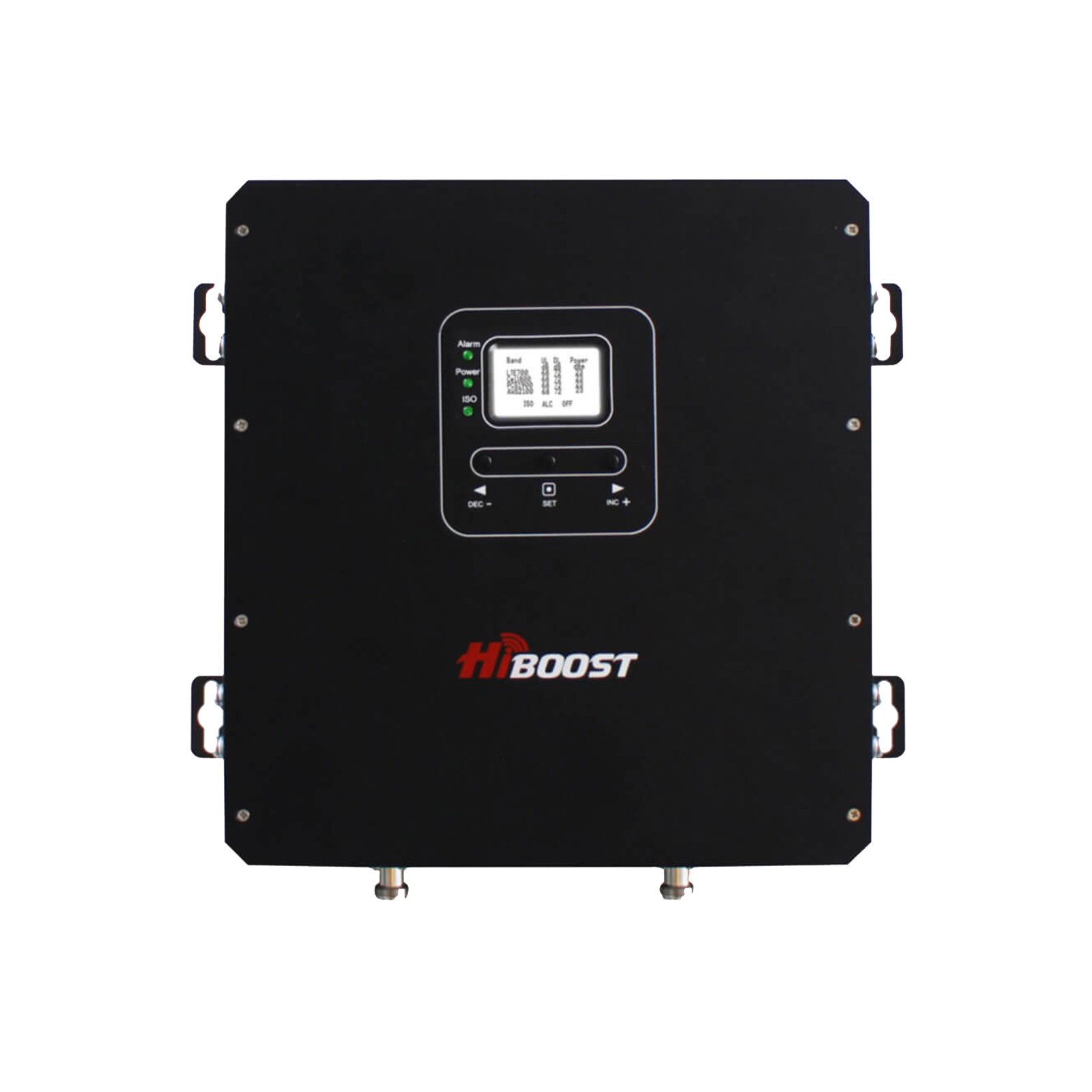
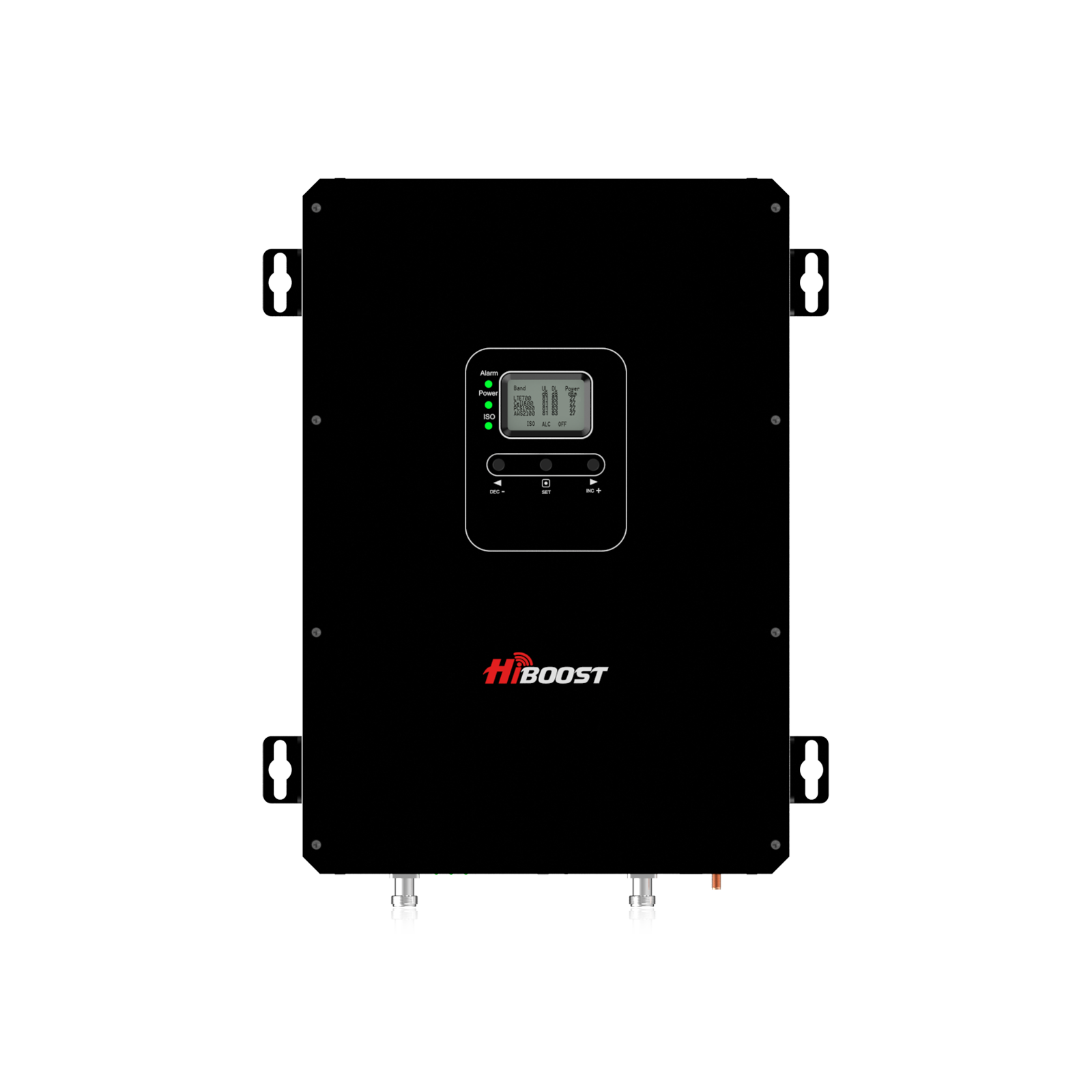
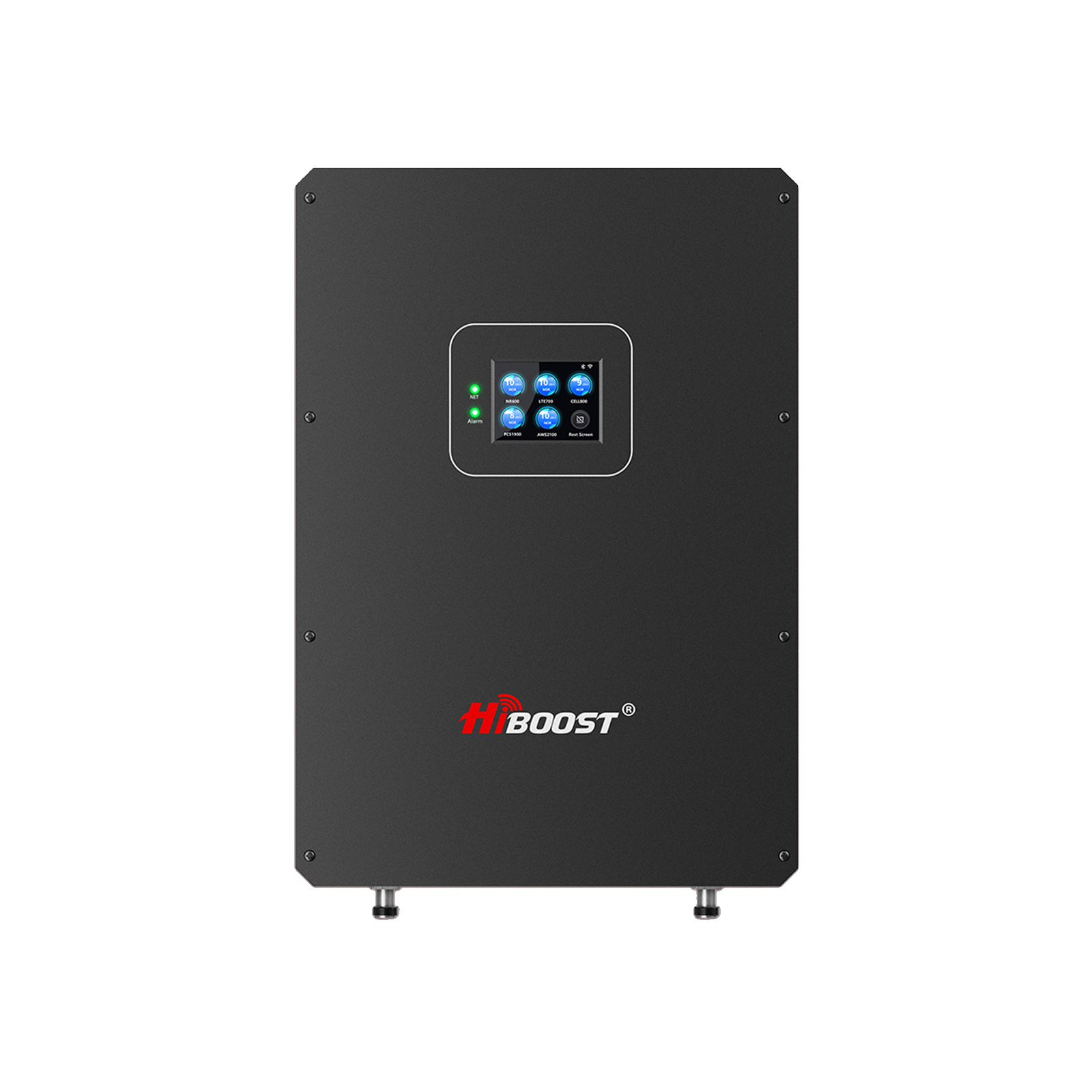
Get a signal booster to amplify a signal.
3. How does a signal booster work and improve my signal strength?
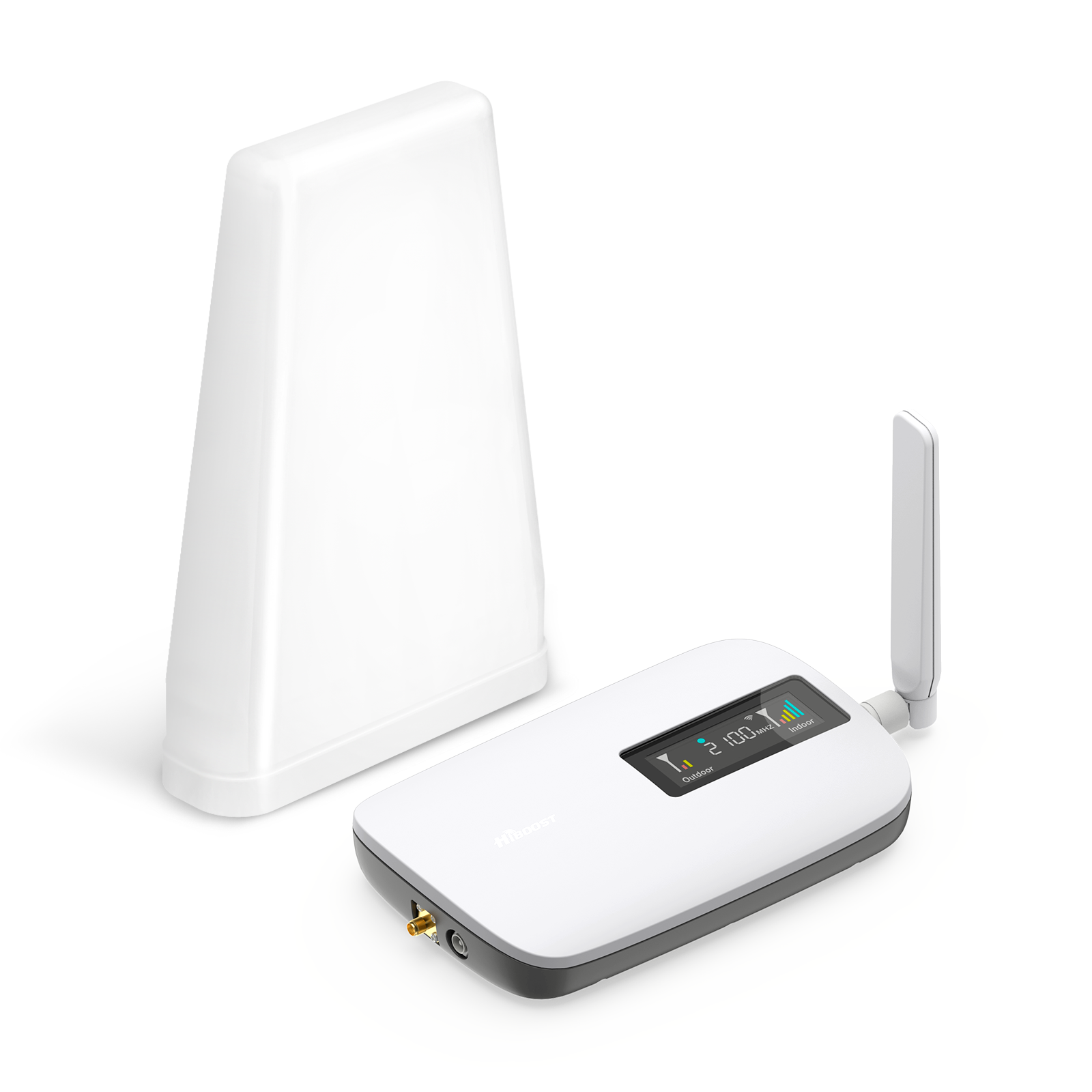
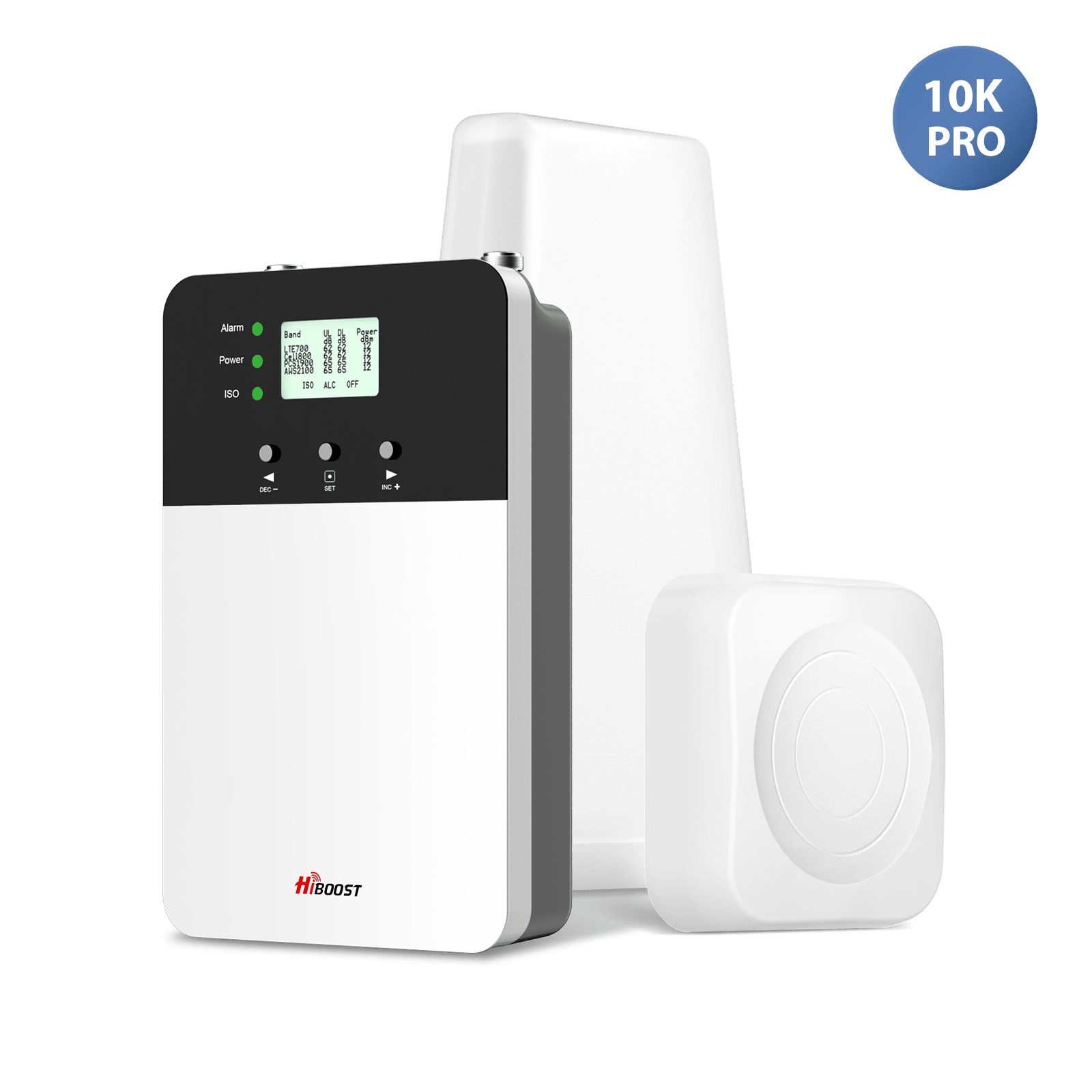
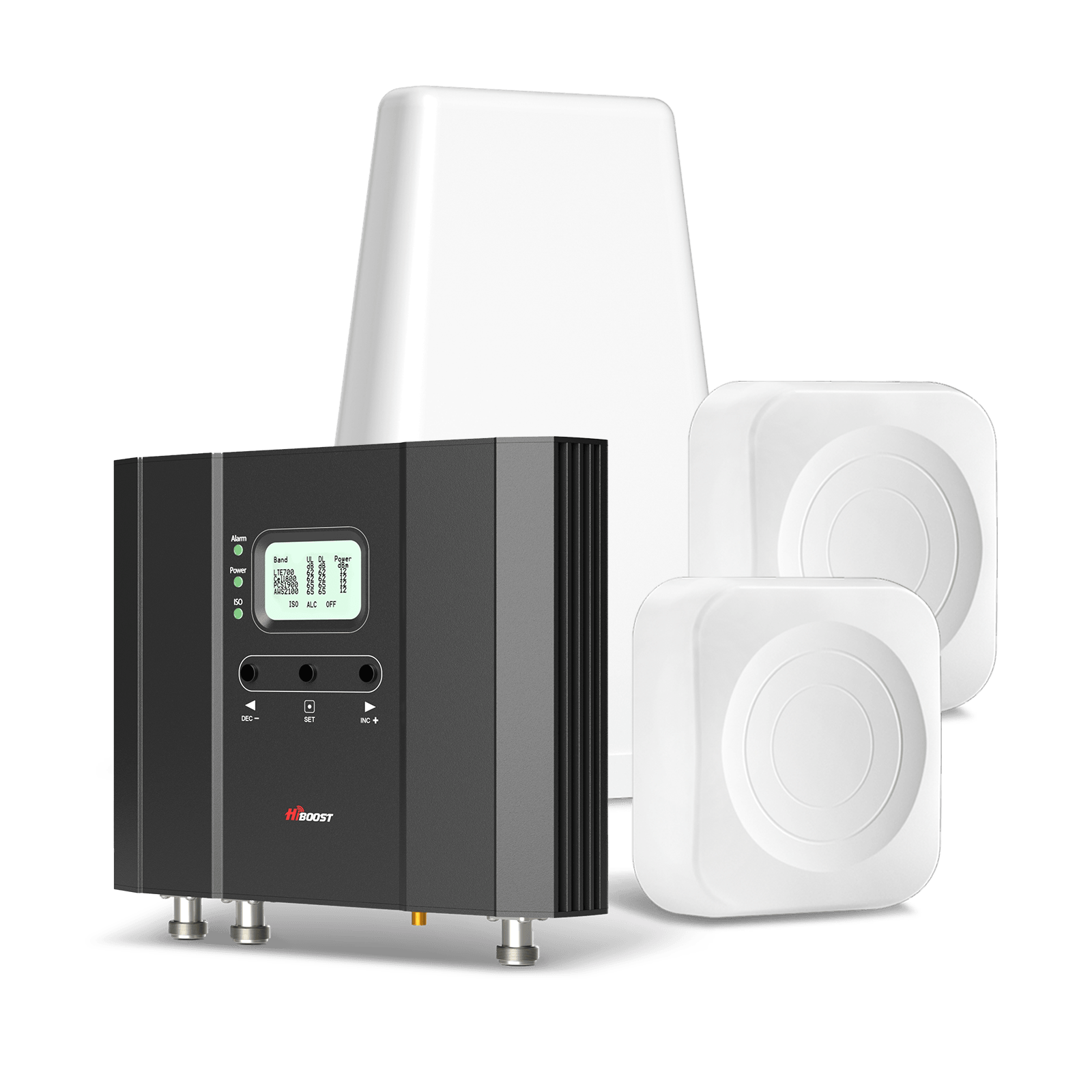
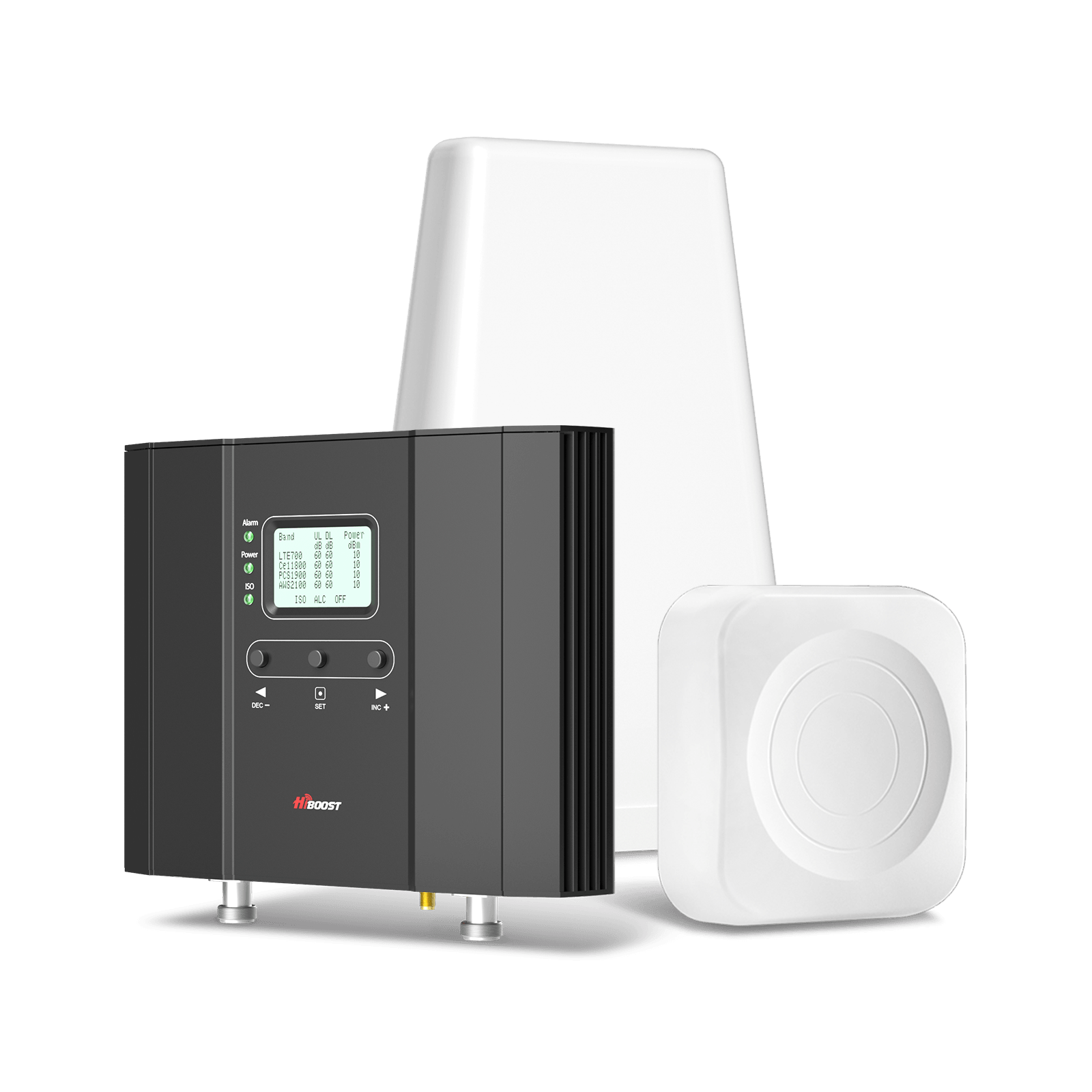
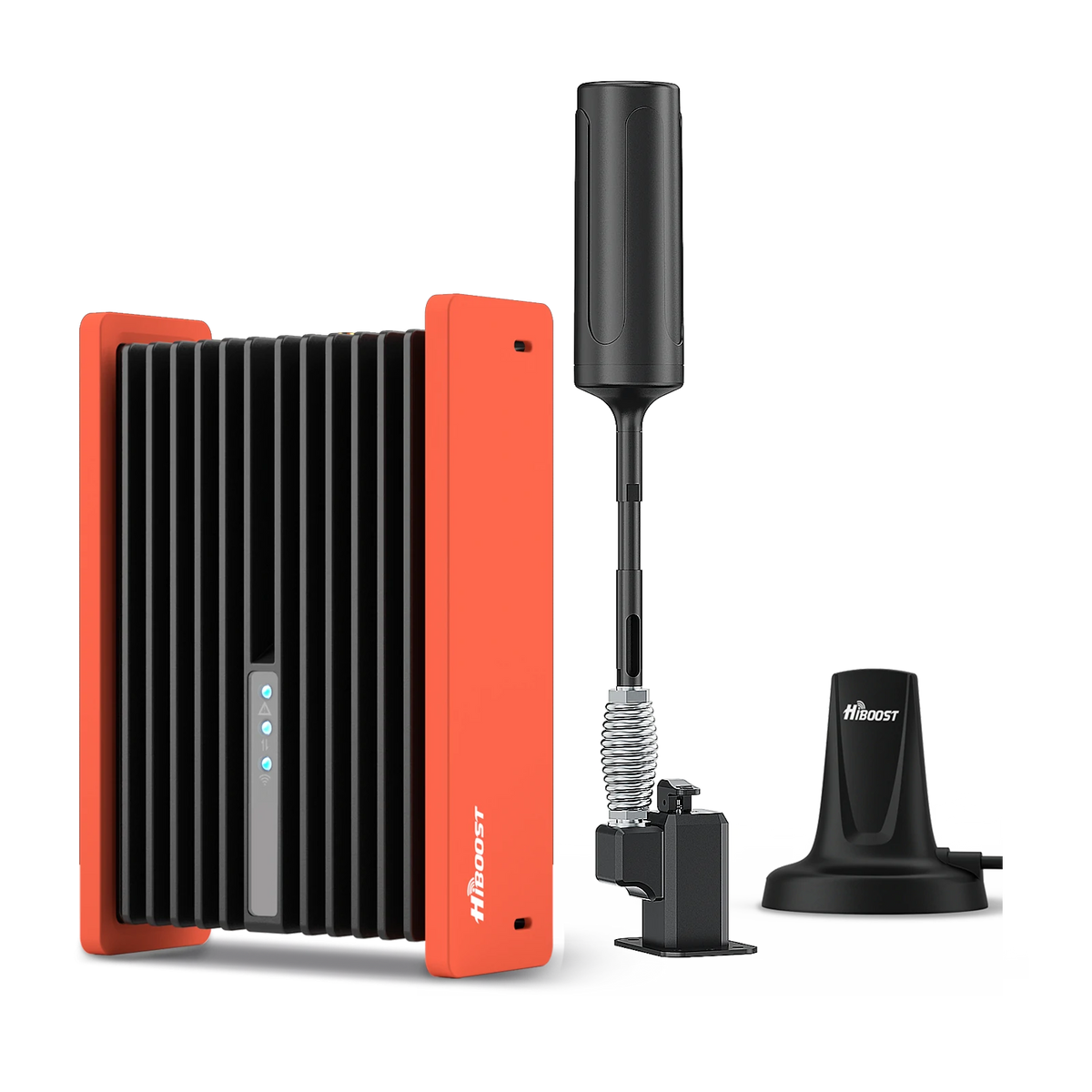
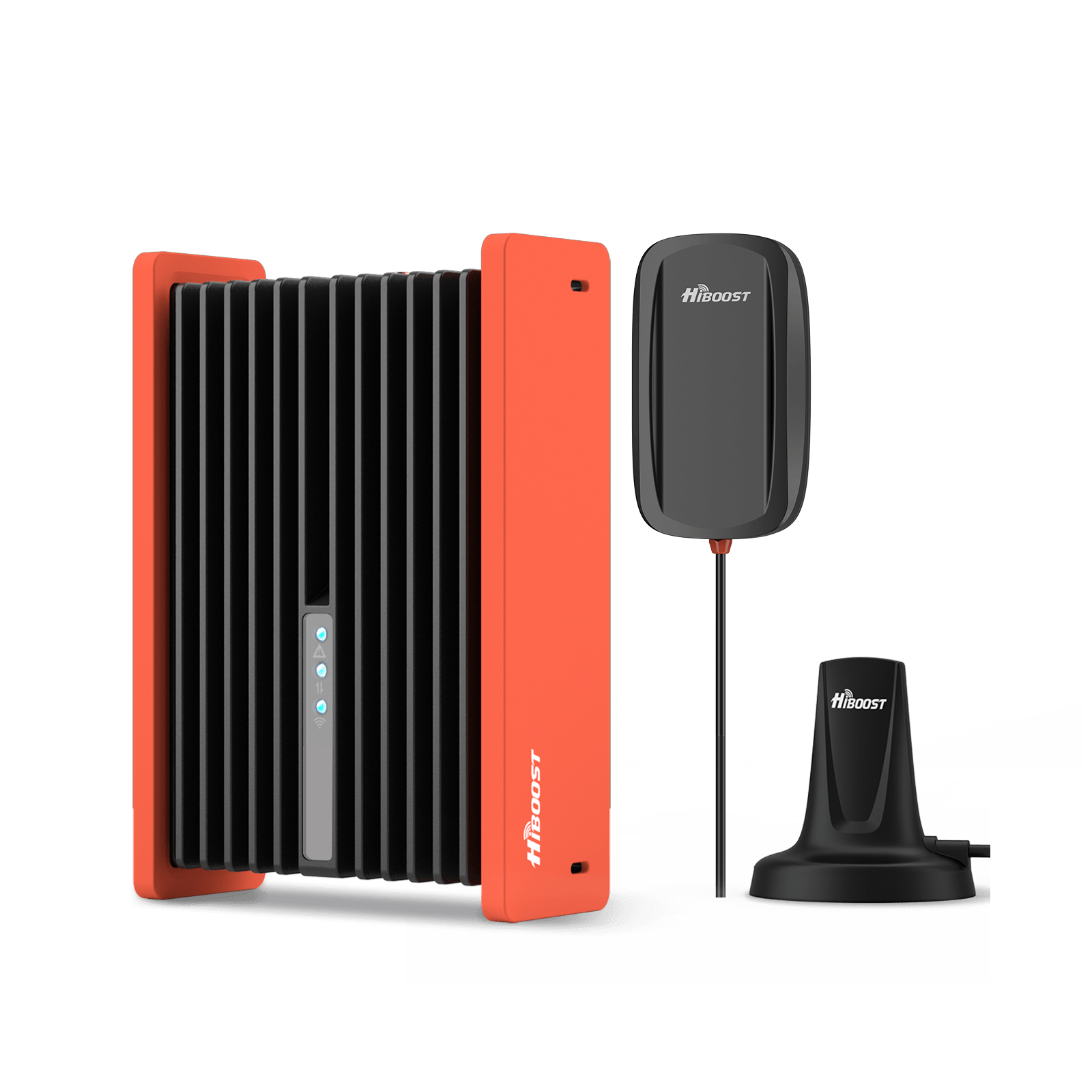
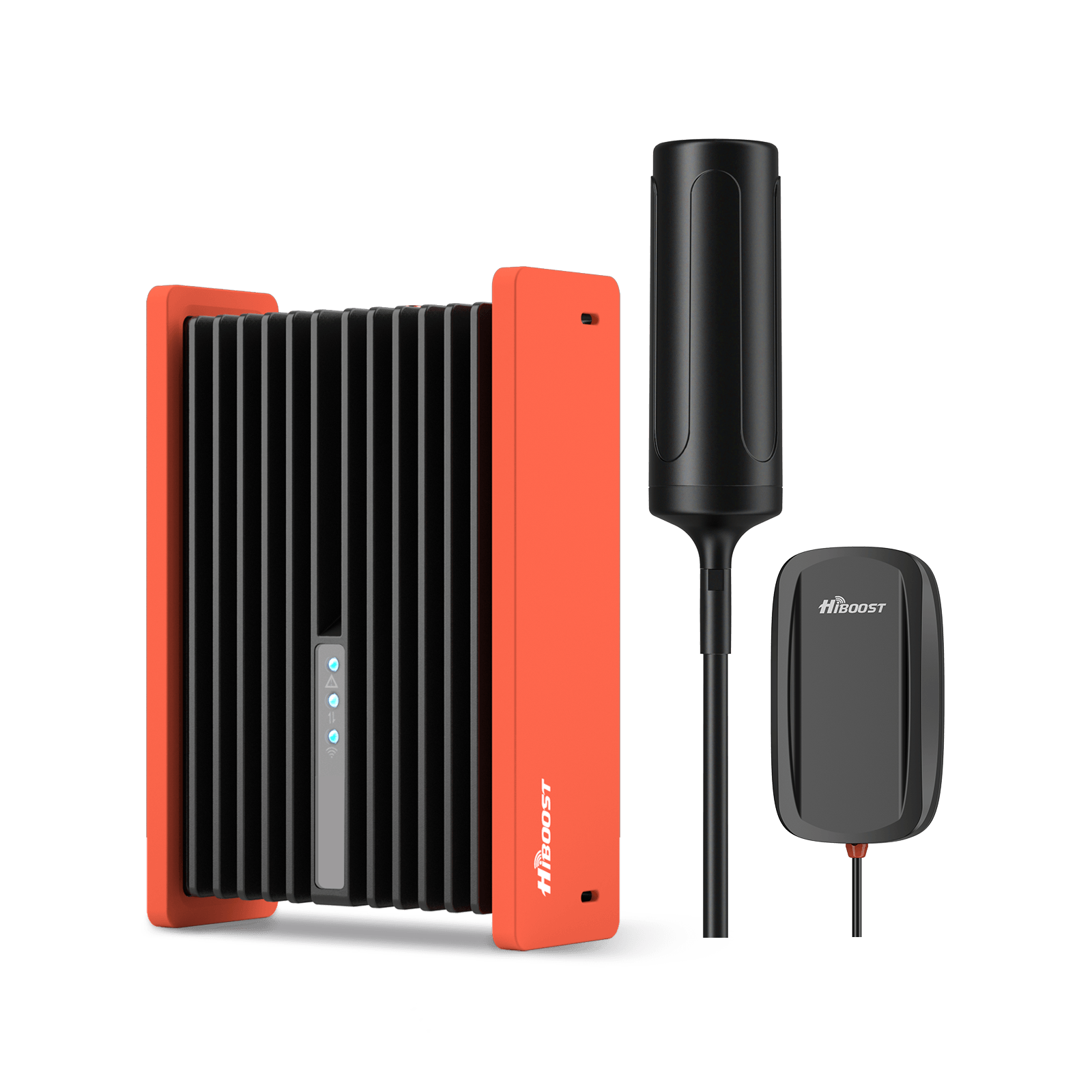
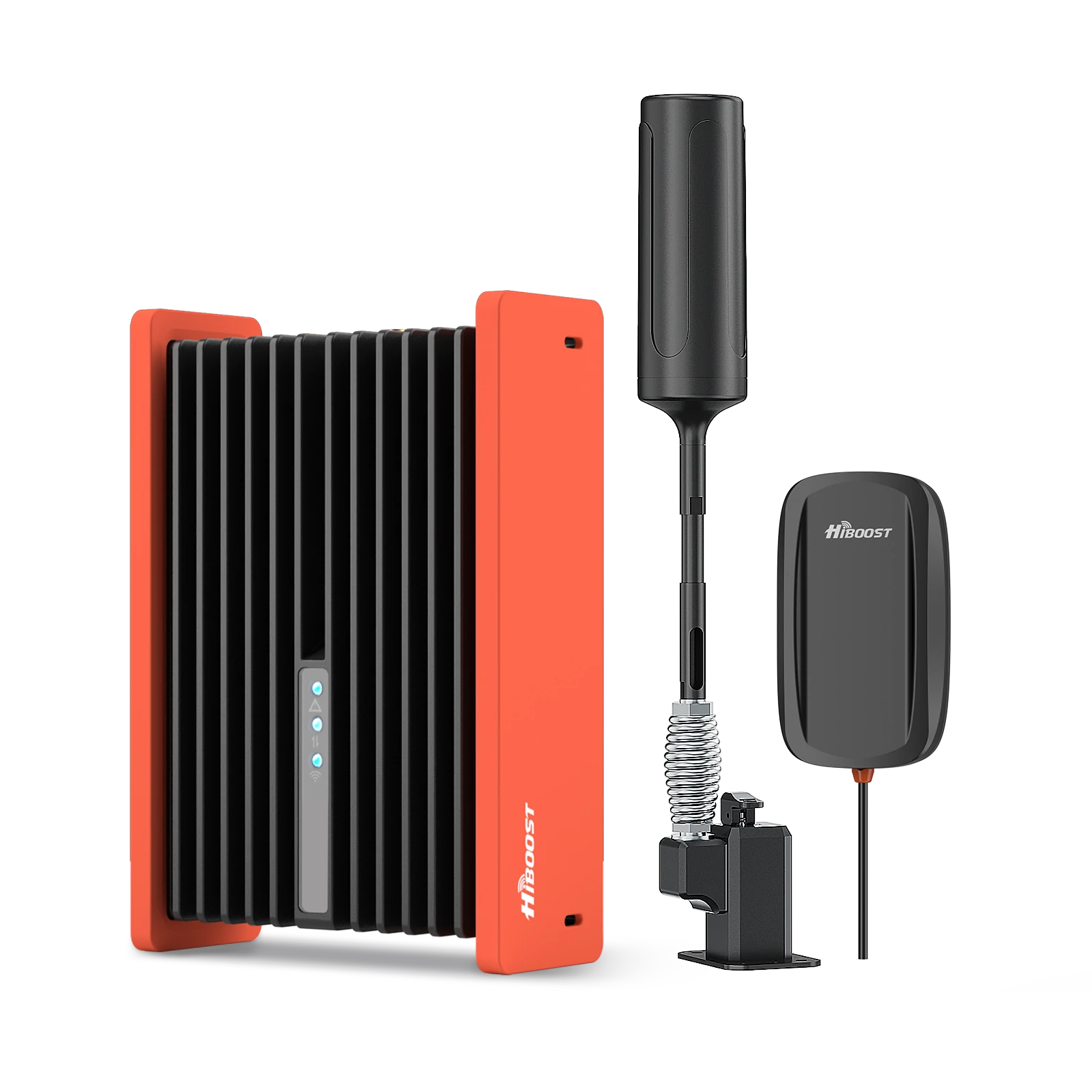
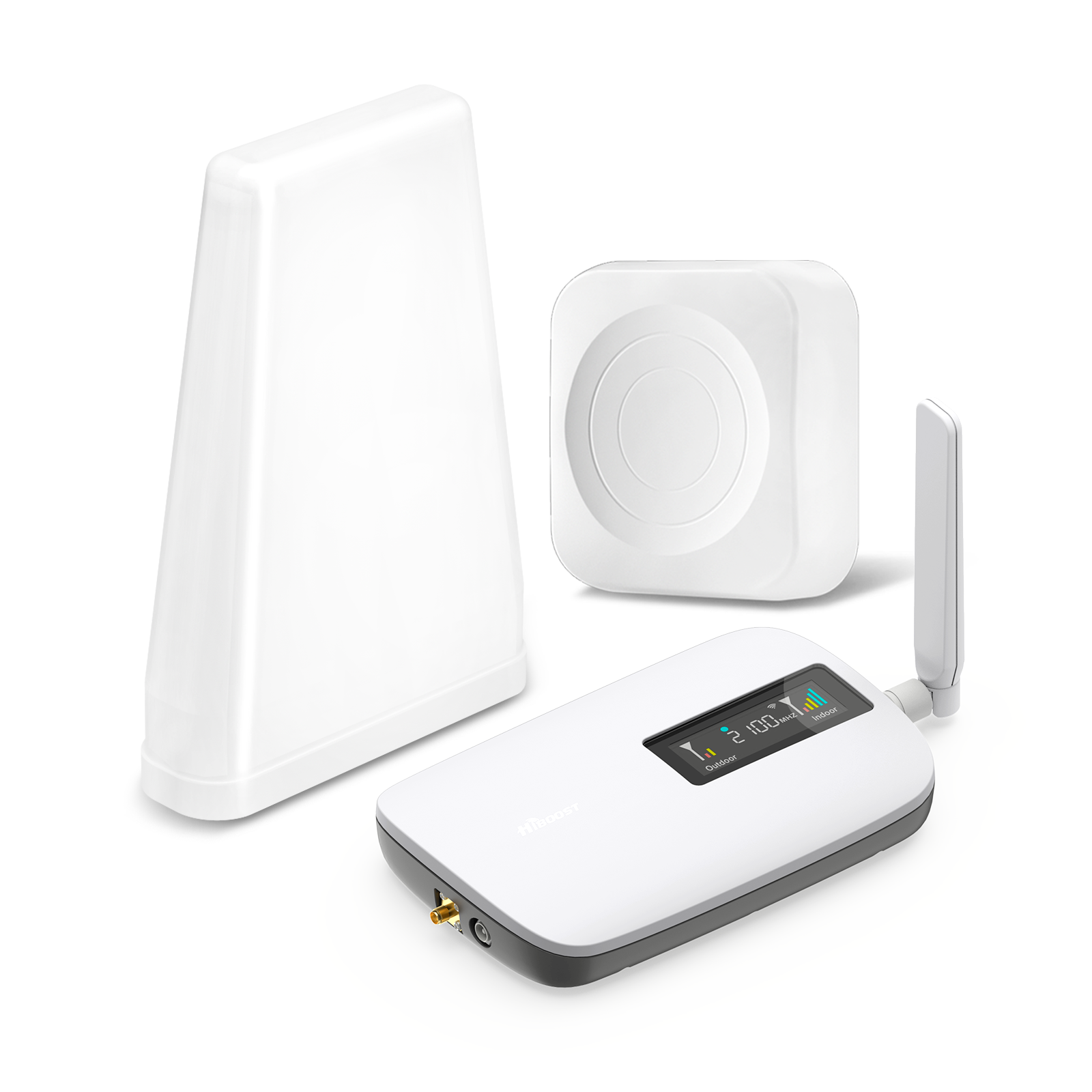
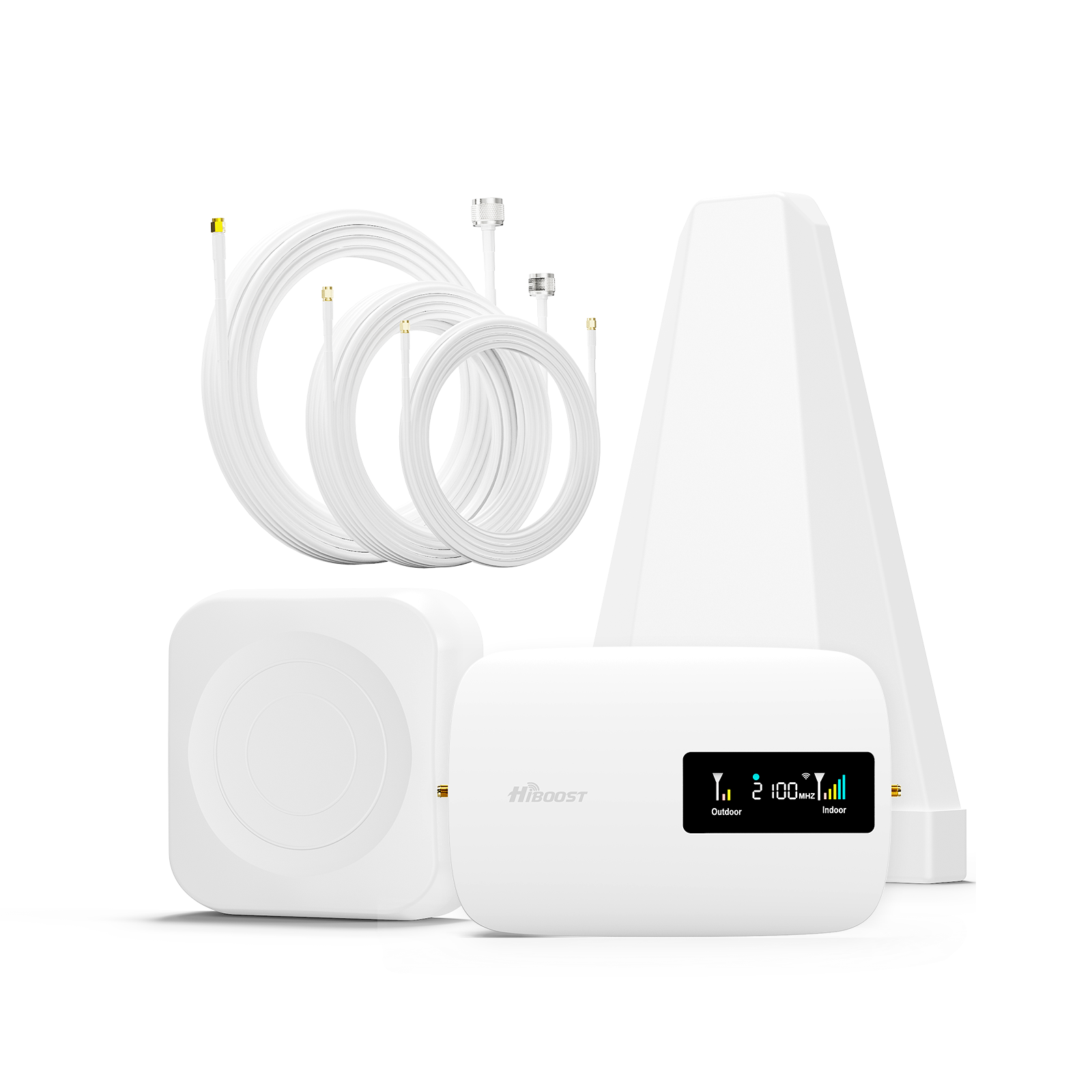
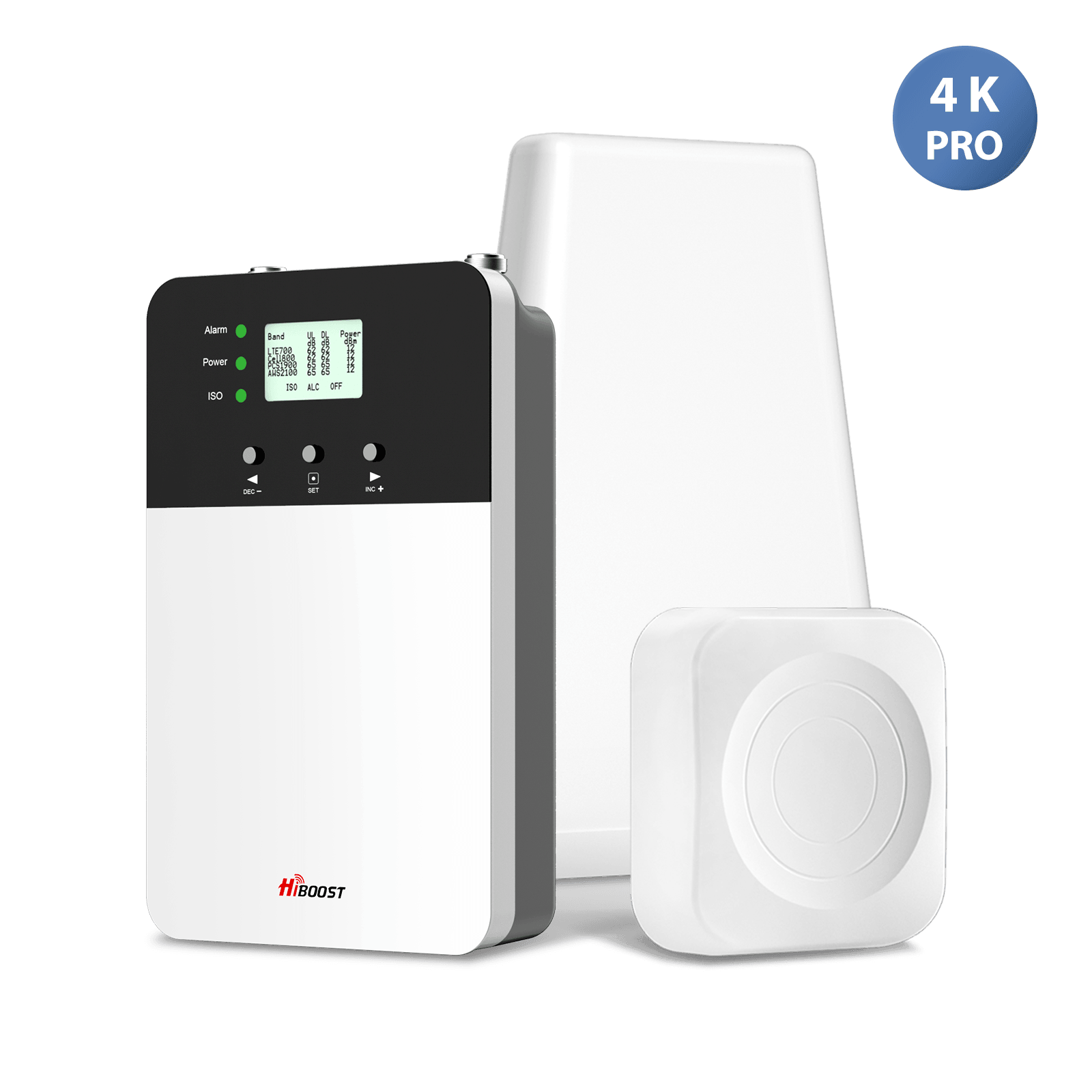
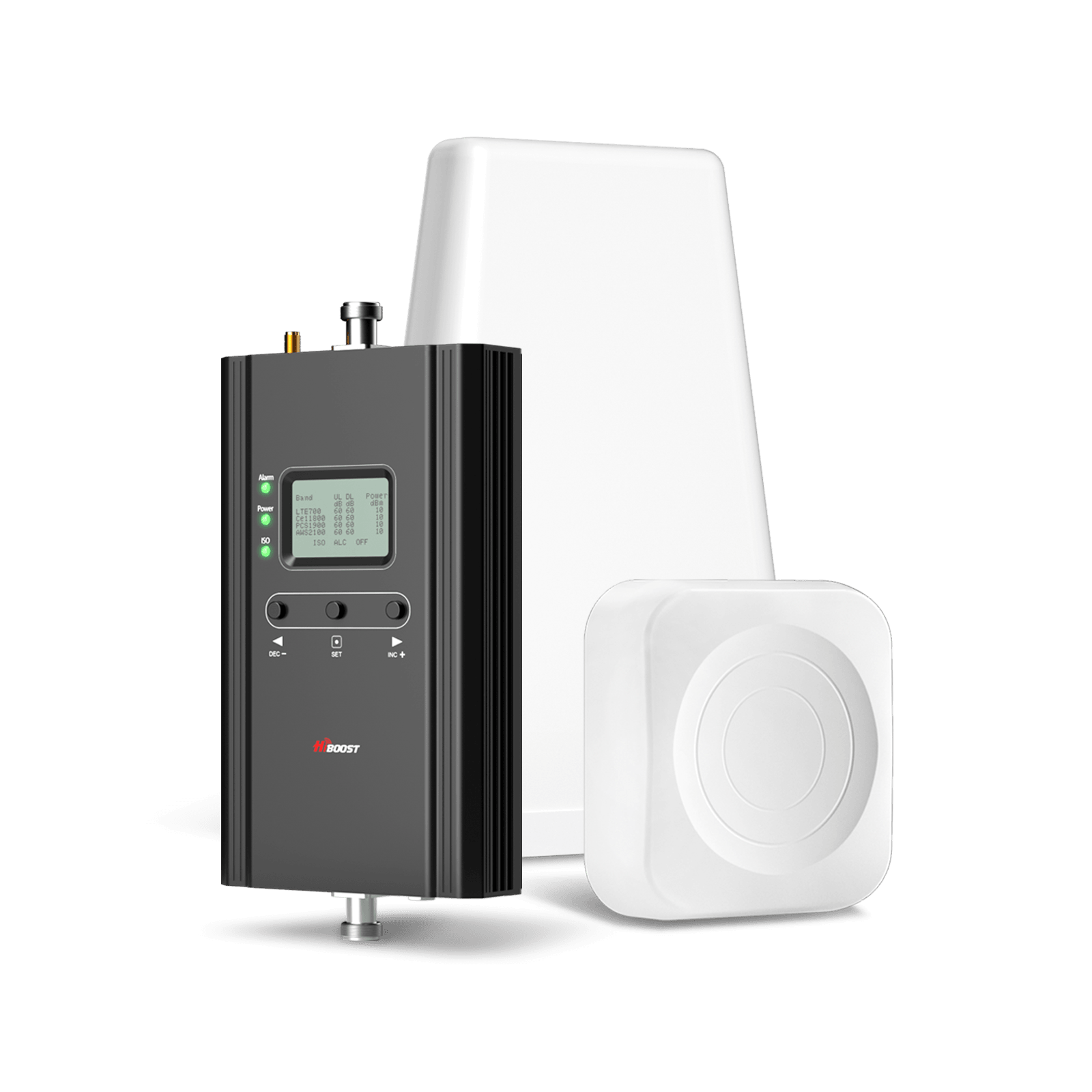
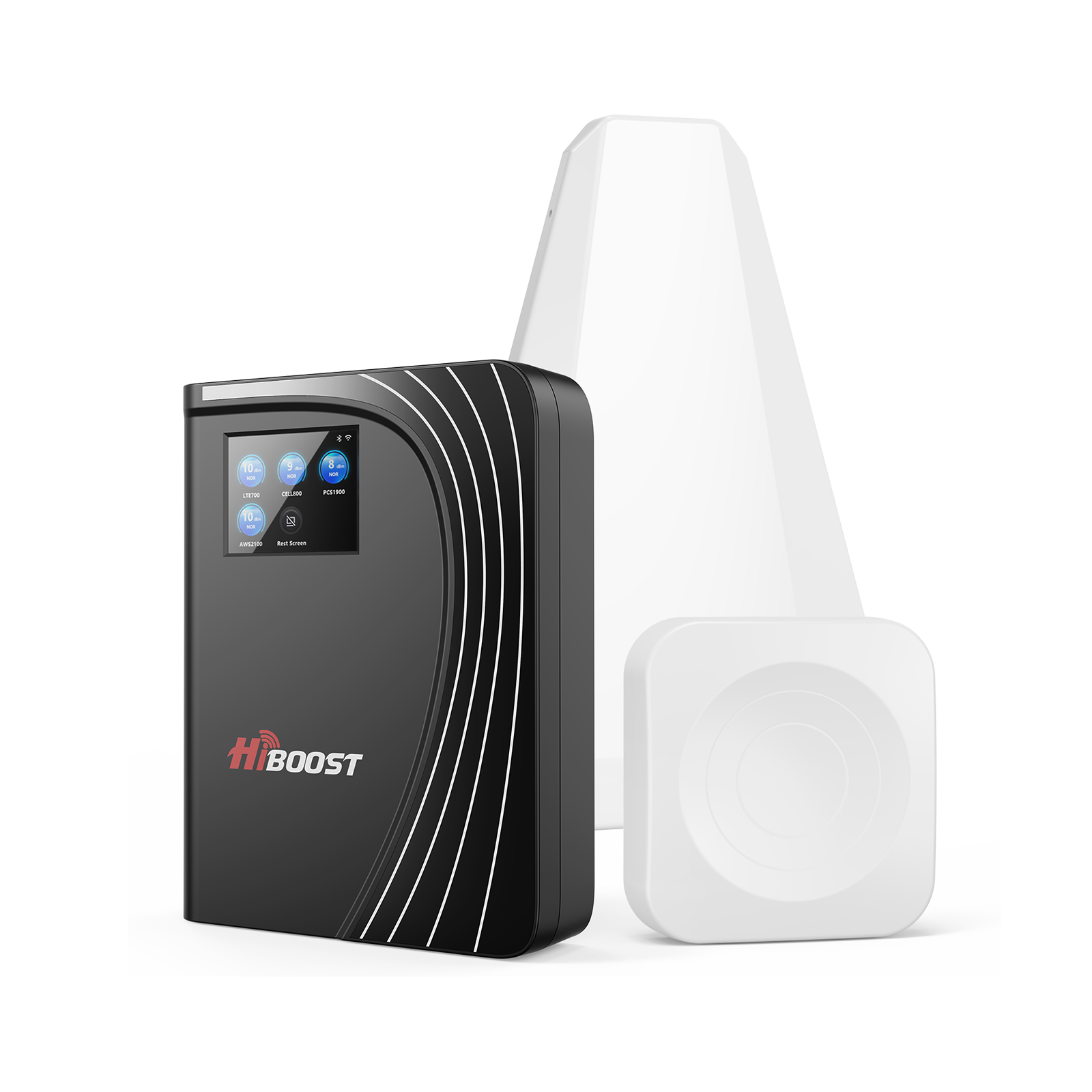
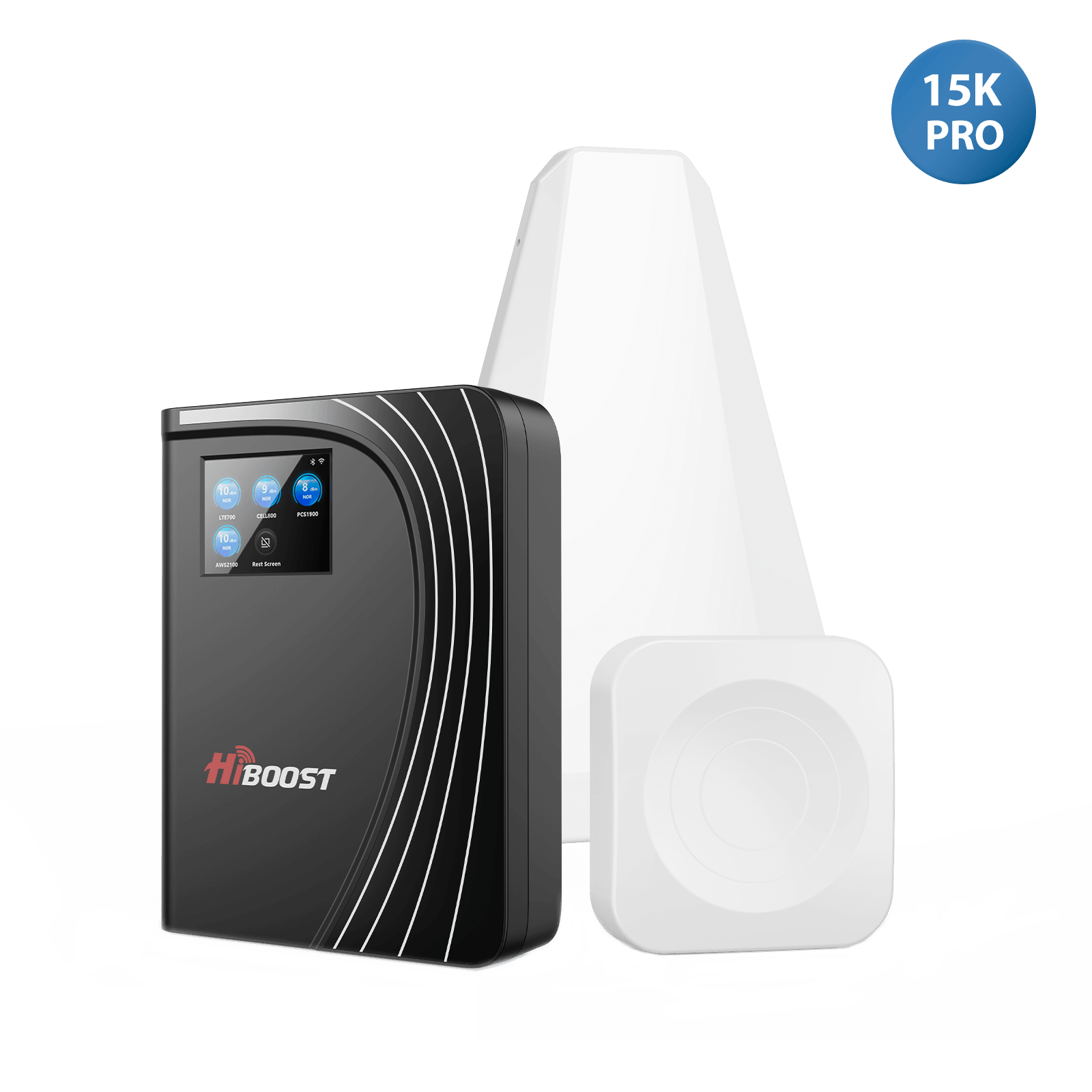
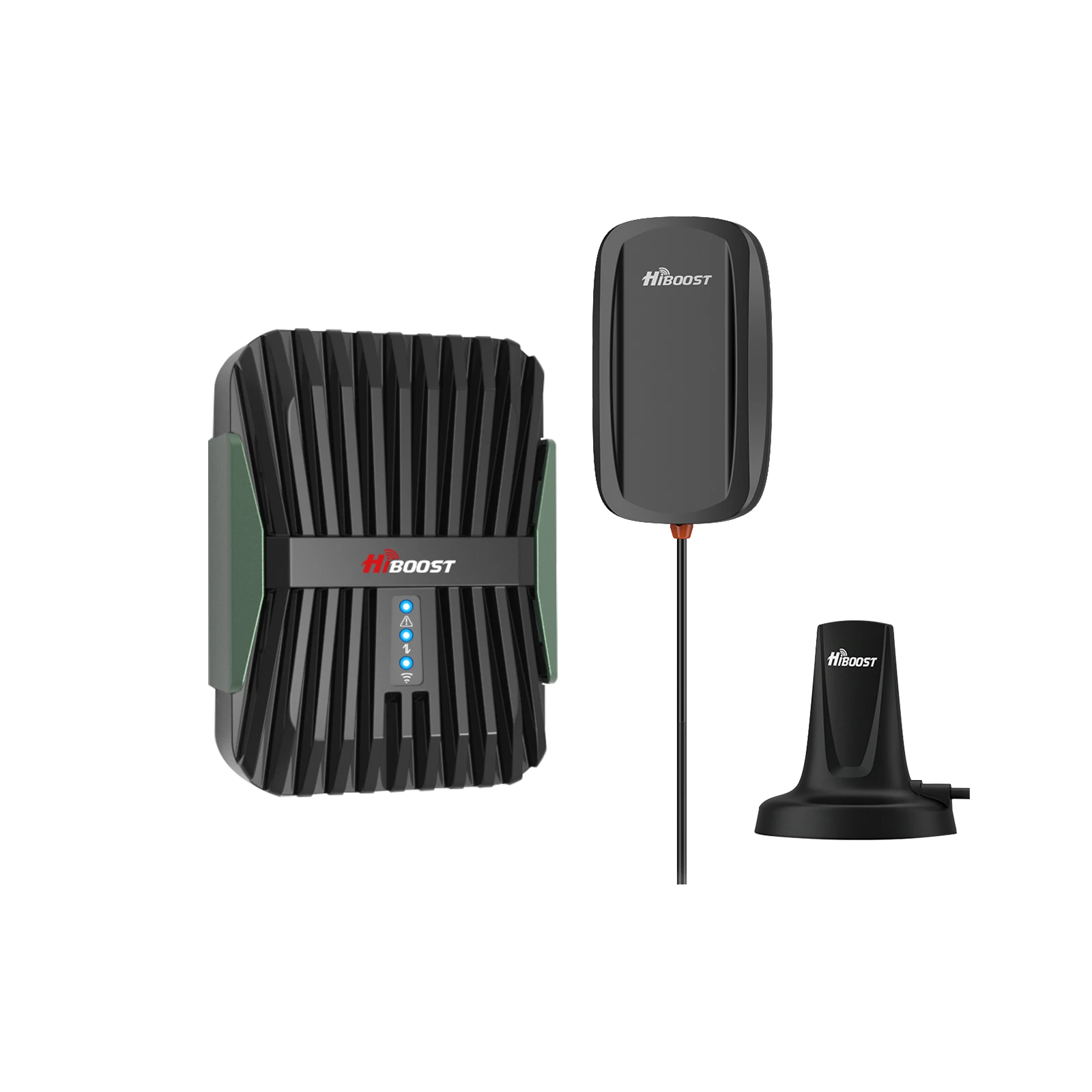
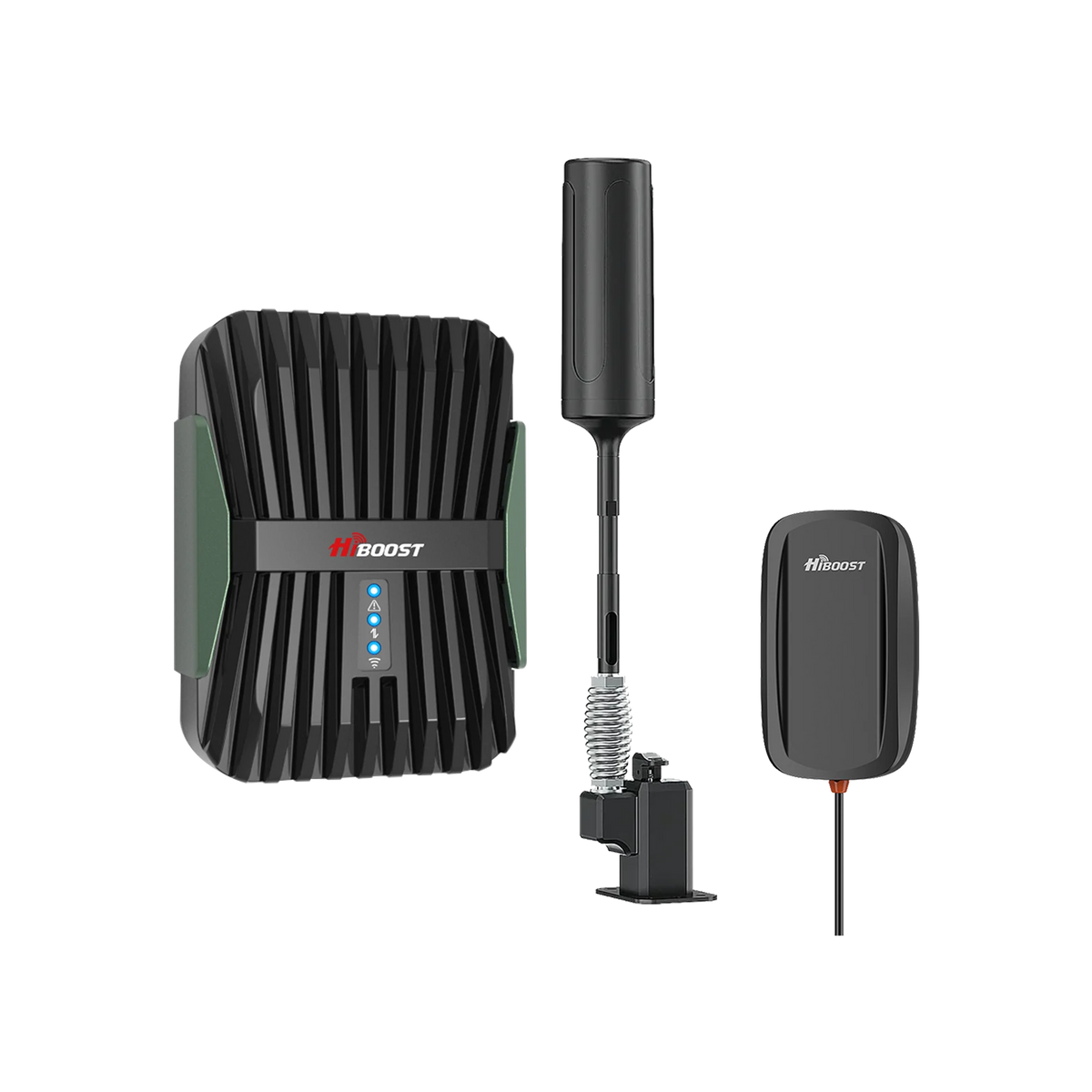
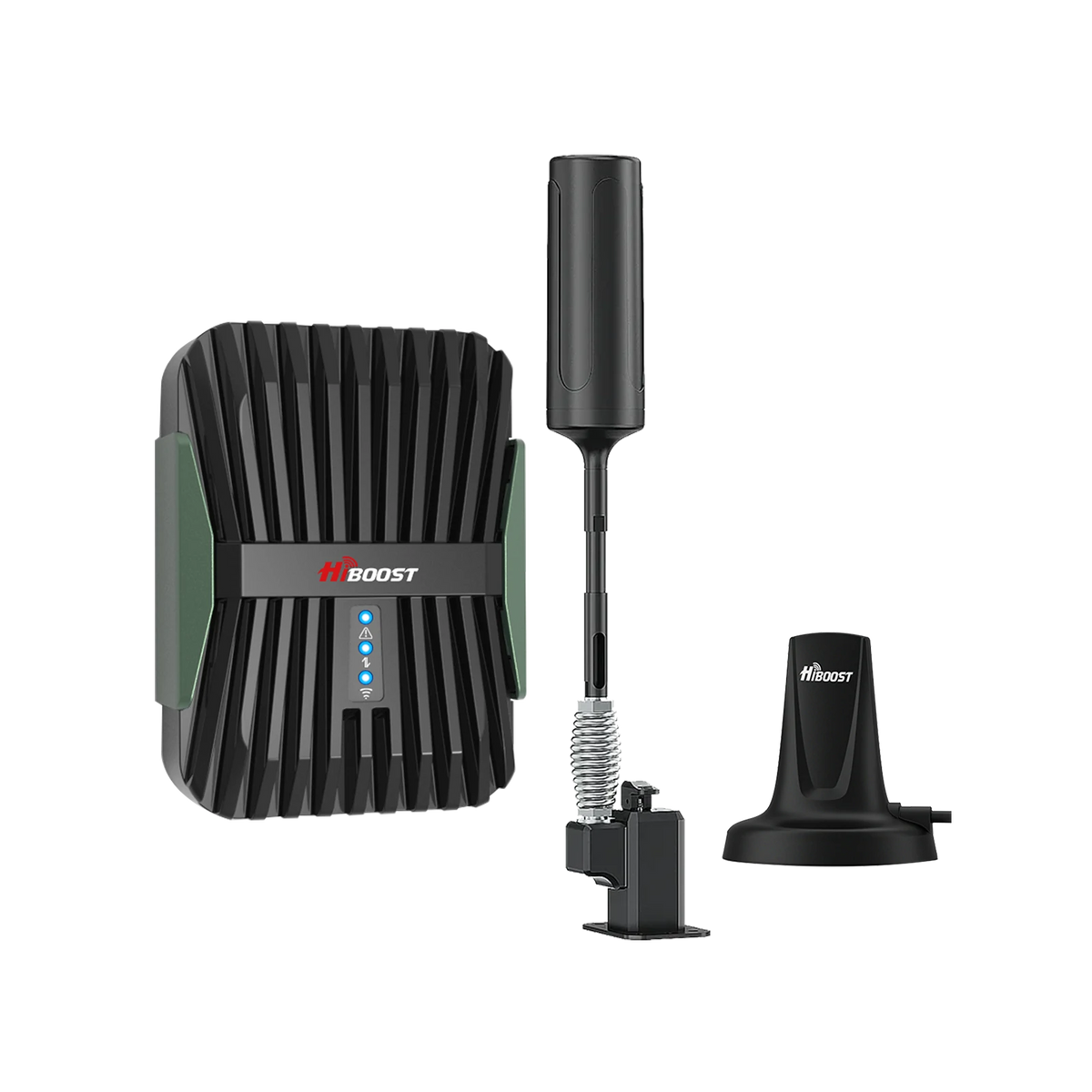
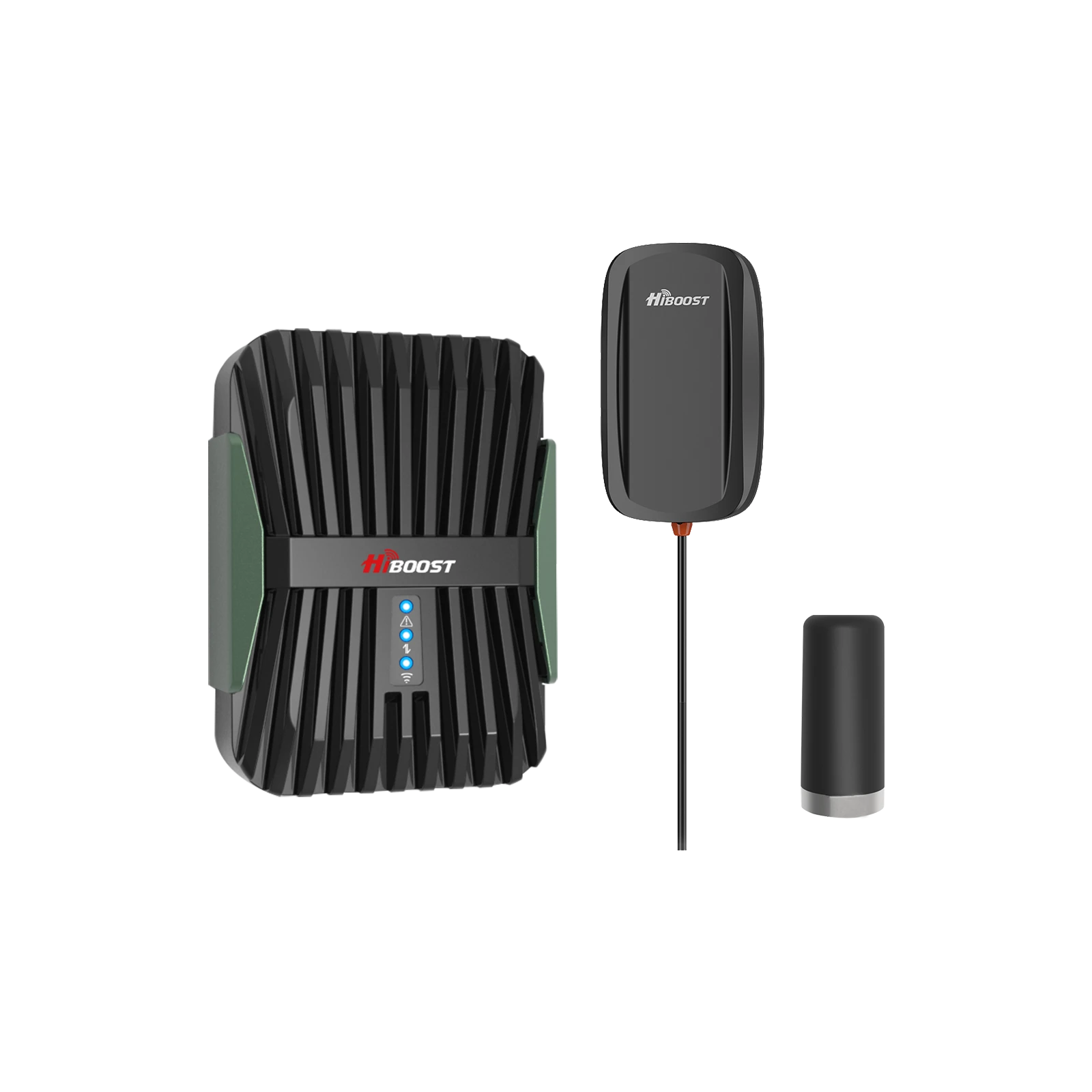
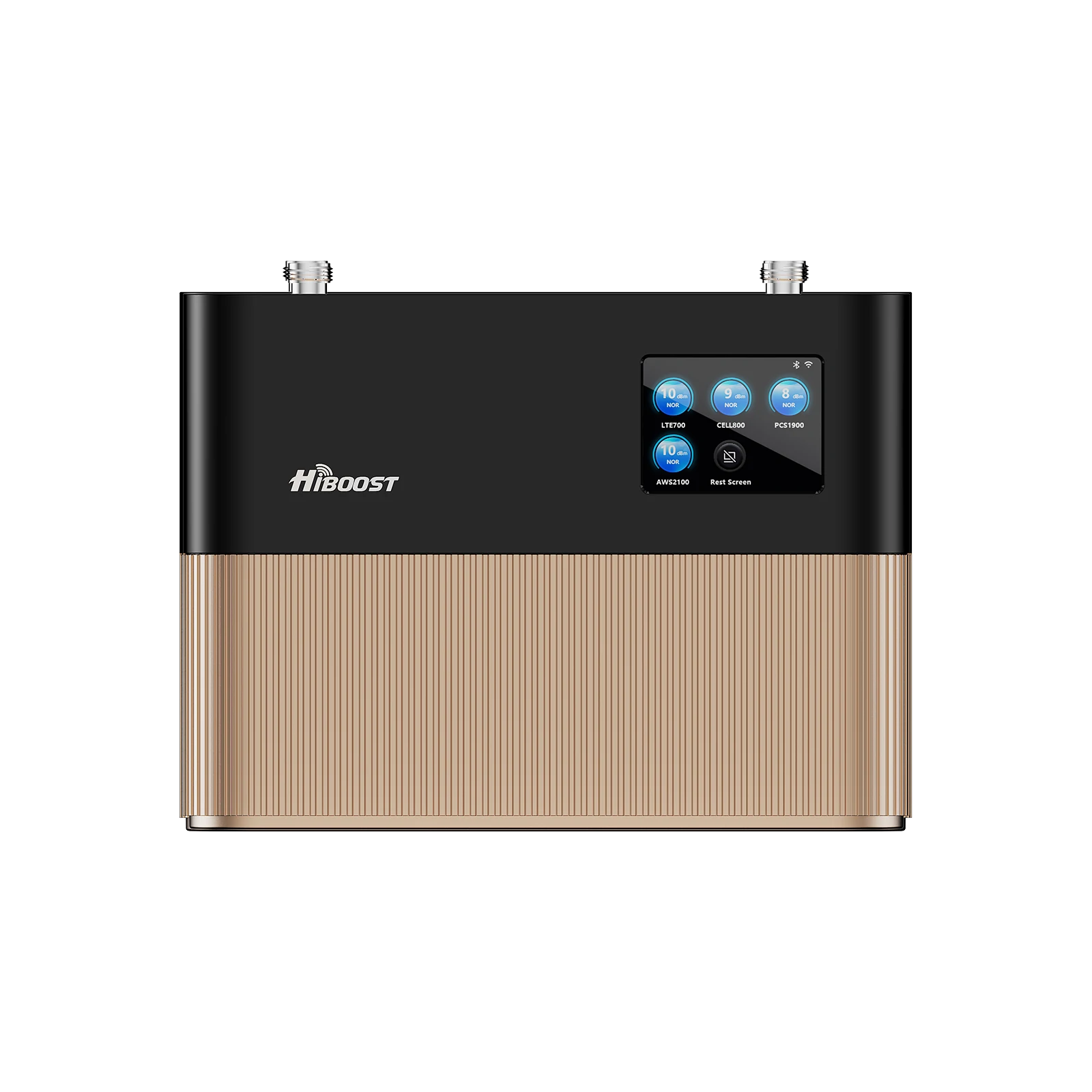
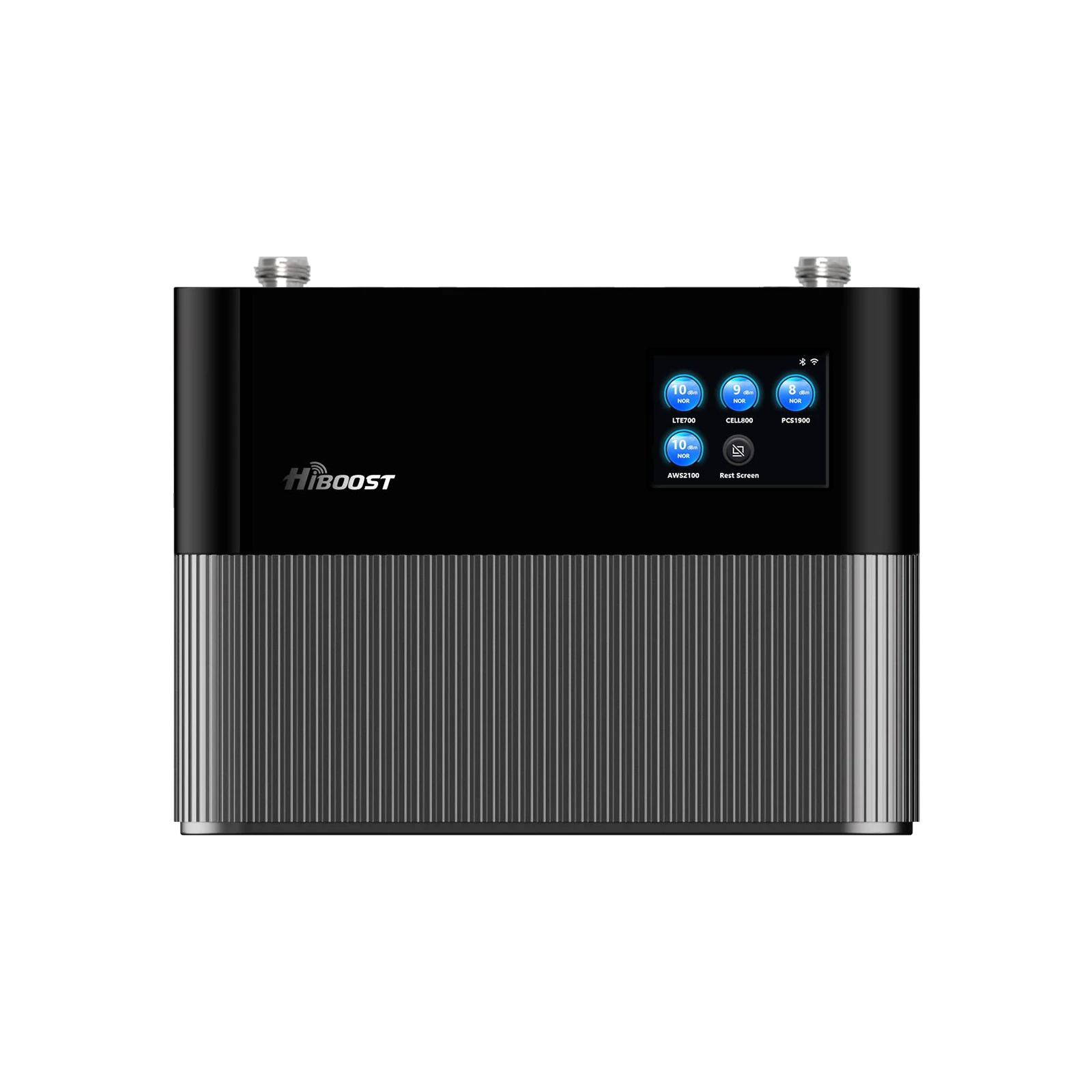
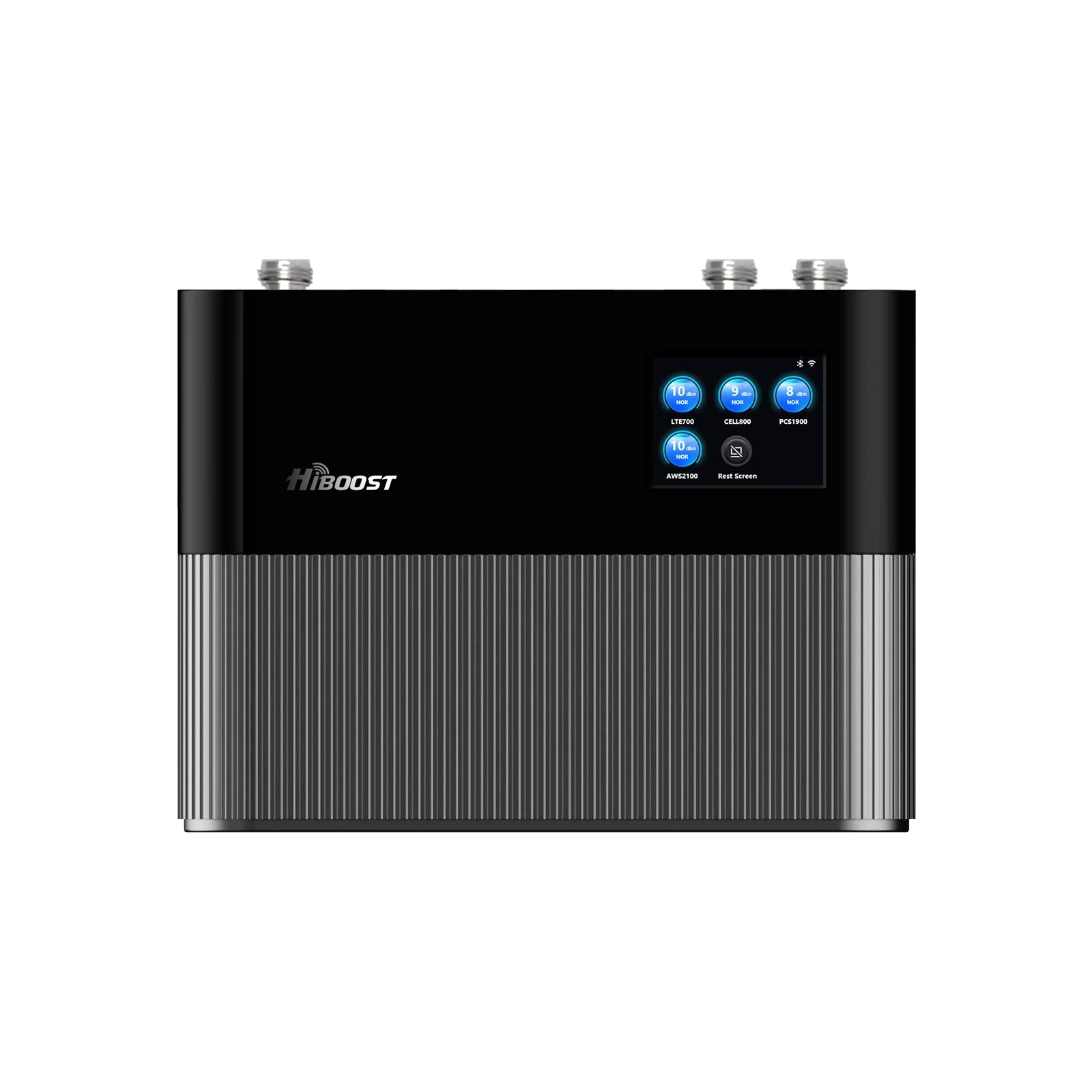
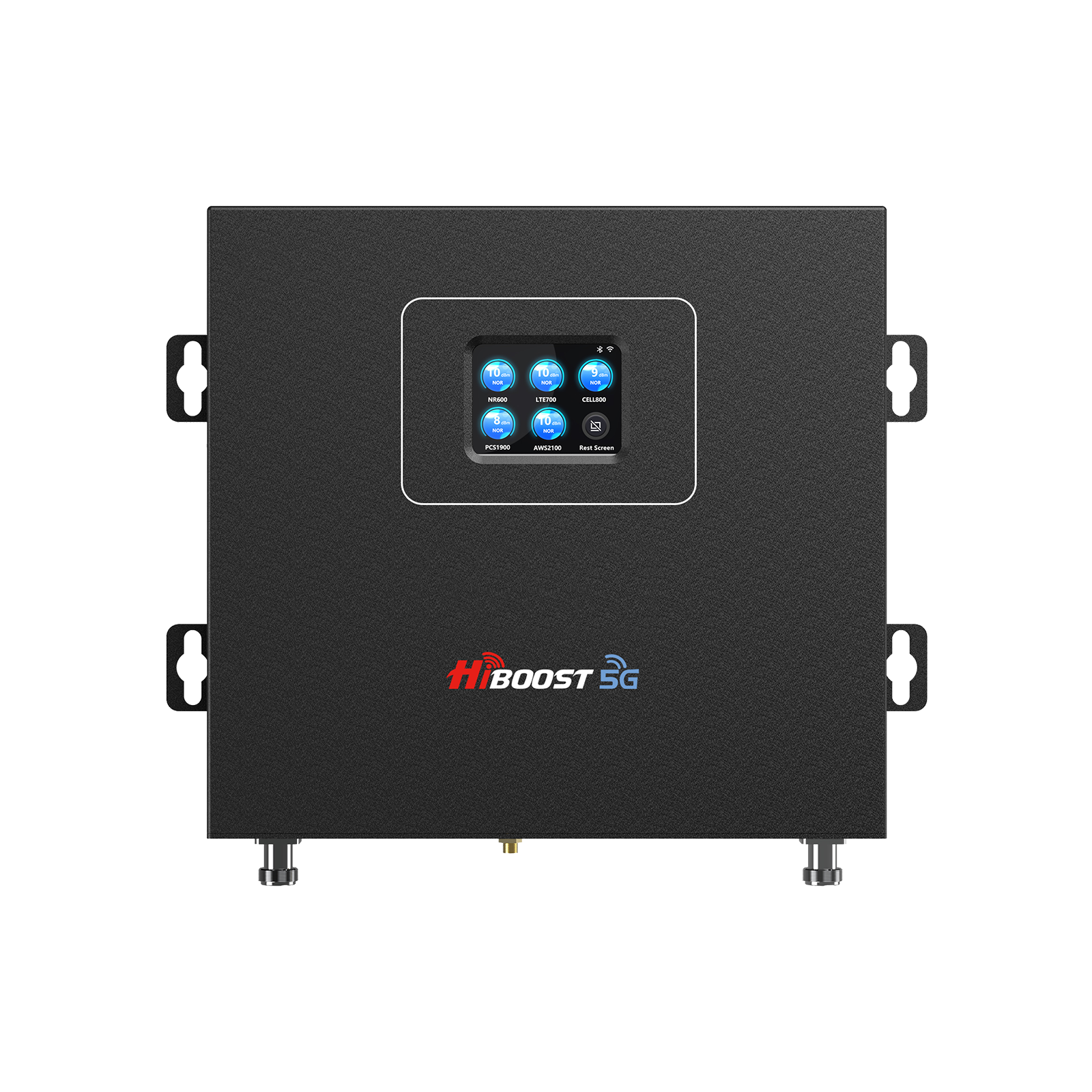
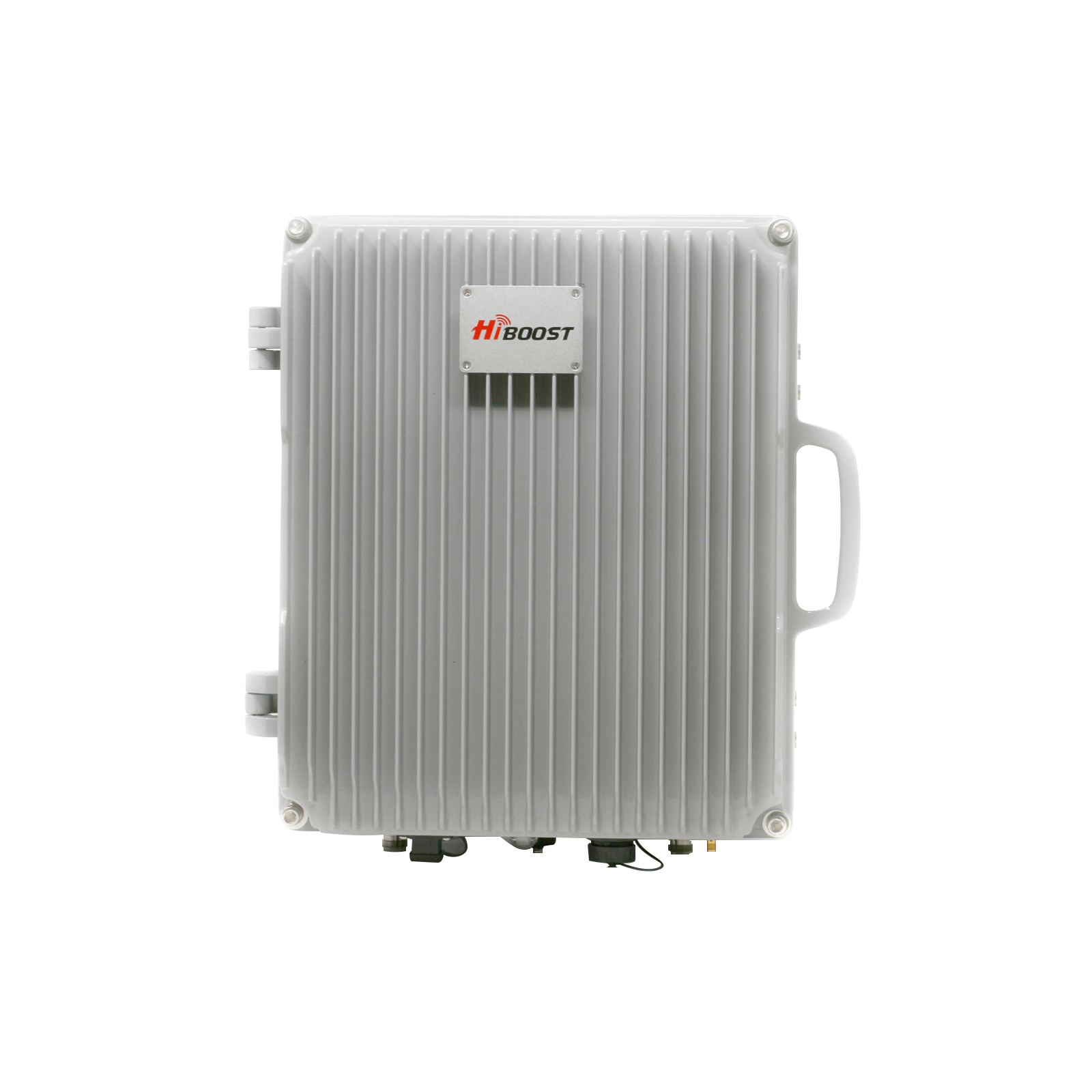
The signal booster is equipment that amplifies signal strength let you enjoy hassle-free communication and uninterrupted network connection. It featured with three main components, which includes

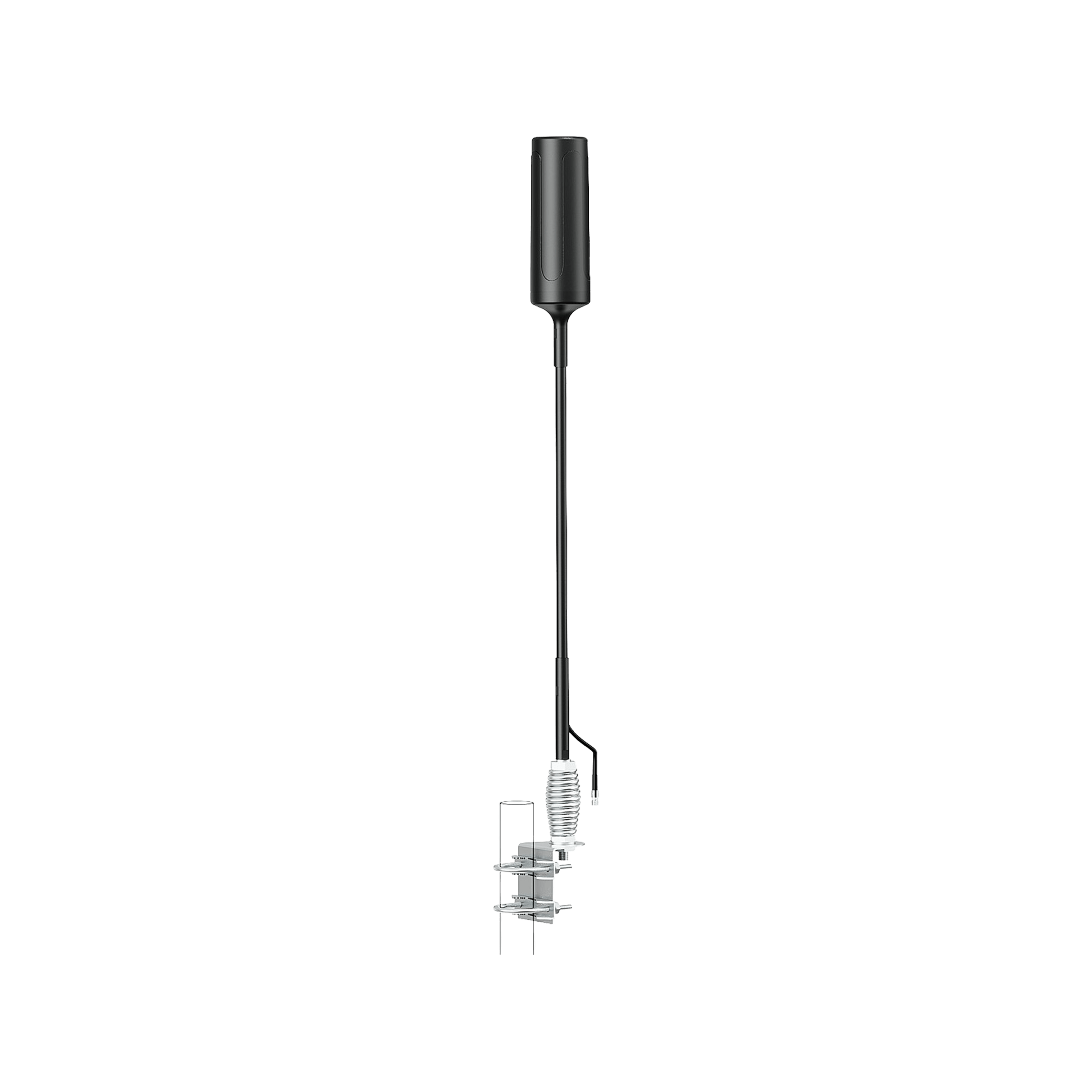
- Outdoor antenna: used to communicate with the cellular tower, captures the signal from the tower and send it to the signal booster unit.
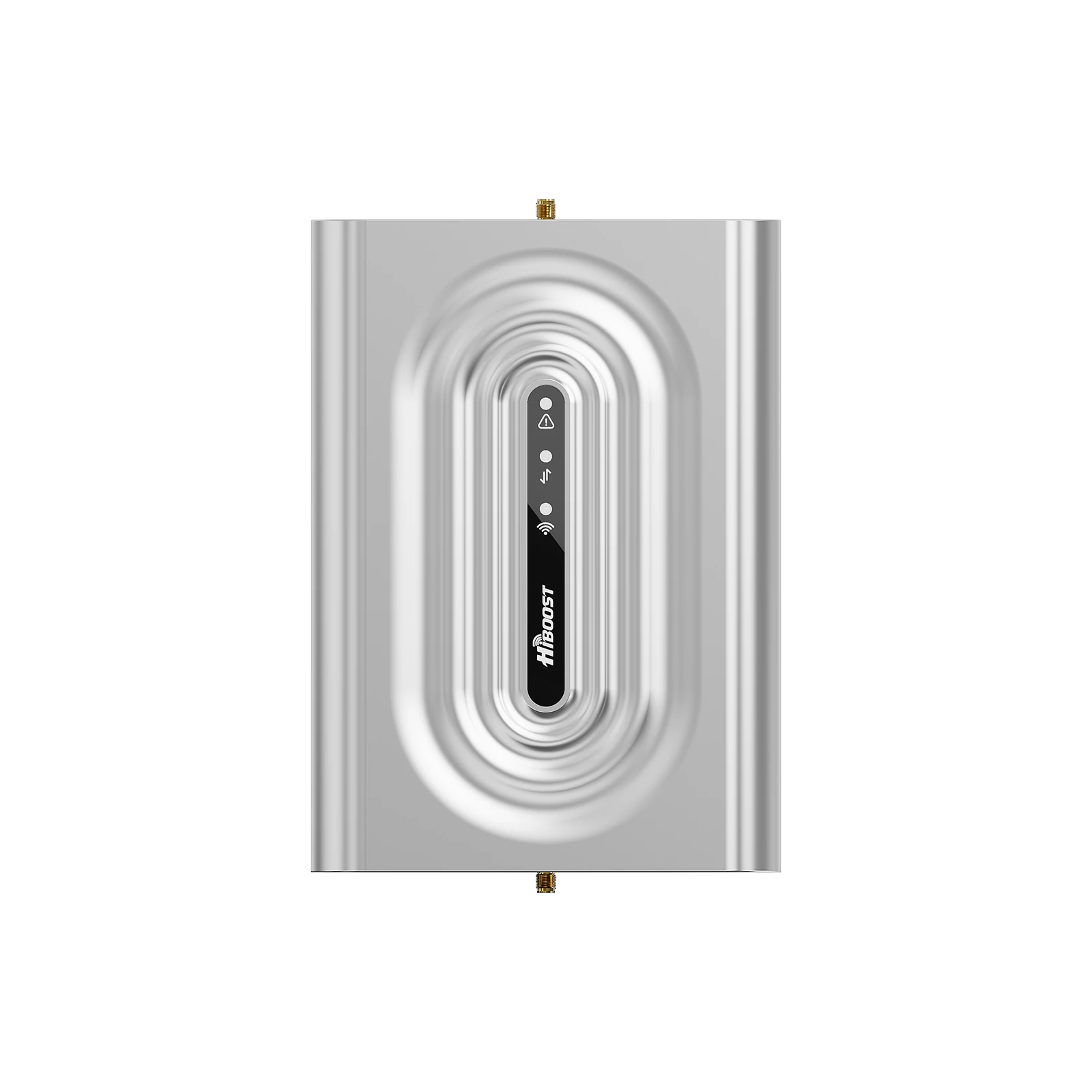
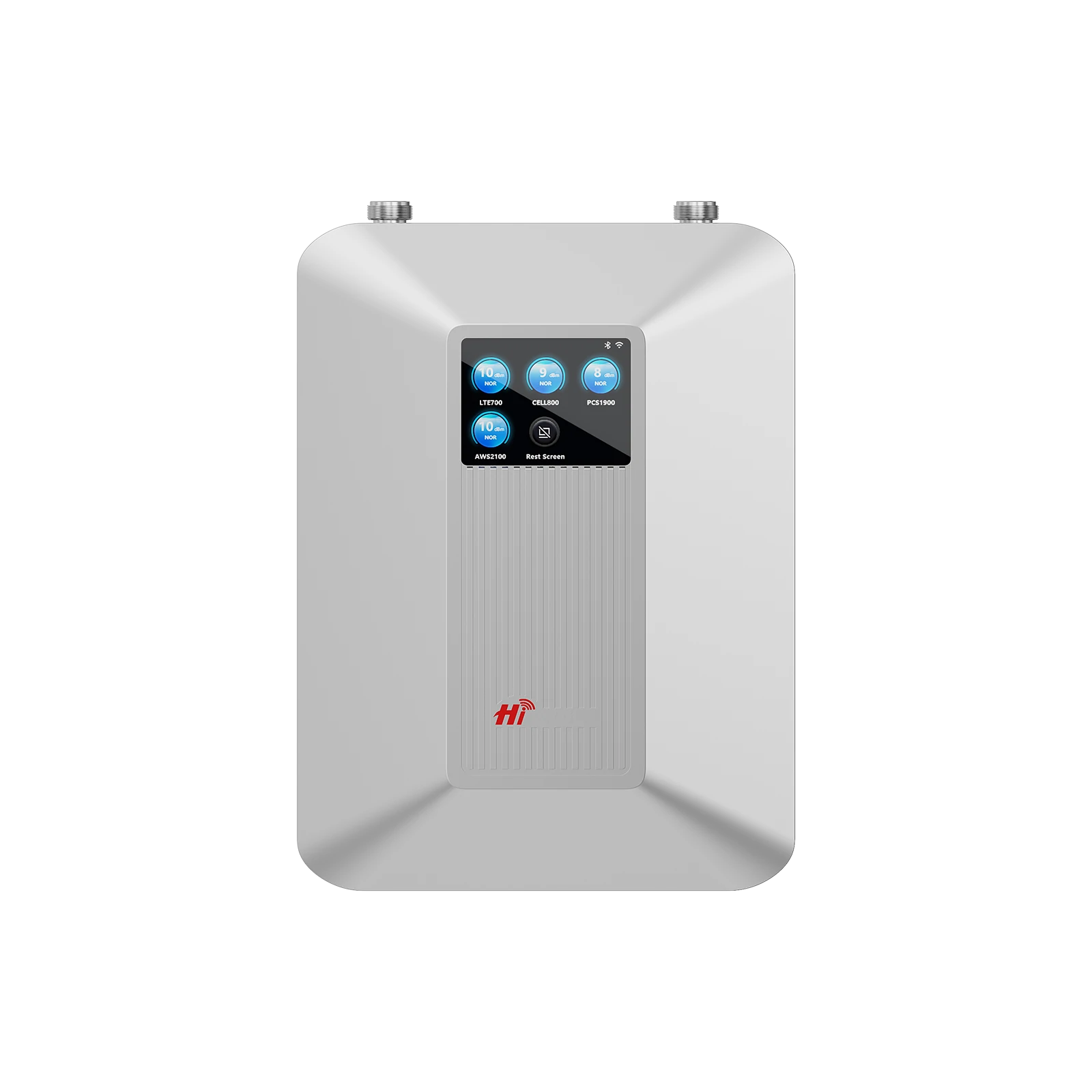
- Signal booster unit: amplify the signal and transmit it to the indoor antenna.
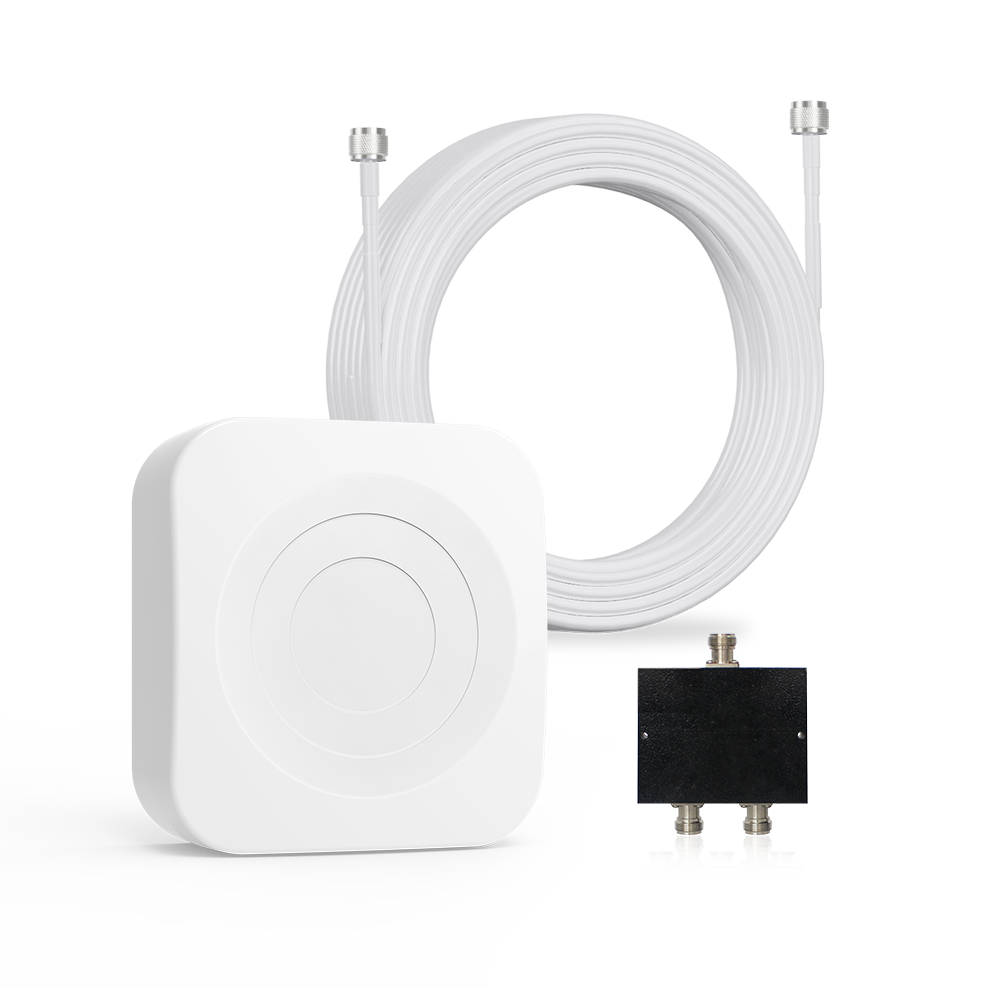
Indoor antenna: rebroadcast the amplified signal throughout your place.
4. Do I really need a signal booster?
If you live in a rural area or somewhere that is distant from your carriers’ cellular towers, you are more likely to suffer from bad cell phone signal reception, then the answer is yes.
It will improve your call quality and provide you with fewer dropped or missed calls. On the other hand, it will increase data speed for steaming, shorten the time for upload and download.
5. Do I need the internet to make a cell phone signal booster work?
No, a signal boost just boosts the cellular signal, there is no internet needed to make a signal booster work.
6. Does A signal booster work with my phone and carriers?
Sure thing.
Hiboost cell phone signal boosters are designed to work with all cellular devices. No matter you’re using Apple or Android, they are all compatible with the gadgets.
Moreover, all Hiboost signal boosters are certified by FCC, they all work with carriers in the US and Canada. (Except the newly launched Dot, it only supports AT&T, T-Mobel Verizon. It’s created for those who want to amplify the signal for one room and have a limited budget ) Keep an eye on whether the target booster works on your cell service before purchasing.
And one thing that needs to mention is that there is no monthly subscription fee for installing a signal booster. It’s a one-time purchase and no recurring fee.
7. What are Gain and dB?
Gain measures how much a cell phone signal booster amplifies an incoming signal. It is measured in decibels (dB). Generally, a higher gain rating indicates a greater amplification capability, but actual performance depends on several factors, including outdoor signal strength, antenna placement, cable loss, and the installation environment.
Does 60 dB of gain mean my phone will show five signal bars?
Not necessarily. A signal booster's gain rating cannot be directly converted into the number of signal bars displayed on your phone. Signal bars are determined by your phone's internal measurement and display algorithms, which vary by device, carrier, and network technology.
Even with a 60 dB gain booster, the actual improvement in indoor reception depends on the quality of the incoming outdoor signal, system losses, antenna isolation, and the booster's operating conditions. A stronger signal does not automatically guarantee five bars or faster data speeds.
What is the difference between 50 dB and 60 dB gain?
A 60 dB gain rating is 10 dB higher than a 50 dB rating. In terms of power ratio under the same reference conditions, a 10 dB difference represents a tenfold difference. However, this does not mean the 60 dB booster will provide ten times the coverage area or overall performance.
When choosing a signal booster, consider its gain rating alongside outdoor signal conditions, coverage requirements, supported frequency bands, and installation requirements.
8. Is it difficult to install a signal booster?
The installation will take some time and handiness as it’s a multi-step process. But each of these steps is simple, not difficult to handle. The users manual will provide detailed instruction for your installation. And Hiboost has its unique signal supervisor app, providing online technical support and allowing check out the signal booster’s performance. If you have any questions regarding the installation, our expert will be happy to assist you anytime.

Car/Suv,RV,Truck,Vehicle


Our Home Signal Booster


Popular Articles


Leave a comment
All comments are moderated before being published.
This site is protected by hCaptcha and the hCaptcha Privacy Policy and Terms of Service apply.