
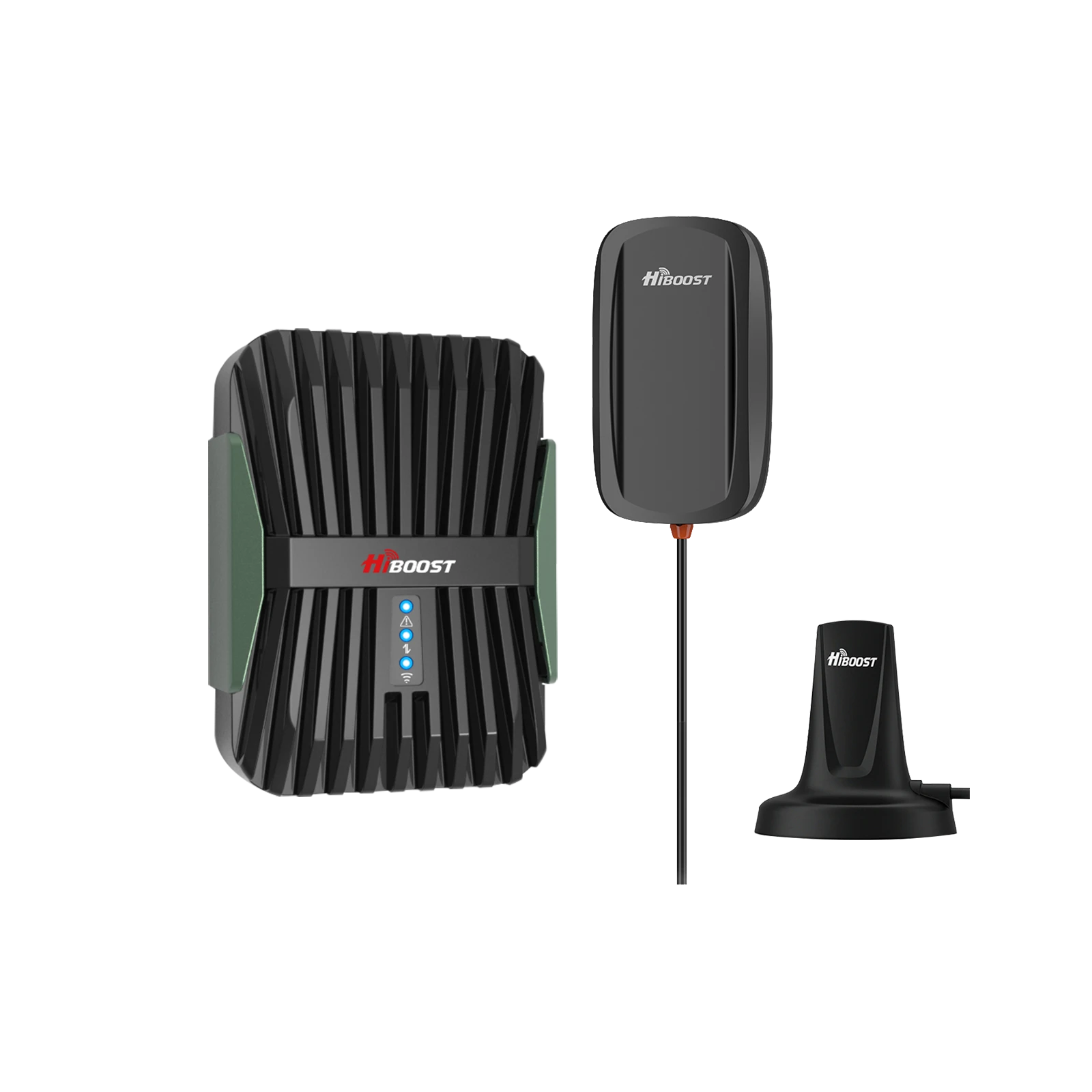
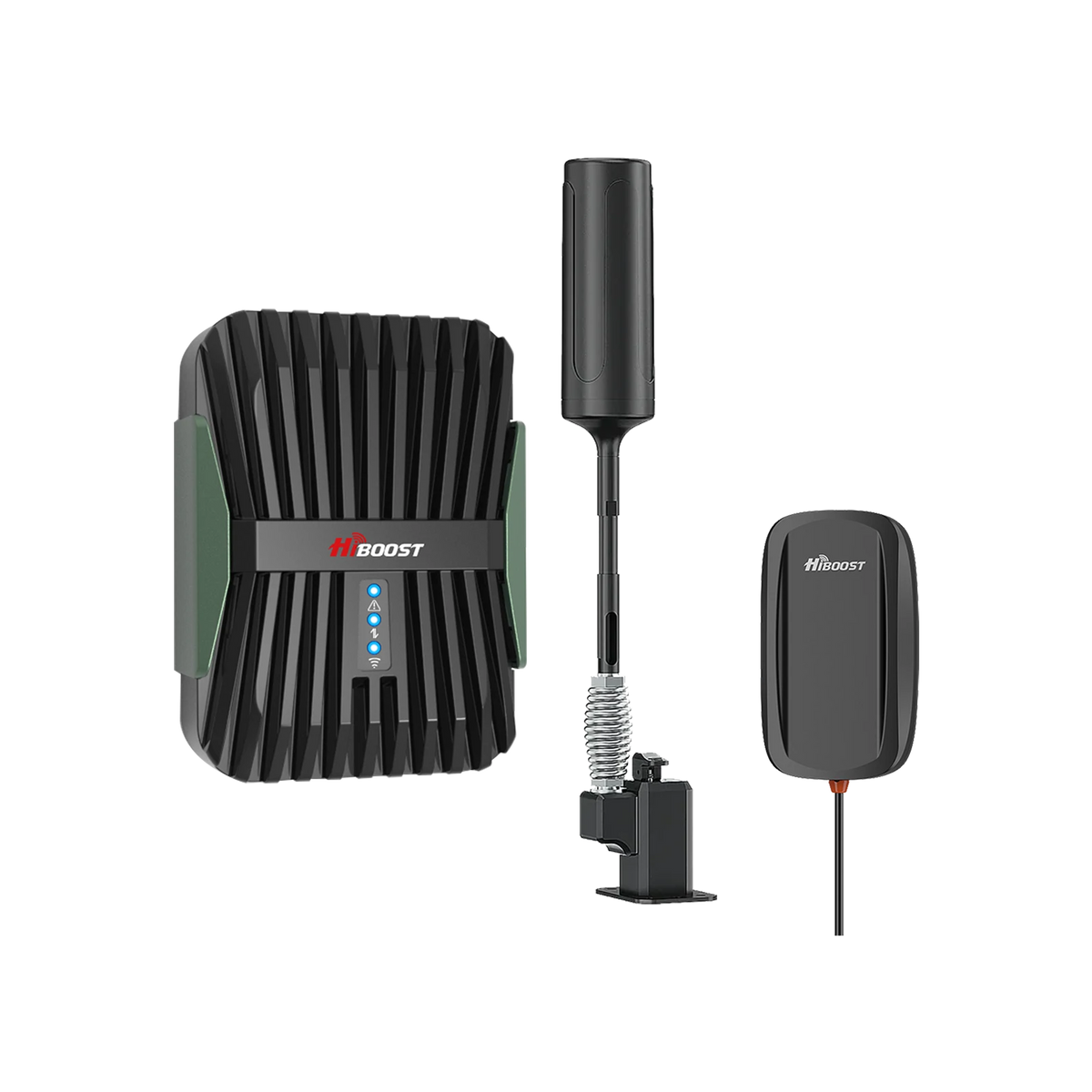
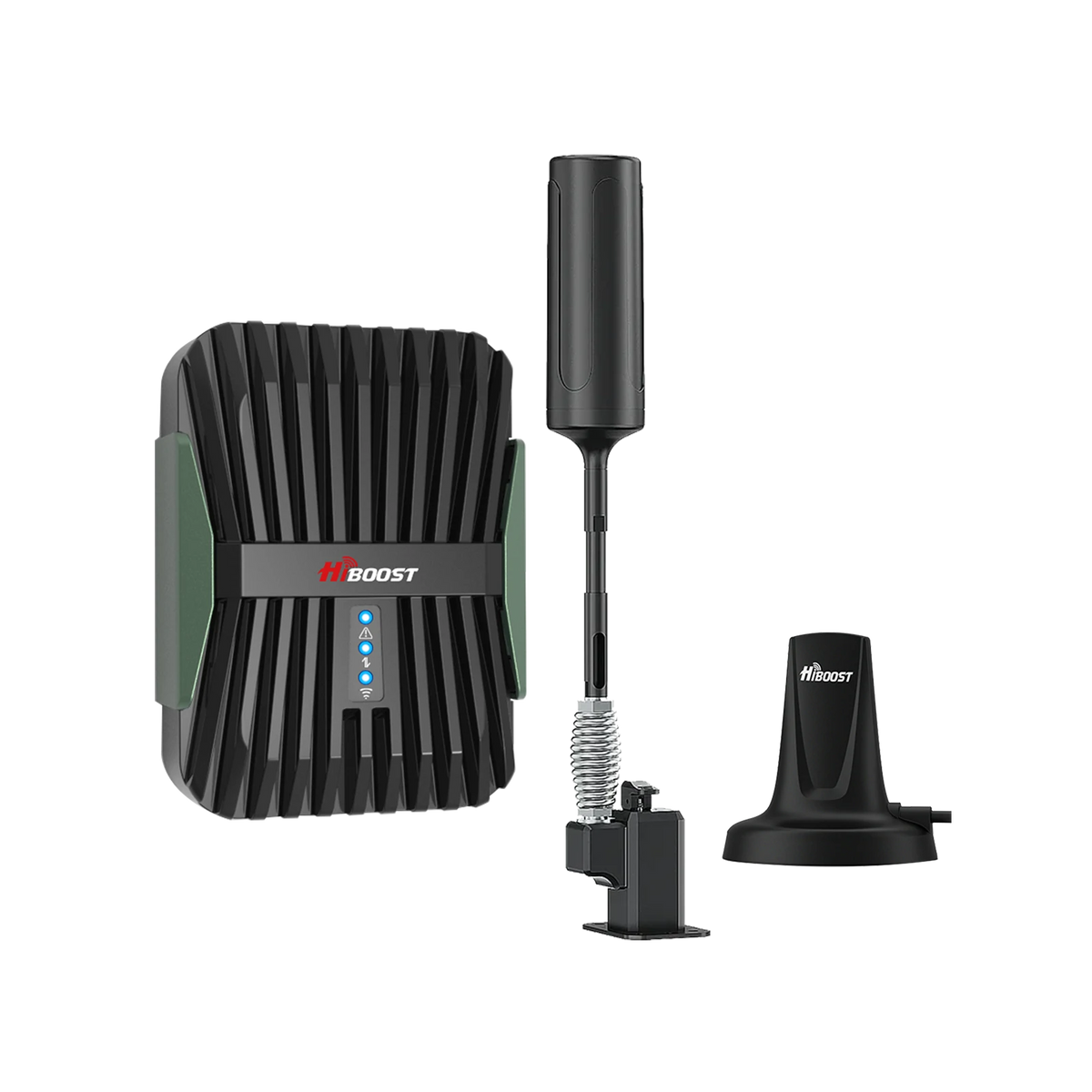
When it comes to strength and durability, metal buildings are solid and affordable, but they're typically a nightmare for cell phone reception.
Poor signal can cause calls to drop and mobile data to become sluggish, no matter whether your work environment is a metal warehouse, steel building, pole barn, workshop, garage, farm building, shipping container office, or prefab metal structure.
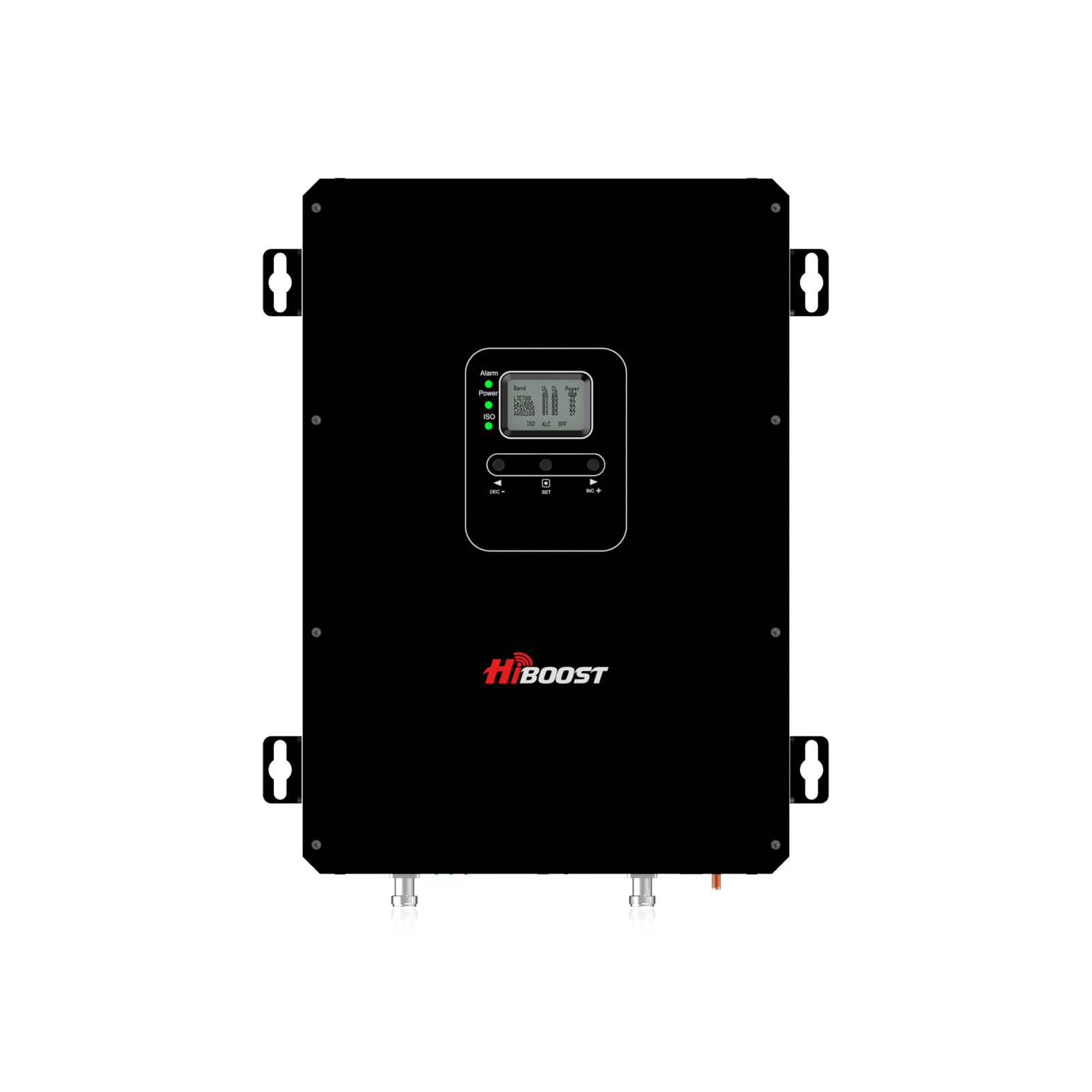
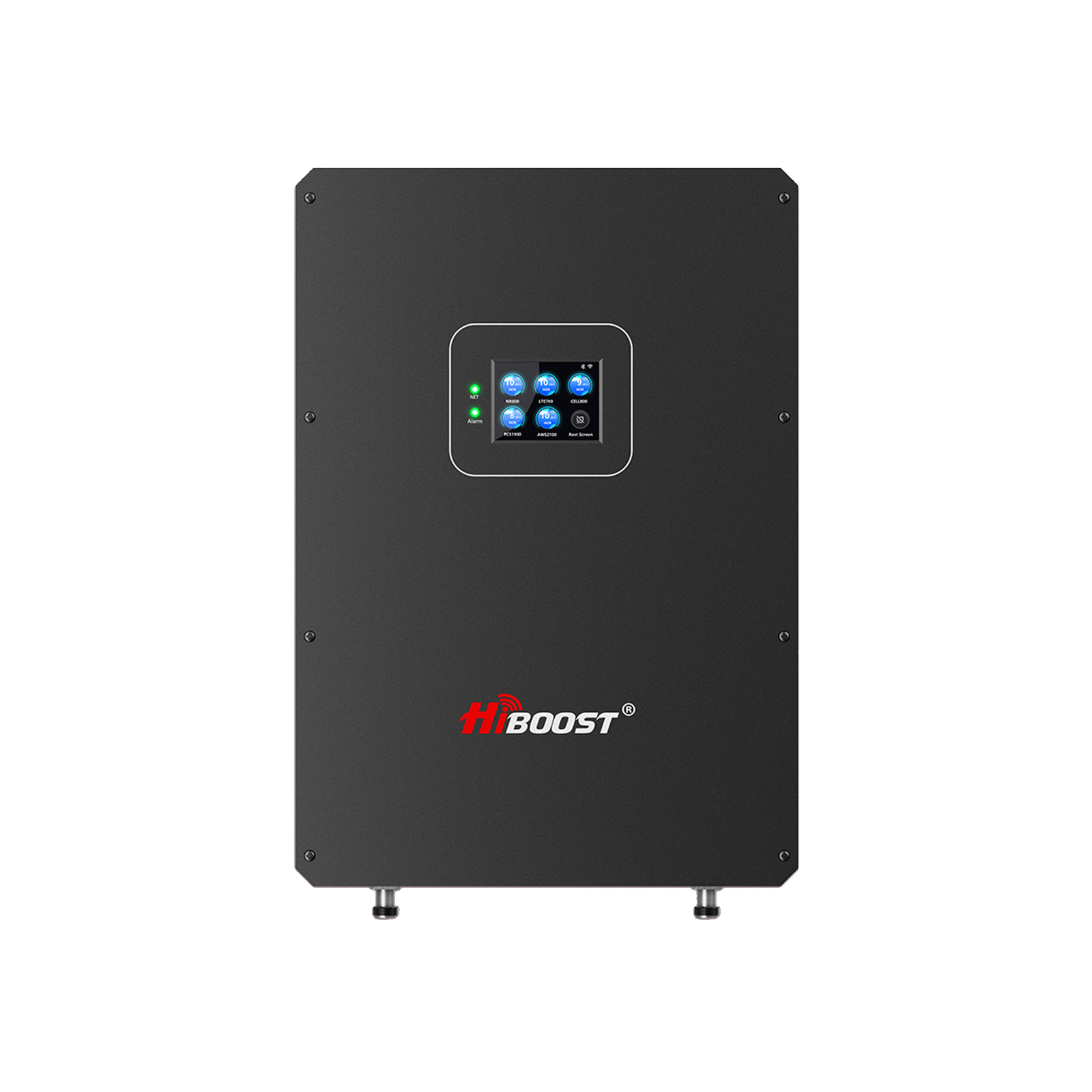
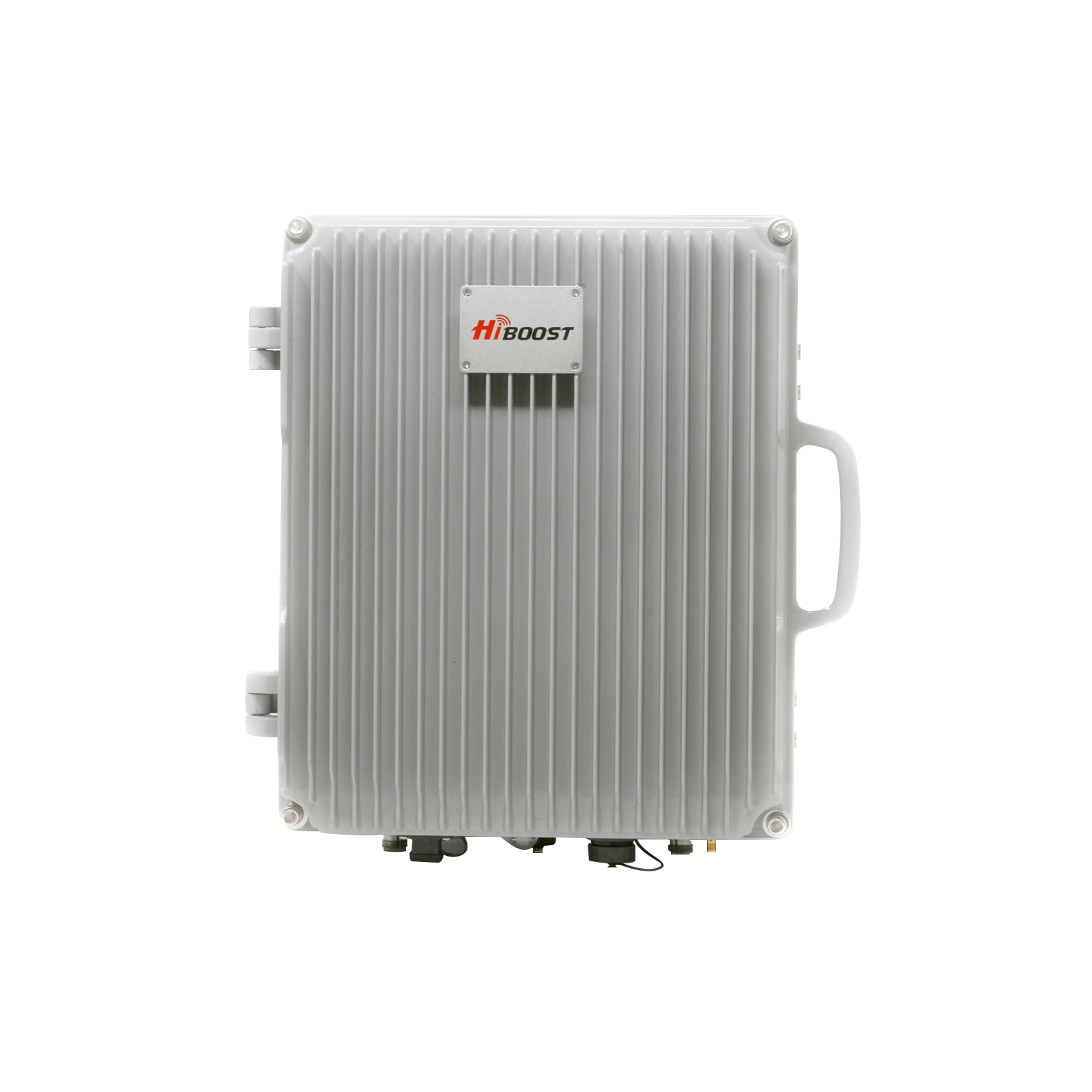
A cell phone booster can address this problem by receiving outside cell phone broadcasts, boosting the signal, and re-radiating it within the building where the signal is needed.

Why Metal Buildings Kill Cell Signals
Yes, a cell phone booster can be very effective in a metal building, provided there is a usable cell phone signal out. Inside, metal walls, roofs, and insulation reduce and interfere with cellular signals.
A signal booster receives a stronger outdoor signal, enhances it, and sends it around the building to improve calls, texts, LTE, and a number of 5G services.
These signal problems can occur in common areas such as:
- Warehouses
- Pole barns
- Workshops
- Garages
- Steel office buildings
- Agricultural buildings
- Farm structures
- Shipping container offices
- Prefab metal buildings
Why Metal Buildings Block Cell Phone Signals
Metal Buildings Create A Faraday Cage Effect
One of the primary reasons for poor cell service in metal buildings is akin to the Faraday cage effect.
Cellular signals are sent out into the air as radio frequency (RF) waves. The following occurs when these waves meet metal in significant quantities:
The steel walls don't let the cellular signals pass through them easily. More signal reflection occurs from aluminum siding. The metal roofing serves as a protective barrier on top of the roof. Some types of metallic-backed insulation can degrade incoming signals even more.
The result is a combination of:
- RF signal reflection
- Signal absorption
- Signal attenuation
These together have a significant effect on the strength of the cellular signal received within the building by the devices.
Common Signal Problems Inside Metal Buildings
Excessive exposure to metal dust, fumes, and vapors is a common symptom in workers in a metal warehouse or steel structure:
- Dropped calls
- Slow LTE speeds
- Weak 5G connections
- Dead zones
- Failed file uploads
- Poor hotspot performance
- Weak signal bars
- Delayed text messages
- Choppy voice quality
Often, these problems are exacerbated further beyond the walls where exterior signals can not reach them. These problems can be made worse further in than the walls, where signals from the exterior can not reach them.
Why Signal Gets Worse in Rural Areas
It's even harder to solve in rural areas. Suppose there was a farm building several miles from the nearest cell tower. The signal is already low because of the distance. Some trees, hills, and terrain features further degrade the signal before it reaches the property.
If this weak signal comes through the walls of a metal barn or workshop, little usable signal is left inside.
Rural issues that are common are:
Long distance from towers
Tree coverage
Hills and valleys
Limited tower density
Low-band spectrum limitations
That's why many rural folks are using cell signal boosters as their main mode of communication.
How a Cell Phone Booster Works in a Metal Building

If you're unfamiliar with how cellular boosters capture and amplify existing signals, start with our complete cell phone signal booster guide before choosing a system for a metal building.
There are two ways to understand how a cell phone booster works in a metal building. The cell phone booster operates according to a very simple 4-step procedure.
Step 1 - Outdoor Antenna Captures Existing Signal
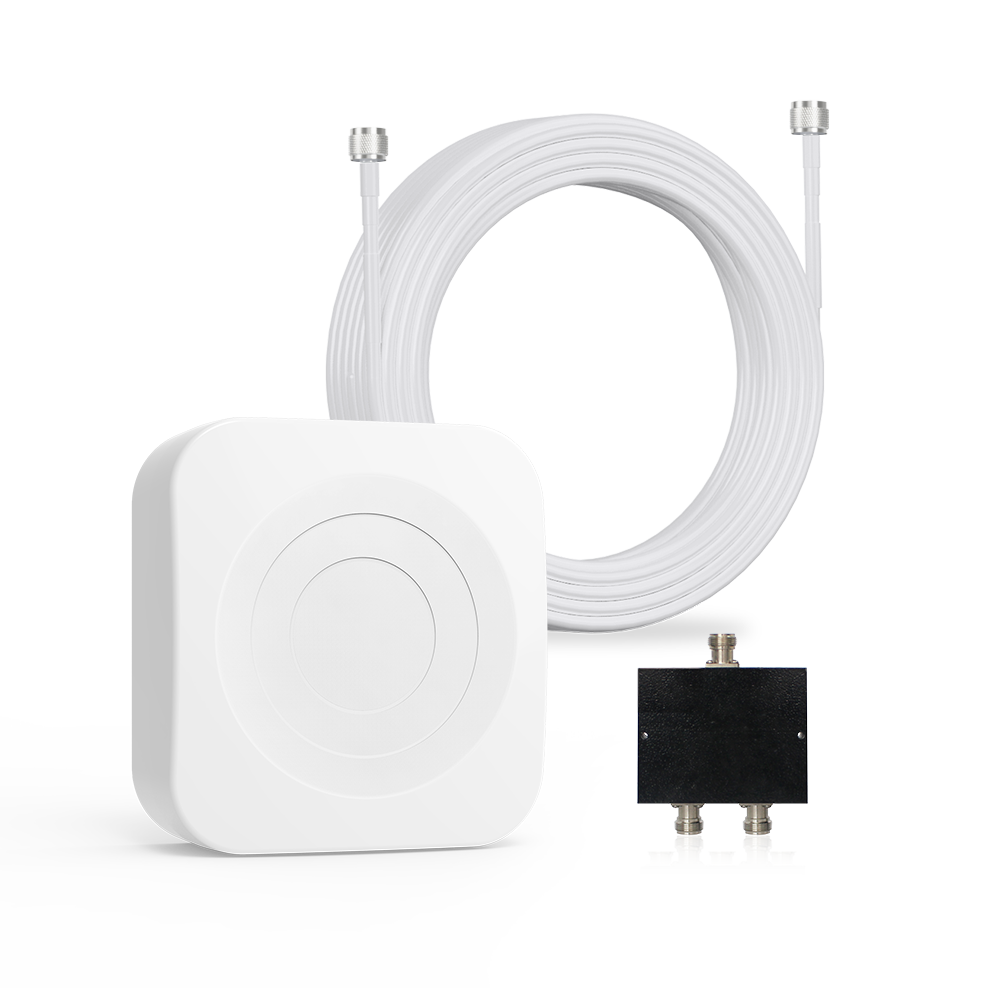
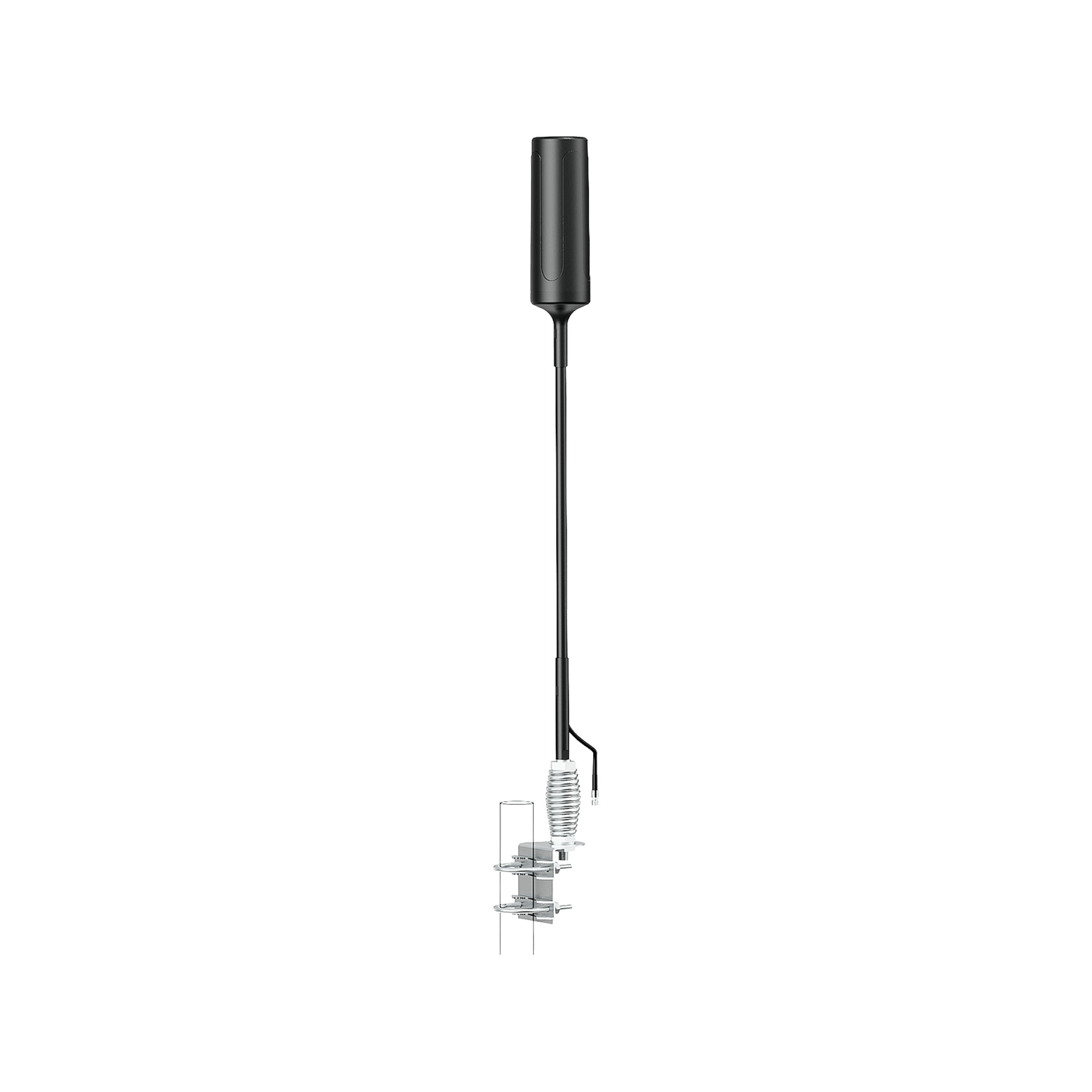
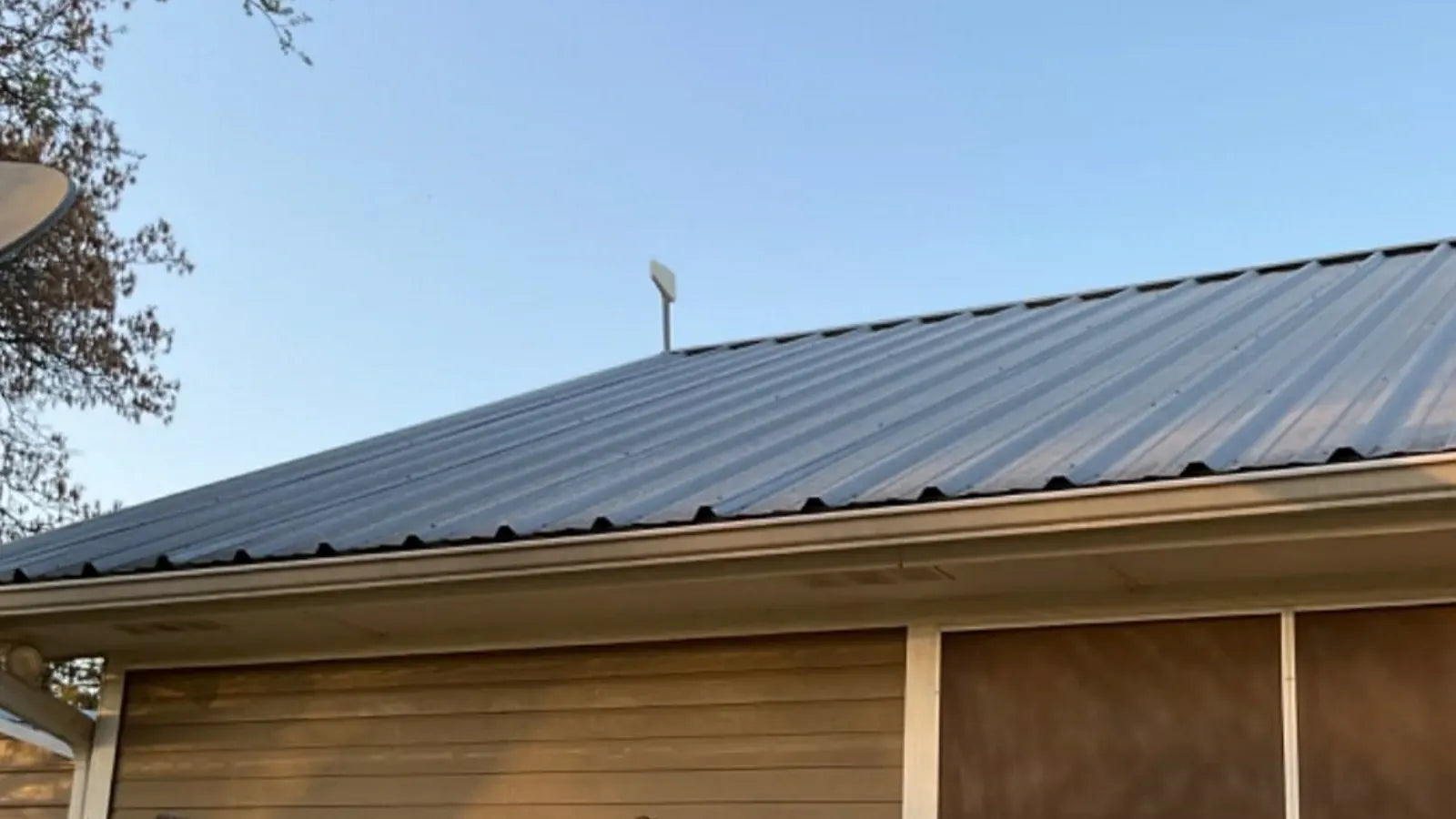
This antenna is usually placed on a roof, mast, or pole on top of the building in an area where reception is best.
There are two types of antennae that are common:
Unidirectional: A directional antenna is able to focus on a particular tower and works best in rural settings where towers are further away.
Omni-directional: In urban and suburban areas, this omnidirectional antenna will receive signals transmitted from many directions, and it will be effective if there are several towers in close proximity. To pick up the best possible signal as possible prior to the metal structure.
Step 2 - Booster amplifies the signal.
The outdoor antenna receives the signal and passes it to the booster unit. The booster boosts the weak signal from the nearby tower.
This amplification helps:
- Enhance LTE/5G performance
- Increase upload stability
- Improve download consistency
- Reduce dropped calls
- Enhance voice quality
- Provide more secure texting
The booster does not absorb and transform energy into signal without any input. It makes a given signal louder.
Step 3 — Indoors, Receive The Signal Using The Antenna
The amplified signal goes to an indoor antenna. The indoor antenna provides an area indoors where phones and other cellular devices can receive stronger signals.
The area to be covered can vary from a small garage to a large warehouse of over 20,000 square feet.
Most commercial systems include the ability to support:
- Multiple employees
- Multiple smartphones
- Tablets
- Cellular routers
- Mobile hotspots
Step 4 – Phones Auto Connect
The signal is boosted then phones automatically connect. No special app is needed. The manual settings are not required.
The system is compatible with larger carriers and doesn't need an internet connection to operate. So long as the booster is compatible with your carrier frequencies, devices just use the more powerful signal.
Does A Cell Phone Booster Work In Steel Buildings?

Yes — If There is Some Outside Signal Available. One of the popular questions is, Why do cell phone boosters work? Yes, as long as there's an outdoor signal there. Where there is no signal, boosters can make no signal.
Once there is a weak signal outside the building, a well-designed booster typically can boost a building's performance considerably.
Best Results Come From Proper Antenna Placement
Installation quality matters. If you are installing an antenna, keep in mind that you will need to place it at the best possible place to get the best response. Generally, the best responses are from:
- Roof-mounted antennas
- Higher mounting locations
- The towers are located in a clear line of sight. Clear tower sightlines.
- Minimized tree and/or building interference
The results will be better if the antenna is moved a few feet up.
Real-World Performance Expectations
With actual installations, users face the following issues:
A low-level one or two-bar signal that is made usable in the building. Voice calls are clearer and more stable. Mobile internet speeds improve and are consistent. Enhance remote work and business performance in Hotspot.
Many users have seen significant improvements in results after proper installation; results depend on location.
Best Types of Boosters for Metal Buildings
1. Small Metal Workshops, Garages & Compact Buildings
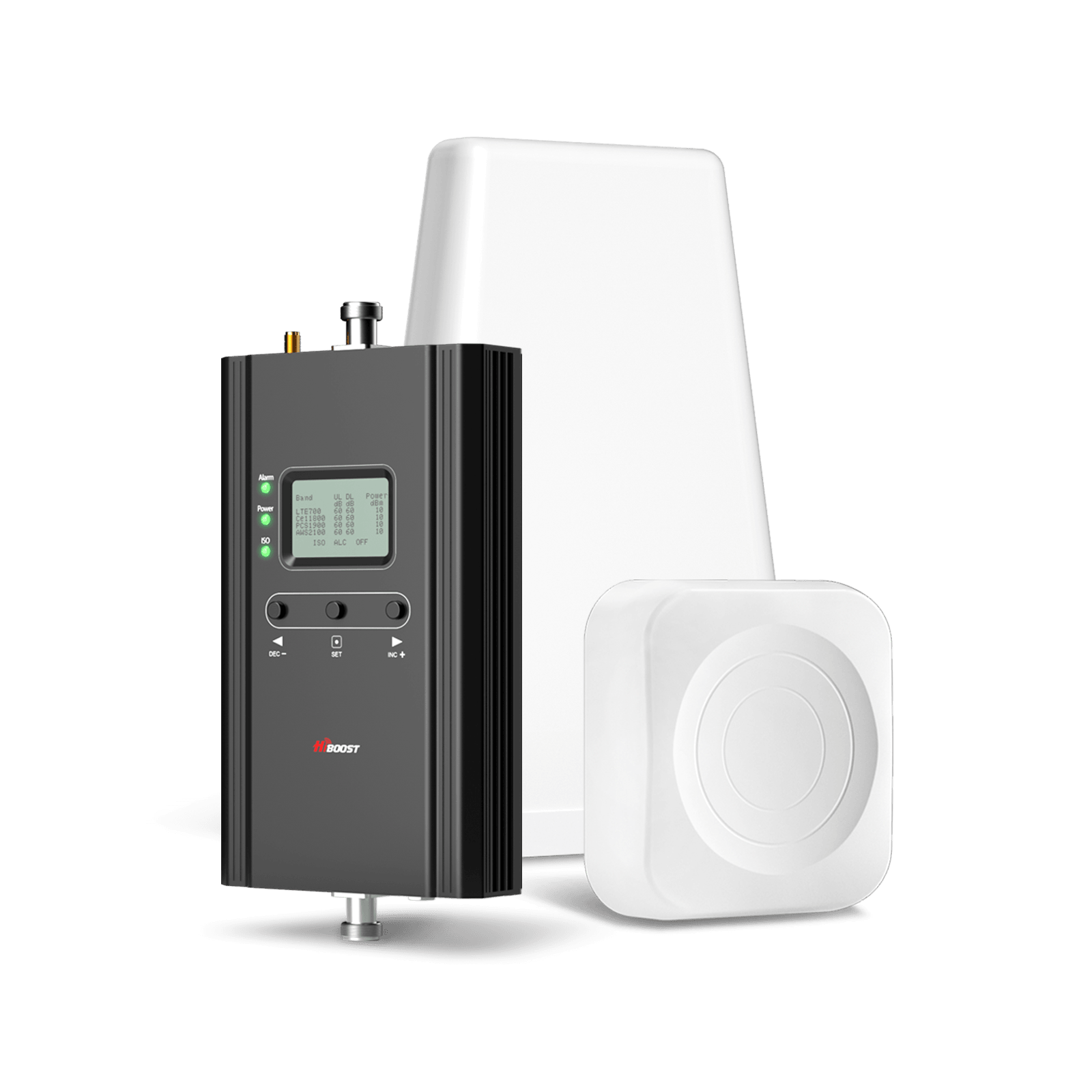
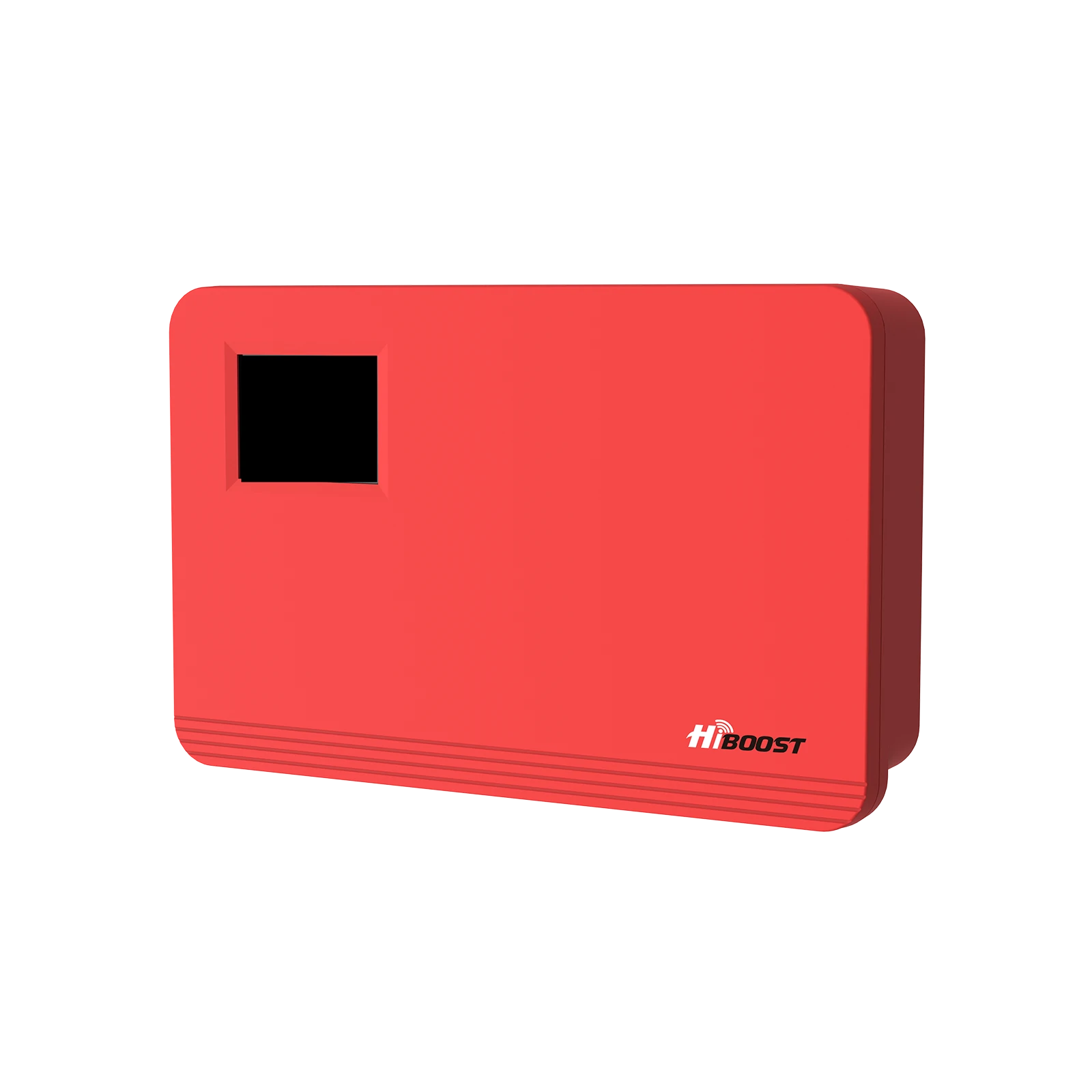
Small metal buildings often suffer from weak indoor signals due to metal walls, roofs, and enclosed structures that block cellular signals. For smaller spaces with limited coverage needs, a compact and easy-to-install booster system is usually the best solution.
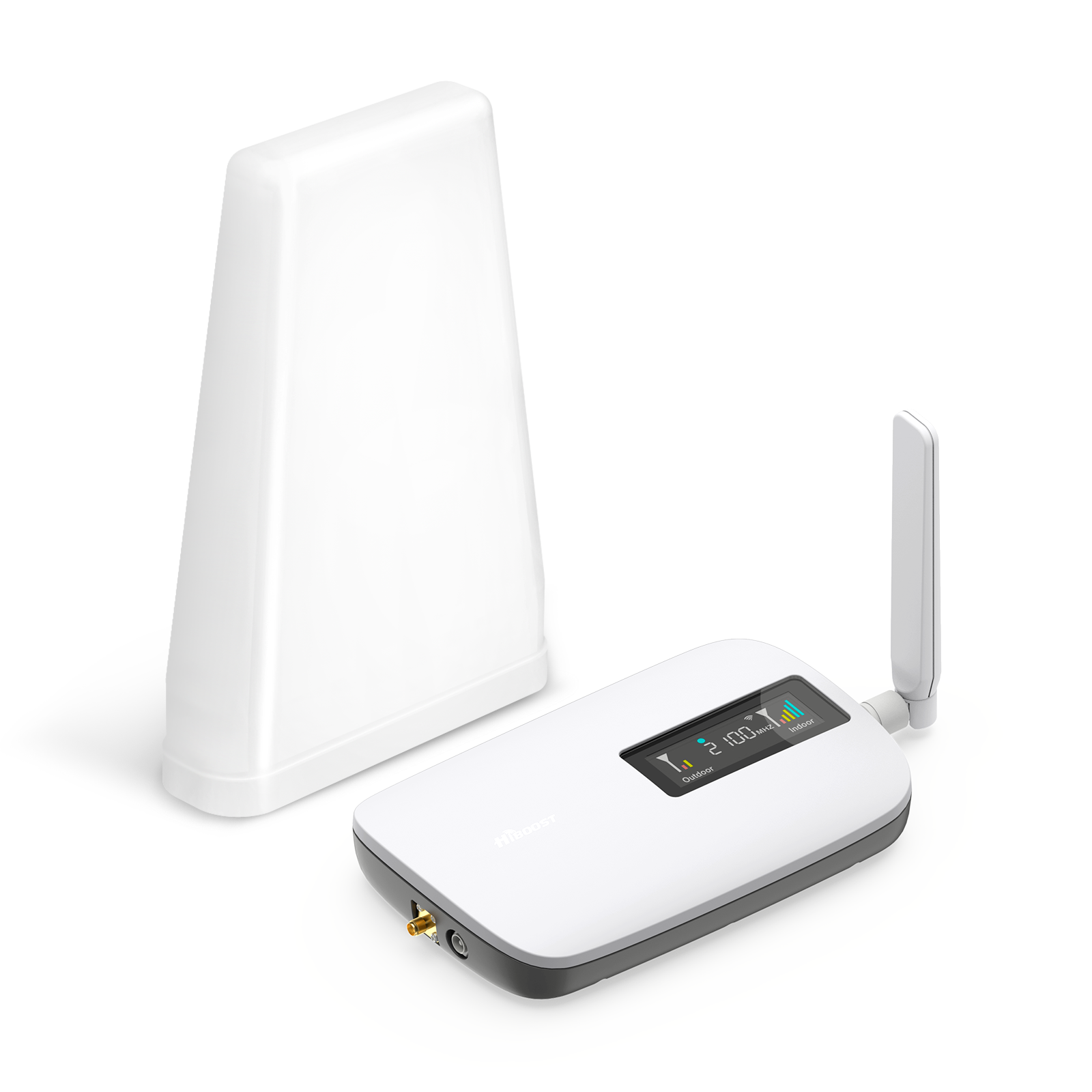
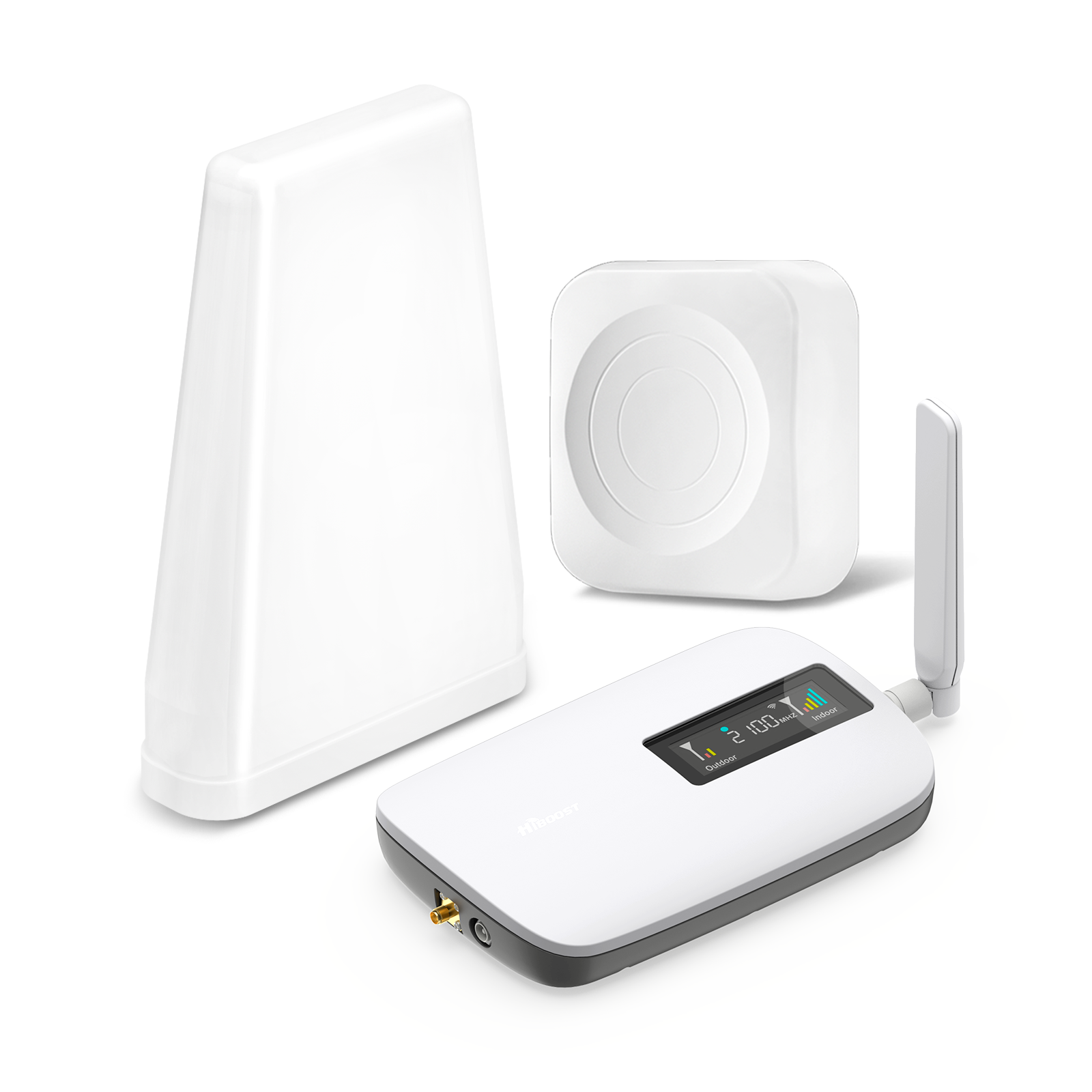
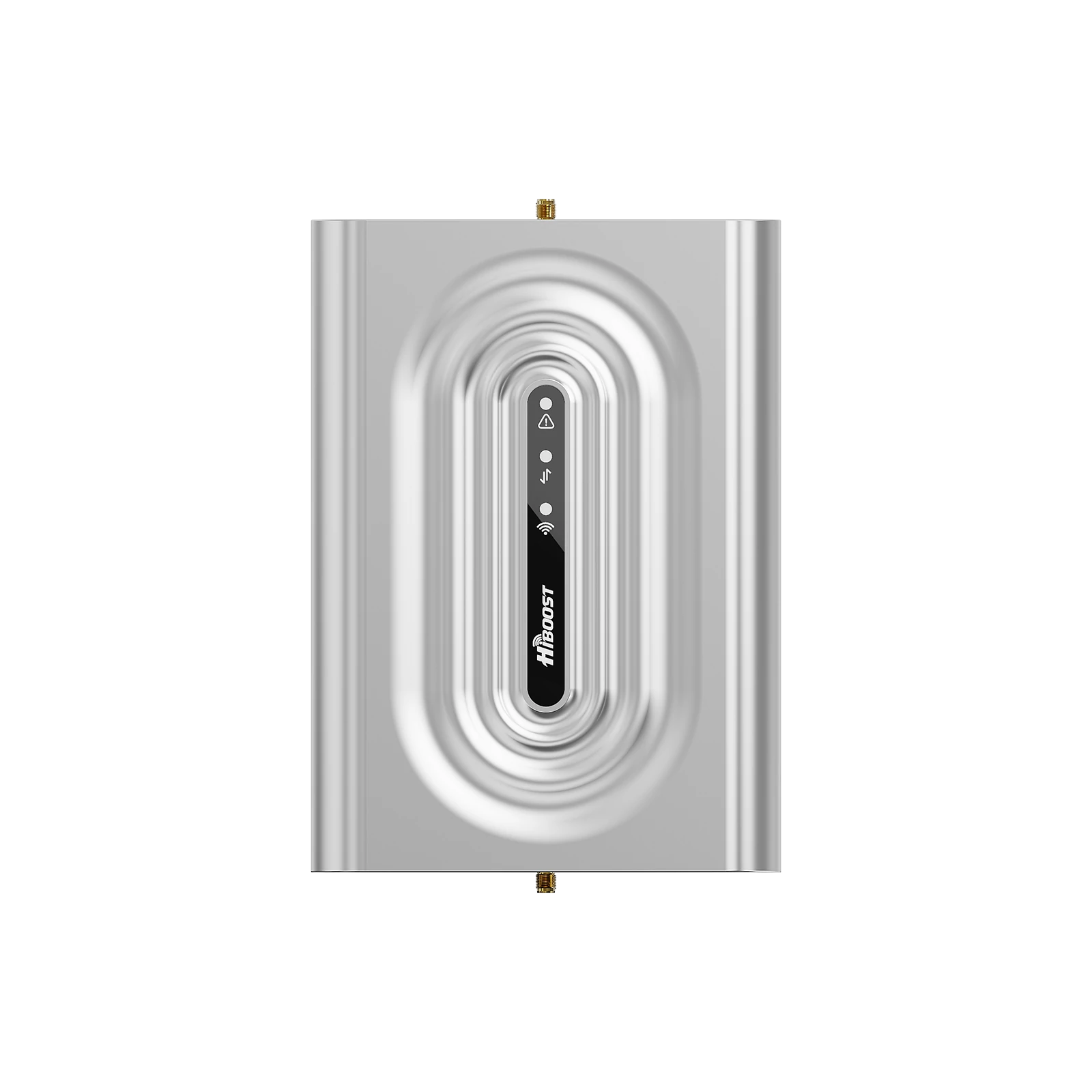
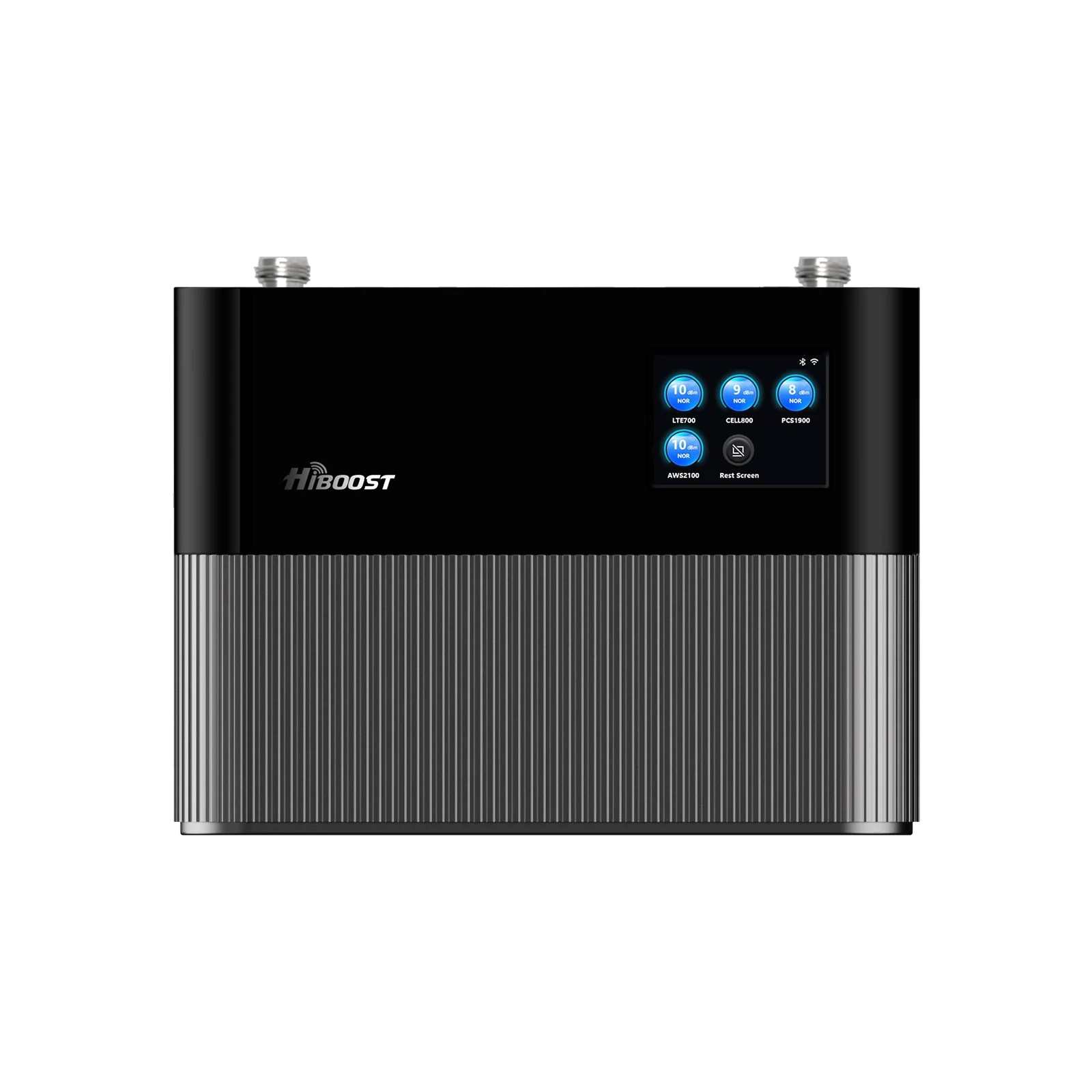
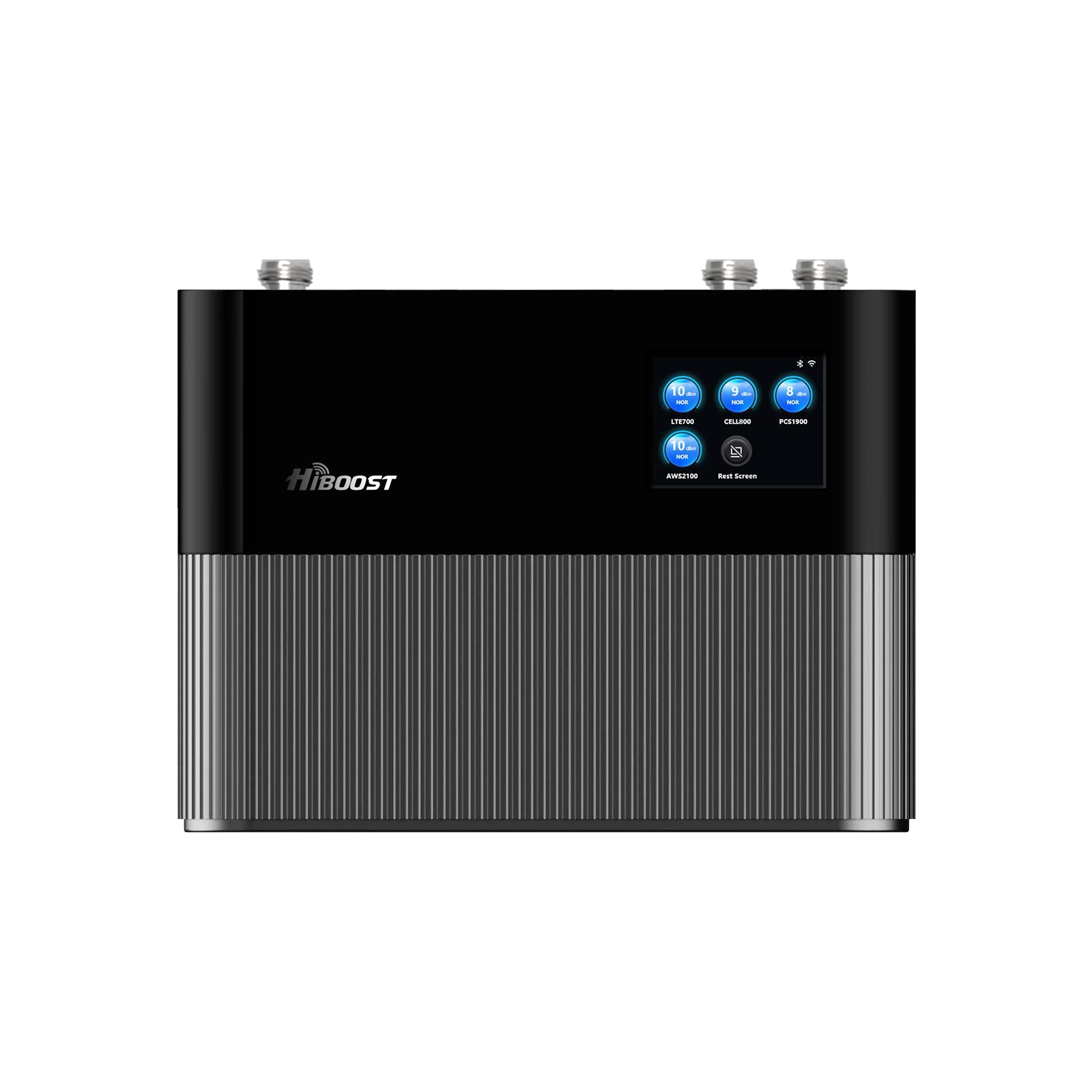
HiBoost Sidekick Cell Signal Booster is an ideal choice for:
- Small metal workshops
- Detached garages
- Backyard sheds
- Small home offices
- Shipping container offices
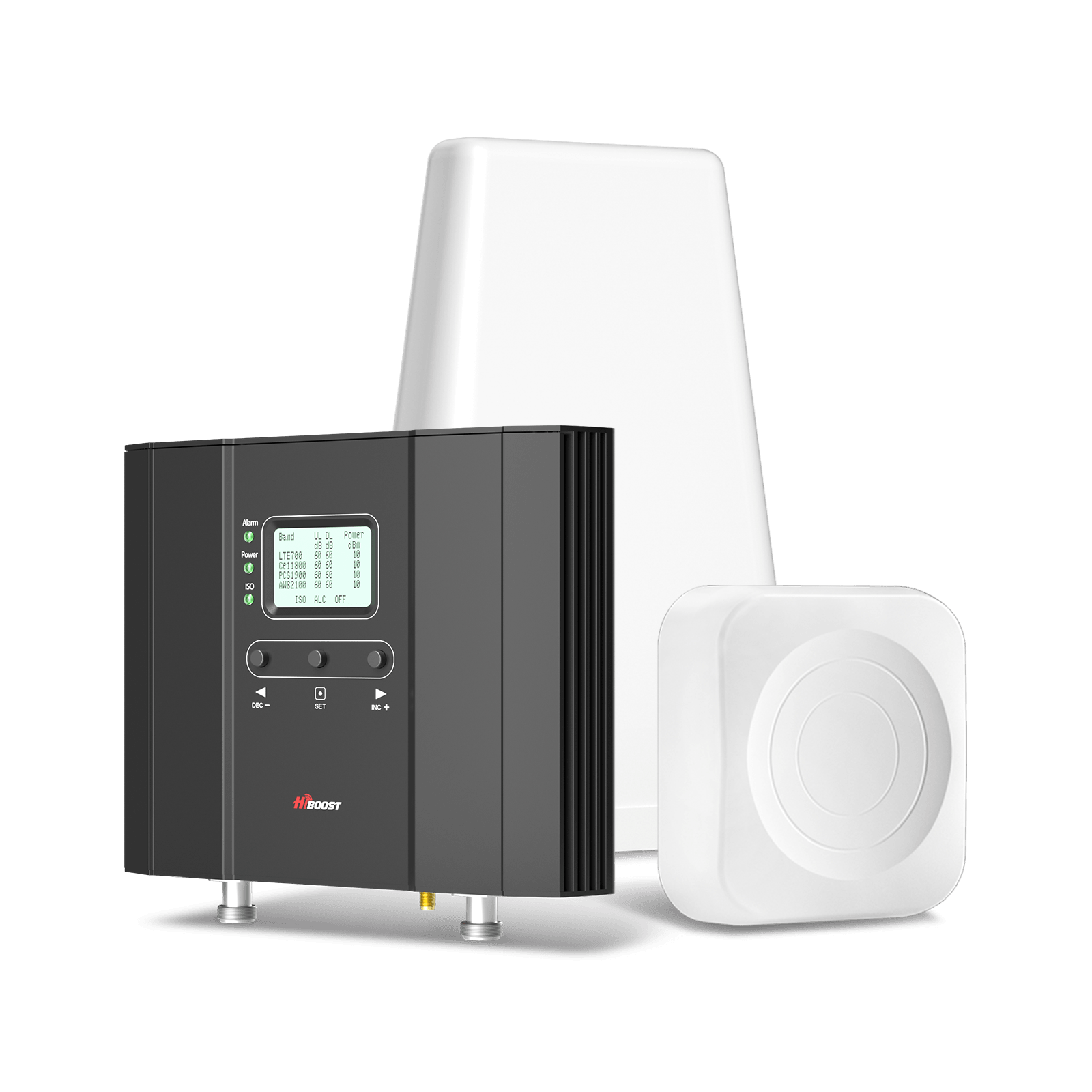
Designed for smaller spaces, HiBoost Sidekick provides reliable signal improvement without complex installation. Its compact design makes it suitable for users who need stronger calls, faster data speeds, and better connectivity in a single room or small building area.
Key benefits:
- Covers smaller indoor spaces efficiently
- Simple DIY installation
- Improves voice calls, texts, and mobile data performance
- Ideal for homes, garages, and small metal structures
2. Large Metal Warehouses, Farms & Commercial Buildings
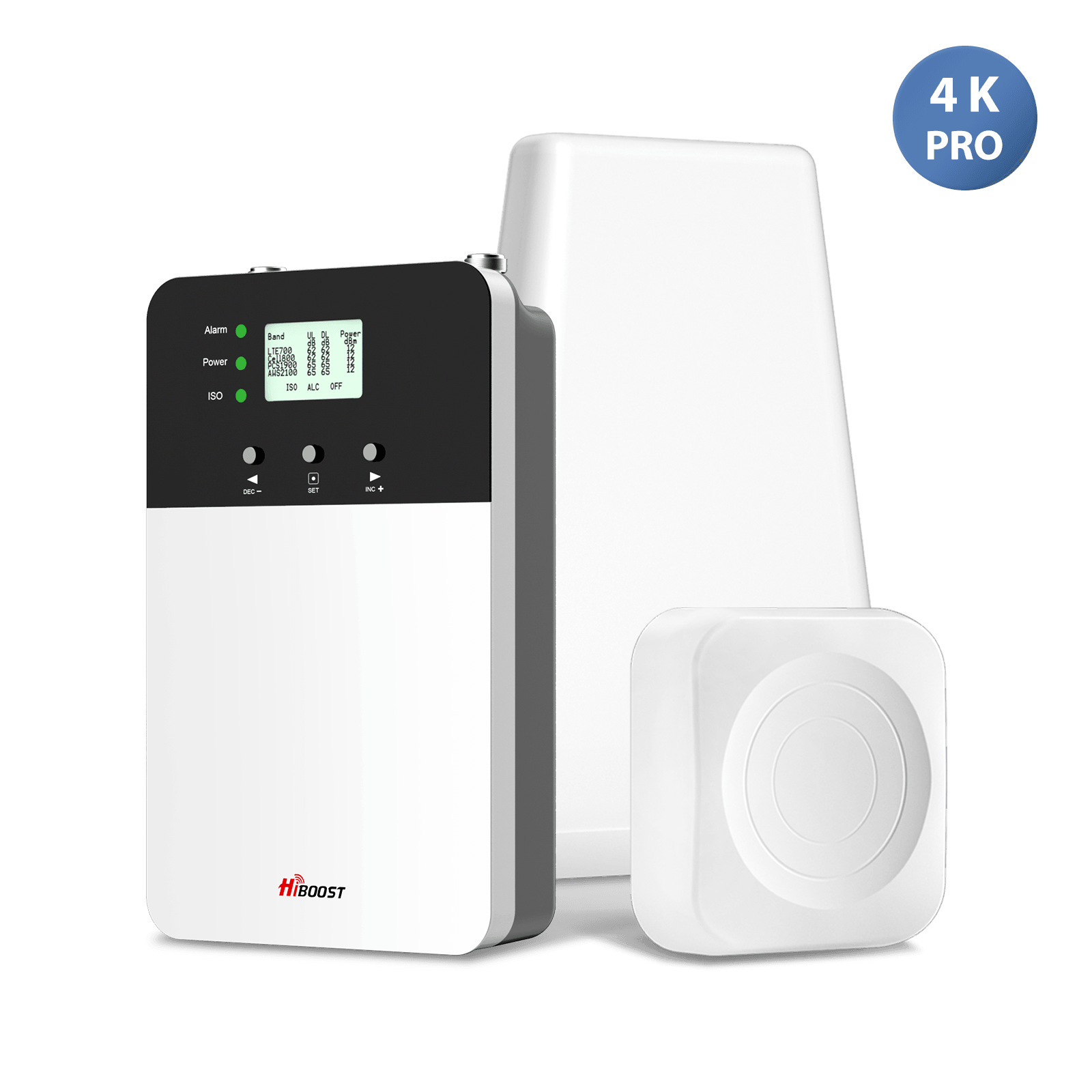
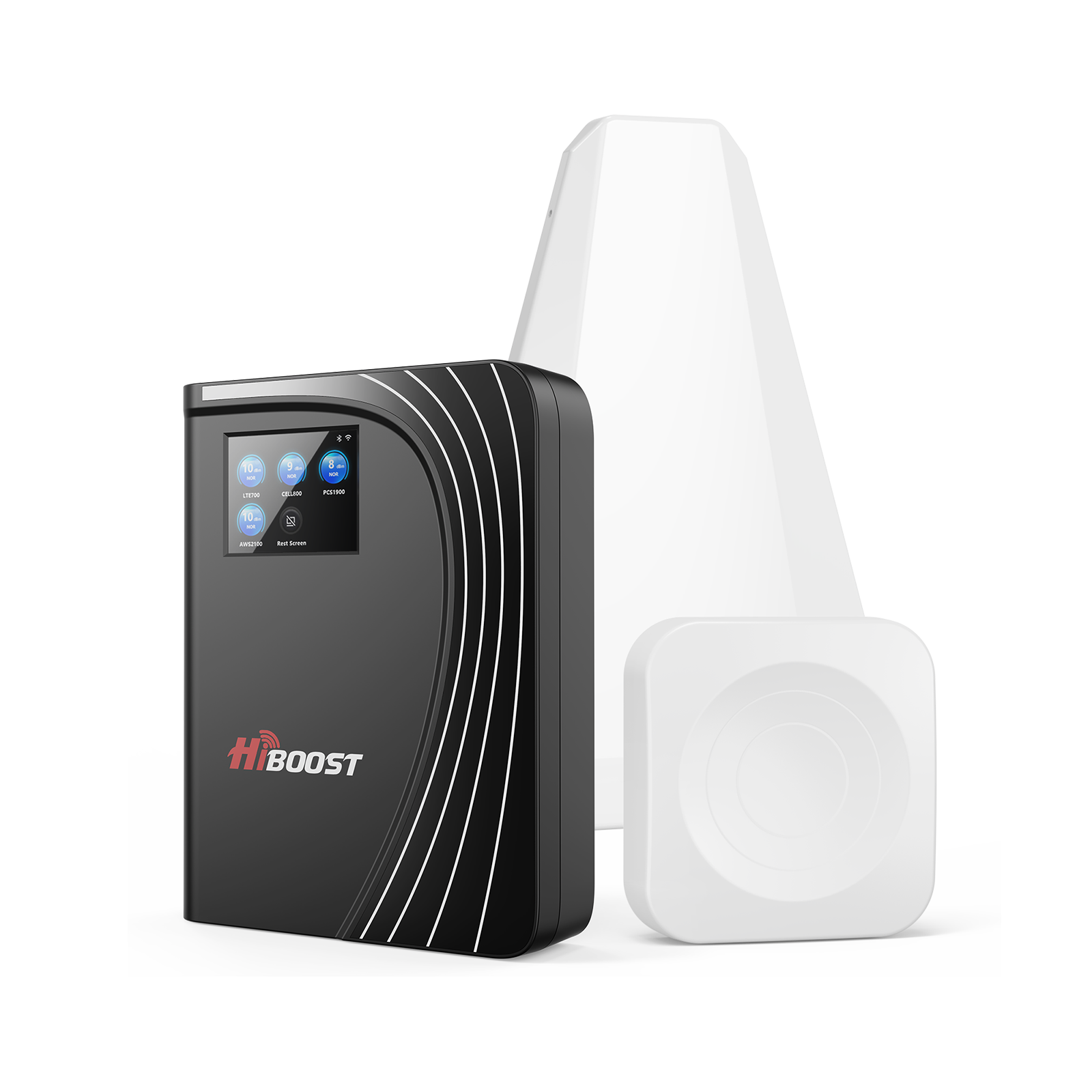
Large metal buildings create greater signal challenges because their size, metal construction, and internal layouts can significantly reduce cellular coverage. These environments typically require a more powerful booster with stronger amplification capabilities and a wider antenna system.
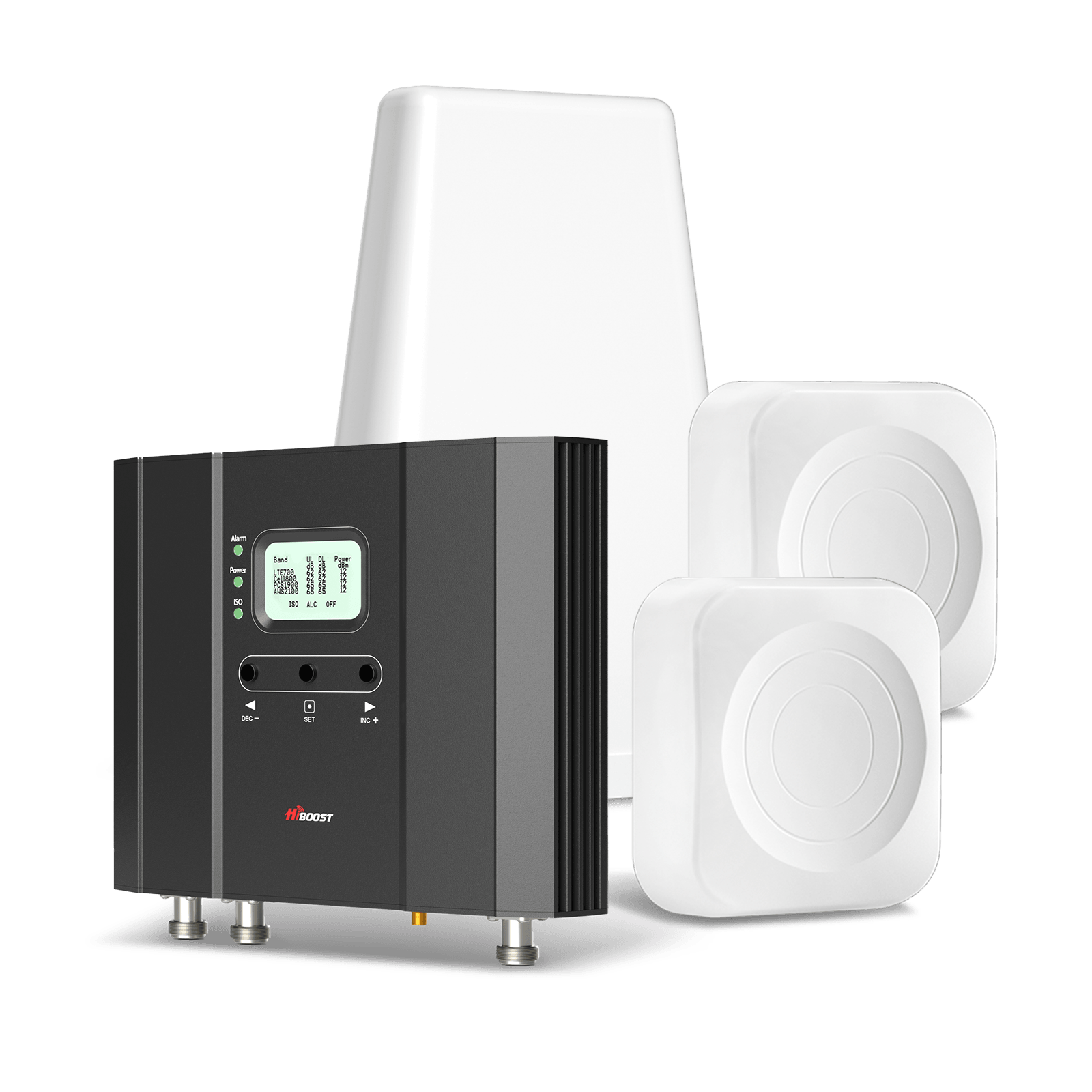
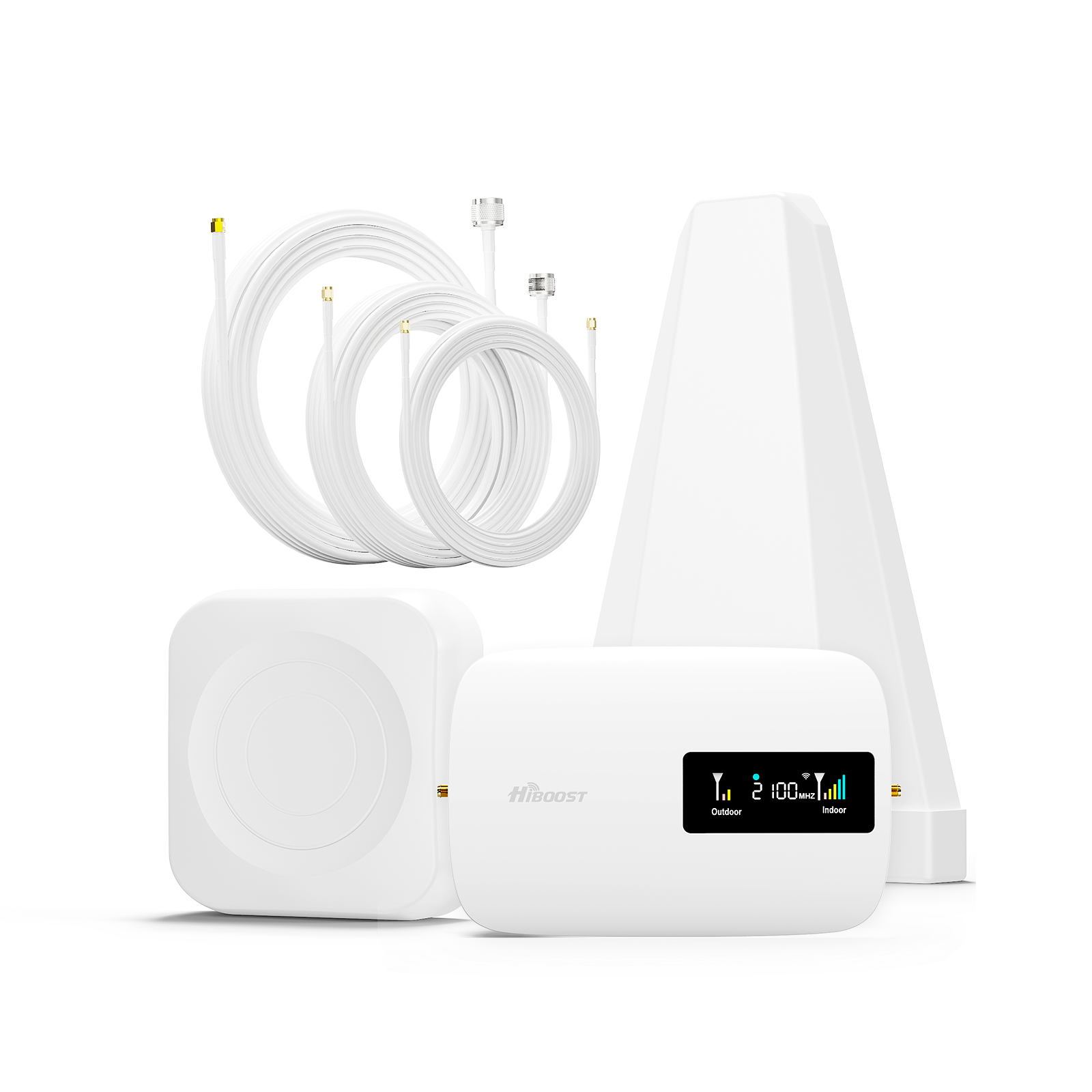
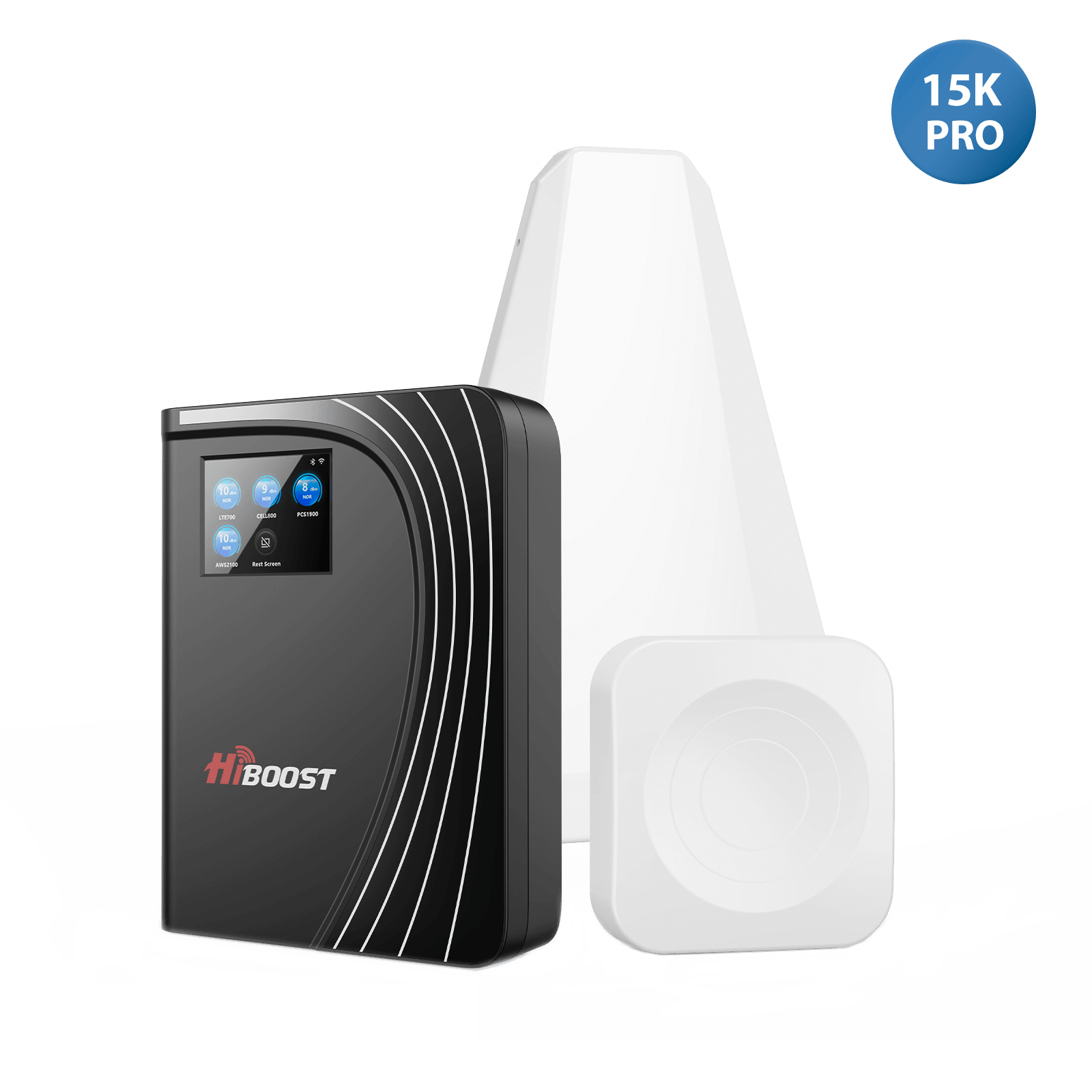
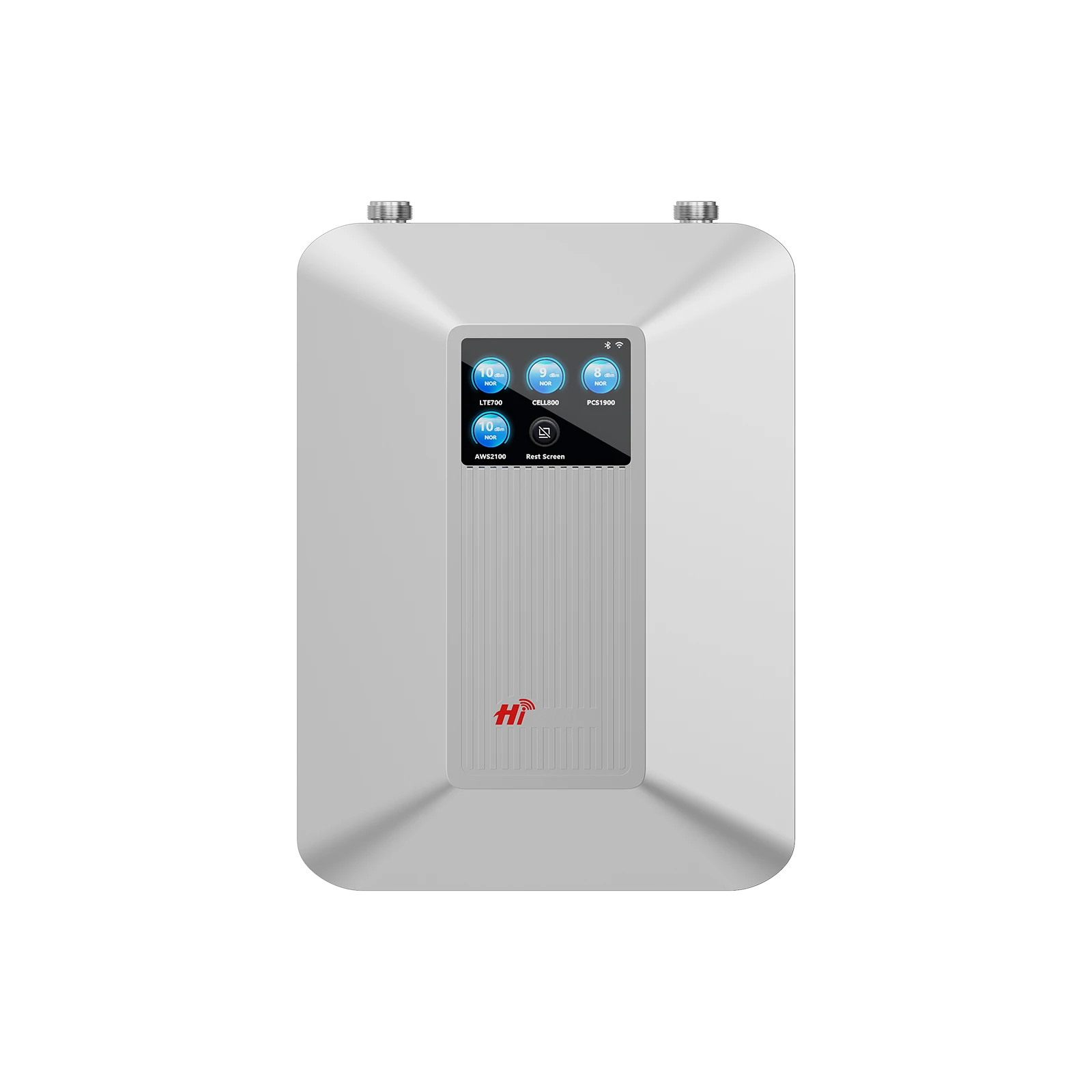
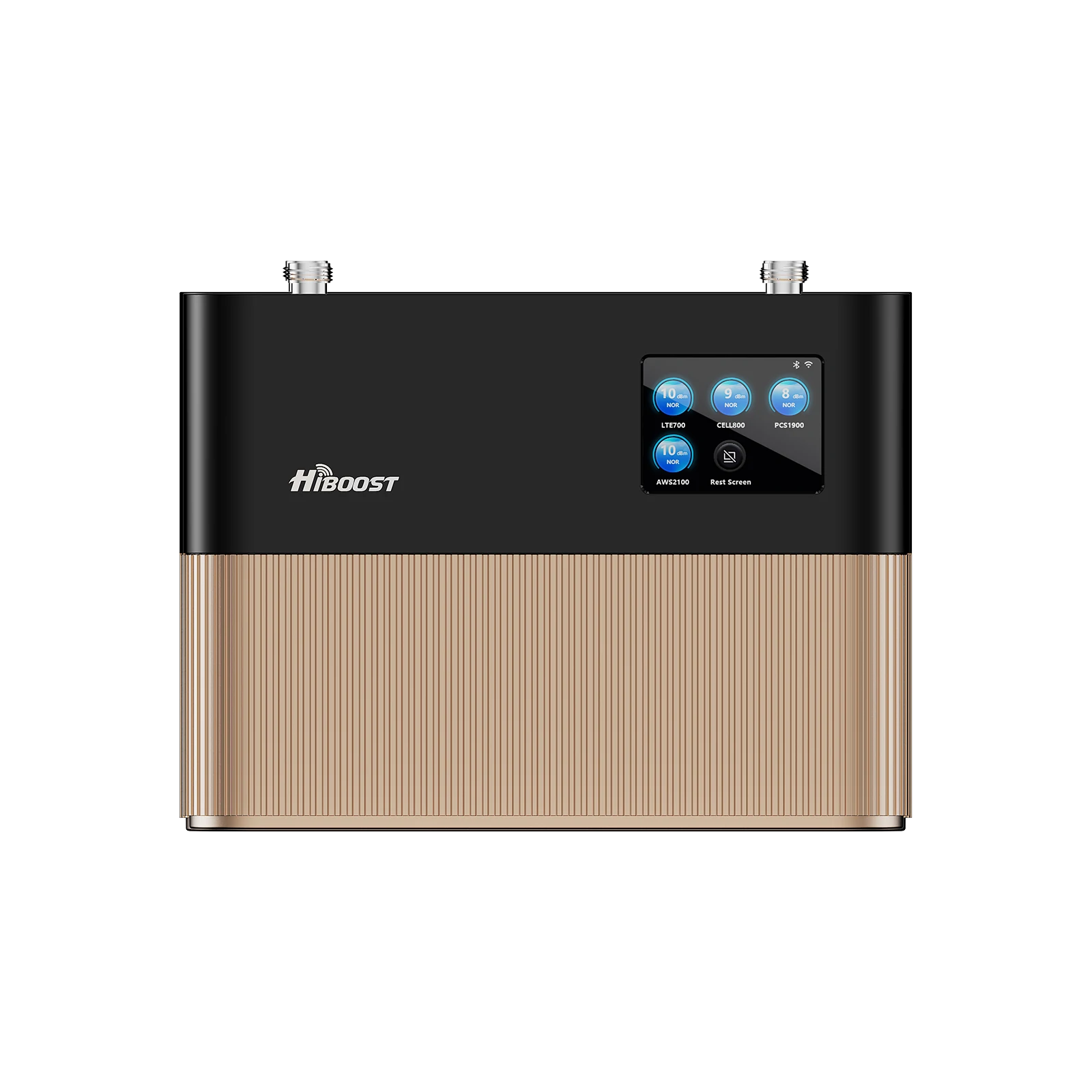
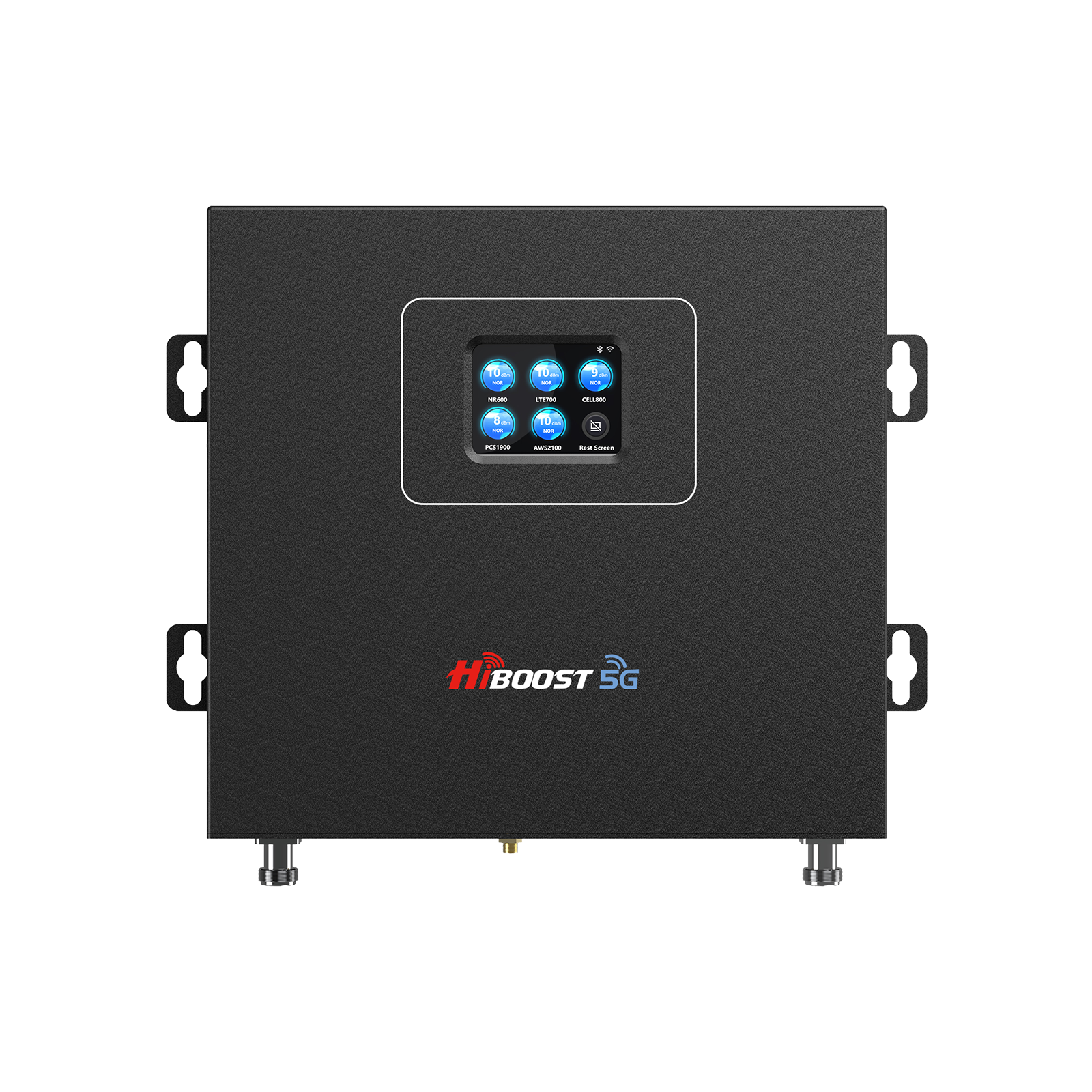
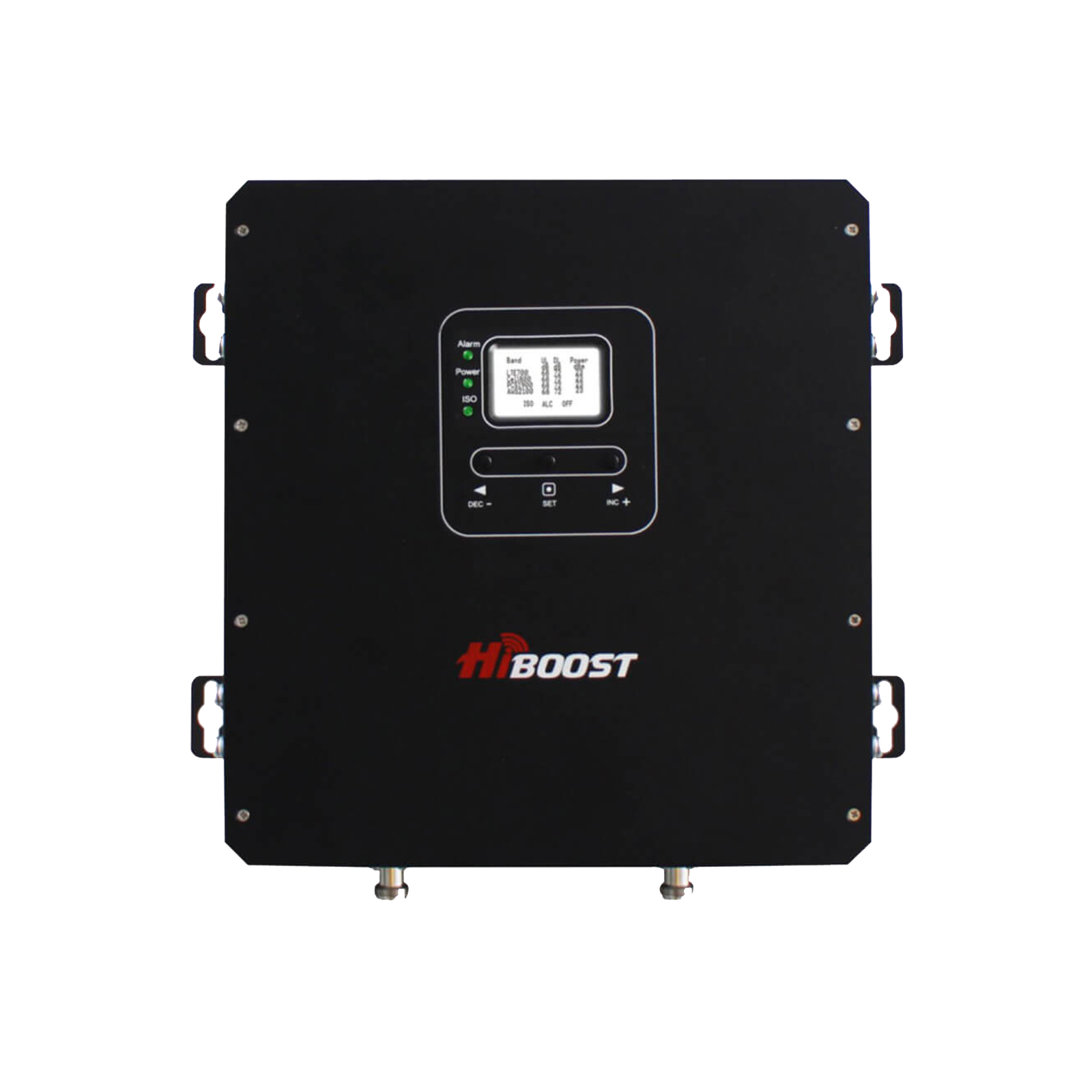
HiBoost 15K Smart Link Deluxe is designed for larger spaces such as:
- Large workshops
- Agricultural buildings
- Pole barns
- Commercial warehouses
- Equipment storage facilities
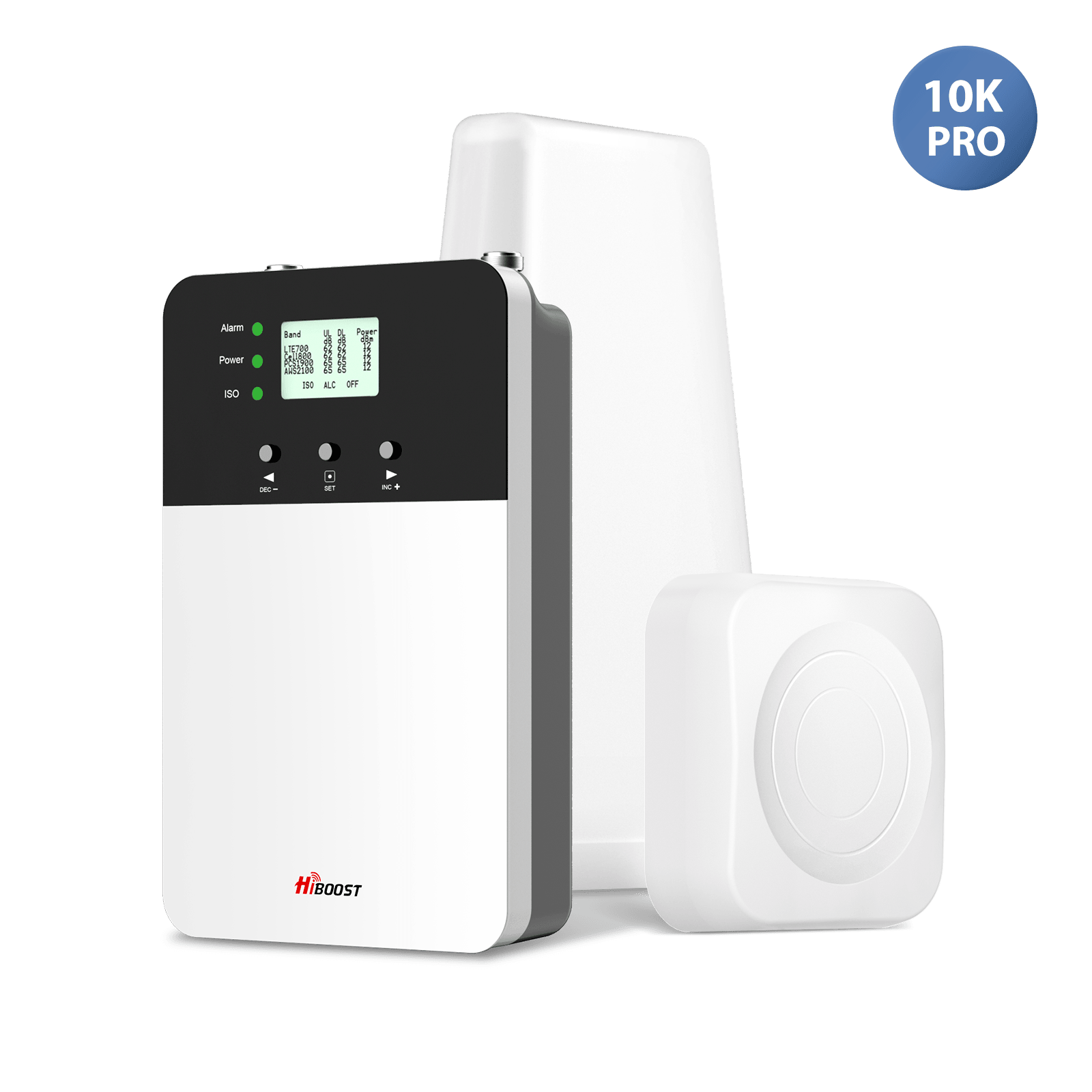
With coverage up to 15,000 sq. ft., HiBoost 15K Smart Link Deluxe delivers stronger indoor signal performance for large metal structures where multiple rooms or work areas need reliable connectivity.
Key benefits:
- Designed for large indoor coverage areas
- Supports multiple users and devices simultaneously
- Smart Link technology for easier monitoring and management
- Improves 4G LTE and 5G signal performance in challenging environments
- Ideal for farms, warehouses, and large metal buildings
3. Metal RVs, Campers & Mobile Metal Structures
Metal construction is also common in RVs, campers, and mobile structures, where walls and insulation materials can weaken cellular signals. Unlike stationary buildings, these environments require a booster designed for mobility and outdoor adventures.
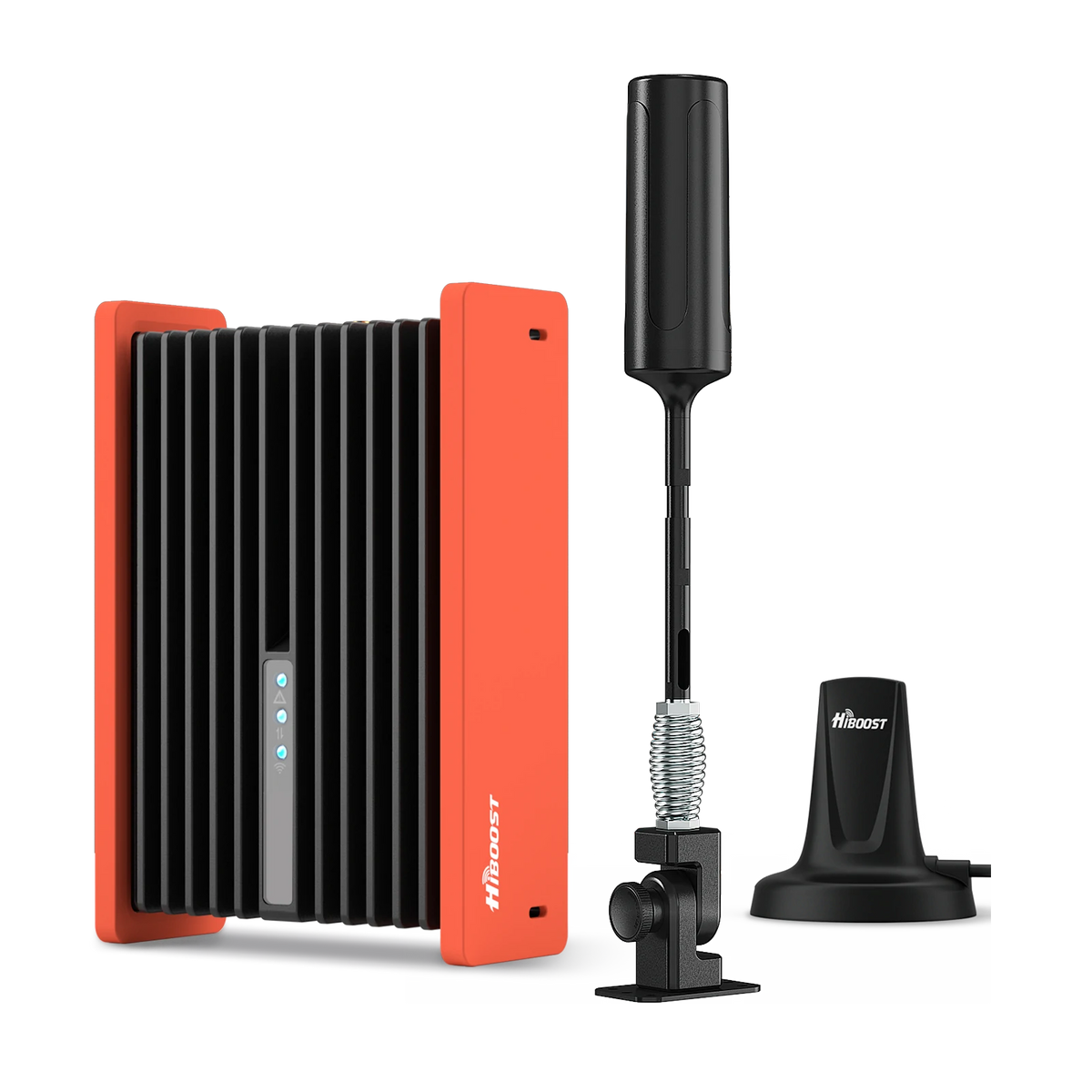
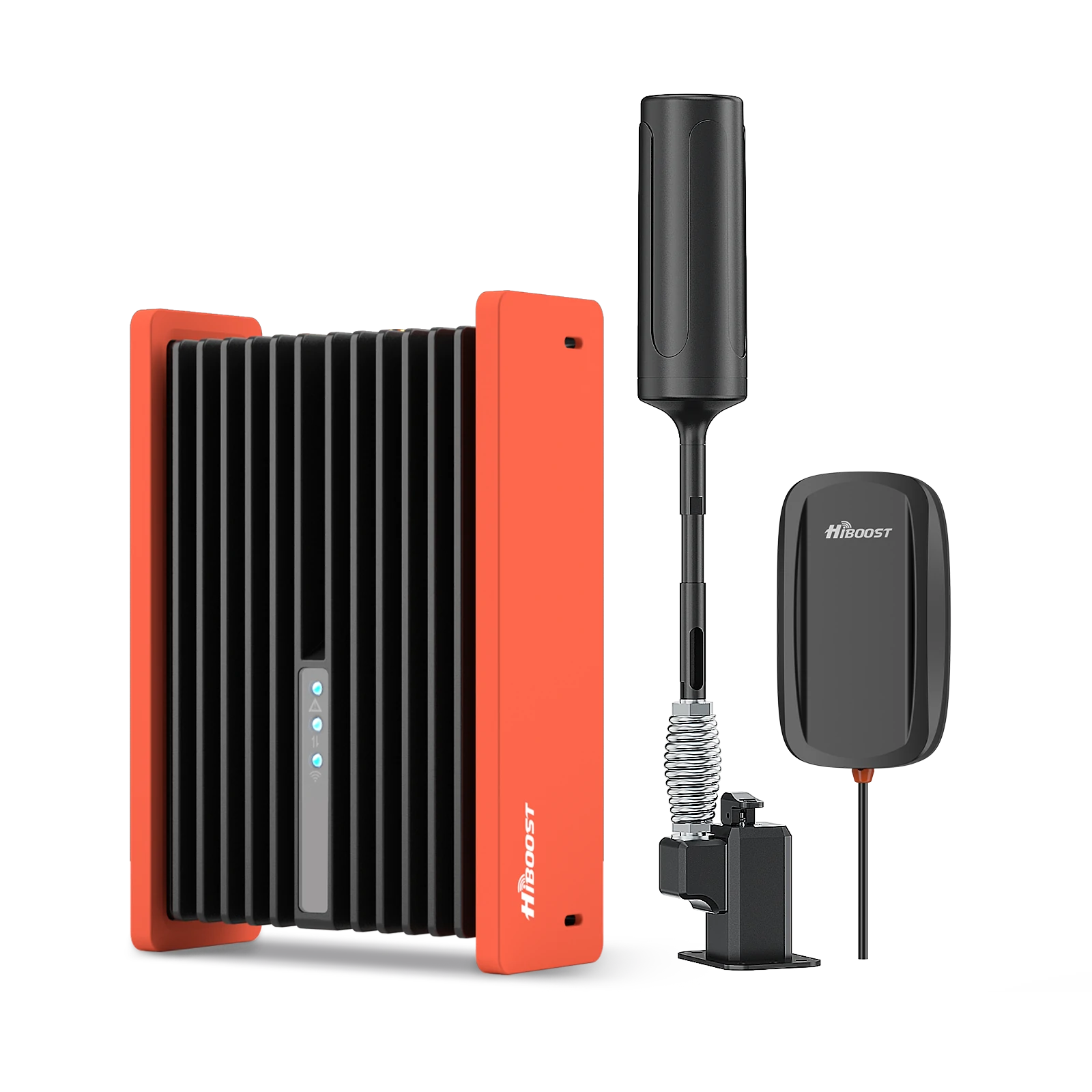
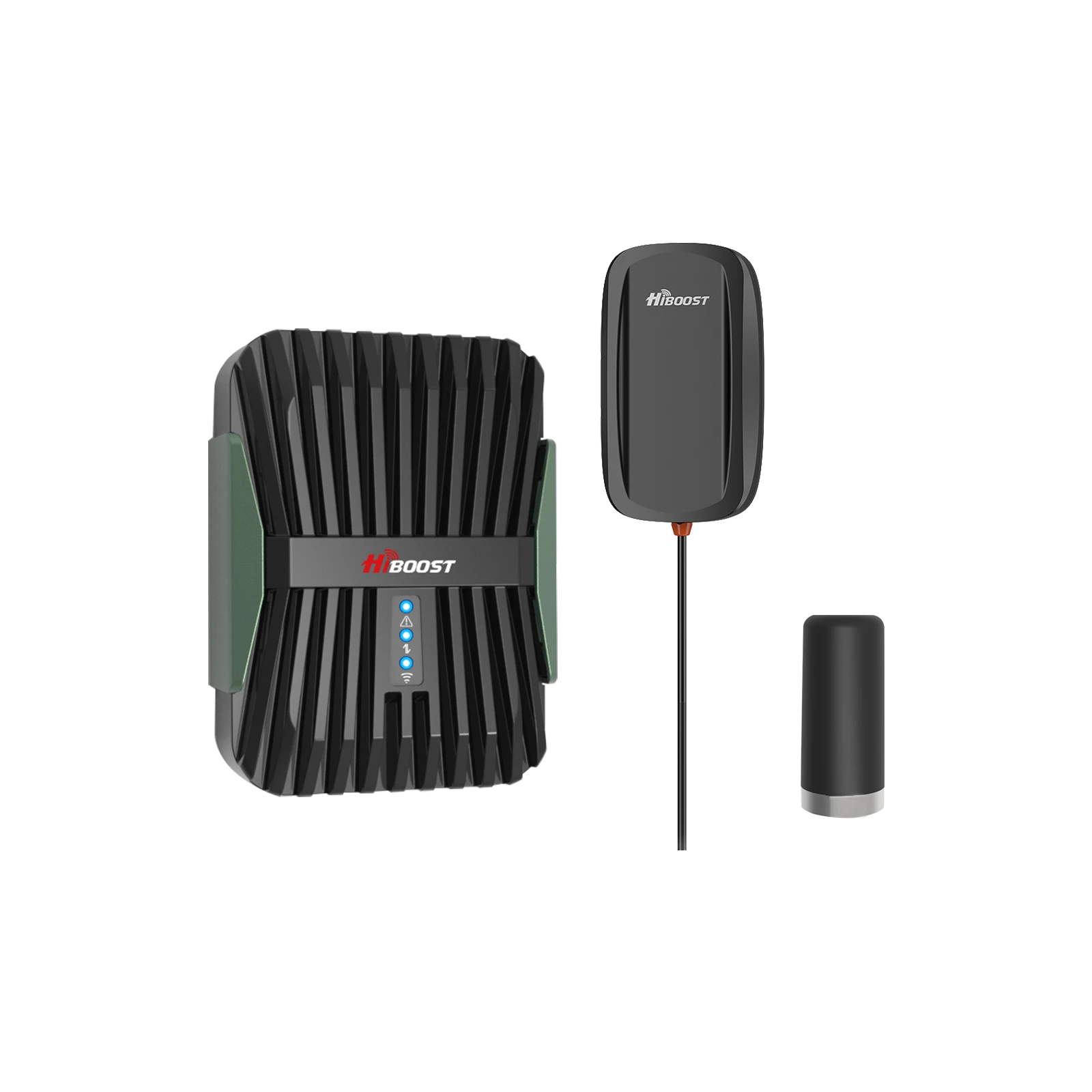
HiBoost Cell Phone Signal Booster for RV
For RVs, travel trailers, motorhomes, Class A/C RVs, 5th wheels, vans, and truck campers.
HiBoost Travel 3.0 RV Cell Signal Booster is a great choice for:
- RVs and motorhomes
- Travel trailers
- Campers
- Mobile offices
- Off-grid adventures
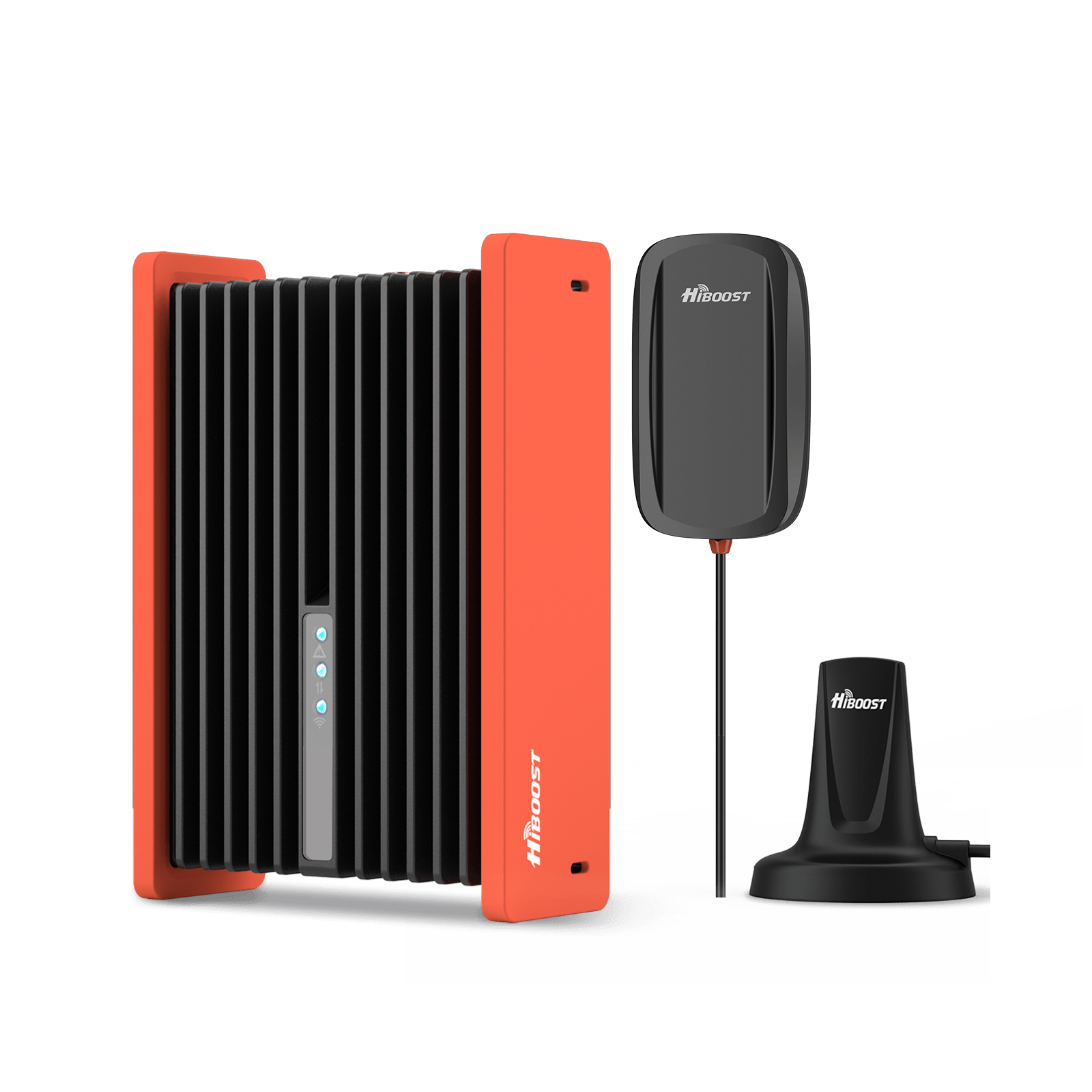
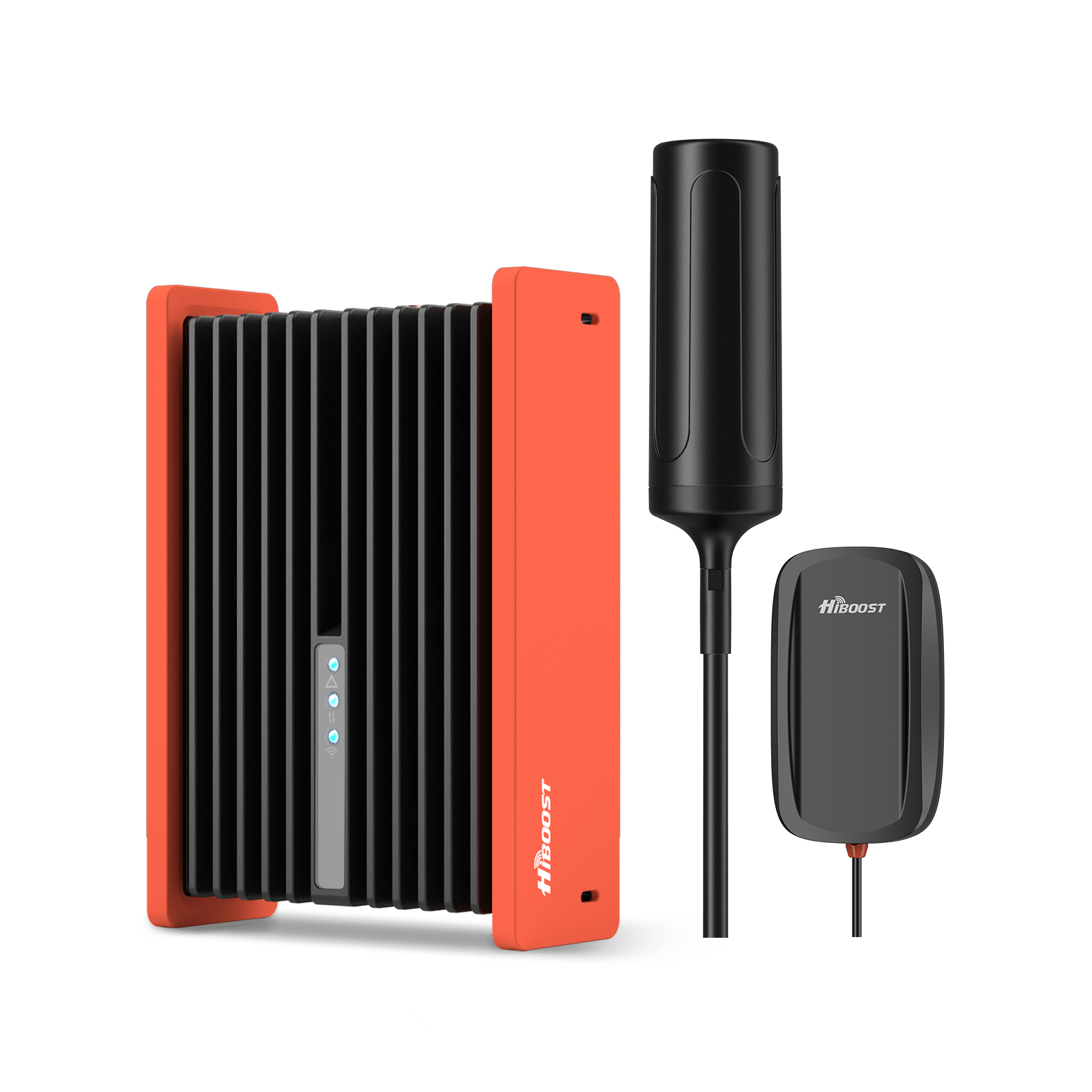
Built for life on the road, HiBoost Travel 3.0 RV helps maintain stronger cellular connections while traveling through rural areas, campgrounds, and locations with weak coverage.
Key benefits:
- Designed specifically for RV and mobile use
- Improves signal while traveling or camping
- Supports major U.S. carriers
- Compact installation with vehicle-friendly components
- Helps maintain reliable calls and data connections in remote areas
| Metal Building Type | Best Cell Signal Booster | Recommended Coverage | Common Use Cases |
|
Small Metal Buildings |
HiBoost Sidekick |
Small Indoor Areas | Metal garages, workshops, sheds |
| Large Metal Buildings | HiBoost 15K Smart Link Deluxe | Up to 15,000 sq ft | Warehouses, agricultural buildings, commercial spaces |
|
Metal RVs & Campers |
HiBoost Travel 3.0 RV | Mobile Coverage |
RVs, campers, outdoor adventures |
The Best Outdoor Antennas for Metal Buildings
Directional Yagi Antenna
Yagi antennas are usually the most suitable for rural sites. They capture the signals from distant towers and are best used in the farm buildings, barns, and pole barns. These antennas help increase the gain and improve the reception of signals over long distances.
Its benefits are increased gain and better reception of signals over long distances. The drawback is that the antenna needs to be directed at a particular tower.
Omni Antenna
An omnidirectional antenna has reception in all directions of reception. These antennas are best for urban areas, suburban locations, and buildings close to more than one tower. It is easier to install since aiming is typically not required.
Omni antennas, however, typically have a lower gain than directional antennas.
Pole Mount vs Roof Mount?
The best signal is frequently provided by roof mounting as the antenna will be up above obstructions.
For instance, if the need is for extra height, pole mounting can be successful as well.
The most appropriate solution is determined by:
- Building design
- Nearby obstructions
- Available mounting locations
- Tower direction
Can a Booster enhance 5G in a metal building?
A booster can not enhance parent frequency, but it helps to capture the weak. Most modern signal boosters support 4G LTE, Low-band 5G, and DSS 5G deployments. This can lead to better performance over existing network carriers.
Many carriers still use a significant portion of low-band and mid-band frequencies for their wide coverage.
mmWave 5G Limitations
There are very important restrictions. Most cell phone boosters boost low and mid-band frequencies. The emphasis of booster technology is typically not on ultra-high-frequency mmWave 5G.
Support may be limited due to the short distance and the difficulty that mmWave signals have with obstacles. It is a realistic consideration that buyers need to be aware of prior to buying.
Installation Tips for Metal Buildings

Here are some of the tips that you have to know when metal buildings are being installed.
- Place the Outdoor Antenna Above the Roofline
- If it is possible to do so, the outdoor antenna should be installed above the roof.
- This means that the cells receive better exposure to the signals, and disrupting effects from the structure itself are decreased.
- Separate the inside and outside antennas.
- A good separation of antennas inside and outside the house is to be maintained.
When the antennas are very close to each other, there can be oscillations. Oscillation occurs when antennas feed back and can affect performance and cause automatic power reduction.
Use Strong Outside Signal Location
Check signal strengths around the home prior to installation. The best outdoor signal location is usually:
- Roof peaks
- Tall poles
- Elevated structures
The best signal source prior to installation is preferred for getting the best results.
Avoid Signal Interference from Metal Obstacles
Antennas can be affected by large metal objects in the vicinity.
Avoid mounting antennas directly behind:
- Metal walls
- Equipment
- Storage racks
- Machinery
Good separation usually enhances the signal.
Cell Phone Booster vs Wi-Fi Calling in a Metal Building
| Feature | Cell Phone Booster |
Wi-Fi Calling |
| Requires Internet |
No |
Yes |
| Works During Internet Outage |
Yes |
No |
| Supports Multiple Devices | Yes | Yes |
| Improves Mobile Data | Yes |
Limited |
| Uses Existing Cellular Network | Yes | No |
| Works in Remote Locations | Often Yes | Depends on the Internet |
|
Installation Required |
Yes | Minimal |
Wi-Fi calling can be helpful if there is good Wi-Fi connectivity. When the issue is the ability to receive or transmit via mobile, a cell phone booster might be a more suitable option.
FAQs
Will a cell phone booster work in a completely metal building?
Yes. The outdoor antenna is placed in an area where a signal is available, and then the signal is rebroadcast indoors.
How many signals do you need on the outside?
It is possible to often improve a weak outdoor signal. But boosters can't make a signal when there is none.
Is there a way to do a booster without an internet connection?
Yes. Cell phone boosters don't connect to the internet.
Are boosters compatible with Verizon, AT&T, and T-Mobile?
Most of the multi-carrier boosters work on ALL 3 networks: Verizon, AT&T, and T-Mobile.
Will one booster fit a whole warehouse?
Depending on the size of the warehouse, one system or several indoor antennas might be needed.
Should a directional antenna be used for a rural metal building?
Usually yes. Distant tower signals are better received by directional antennas.
Will 5G signals be blocked by metal roofs?
Yes. Metal roofs can greatly degrade LTE and 5G signals that penetrate the roof.
Will I need to hire someone to install the booster, or can I do it myself?
There are many residential systems that are DIY designed. If the system is a larger commercial unit, it may need to be professionally configured.
What is the height of the antenna (h)?
In general, the higher the antenna is mounted on the mast, the more stable and safe it will be.
Is a booster required in an office in a shipping container?
Yes. The shipping containers are mainly constituted of steel and are typically enhanced by a signal booster.
Will a signal booster work through steel walls?
The indoor antenna sends out the signal in the building, minimizing reliance on the signal penetrating steel walls.
Which is the best type of antenna for a metal building such as a warehouse?
A directional yagi is typically used in rural areas. An omnidirectional antenna might be adequate in urban areas.
What is the cause of poor cell service in metal buildings?
Cellular radio signals are blocked and made less effective by steel walls, metal roofs, and insulation materials.
Conclusion
A cell phone booster is the most effective solution to boost cell phone signal in a metal building. The common issue with metal structures, such as metal warehouses, steel buildings, pole barns, workshops, garages, farm buildings, shipping container offices, prefab metal buildings, and others, is that they block the transmission of cellular signals when placed indoors.
The optimal solution is a soundly installed booster system designed to pick up outdoor signals and boost them, and provide coverage indoors. But it's important to have realistic expectations. Signal boosters can't boost signals where there are none; installation quality is important, and mmWave 5G support can be limited.
Further Reading
Cell Phone Signal Booster Ultimate Guide
Why Metal Roofs Block Cell Signals
How to Boost Cell Phone Signal in a Building
Best Cell Phone Booster for Large Homes
How to Install a Cell Phone Signal Booster
Car/Suv,RV,Truck,Vehicle


Our Home Signal Booster



Popular Articles


Leave a comment
All comments are moderated before being published.
This site is protected by hCaptcha and the hCaptcha Privacy Policy and Terms of Service apply.